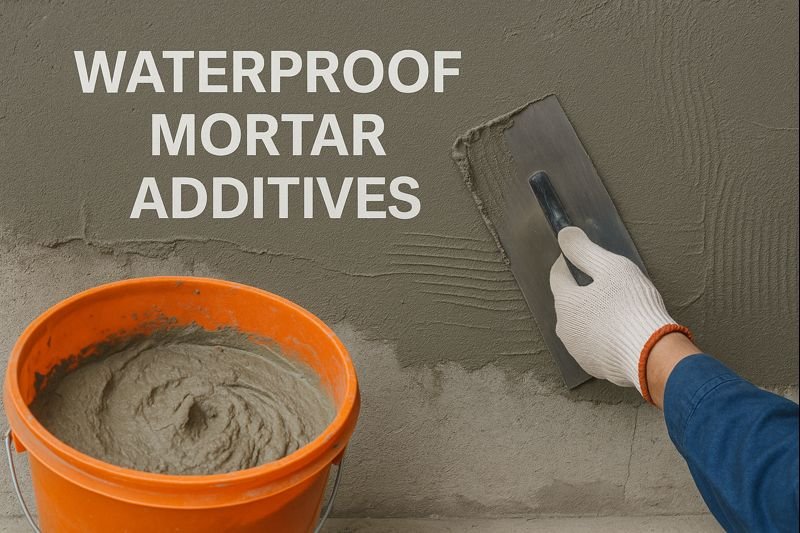
Are you struggling with water seepage in your concrete structures? Poor waterproofing leads to structural damage, mold growth, and costly repairs. I've seen these problems repeatedly in my 15 years in the construction chemicals industry.
Waterproof mortar additives are chemical compounds added to cement mixtures to reduce water penetration. They work by either blocking pores in the hardened material or creating hydrophobic barriers that repel water, maintaining structural integrity and extending the lifespan of concrete structures.
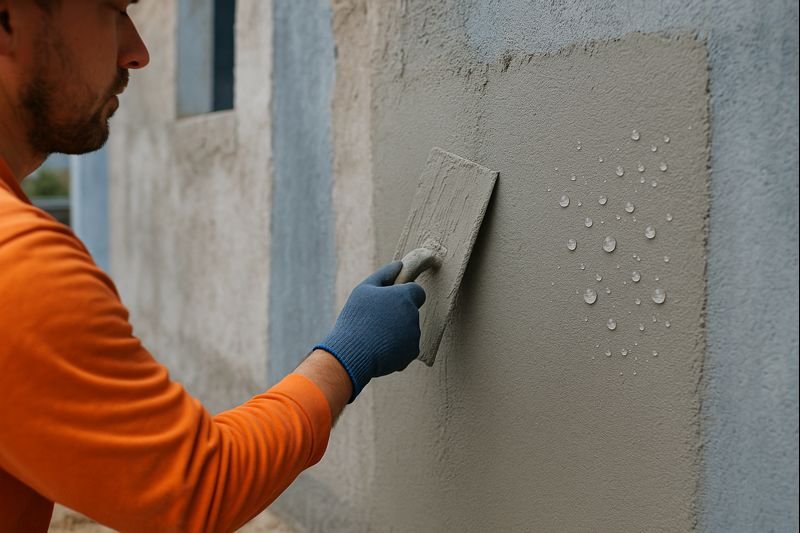
I've tested hundreds of waterproofing solutions1 across different climate zones. The right additive can make the difference between a structure that lasts decades and one that fails within months. Let me share what I've learned to help you make the best choice for your project.
How Can a Reliable Waterproof Mortar Additives Supplier Impact Your Project Success?
Dealing with unreliable suppliers has cost my clients thousands in project delays. Finding committed partners is critical when waterproofing affects structural integrity.
A reliable waterproof mortar additives supplier provides consistent quality products, technical support, and timely delivery. They should offer customization options, maintain proper certification, provide test reports, and offer solutions to application problems, ensuring your project succeeds without delays.
When selecting a supplier, look beyond the initial price quote. At Kehao, we've built our reputation on reliability and technical expertise. I remember working with a large project in Saudi Arabia where the client had previously experienced significant delays with another supplier. By providing consistent quality and dedicated support, we helped them complete their project ahead of schedule.
Technical support is crucial when implementing waterproofing solutions. Our team provides on-site assistance and troubleshooting for large projects. We also maintain extensive stocks to ensure timely delivery, even during global supply chain disruptions.
Here's what to consider when evaluating potential suppliers:
Key Supplier Evaluation Criteria
| Criteria | Why It Matters | Our Approach |
|---|---|---|
| Quality Consistency | Prevents variation between batches | Regular testing with ISO standards |
| Delivery Reliability | Prevents costly project delays | Multiple production lines to ensure supply |
| Technical Support | Ensures proper application | Free consultation and on-site assistance |
| Customization | Addresses specific project needs | Custom formulations and packaging |
| Certification | Ensures regulatory compliance | Full portfolio of international certifications |
Remember that the cheapest supplier often becomes the most expensive when project delays and quality issues arise. Invest time in building relationships with proven suppliers who understand your specific needs.
What Are the Ideal Cellulose Ethers Specs for Waterproof Mortar?
I once consulted on a high-rise project where improper cellulose ether selection led to water damage on three floors. Choosing the right specifications is not just technical - it's crucial for project success.
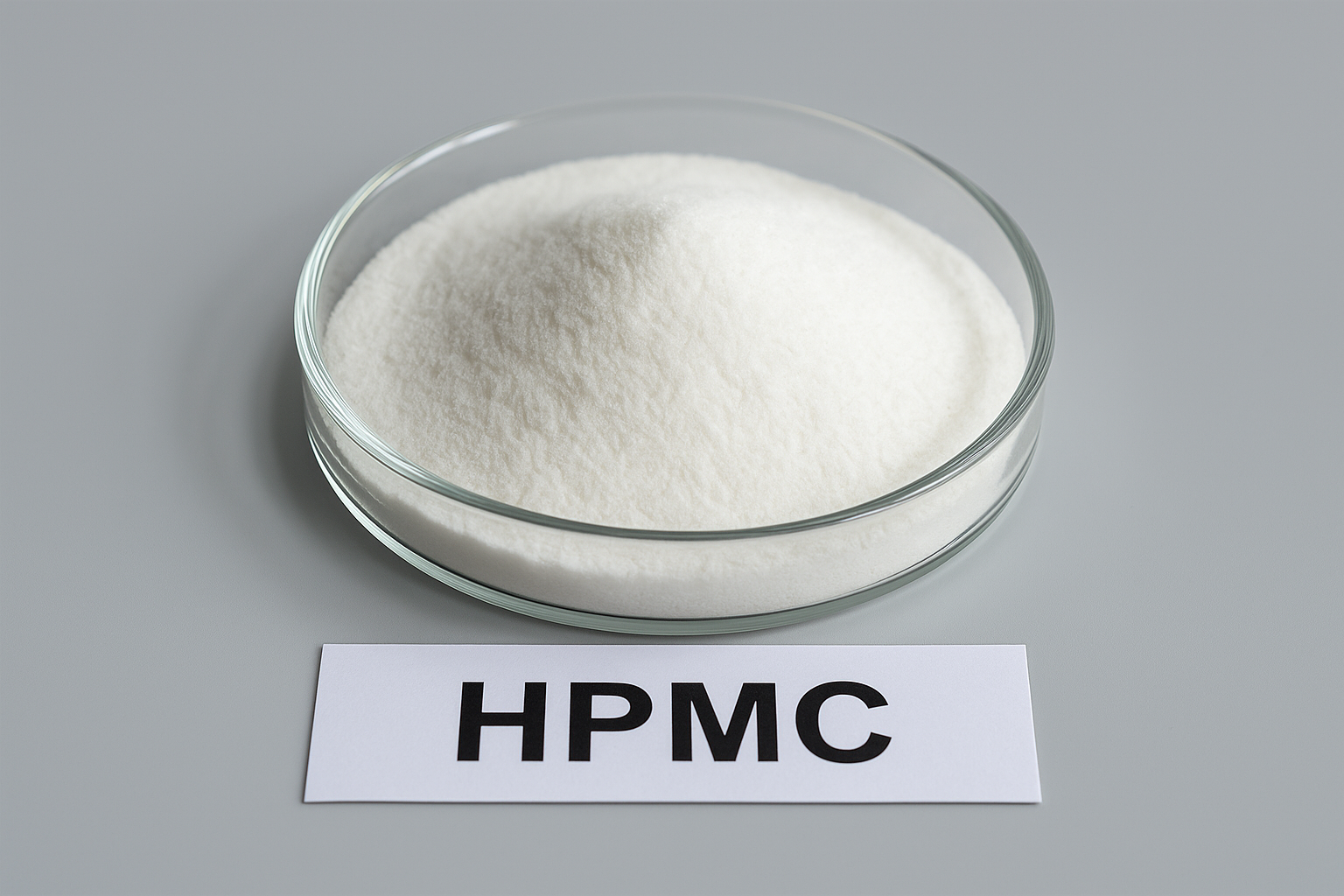
The ideal cellulose ethers2 for waterproof mortar have viscosity between 50,000-80,000 mPa·s, methoxyl content of 27-30%, hydroxypropyl content of 4-12%, and particle size <0.180mm. HPMC with these specifications provides optimal water retention, workability, and adhesion strength for waterproofing applications.

Developing the perfect cellulose ether formulation for waterproofing requires balancing multiple properties. At Kehao, we've fine-tuned our HPMC products through years of testing and customer feedback. The right cellulose ether transforms how mortar interacts with water at a molecular level.
Viscosity is particularly important for waterproofing applications. Too low, and water retention suffers; too high, and workability becomes problematic. Our testing shows that the sweet spot for most waterproof mortars is between 50,000-80,000 mPa·s, though this may vary depending on your specific application.
The molecular substitution patterns also significantly impact performance. Higher methoxyl content increases water retention but can reduce adhesion strength. Finding the right balance is essential. Our laboratory regularly tests different formulations in simulated real-world conditions to optimize performance.
Consider these factors when selecting cellulose ethers2 for your waterproofing projects:
Critical Parameters for Cellulose Ethers in Waterproofing Applications
| Parameter | Recommended Range | Effect on Waterproofing |
|---|---|---|
| Viscosity | 50,000-80,000 mPa·s | Higher viscosity improves water retention |
| Methoxyl Content | 27-30% | Affects water retention and hydrophobicity |
| Hydroxypropyl Content | 4-12% | Influences compatibility with other additives |
| Particle Size | <0.180mm | Ensures uniform dispersion |
| Gel Temperature | 65-85°C | Affects working time in various climates |
I've found that properly specified cellulose ethers can reduce water permeability by up to 70% compared to standard mortar formulations. This translates directly to longer-lasting structures and fewer warranty claims.
How Do Redispersible Polymer Powders Enhance Waterproof Mortar Performance?
I once visited a coastal project where the wrong polymer powder led to salt penetration and extensive damage. Understanding the specific requirements for waterproofing can save enormous remediation costs.
Redispersible polymer powders enhance waterproof mortar by forming flexible polymer films that bridge microcracks and create hydrophobic barriers. For optimal waterproofing, use VAE or VA/VeoVa powders with particle size 80-120μm, glass transition temperature 0-5°C, and ash content <10%, added at 2-5% of cement weight.
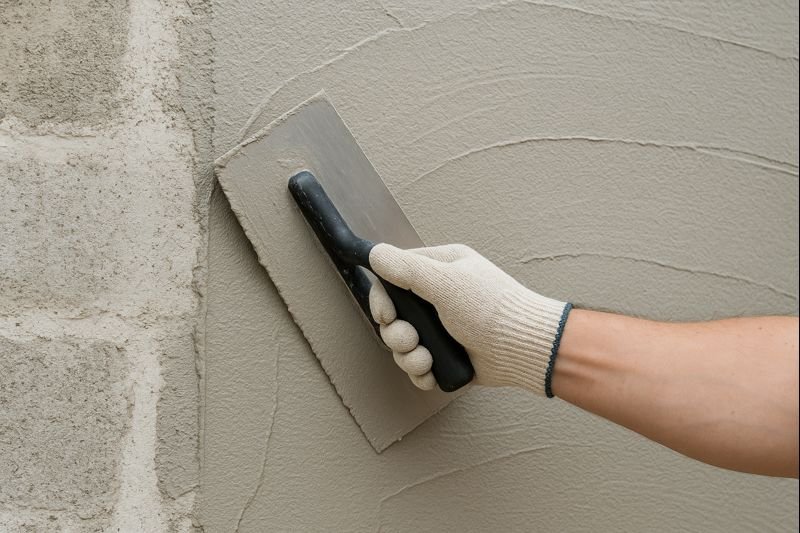
The science behind redispersible polymer powders is fascinating. When mixed with water, these powders redisperse into polymer particles that form continuous films throughout the mortar matrix. This film-forming capability is what gives waterproof mortars their exceptional protection against water penetration.
Not all redispersible polymers perform equally in waterproofing applications3. Through extensive testing, we've found that VAE (Vinyl Acetate Ethylene) and VA/VeoVa (Vinyl Acetate/Vinyl Ester of Versatic Acid) copolymers offer superior waterproofing properties compared to standard VAc (Vinyl Acetate) polymers. This is particularly true in applications exposed to UV radiation or freeze-thaw cycles.
The polymer's glass transition temperature (Tg) is crucial for waterproofing performance. Polymers with Tg values between 0-5°C provide the optimal balance between flexibility and strength. Too low, and the mortar becomes too soft; too high, and it loses the flexibility needed to bridge microcracks that inevitably form.
Our research department has developed specialized testing protocols that simulate decades of water exposure in just weeks. These accelerated aging tests help us fine-tune formulations for specific environmental conditions:
Redispersible Polymer Powder Selection Guide for Waterproofing
| Property | Recommendation | Benefit |
|---|---|---|
| Polymer Type | VAE or VA/VeoVa | Superior hydrophobicity and UV resistance |
| Particle Size | 80-120μm | Ensures uniform distribution throughout mortar |
| Glass Transition Temp | 0-5°C | Optimal flexibility for crack-bridging |
| Ash Content | <10% | Minimizes non-functional materials |
| Addition Rate | 2-5% of cement weight | Cost-effective performance |
| Protective Colloid | Modified cellulose | Enhances compatibility with cement |
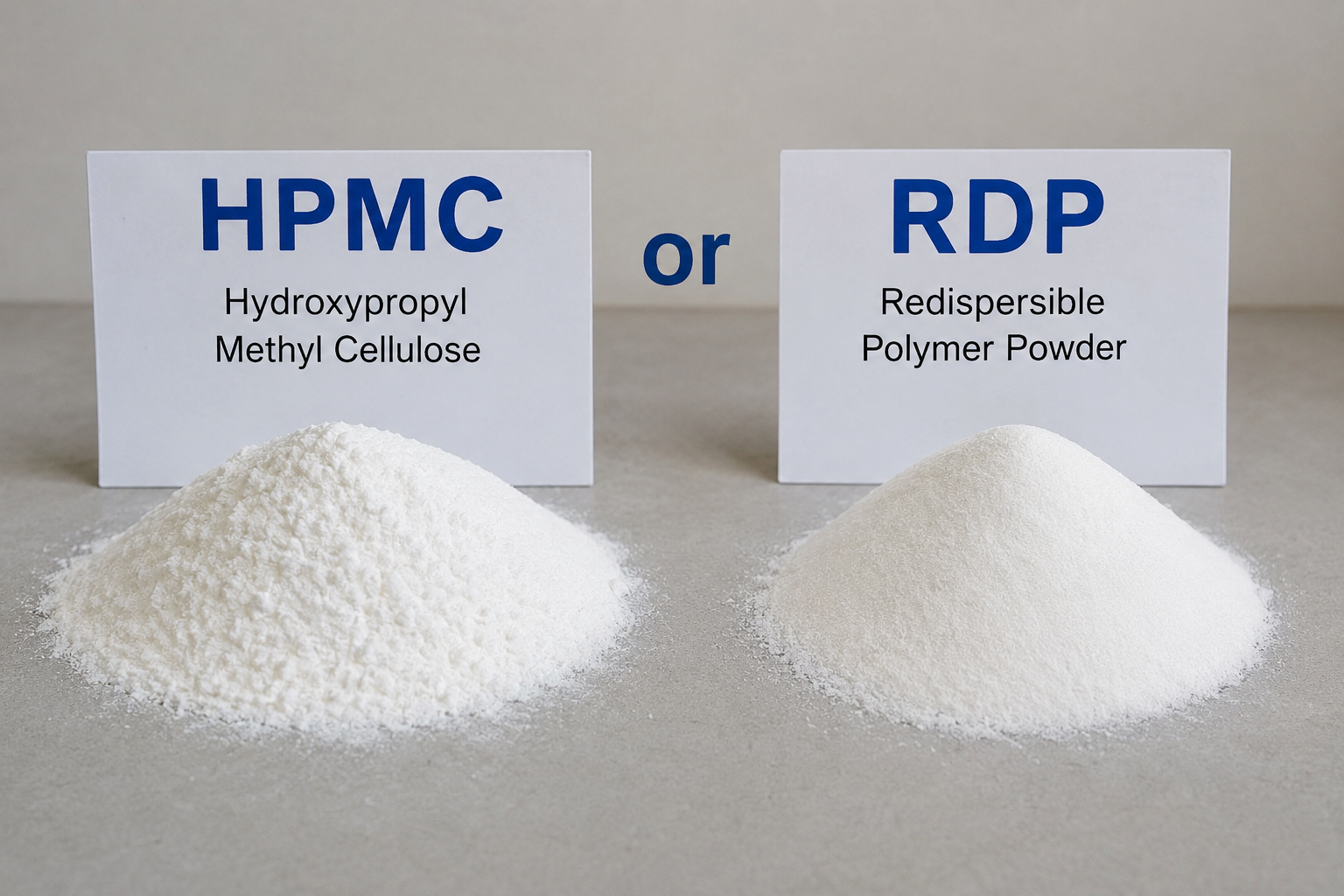
The synergy between redispersible polymers and cellulose ethers2 is particularly important. Our formulations are designed to ensure these components work together to maximize water resistance while maintaining excellent workability and adhesion.
How Can Superplasticizers Improve Waterproof Mortar Performance?
Early in my career, I worked on a basement waterproofing project that failed because the superplasticizer dosage was miscalculated. The concrete was too porous, allowing groundwater to penetrate easily.
Superplasticizers improve waterproof mortar by reducing the water-cement ratio while maintaining workability, resulting in denser microstructure and lower permeability. For optimal results, use polycarboxylate ether (PCE) superplasticizers at 0.2-0.8% of cement weight, with attention to compatibility with other additives.

Superplasticizers work through a fascinating mechanism called steric hindrance and electrostatic repulsion. They disperse cement particles and prevent them from clumping together, allowing for effective hydration with less water. This results in a denser cement matrix with fewer capillary pores—the primary pathways for water penetration.
The latest generation of polycarboxylate ether (PCE) superplasticizers offers significant advantages for waterproofing applications compared to older naphthalene or melamine-based products. PCEs provide longer workability retention and greater water reduction without the side effects like excessive air entrainment or setting retardation.
However, formulating with superplasticizers requires careful balancing. Too little won't provide sufficient water reduction, while too much can lead to segregation, bleeding, or compatibility issues with other additives. Through hundreds of laboratory trials, we've determined that the optimal dosage range for most waterproofing applications is 0.2-0.8% of cement weight.
Temperature sensitivity is another critical factor. Some superplasticizers lose effectiveness in extreme temperatures, compromising the waterproofing performance. Our products are designed to maintain consistent performance across a wide temperature range, from the heat of Middle Eastern summers to cold European winters.
Superplasticizer Performance Factors in Waterproofing
| Factor | Recommendation | Impact on Waterproofing |
|---|---|---|
| Chemistry Type | Polycarboxylate ether (PCE) | Superior water reduction and workability |
| Dosage Range | 0.2-0.8% of cement weight | Optimizes density without side effects |
| Water Reduction | 15-30% | Directly correlates to reduced permeability |
| Compatibility | Test with other additives | Prevents unexpected interactions |
| Temperature Stability | -5°C to +40°C performance | Ensures consistent results in varied climates |
| Setting Time | Minimal impact | Maintains project timeline |
One interesting finding from our research is that combining the right superplasticizer with hydrophobic additives creates a synergistic effect, reducing water penetration beyond what either could achieve alone. This approach has helped our customers achieve waterproofing results that exceed industry standards.
How Does Kehao Ensure Your Success With Waterproof Mortar Additives?
I've seen many customers struggle with inconsistent product quality from previous suppliers. This unpredictability can ruin project timelines and damage reputations.
Kehao ensures your success with waterproof mortar additives through strict quality control systems, in-house testing laboratories, technical support teams, customized solutions, and reliable logistics. Our ISO-certified manufacturing processes and experienced technical staff help solve waterproofing challenges across all climate conditions.
Quality control is the foundation of our operation at Kehao. Each production batch undergoes rigorous testing against international standards. Our in-house laboratories are equipped with advanced testing equipment, including spectroscopy, chromatography, and mechanical testing devices that can detect even minor variations in product performance.
Technical support extends far beyond simple product recommendations. Our team includes chemical engineers with decades of experience in waterproofing applications. They provide formulation advice, on-site troubleshooting, and training for your team to ensure optimal results. This comprehensive approach has helped us build long-term partnerships with major construction companies across the Middle East and Asia.
Our commitment to customization sets us apart from competitors who offer only standard products. We recognize that each project faces unique challenges—from extreme temperatures in Saudi Arabia to monsoon conditions in Southeast Asia. By tailoring formulations to specific project requirements, we help ensure success under even the most challenging conditions.
Wanhong's Customer Success Framework
| Element | Our Approach | Your Benefit |
|---|---|---|
| Quality Control | 100% batch testing, ISO certification | Consistent performance, no surprises |
| Technical Support | Expert chemical engineers, on-site assistance | Solutions to complex waterproofing challenges |
| Customization | Project-specific formulations | Optimal performance for your exact conditions |
| Supply Chain | Multiple production lines, strategic inventory | On-time delivery, even during disruptions |
| R&D Investment | Continuous product improvement | Access to latest waterproofing technologies |
| After-sales Service | Dedicated account managers | Quick resolution of any issues |
I recall working with a client in Dubai who faced severe waterproofing challenges in an underground parking structure near the coastline. By developing a custom blend of our HPMC4 and redispersible polymers5 specifically for high-salinity environments, we helped them create a solution that has remained water-tight for over eight years now, despite the challenging conditions.
What Issues Can Arise With Waterproof Mortar Additives and How to Solve Them?
I once consulted on a project where incompatible additives caused the waterproofing to fail within weeks. Knowing how to identify and solve common issues saves time and money.
Common waterproof mortar additive issues include incompatibility between components, improper dosing, mixing problems, and poor application techniques. Solve these by testing additive combinations before use, following manufacturer dosage recommendations, ensuring thorough mixing, and training application teams on proper techniques.

Compatibility issues are among the most common problems with waterproofing additives. Not all cellulose ethers work well with all superplasticizers or redispersible powders. At Kehao, we test all our products in various combinations to identify potential conflicts. For example, some superplasticizers can interfere with the water retention properties of cellulose ethers, reducing their effectiveness.
Improper dosing is another frequent issue. Too little additive won't provide adequate waterproofing, while too much can cause air entrainment, strength loss, or extended setting times. We provide detailed dosage guidelines based on extensive testing and can help calibrate the exact amounts for your specific materials and conditions.
Mixing sequence matters more than many realize. Adding waterproofing additives in the wrong order can significantly reduce their effectiveness. Through our technical support program, we provide mixing protocols tailored to your specific equipment and materials.
Environmental factors also play a crucial role in waterproofing performance. Temperature and humidity can dramatically affect how additives behave. Our technical team can help adjust formulations based on your local climate conditions to ensure consistent performance year-round.
Waterproofing Issue Resolution Guide
| Problem | Cause | Solution |
|---|---|---|
| Water Penetration | Inadequate additive dosage | Increase dosage within recommended range |
| Surface Cracking | Excessive shrinkage | Add redispersible polymers2 for flexibility |
| Poor Adhesion | Incompatible additives | Test combinations before full implementation |
| Segregation | Improper superplasticizer dosage | Reduce dosage or change superplasticizer type |
| Setting Issues | Additive interference | Adjust mixing sequence and timing |
| Application Difficulty | Wrong viscosity profile | Modify cellulose ether specification |
One approach I've found extremely effective is conducting small-scale field tests before full implementation. This allows us to identify and resolve potential issues before they affect the entire project. We offer testing support through our technical service team to help implement this best practice.
What Other Additives Should You Consider for Complete Waterproofing Solutions?
Early in my career, I learned that comprehensive waterproofing often requires complementary additives. Using only one type of waterproofing compound left vulnerabilities in the system.
Beyond basic waterproofing additives, consider hydrophobic pore blockers like silanes/siloxanes, crystalline waterproofing agents, fibrous reinforcements, air-entraining agents, and shrinkage reducers. This multi-layered approach creates redundant protection systems that maintain waterproofing even if one mechanism is compromised.
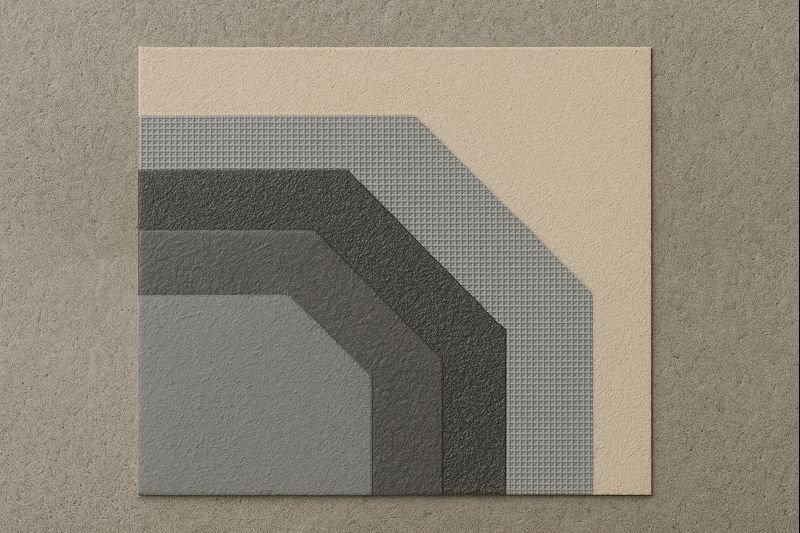
Hydrophobic pore blockers work differently from traditional waterproofing additives. Instead of reducing porosity, they make the pore walls water-repellent. This dual approach—reducing pores with standard additives while treating remaining pores with hydrophobics—creates a much more effective waterproofing system. Our silane/siloxane additives can reduce water absorption by up to 95% compared to untreated mortar.
Crystalline waterproofing additives represent another technological advance worth considering. These materials react with water and cement particles to form insoluble crystals within the pore structure. What makes them unique is their "self-healing" property—minor cracks that develop can be sealed by the continuing crystallization process when water is present. This provides long-term protection even as structures naturally shift and settle.
Fibrous reinforcements, particularly polypropylene microfibers, work synergistically with chemical waterproofing additives. They reduce plastic shrinkage cracking—tiny cracks that form as mortar dries—which are often the first point of water penetration. Our testing shows that combining microfibers with chemical waterproofing can reduce water penetration by up to 60% compared to chemical treatment alone.
Complementary Waterproofing Additives Performance
| Additive Type | Working Mechanism | Best Combined With |
|---|---|---|
| Hydrophobic Pore Blockers | Creates water-repellent surfaces | HPMC1 and superplasticizers |
| Crystalline Agents | Forms water-blocking crystals in pores | Redispersible polymers |
| Microfibers | Reduces shrinkage cracking | Any waterproofing system |
| Air-entraining Agents | Creates freeze-thaw resistance | Cold climate applications |
| Shrinkage Reducers | Minimizes crack formation | High-performance waterproofing |
I've learned through experience that environmental conditions should drive additive selection. For projects in coastal areas with high salt exposure, combining hydrophobic additives with crystalline waterproofing provides superior protection against salt water penetration. For structures in freeze-thaw environments, incorporating air-entraining agents with traditional waterproofing creates resilience against ice formation damage.
The key to successful waterproofing lies not just in selecting individual additives but in understanding how they interact as a system. Our laboratory can test custom combinations of additives with your local materials to develop optimized solutions for your specific challenges, whether you're building in the desert heat of Saudi Arabia or the tropical humidity of Southeast Asia.
Frequently Asked Questions About Waterproof Mortar Additives
During my years consulting on waterproofing projects, certain questions come up repeatedly. Here are clear answers to help guide your decisions.
The most effective waterproof mortar additives are redispersible polymer powders and hydrophobic agents, typically added at 2-5% and 1-2% of cement weight respectively. They remain effective for the structure's lifetime under normal conditions, are compatible with most construction materials, and add 5-15% to material costs while potentially saving much more in prevented damage.
Many clients ask about the long-term durability of waterproofing additives. Based on accelerated aging tests and real-world observations, properly formulated waterproofing systems can maintain effectiveness for 20+ years under normal conditions. The key is selecting additives appropriate for your specific exposure conditions and application methods.
Compatibility concerns also come up frequently. Most quality waterproofing additives are designed to work with standard construction materials, but testing is always advisable. At Kehao, we offer compatibility testing services to verify performance with your specific cement, sand, and other components before large-scale use.
The cost-benefit analysis of waterproofing additives is compelling. While they typically add 5-15% to material costs, this investment is minimal compared to the expense of repairing water damage or addressing structural issues caused by water penetration. One client in Pakistan saved over $200,000 in repair costs by investing an additional $12,000 in high-quality waterproofing additives for their commercial building foundation.
Common Waterproofing Questions and Answers
| Question | Answer |
|---|---|
| Which additive provides the best value? | HPMC combined with silane/siloxane offers excellent cost-performance ratio |
| Can additives be used in repair scenarios? | Yes, especially crystalline additives and injectable hydrophobic systems |
| Are these additives environmentally safe? | Modern formulations meet environmental standards; we offer low-VOC options |
| How do I know if the waterproofing is working? | We recommend water penetration testing per ASTM D6489 standards |
| Can additives replace membrane waterproofing? | In many cases yes, though critical applications may benefit from both |
| How do temperature extremes affect performance? | Proper formulation selection ensures performance from -30°C to +70°C |
Application technique remains crucial regardless of additive quality. We provide detailed application guidelines and can arrange training sessions for your staff. Proper mixing, application thickness, and curing protocols significantly impact the effectiveness of any waterproofing system.
Remember that waterproofing is not a one-size-fits-all solution. The best approach combines carefully selected additives with proper application techniques and regular maintenance. Our technical team can help develop a comprehensive waterproofing strategy tailored to your specific project requirements.
Conclusion
Selecting the right waterproof mortar additives requires understanding their chemistry, interactions, and application methods. By working with reliable suppliers like Kehao, testing before full implementation, and using complementary additives, you can ensure long-lasting waterproofing protection for your structures.
-
Discover a range of waterproofing solutions that can enhance the durability of your construction projects. ↩ ↩
-
Find out the best specifications for cellulose ethers to ensure effective waterproofing in your projects. ↩ ↩ ↩ ↩
-
Learn best practices for applying waterproofing solutions to ensure long-lasting results. ↩
-
Discover the role of HPMC in waterproofing and its benefits for construction projects. ↩
-
Find out how redispersible polymers improve waterproofing effectiveness in various conditions. ↩