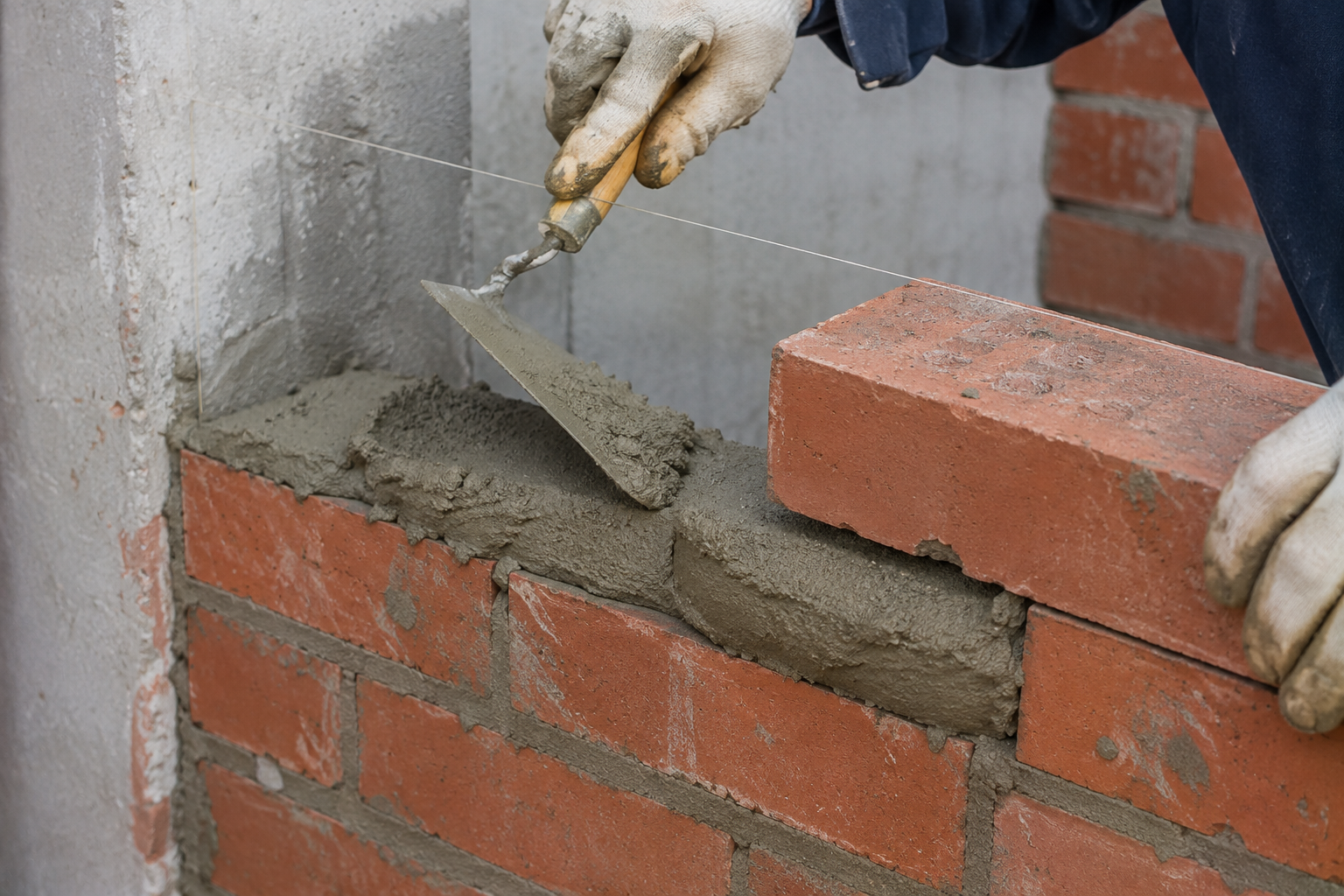
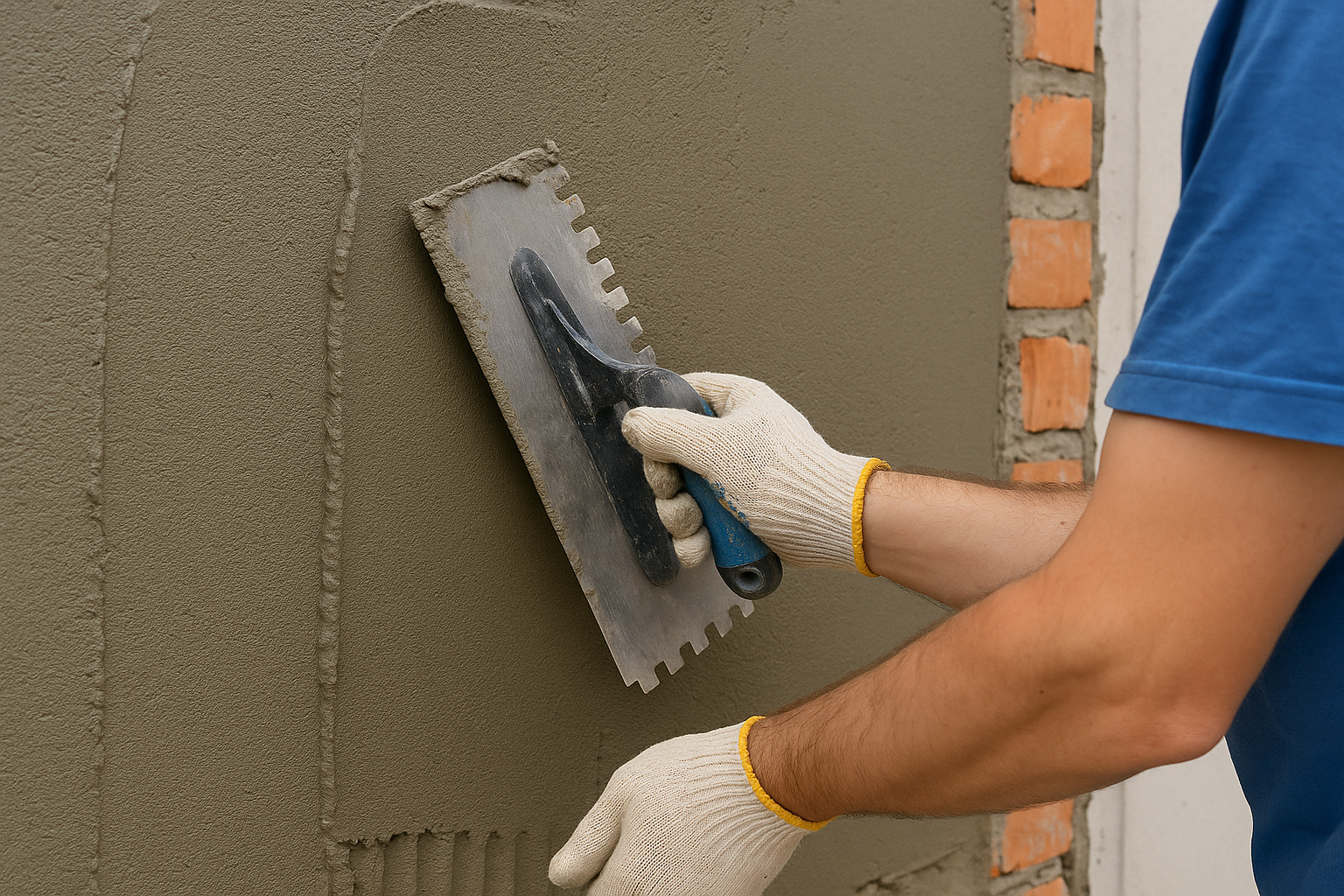
Are you struggling with mortar that cracks, shrinks, or fails to adhere properly? These common problems can lead to costly repairs, project delays, and frustrated clients demanding better results.
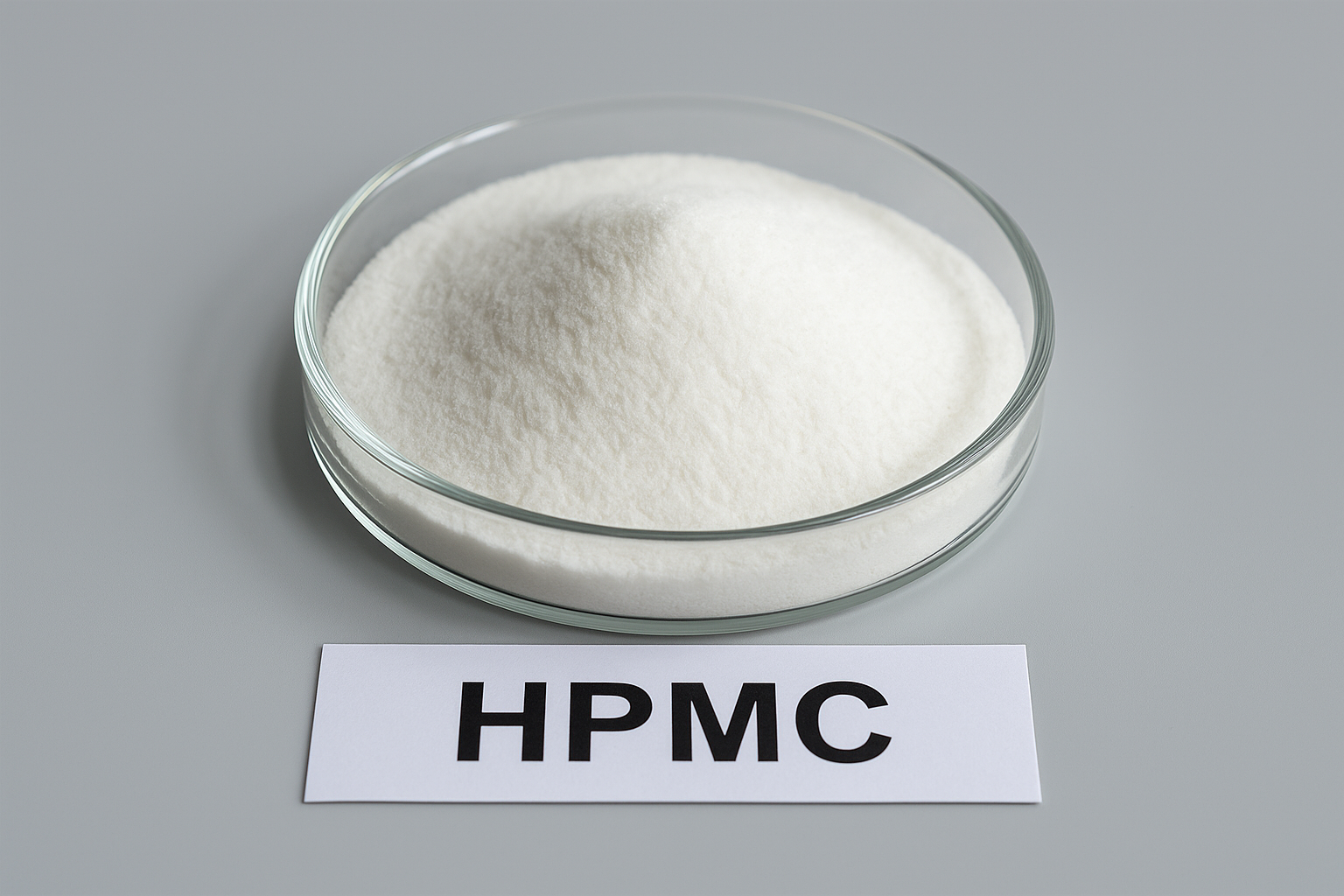
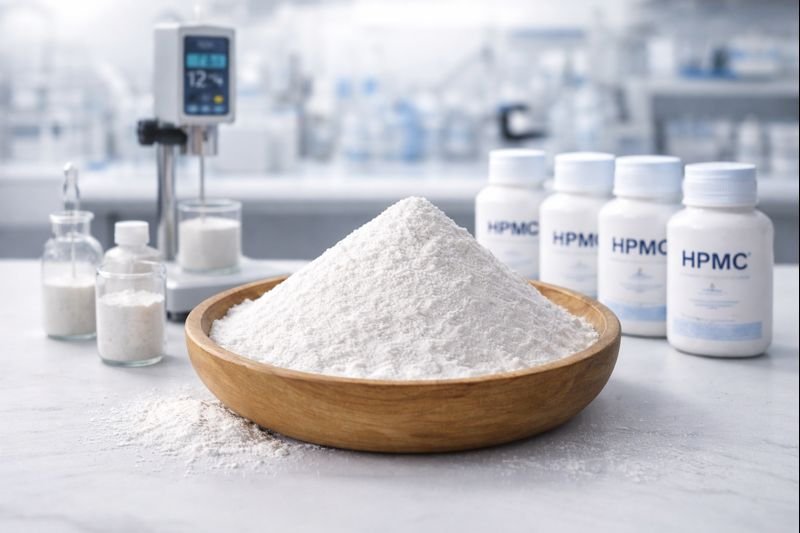
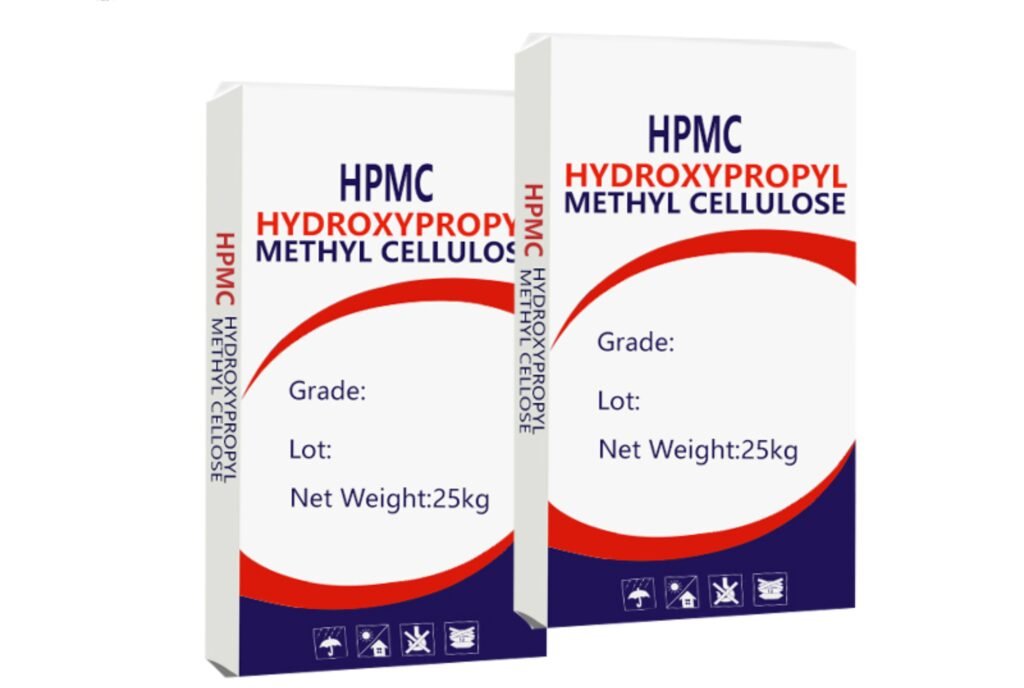
High-performance mortar1 is a specialized construction material engineered to exceed standard mortar properties by delivering superior strength, durability, bond strength, reduced shrinkage, and enhanced workability. It contains advanced additives like HPMC2, redispersible polymer powder3, and fibers to meet specific performance demands.
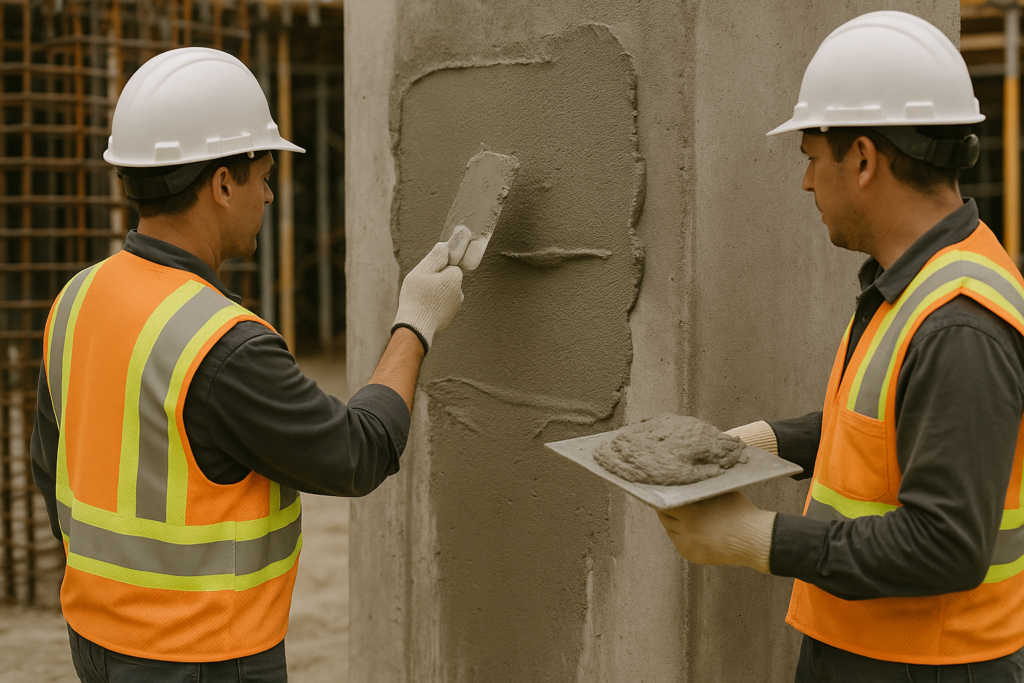
As a manufacturer with six production lines specializing in construction additives, I've seen firsthand how the right formulation transforms ordinary mortar into high-performance material. Let me walk you through everything you need to know about high-performance mortar - from its basic properties to advanced formulation techniques that will give your products a competitive edge.
What is High Performance Mortar?
Do you know what separates regular mortar from high-performance variants that command premium prices and deliver superior results? The difference lies in both composition and performance capabilities.
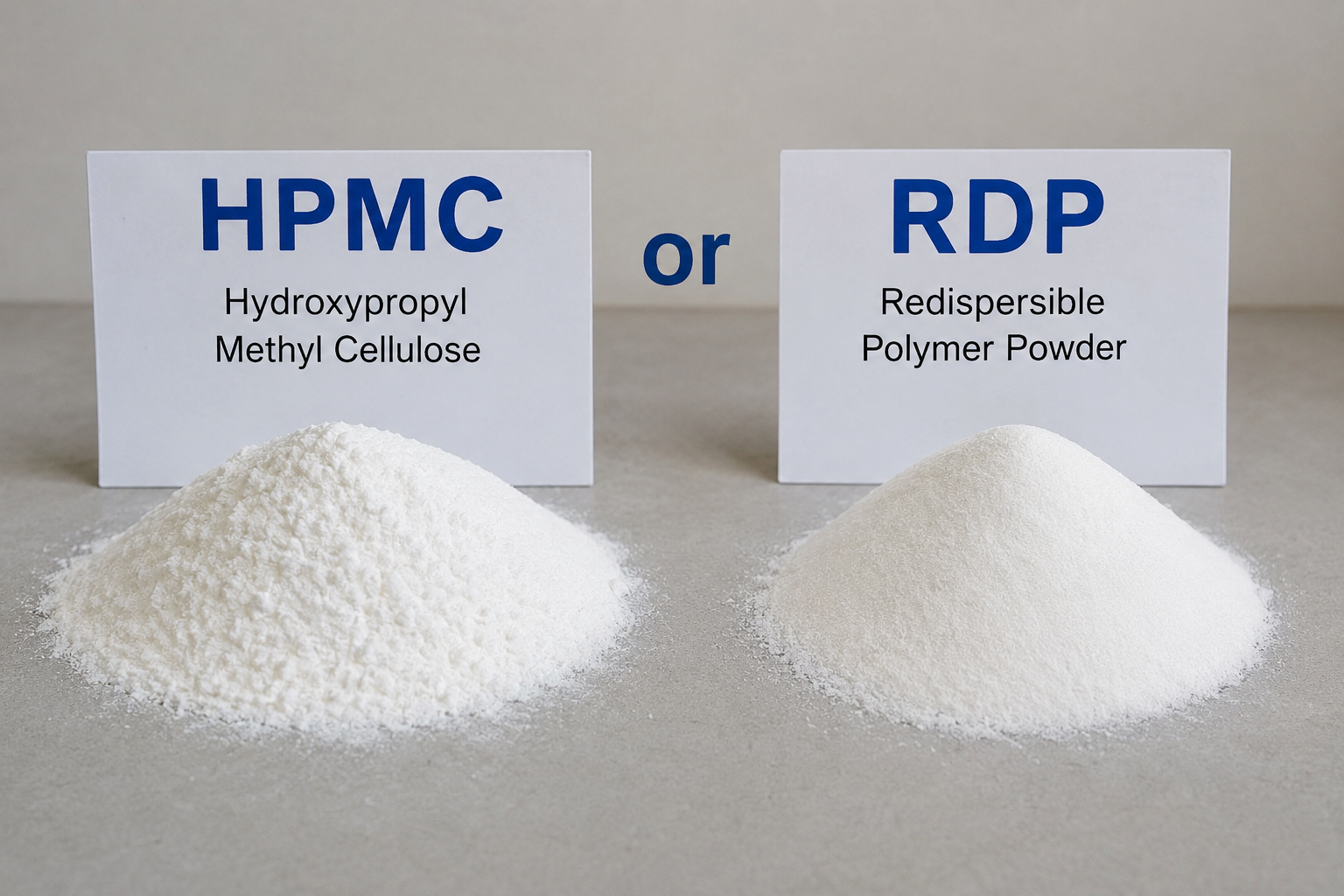
High-performance mortar is an enhanced cementitious mixture containing carefully selected additives like hydroxypropyl methylcellulose (HPMC2), redispersible polymer powder3 (RDP), and reinforcing fibers that significantly improve strength, adhesion, flexibility, and durability compared to conventional mortars.
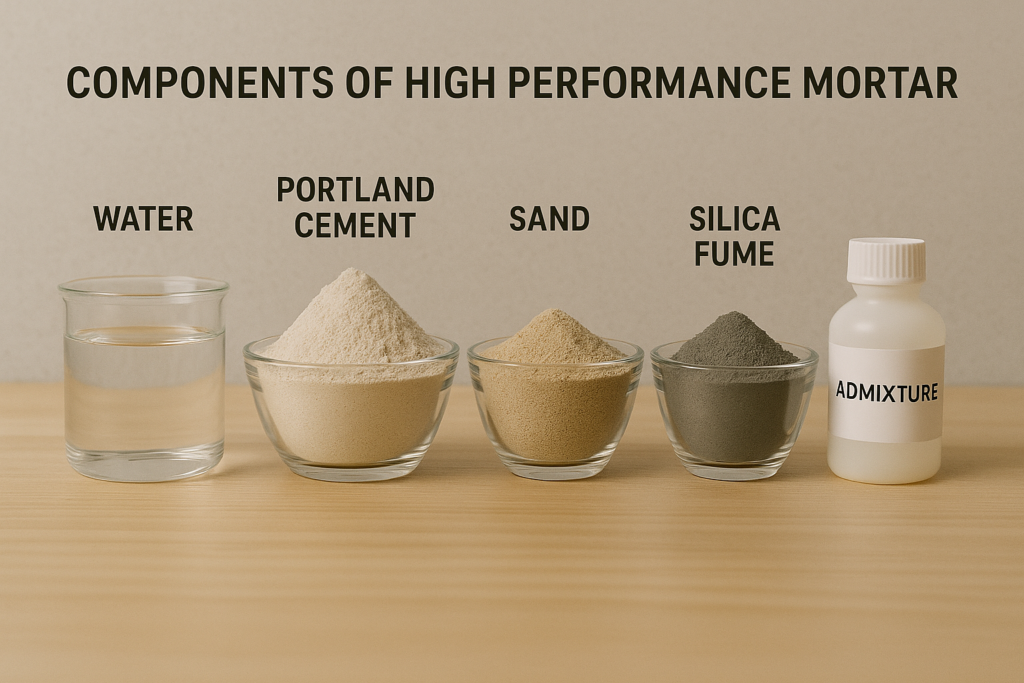
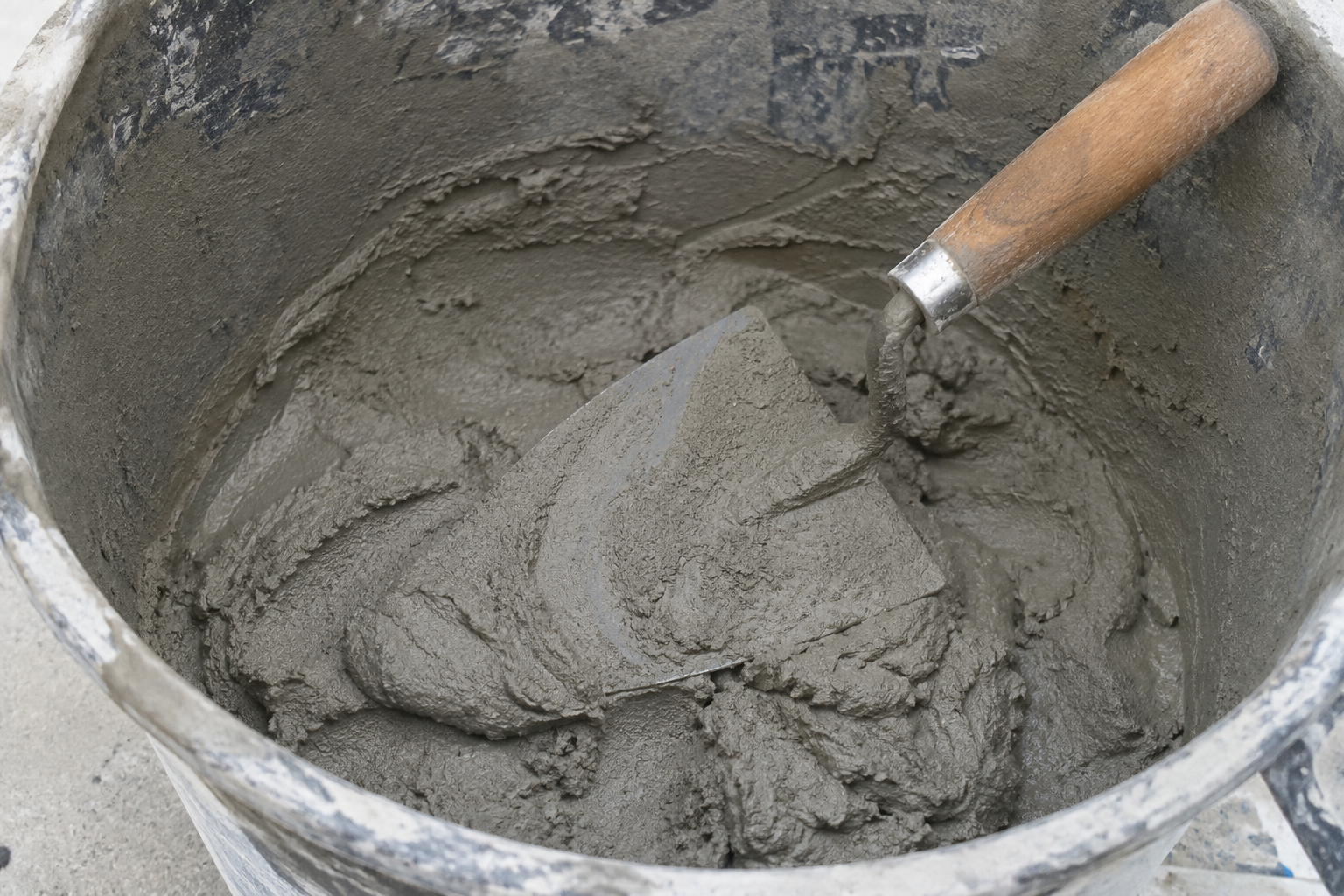
High-performance mortar represents the evolution of traditional mortar formulations. While conventional mortar typically consists of cement, sand, and water, high-performance variants incorporate advanced chemical admixtures and additives that dramatically enhance properties.
The key differences become apparent in the performance characteristics. Standard mortars might offer compressive strengths of 3-10 MPa, while high-performance formulations can reach 20-60 MPa or higher. Water retention in conventional mortars typically ranges from 75-85%, whereas high-performance variants achieve 95%+ water retention thanks to cellulose ethers4 like HPMC.
From my experience working with clients across Saudi Arabia, UAE, and India, I've noticed that high-performance mortars are increasingly specified for challenging applications where conventional mortars would fail - including high-rise buildings, infrastructure projects exposed to extreme weather, and specialized repair work where failure is not an option.
Key Performance Indicators of High Performance Mortar?
Are you unsure which properties truly matter when evaluating mortar performance? With so many technical specifications available, identifying the critical parameters that predict real-world performance can be overwhelming.
The essential performance indicators for high-quality mortar include compressive strength (≥20 MPa), flexural strength (≥5 MPa), bond strength (≥1 MPa), water retention (≥95%), low shrinkage (<0.1%), and appropriate open time (30-90 minutes) - all measurable through standardized testing methods.
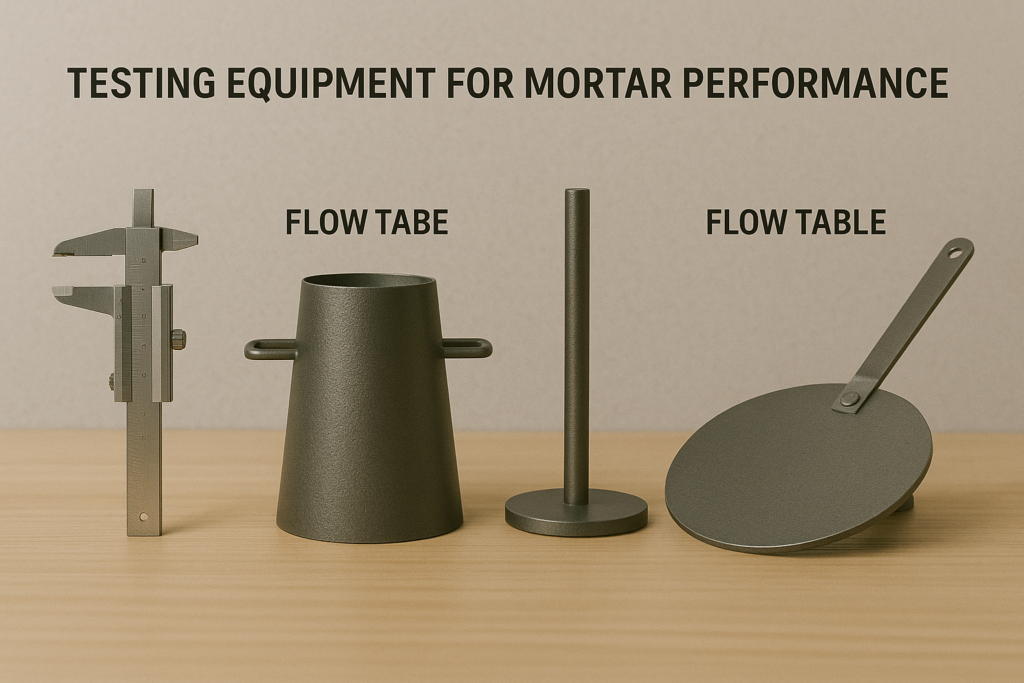
When evaluating high-performance mortar, buyers and specifiers should focus on several critical performance indicators that directly impact application success and longevity. Understanding these parameters helps in selecting the right product for specific project requirements.
Mechanical Properties
| Property | Standard Requirement | High-Performance Level | Test Method |
|---|---|---|---|
| Compressive Strength | ≥10 MPa | ≥20 MPa | EN 196-1 |
| Flexural Strength | ≥2 MPa | ≥5 MPa | EN 196-1 |
| Bond Strength | ≥0.5 MPa | ≥1 MPa | EN 1015-12 |
Application Properties
| Property | Standard Requirement | High-Performance Level | Test Method |
|---|---|---|---|
| Water Retention | ≥85% | ≥95% | ASTM C1506 |
| Workability (Flow) | 140-200mm | 160-220mm | EN 1015-3 |
| Open Time | ≥20 minutes | ≥30 minutes | EN 1346 |
Durability Properties
| Property | Standard Requirement | High-Performance Level | Test Method |
|---|---|---|---|
| Shrinkage | <0.2% | <0.1% | ASTM C596 |
| Freeze-Thaw Resistance | 25 cycles | 50+ cycles | ASTM C666 |
| Water Absorption | <10% | <5% | EN 1015-18 |
In my factory, we conduct these tests regularly to ensure our additives deliver the performance our clients demand. Just last month, one of our clients in Pakistan switched to our premium HPMC grade and reported a 15% increase in mortar water retention and a 20% improvement in open time - critical factors for their large-scale tiling projects in hot climate conditions.
Types of High Performance Mortar?
Are you confused by the many different types of high-performance mortars on the market? With manufacturers using different terminology and making unique claims, it can be difficult to categorize and compare these specialized products.
High-performance mortars are classified by application type (repair, plastering, tiling, flooring), binding system (cement-based, polymer-modified, resin-based), and performance level (normal, high-strength, ultra-high strength), with each type optimized for specific project requirements and environmental conditions.
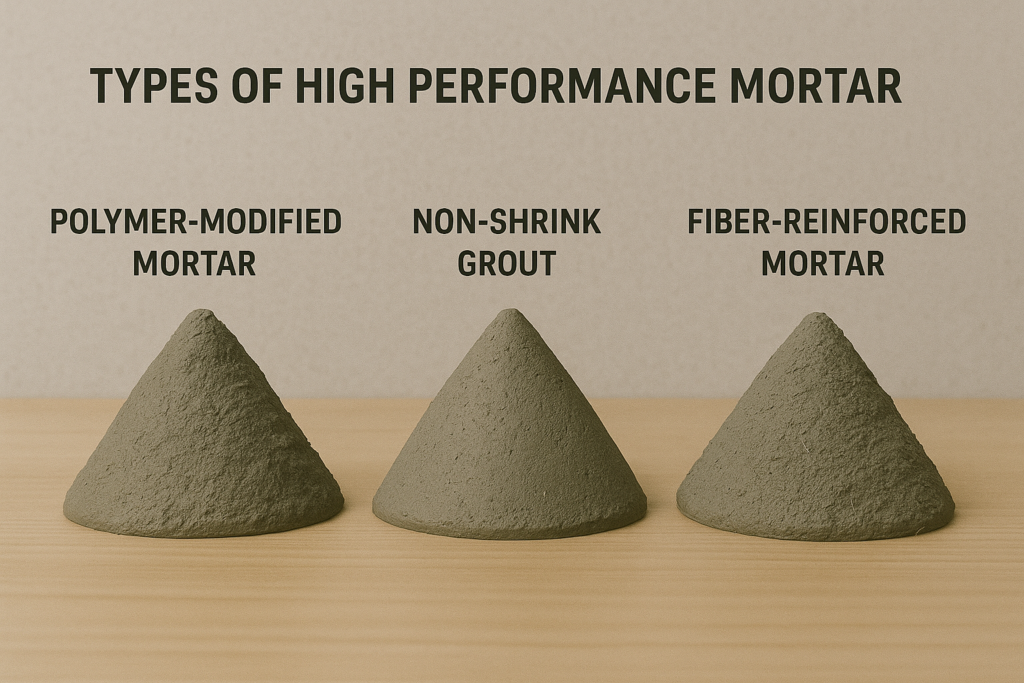
The world of high-performance mortar encompasses a diverse range of specialized products, each engineered for specific applications and performance requirements. Understanding the different types helps in selecting the right product for each project.
Classification by Application
High-performance mortars are often categorized based on their intended use:
-
Repair Mortars: Designed for structural and non-structural repairs of concrete, these mortars offer high bond strength, low shrinkage, and rapid strength development. They typically contain higher polymer content (5-10% RDP) and may include fibers for crack resistance.
-
Rendering/Plastering Mortars: Formulated for finishing walls and ceilings, these mortars provide excellent workability, water retention, and resistance to cracking. They commonly incorporate 0.05-0.15% HPMC for improved workability and water retention.
-
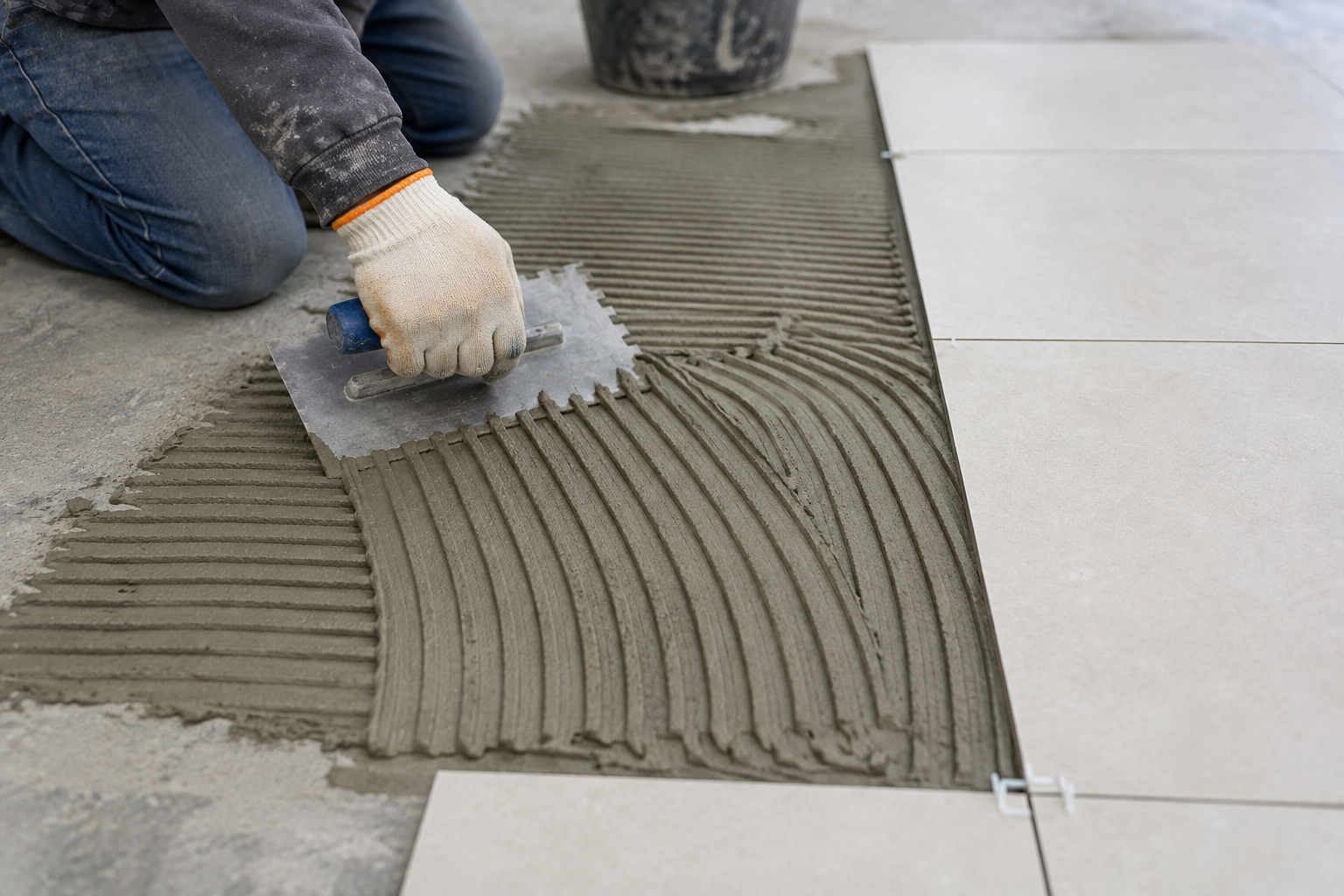
Tiling Mortars: Specialized for bonding ceramic, porcelain, and stone tiles, these mortars deliver exceptional adhesion, extended open time, and reduced slip. Premium formulations contain 2-5% RDP and 0.2-0.3% HPMC.
-
Floor Screeds: High-performance floor screeds offer rapid drying, high compressive strength, and wear resistance. They may incorporate polypropylene fibers (0.1-0.3%) for enhanced crack resistance.
Classification by Binding System
The binder system significantly influences mortar properties:
| Binder Type | Key Components | Benefits | Applications |
|---|---|---|---|
| Cement-Based | Portland cement, additives | Cost-effective, familiar application | General repairs, rendering |
| Polymer-Modified | Cement + 3-10% polymers | Enhanced adhesion, flexibility | External rendering, tile adhesives |
| Resin-Based | Epoxy, polyurethane, or acrylic resins | Chemical resistance, waterproofing | Industrial flooring, chemical plants |
| Geopolymer | Activated aluminosilicates | Low carbon footprint, acid resistance | Sustainable construction, aggressive environments |
Based on my experience supplying additives to manufacturers across developing markets, I've observed that polymer-modified cement-based mortars represent the fastest-growing segment. These mortars offer an optimal balance between performance and cost, making them particularly popular for high-rise construction in rapidly developing urban centers.
Formulating High-Strength Cement Repair Mortar (Kehao Recommended Formula)?
Are you struggling to develop a reliable, high-strength repair mortar formula that consistently performs in challenging environments? Creating a balanced formulation that meets multiple performance criteria simultaneously can seem like an impossible challenge.
A high-strength cement repair mortar formula typically contains 30-40% Portland cement, 55-65% graded silica sand, 0.2-0.3% HPMC, 3-5% redispersible polymer powder, 0.1-0.3% polypropylene fibers, with small amounts of accelerators, superplasticizers, and defoamers for optimal performance.

Developing an effective high-strength cement repair mortar requires careful selection and balancing of components. Based on my experience working with construction material manufacturers across multiple countries, I've developed a reliable formulation that consistently delivers excellent performance.
Basic Recommended Formula
| Component | Percentage (by weight) | Function |
|---|---|---|
| Portland Cement (Type I) | 35% | Main binding agent |
| Graded Silica Sand (0.1-0.6mm) | 58% | Aggregate for structural integrity |
| HPMC (Viscosity: 100,000 mPa·s) | 0.25% | Water retention, workability |
| Redispersible Polymer Powder (VAE) | 4% | Adhesion, flexibility |
| Polypropylene Fibers (6mm) | 0.2% | Crack resistance, toughness |
| Calcium Formate | 0.8% | Set accelerator |
| Superplasticizer | 0.1% | Flow enhancement |
| Defoamer | 0.05% | Air content control |
| Hydrophobic Agent | 0.3% | Water repellency |
| Shrinkage Compensator | 1.3% | Dimensional stability |
This formula produces a repair mortar with compressive strength exceeding 40 MPa at 28 days, flexural strength above 7 MPa, and bond strength greater than 1.5 MPa. The water-to-mortar ratio should be maintained between 0.16-0.18 for optimal consistency.
For special applications, minor adjustments may be necessary. In extremely hot climates (like Saudi Arabia), I recommend increasing the HPMC content to 0.3% and adding 0.1% cellulose fibers to improve water retention. For cold weather applications (below 10°C), increasing the accelerator content to 1.0% helps maintain proper setting characteristics.
When one of my clients in Pakistan implemented this formula with our HPMC products, they reported a 40% reduction in callbacks for repair failures and significantly improved worksite efficiency due to the extended workability time without sacrificing early strength development.
Enhancing Water Retention & Workability (Role of Cellulose Ether)?
Does your mortar dry out too quickly during application, making it difficult to work with and causing poor bonding? This common problem leads to reduced productivity, inconsistent finishes, and potential adhesion failures.
Cellulose ethers like HPMC and HEMC enhance mortar workability and water retention by forming a protective gel network that slows water evaporation, with optimal dosage typically ranging from 0.2-0.4% depending on application, climate conditions, and desired open time.

Cellulose ethers play a critical role in high-performance mortars by significantly improving water retention and workability properties. As someone who has manufactured these additives for over a decade, I can attest to their transformative impact on mortar performance.
How Cellulose Ethers Work in Mortar Systems
Cellulose ethers like hydroxypropyl methylcellulose (HPMC) and hydroxyethyl methylcellulose (HEMC) function through several mechanisms:
-
Water Retention Mechanism: When added to mortar, cellulose ether molecules rapidly hydrate and form a three-dimensional gel network that physically traps water molecules. This network significantly slows water loss through evaporation and absorption by porous substrates, ensuring adequate water remains available for complete cement hydration.
-
Rheology Modification: The same gel network that retains water also modifies the flow behavior of fresh mortar, imparting thixotropic properties - the mortar flows under pressure (when troweled) but resists slumping or sagging when pressure is removed.
Optimizing Cellulose Ether Selection and Dosage
| Application | Recommended Type | Viscosity Range | Optimal Dosage | Expected Water Retention |
|---|---|---|---|---|
| Tile Adhesive | HPMC | 60,000-100,000 mPa·s | 0.25-0.35% | >95% |
| Rendering Mortar | HPMC/HEMC | 30,000-60,000 mPa·s | 0.20-0.30% | >92% |
| Repair Mortar | HPMC | 75,000-150,000 mPa·s | 0.20-0.30% | >90% |
| EIFS Base Coat | HPMC | 15,000-30,000 mPa·s | 0.30-0.40% | >94% |
The selection criteria should include consideration of methoxyl content, hydroxypropyl content, and viscosity. Higher methoxyl content improves water retention but delays cement hydration, while higher hydroxypropyl content enhances compatibility with polymers and improves dissolving characteristics in cold water.
In hot climates like the UAE and Saudi Arabia, I typically recommend using higher viscosity HPMC (80,000-100,000 mPa·s) at the upper end of the dosage range (0.30-0.35%). This has helped our clients reduce water loss by up to 40% compared to formulations using lower-grade cellulose ethers, resulting in significantly improved open time even in temperatures exceeding 40°C.
Improving Bond Strength (Role of RDP)?
Is your mortar failing to adhere properly to difficult substrates like glass, metal, or old concrete? Poor adhesion is one of the most common reasons for expensive callbacks and failed inspections in construction projects.
Redispersible polymer powder (RDP) enhances mortar bond strength by forming flexible polymer films that bridge between substrate and cement particles, with recommended dosages of 2-3% for standard applications and 4-6% for demanding conditions like non-porous substrates or high-stress environments.
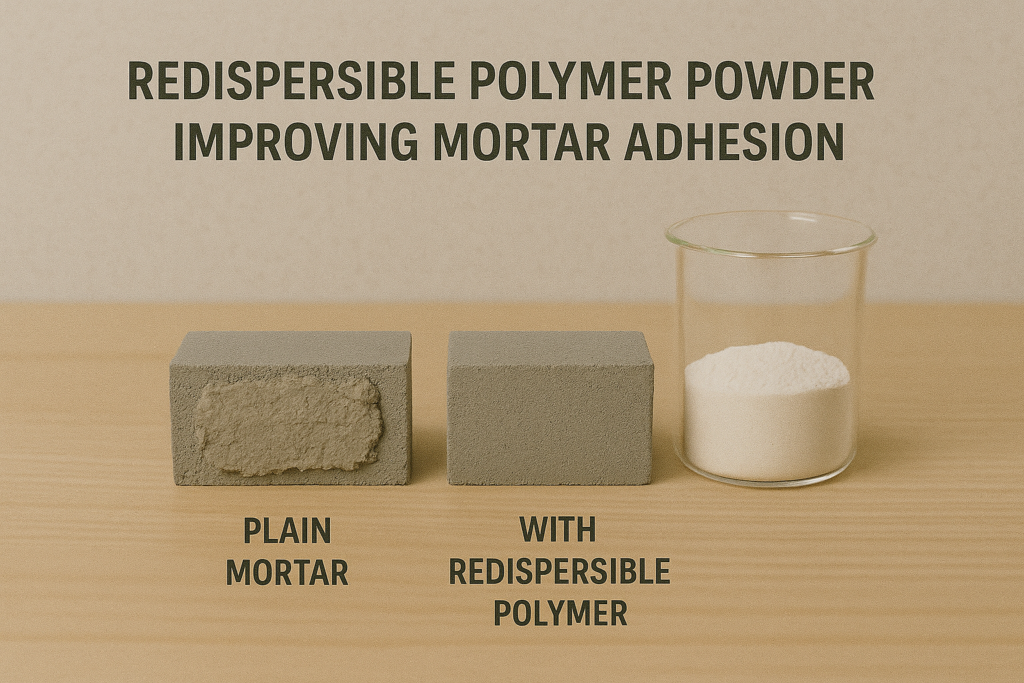
Redispersible polymer powder5 (RDP) stands as one of the most crucial additives for enhancing mortar bond strength. Having supplied various RDP grades to mortar manufacturers across developing markets, I've witnessed firsthand how these specialized polymers transform ordinary mortars into high-performance bonding materials.
How RDP Enhances Adhesion
Redispersible polymer powder5s are spray-dried polymer emulsions that, when mixed with water in mortar, re-emulsify and form a polymer network throughout the cement matrix. This network:
-
Creates Polymer Bridges: As water evaporates from the mortar, the polymer particles coalesce to form continuous films that physically bridge between the substrate and cement particles.
-
Improves Microstructure: The polymer films fill microvoids within the cement matrix, creating a denser, less porous structure with reduced microcracking.
-
Enhances Flexibility: The polymer network introduces elasticity to the otherwise rigid cement matrix, allowing the mortar to accommodate minor substrate movements without causing adhesion failure.
Selecting the Right RDP Type and Dosage
| RDP Type | Chemistry | Typical Applications | Key Benefits |
|---|---|---|---|
| VAc/E | Vinyl Acetate-Ethylene | General-purpose mortars | Cost-effective, good workability |
| VAc/VeoVa | Vinyl Acetate-Vinyl Ester | External applications | Hydrophobic, weather resistant |
| VAc/E/VeoVa | Terpolymer | Universal applications | Balanced performance |
| Acrylic | Pure acrylic | Premium applications | Superior flexibility, durability |
For high-performance repair mortars, I typically recommend VAc/E/VeoVa terpolymers at 4-5% dosage for an optimal balance of cost and performance. When our clients in India switched from standard VAc/E to VAc/E/VeoVa types, they reported a 30% improvement in bond strength to glazed tile substrates and significantly reduced call-backs for adhesion failures.
The RDP's particle size also matters significantly. Finer particle sizes (typically 50-80 μm) disperse more uniformly throughout the mortar matrix, creating a more consistent polymer network. When one of my clients in Mexico switched to our finer-particle RDP, they measured a 15% improvement in bond strength with no increase in dosage rate.
Environmental conditions also impact RDP selection. In hot, dry climates like Saudi Arabia, I recommend RDPs with higher minimum film formation temperatures (MFFT >5°C) to prevent premature film formation before proper cement hydration occurs. Conversely, for cold weather applications, lower MFFT varieties ensure proper film formation even at reduced temperatures.
Enhance Toughness (Role of Fibers)?
Do you face recurring problems with mortar cracking and reduced impact resistance? These issues often lead to premature failures, water infiltration, and expensive repairs that damage your reputation and bottom line.
Polypropylene, polyvinyl alcohol, or glass fibers enhance mortar toughness by creating a three-dimensional reinforcement network that distributes stress, controls micro-cracking, and improves impact resistance, with typical dosages ranging from 0.1-0.5% depending on fiber type and application requirements.

Fibers represent a critical component in high-performance mortars, providing multi-dimensional reinforcement that dramatically improves toughness, crack resistance, and durability. Having supplied various fiber types to mortar manufacturers across multiple countries, I've gained valuable insights into maximizing their beneficial effects.
Types of Fibers and Their Performance Characteristics
Different fiber types offer unique performance benefits in mortar formulations:
| Fiber Type | Length Range | Diameter | Key Advantages | Best Applications |
|---|---|---|---|---|
| Polypropylene | 3-12mm | 15-40μm | Cost-effective, chemical resistance | General crack reduction |
| Polyvinyl Alcohol (PVA) | 4-12mm | 10-200μm | High tensile strength, concrete adhesion | Premium repair mortars |
| Glass (AR) | 3-25mm | 10-20μm | High modulus, alkali resistance | High-strength applications |
| Cellulose | 1-2mm | 10-25μm | Improves thixotropy and water retention | Sprayable mortars |
Optimal Fiber Integration Strategies
The effectiveness of fibers depends significantly on proper dispersion within the mortar matrix. Based on my experience with manufacturers in developing markets, I recommend these integration methods:
-
Pre-mixing with dry components: For production efficiency, fibers should be blended with sand before adding cement and other powders. This prevents clumping and ensures even distribution.
-
Length optimization: For general repair mortars, 6mm fibers typically provide the best balance between workability and performance. Longer fibers (12mm+) offer superior crack-bridging but can compromise workability.
-
Hybrid systems: Combining fiber types often yields synergistic benefits. A combination of 0.1% polypropylene fibers (for plastic shrinkage crack control) with 0.1% glass fibers (for hardened state reinforcement) often outperforms 0.2% of either type alone.
When one of our clients in Brazil implemented our recommended hybrid fiber system in their repair mortar, they documented a 40% reduction in crack formation during restrained shrinkage testing and a 25% improvement in impact resistance.
For high-rise applications in seismic zones, where dynamic loads are a concern, I typically recommend increasing fiber content to 0.3-0.5% and using high-performance PVA fibers. This approach has helped our clients in Philippines develop repair mortars that maintain structural integrity even under significant vibration and lateral forces.
Eliminating Harmful Air Bubbles (Role of Defoamer)?
Are excessive air voids compromising your mortar's strength and surface finish? Many mortar formulations trap unwanted air during mixing, leading to reduced compressive strength, increased permeability, and unsightly surface blemishes.
Defoamers eliminate unwanted air bubbles in mortar by breaking the stable foam structures created by surfactants in admixtures like HPMC and RDP, with typical dosages of 0.05-0.2% helping achieve optimal air content (5-10%) for balanced strength and workability.
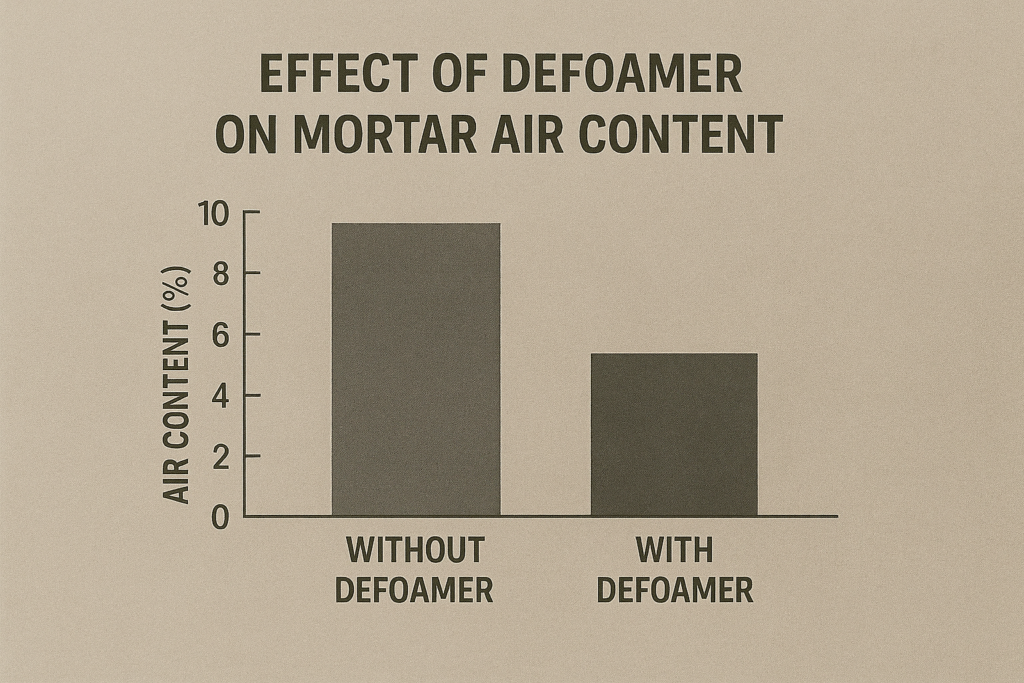
Air control represents one of the most delicate balancing acts in high-performance mortar formulation. While some entrained air improves workability and freeze-thaw resistance, excessive air content drastically reduces compressive strength and surface quality. As a supplier of mortar additives, I've helped countless manufacturers solve air entrapment problems through proper defoamer selection and dosage.
Understanding Air Formation in Mortars
Several components in high-performance mortars naturally introduce air:
-
Cellulose ethers (HPMC/HEMC): Their surface-active properties stabilize air bubbles introduced during mixing.
-
Redispersible polymers (RDP): Contain surfactants that facilitate redispersion but also stabilize foam.
-
Mechanical mixing: High-speed mixing incorporates air that becomes trapped in the viscous mortar matrix.
Defoamer Selection and Implementation Strategy
Different defoamer chemistries offer varying performance characteristics in cementitious systems:
| Defoamer Type | Chemical Base | Effectiveness | Best Applications |
|---|---|---|---|
| Mineral Oil | Hydrophobic particles in oil | Moderate | General-purpose mortars |
| Polyether Siloxane | Modified silicone compounds | High | ETICS and repair mortars |
| Polymer-Based | Hydrophobic polyethers | Moderate-High | Tile adhesives |
| Alcohol Ethoxylates | Modified fatty alcohols | Low-Moderate | Self-leveling compounds |
Proper defoamer implementation requires careful consideration of:
-
Dosage optimization: Too little defoamer fails to control air, while excessive amounts can cause water repellency and adhesion issues. I typically recommend starting at 0.05% and increasing in 0.02% increments until optimal air content is achieved.
-
Addition point: For dry-mix mortars, defoamers should be pre-absorbed onto an inert carrier like silica sand for uniform distribution. For wet-mix applications, adding defoamer to the mixing water before powder addition typically yields best results.
-
Compatibility testing: Defoamers must be tested with the specific combination of HPMC and RDP in your formula, as interactions between these components significantly impact defoaming efficiency.
When one of our clients in Vietnam was experiencing excessive air entrainment (20%+ air content) in their repair mortar, we helped them implement a polyether siloxane defoamer system that reduced air content to 7-9%, resulting in a 30% increase in compressive strength while maintaining good workability.
For self-leveling applications6 where flow properties are critical, I recommend using defoamers specifically engineered for dynamic systems where bubbles may form during both mixing and placement. These specialized products typically contain both immediate-action and delayed-action defoaming agents.
Conclusion
High-performance mortar requires careful balancing of key additives: HPMC for water retention, RDP for adhesion, fibers for toughness, and defoamers for strength. With proper formulation, you can create products that outperform competitors and solve customer challenges effectively.
-
Explore the advantages of high-performance mortar for construction projects, including strength and durability. ↩
-
Learn about HPMC's role in enhancing mortar properties and its impact on construction quality. ↩ ↩
-
Discover how redispersible polymer powder improves adhesion and flexibility in mortar applications. ↩ ↩
-
Understand how cellulose ethers improve workability and water retention in mortar mixtures. ↩
-
Explore how RDP enhances mortar performance and bond strength in construction applications. ↩ ↩
-
Explore the specific needs and solutions for self-leveling mortars. ↩