Fast-curing mortar creates a tricky problem for contractors. Without the right cellulose ether amount, your mortar either sets too quickly to work with or loses its rapid-curing advantage. This costly mistake ruins projects and wastes premium materials.
The ideal cellulose ether1 ratio for fast-curing mortar ranges from 0.05% to 0.15% of dry mix weight. This precise amount provides just enough workability time while maintaining the rapid-setting properties that make fast-curing mortars valuable for time-sensitive projects.
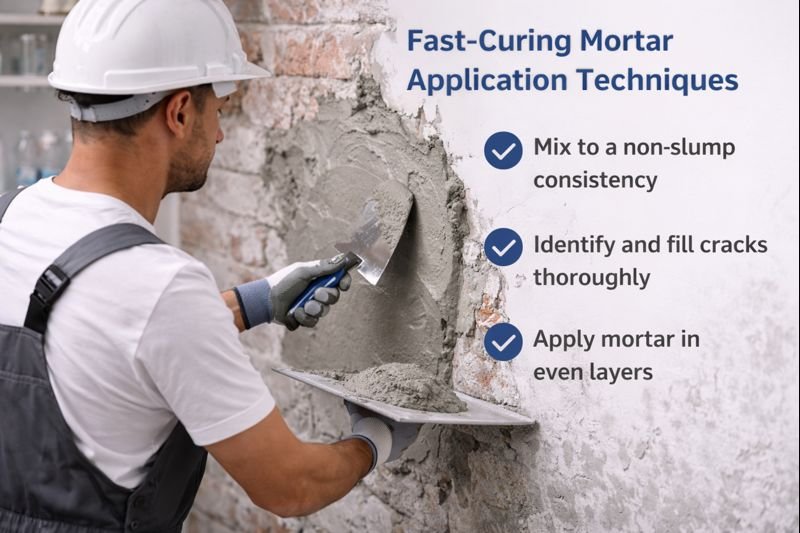
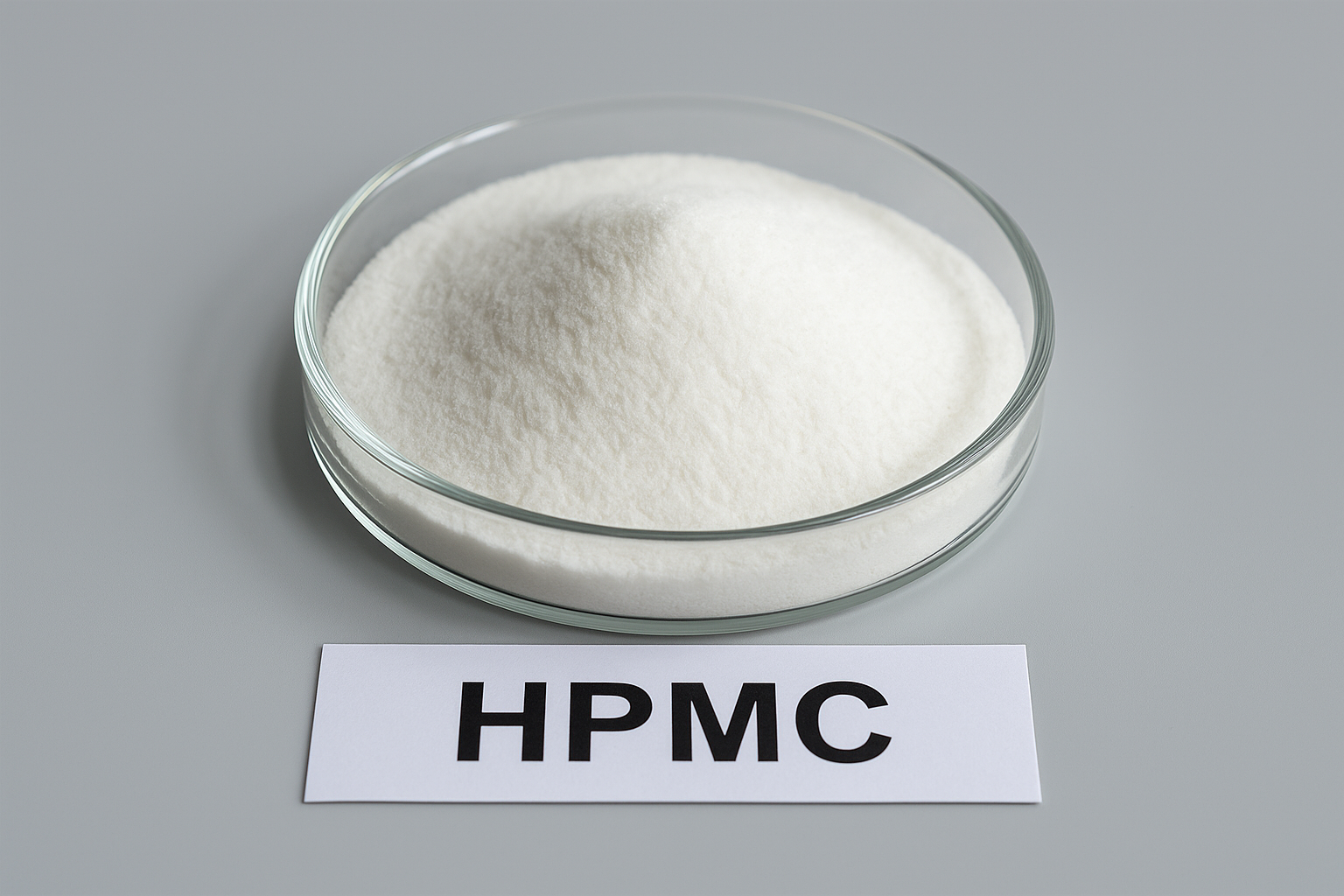
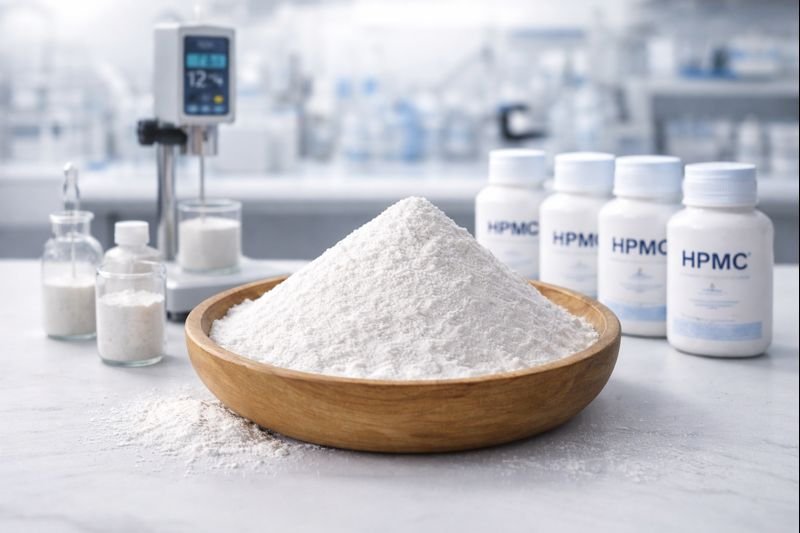
Finding this balance reminds me of taming a wild horse. Fast-curing cements (like calcium sulfoaluminate types) naturally want to set immediately, while cellulose ethers like HPMC2 act as the reins, slowing the process just enough to make it workable. Too little control, and the mortar hardens before you can properly apply it. Too much restraint, and you've essentially turned your premium fast-curing product into regular mortar.
What is the best mortar mix ratio for quick-setting applications?
Many contractors make the mistake of using standard mortar ratios with fast-setting cements. This creates unpredictable results that can ruin your carefully planned construction schedule and waste expensive materials.
The best fast-curing mortar mix typically has a cement-to-sand ratio of 1:3, with cellulose ether at 0.05-0.15%, superplasticizer at 0.3-0.5%, and minimal water addition. This formulation achieves early strength development while maintaining enough workability time for proper application.
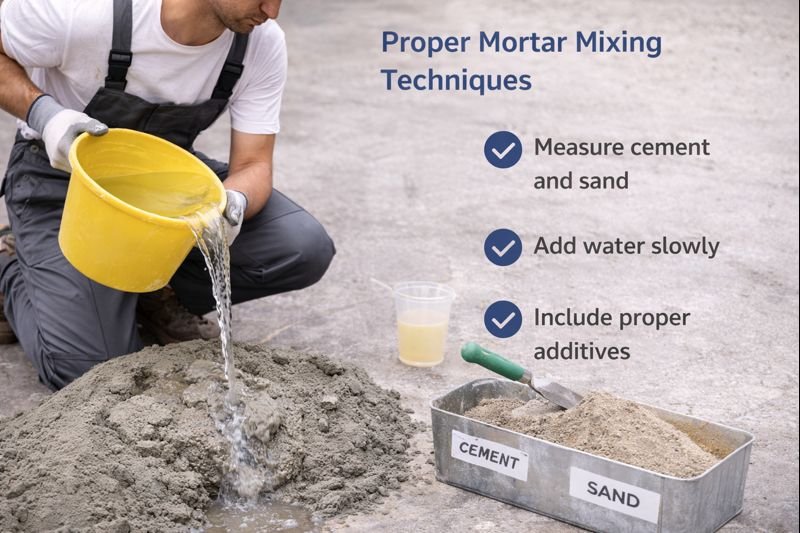
Fast-curing mortars require a completely different approach than traditional mixtures. I've learned this through years of formulation work with our customers across developing markets. The cement component in fast-setting mortars is substantially more reactive than ordinary Portland cement, creating unique challenges for maintaining workability.
For optimal results, I recommend using high-grade sand with controlled particle size distribution. The finer the sand, the more cellulose ether you'll need to maintain workability without excessive water. This relationship becomes especially critical when working with calcium sulfoaluminate or calcium aluminate cements commonly used in rapid-setting formulations.
Temperature significantly impacts the effectiveness of your cellulose ether dosage. In hot climates like Saudi Arabia or the UAE, where many of our customers operate, you'll need to slightly increase the cellulose ether ratio (closer to 0.15%) to maintain adequate open time. Conversely, in cooler environments, you can reduce the amount to avoid unnecessarily delaying the set time.
Water quality matters tremendously as well. Hard water containing high mineral content can interact with cellulose ethers, reducing their effectiveness and requiring dosage adjustments. I always recommend using clean water with known properties for consistent results.
What is the recommended consistency of mortar mix for rapid-setting applications?
Achieving the wrong consistency in fast-setting mortars leads to serious problems. Too wet, and it loses strength; too dry, and it becomes unworkable. Many contractors struggle to find this balance, especially with rapid-hardening formulations.
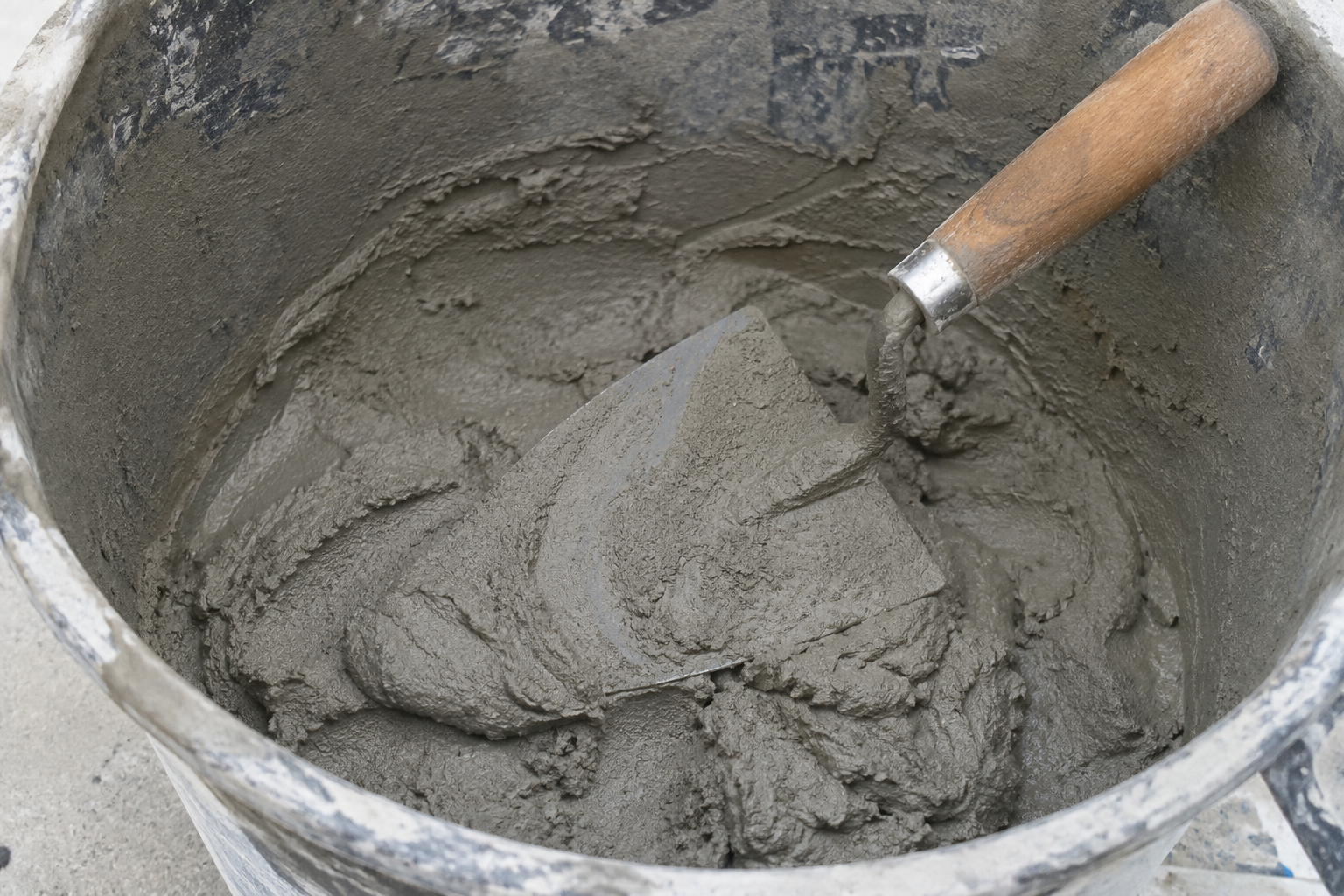
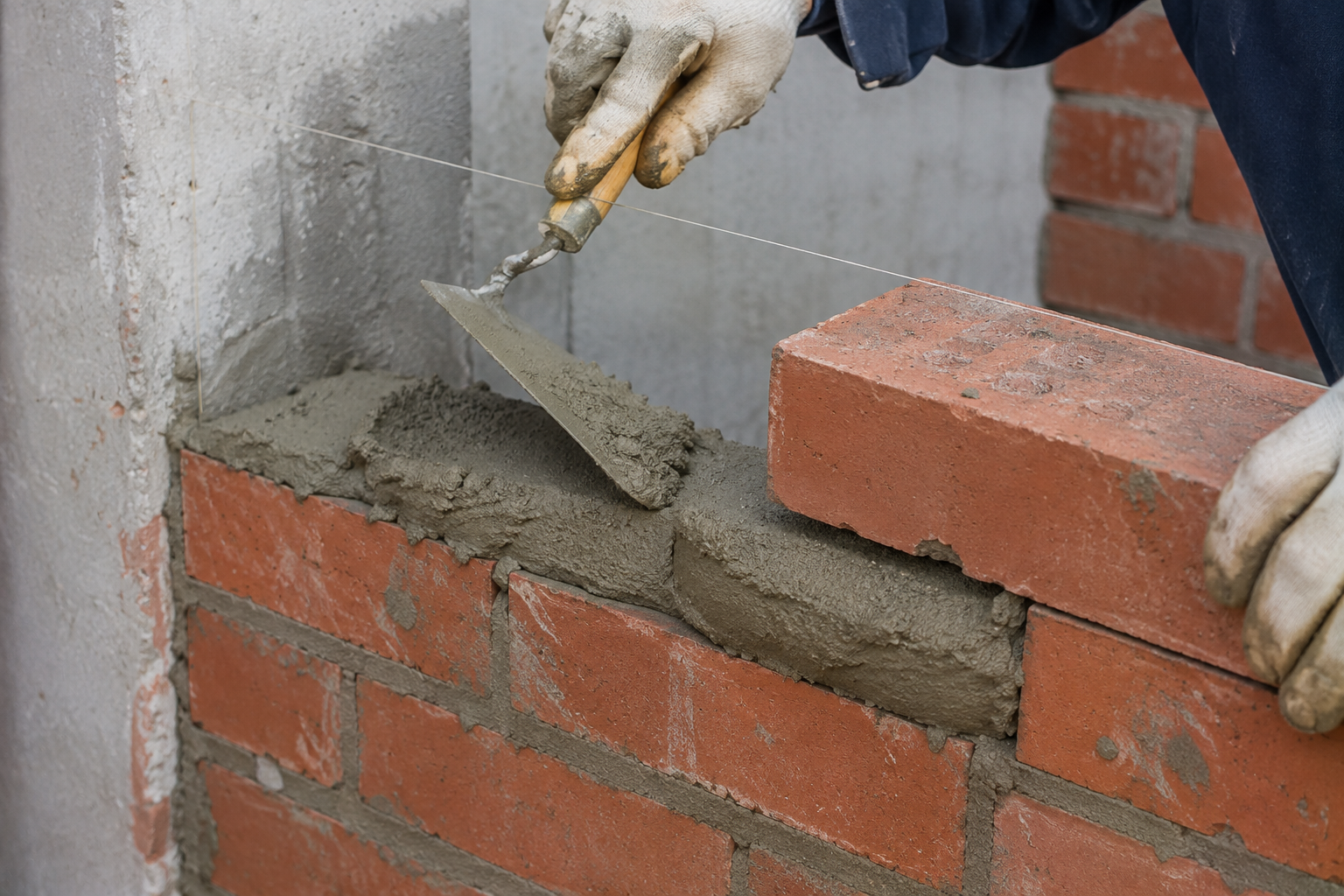
The ideal consistency for fast-curing mortar should be slightly stiffer than traditional mortar - similar to peanut butter rather than yogurt. It should form a mound when placed on a trowel without slumping, yet spread easily with moderate pressure, maintaining a 15-25mm slump value.
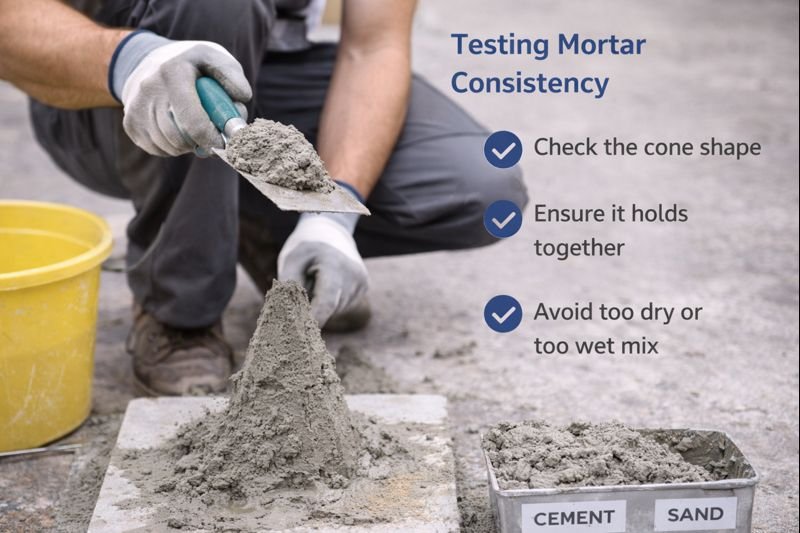
Controlling consistency becomes particularly challenging with fast-curing formulations because the working time window is so narrow. This is where the cellulose ether type becomes just as important as the amount. For rapid-setting mortars, I typically recommend using HPMC with viscosity ranges between 100,000-150,000 mPa·s at 2% concentration, which provides better water retention without excessively delaying set time.
The methoxyl content of your HPMC2 also plays a crucial role in determining how it will affect your fast-setting mortar. Higher methoxyl content (28-30%) provides better water retention but can delay setting times more significantly. For rapid-setting mortars, I've found that products with slightly lower methoxyl content (19-24%) offer a better balance, providing adequate water retention while minimizing set time delays.
Particle size of the cellulose ether also matters tremendously. Finer particles dissolve more quickly, creating immediate viscosity, while coarser grades dissolve more gradually, extending workability time. This becomes especially important when working in hot climates where rapid water evaporation compounds the challenges of fast-setting chemistry.
I've observed that incorporating a small amount (0.01-0.02%) of cellulose ether with different dissolution rates can create a "time-release" effect that helps maintain consistent workability throughout the shortened application window. This approach has helped many of our customers in places like Dubai and Riyadh achieve reliable results even during summer construction.
What ratio is ready mix mortar for rapid-setting applications?
Many contractors assume ready-mix fast-setting mortars follow standard formulations, just with different cement. This misunderstanding leads to improper material selection and application failures that require costly remediation.
Ready-mix fast-curing mortars typically contain 25-30% specialized rapid-setting cement, 65-70% graded sand, 0.05-0.15% cellulose ether (HPMC2/HEMC), 0.3-0.5% superplasticizer, and small amounts of other additives like accelerators or retarders to fine-tune setting time.
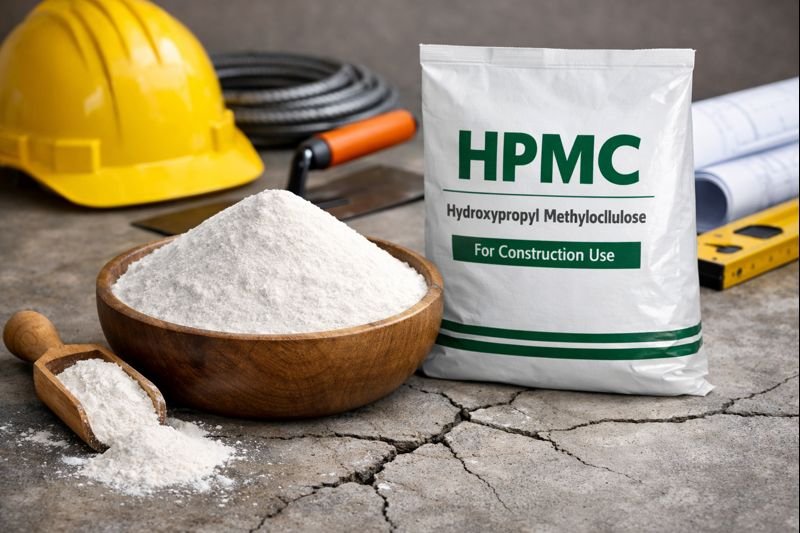
The ready-mix mortar market for rapid-setting applications has evolved significantly over the past decade. I've worked with manufacturers across Asia who are constantly refining their formulations to achieve more predictable performance across varying conditions. The key difference between standard and fast-setting ready-mix products lies not just in the cement type but in the careful balancing of the entire additive package.
Ready-mix fast-curing mortars require special attention to the type of cellulose ether used. While conventional mortars often use HPMC with higher hydroxypropyl substitution levels for better workability, fast-setting formulations benefit from HPMC grades with lower hydroxypropyl content but higher methoxyl substitution. This provides the critical water retention needed without excessively delaying the set time.
Storage conditions significantly impact the performance of ready-mix fast-setting mortars. The cellulose ether1 component is particularly sensitive to humidity, which can cause premature hydration and reduce effectiveness. I always recommend storing these products in cool, dry conditions and using them within 6-12 months of production for optimal results.
The water-to-solid ratio becomes extremely critical with ready-mix fast-setting mortars. Unlike conventional mixes where some adjustment is possible on-site, rapid-setting formulations have much narrower tolerance ranges. Typically, a water-to-solid ratio between 0.18-0.22 provides the best balance of workability and setting characteristics. Even small deviations can dramatically affect performance.
What is the strength of mortar at 3 days with optimized cellulose ether content?
Contractors often fail to understand how cellulose ether affects early strength development in fast-curing mortars. Too much additive severely compromises the early strength that makes these specialized mortars valuable in the first place.
With optimal cellulose ether ratio (0.05-0.15%), fast-curing mortars achieve 70-85% of their final compressive strength within 3 days, typically reaching 15-20 MPa. This early strength allows for quicker continuation of construction work, making these mortars ideal for time-sensitive projects.
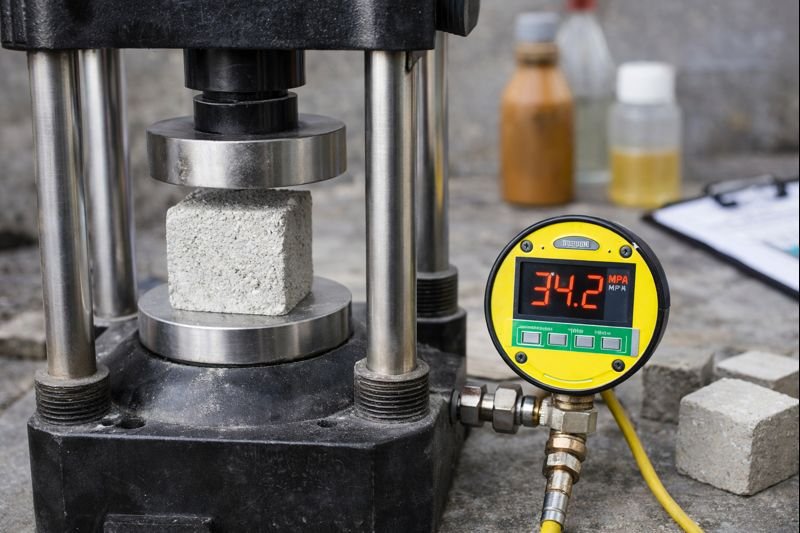
The relationship between cellulose ether1 content and early strength development follows a delicate balance that I've studied extensively with our laboratory team. While conventional wisdom suggests that any water-retaining additive will delay strength development, the reality is more complex with fast-setting systems.
In fast-curing mortars, the water retention provided by properly selected cellulose ether actually helps optimize the hydration process of special cements. Without adequate water retention, rapid-setting cements can experience "flash setting" where they harden quickly but fail to develop proper crystal structures needed for ultimate strength. This results in weaker final products despite their quick initial set.
Temperature during curing has a dramatic effect on early strength development. Our testing shows that maintaining temperatures between 20-25°C during the first 24 hours provides optimal strength development. However, this becomes challenging in extreme climates. In hot regions like the Middle East, nighttime application of fast-setting mortars can help achieve better early strength results.
The particle size distribution of cellulose ether also impacts early strength development. Finer grades dissolve more quickly and begin retaining water immediately, while coarser grades create a more gradual effect. For fast-setting mortars, a blend of particle sizes often provides optimal performance - the finer particles control initial water retention while coarser particles ensure continued water availability through the critical early hydration period.
I've found that hydroxypropyl methylcellulose (HPMC) with viscosity around 100,000 mPa·s strikes the ideal balance for most fast-setting applications. This viscosity range provides sufficient water retention to prevent flash setting while minimizing delays to strength development. Too high viscosity (>200,000 mPa·s) typically delays strength development excessively, while too low viscosity (<50,000 mPa·s) fails to adequately prevent water loss.
Conclusion
Fast-curing mortar requires precision balancing of cellulose ether (0.05-0.15%) to maintain workability without sacrificing rapid setting. This delicate balance enables contractors to achieve 70-85% strength within three days while still having enough time to properly apply the material.