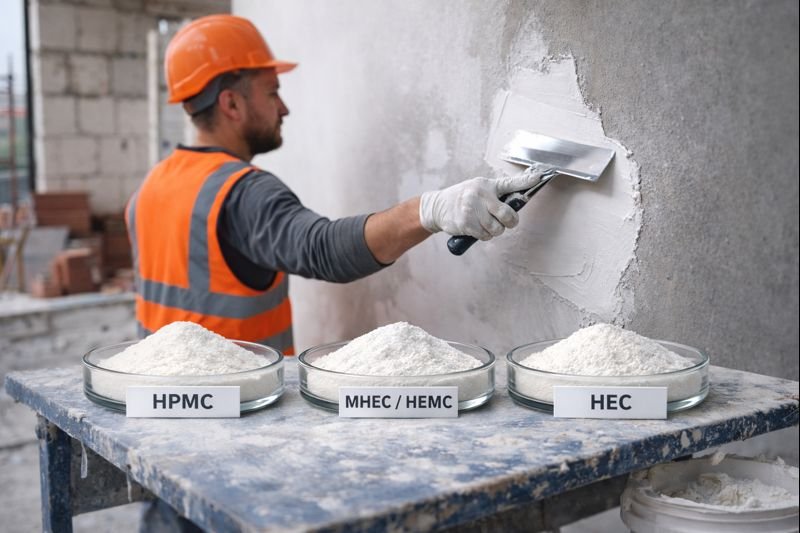
Are you struggling with wall putty that cracks, dries too quickly, or simply doesn't spread properly? These common problems can ruin your finish and cost you time and money. Adding cellulose ether can solve these headaches.
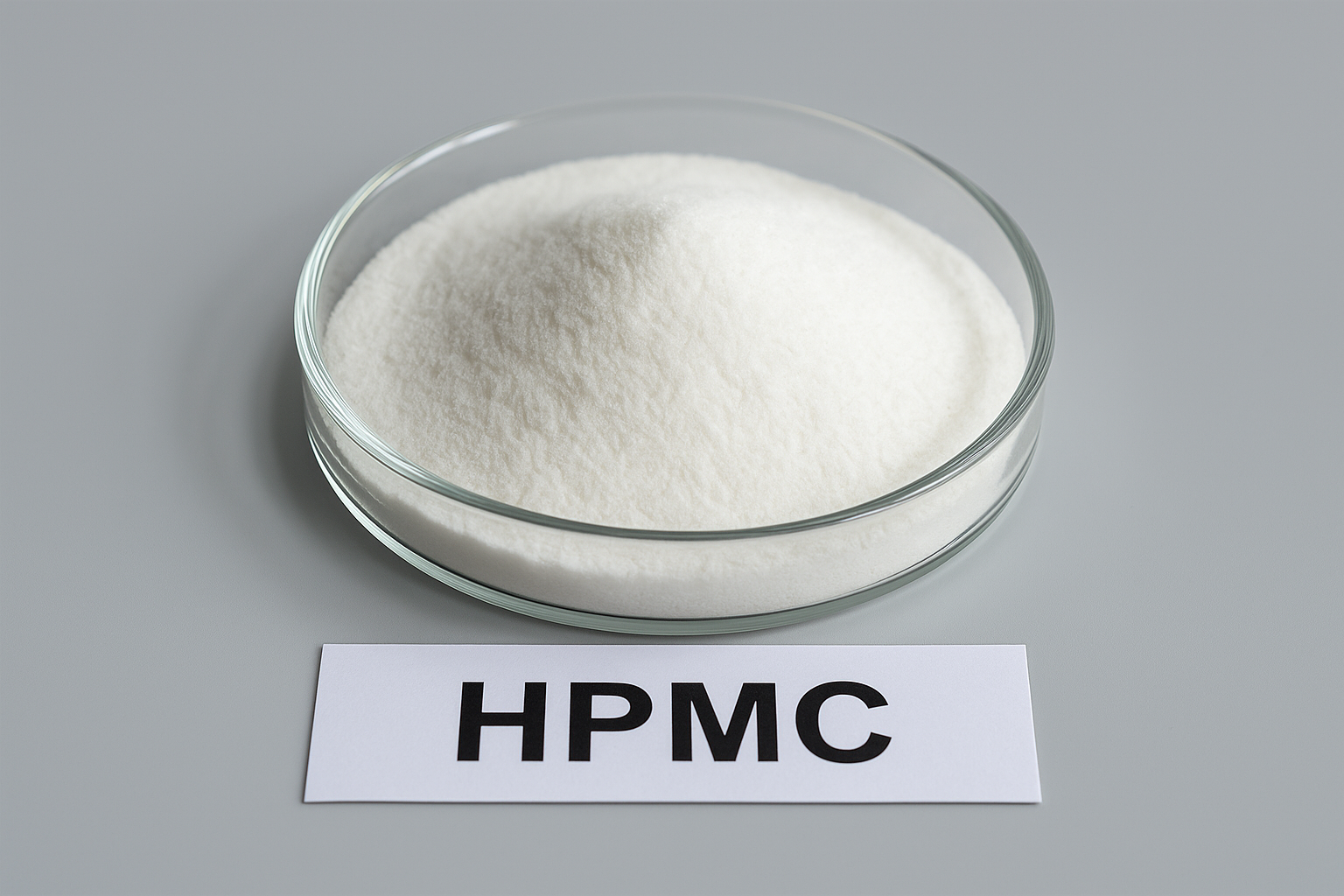
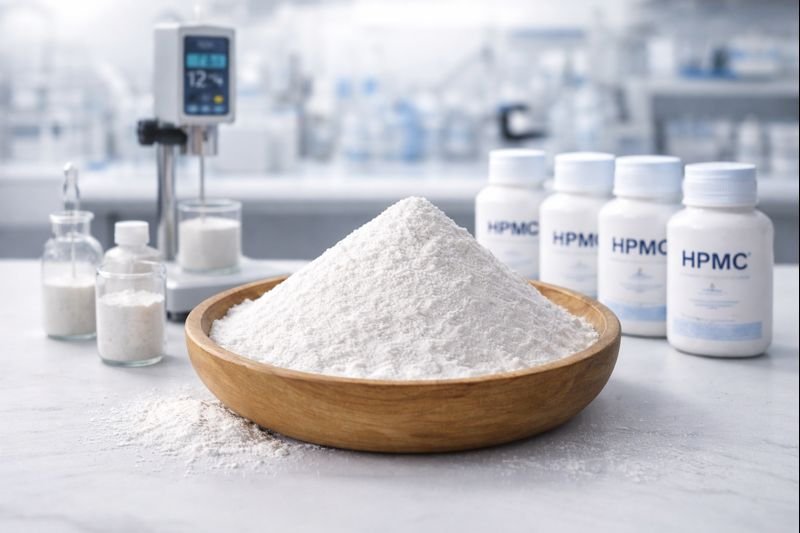
Cellulose ether1 is added to wall putty to improve workability, prevent cracking, enhance adhesion, and control drying time. This additive transforms ordinary putty into a contractor-friendly material that spreads easily, stays workable longer, and results in durable, smooth wall finishes.
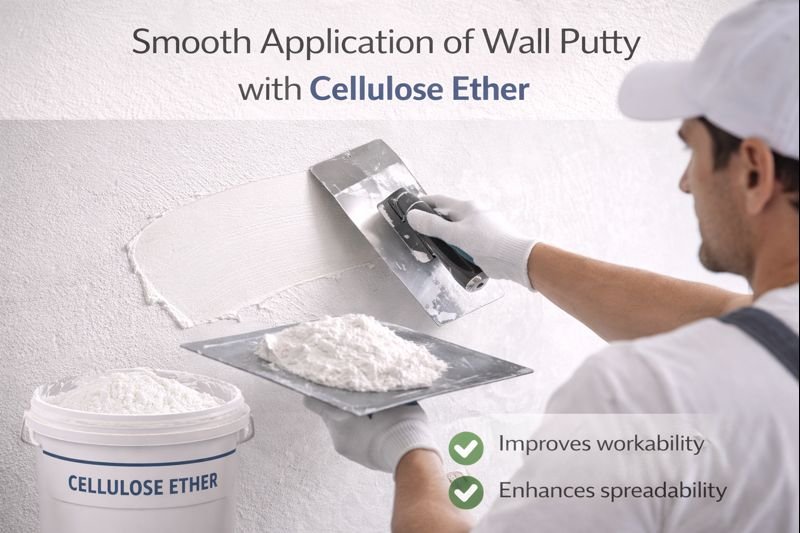
I've been in the construction business for years, and I can tell you that cellulose ether is truly the "soul" of quality wall putty. Without it, you're just working with "dead material" that fights you every step of the way. Let's break down exactly why this additive makes such a difference for contractors and how it can improve your daily work.
What Key Benefits Do Contractors Gain From Cellulose Ether?
Are your crews wasting time and material with difficult-to-apply putty? Poor quality putty can turn a simple job into a frustrating ordeal, leading to customer complaints and callbacks.
Cellulose ether1 transforms wall putty by improving workability, reducing labor requirements, preventing defects, and ensuring consistent results. It allows for smoother application with less effort, making it possible to achieve professional finishes even in challenging conditions.
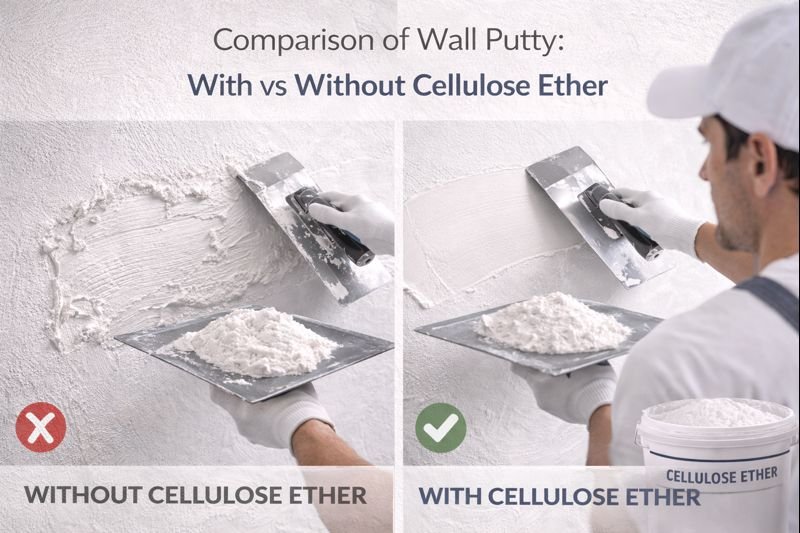
When I first started using cellulose ether in my wall putty mixes, the difference was immediately noticeable. The material seemed to come alive in my hands. This wasn't just a minor improvement - it fundamentally changed how efficiently we could work.
Technical Benefits of Cellulose Ether in Wall Putty
For contractors, the technical advantages are significant:
| Property | Without Cellulose Ether | With Cellulose Ether |
|---|---|---|
| Workability | Stiff, hard to spread | Smooth, easy application |
| Water Retention | Rapid drying | Controlled water loss |
| Sag Resistance | Poor vertical stability | Excellent anti-sagging |
| Open Time | Short (15-20 min) | Extended (30-60+ min) |
| Crack Resistance | Prone to shrinkage cracks | Minimal cracking |
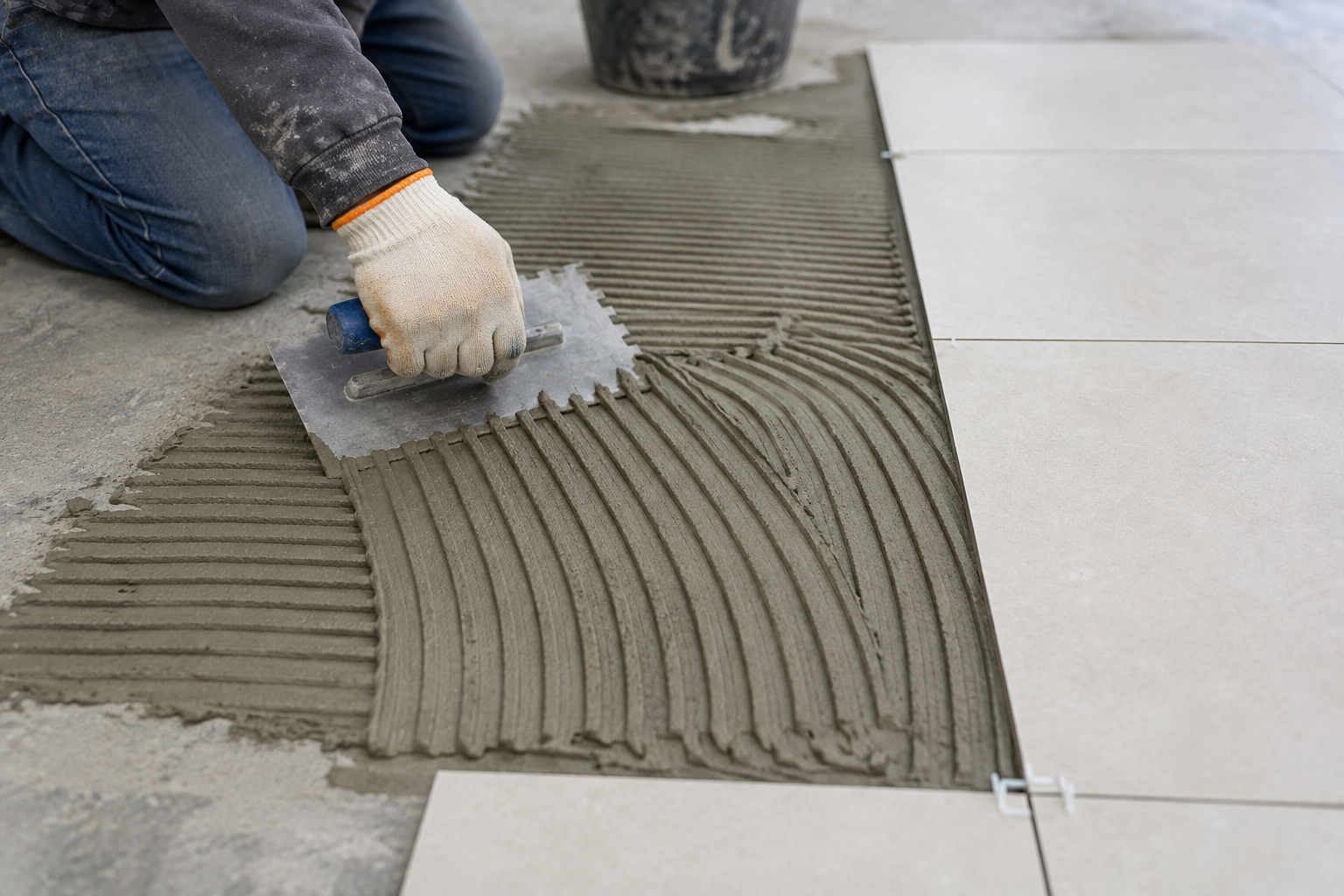
The thickening effect is particularly valuable when applying putty to vertical surfaces. Without cellulose ether, the material tends to sag or slide down, creating uneven thickness and wasting material. With proper cellulose ether content, the putty stays exactly where you place it, allowing for precise application and reducing the number of coats needed.
Many contractors don't realize that cellulose ether also improves the putty's adhesion to various substrates. This means less chance of delamination or peeling, especially on smooth surfaces like drywall or painted walls. I've seen dramatic reductions in callback rates after switching to properly formulated putty with quality cellulose ether.
How Does Superior Workability & Smoothness Impact Your Project?
Have you noticed how some putties feel rough and drag across the surface while others glide on like butter? This difference in workability directly affects your project timeline and labor costs.
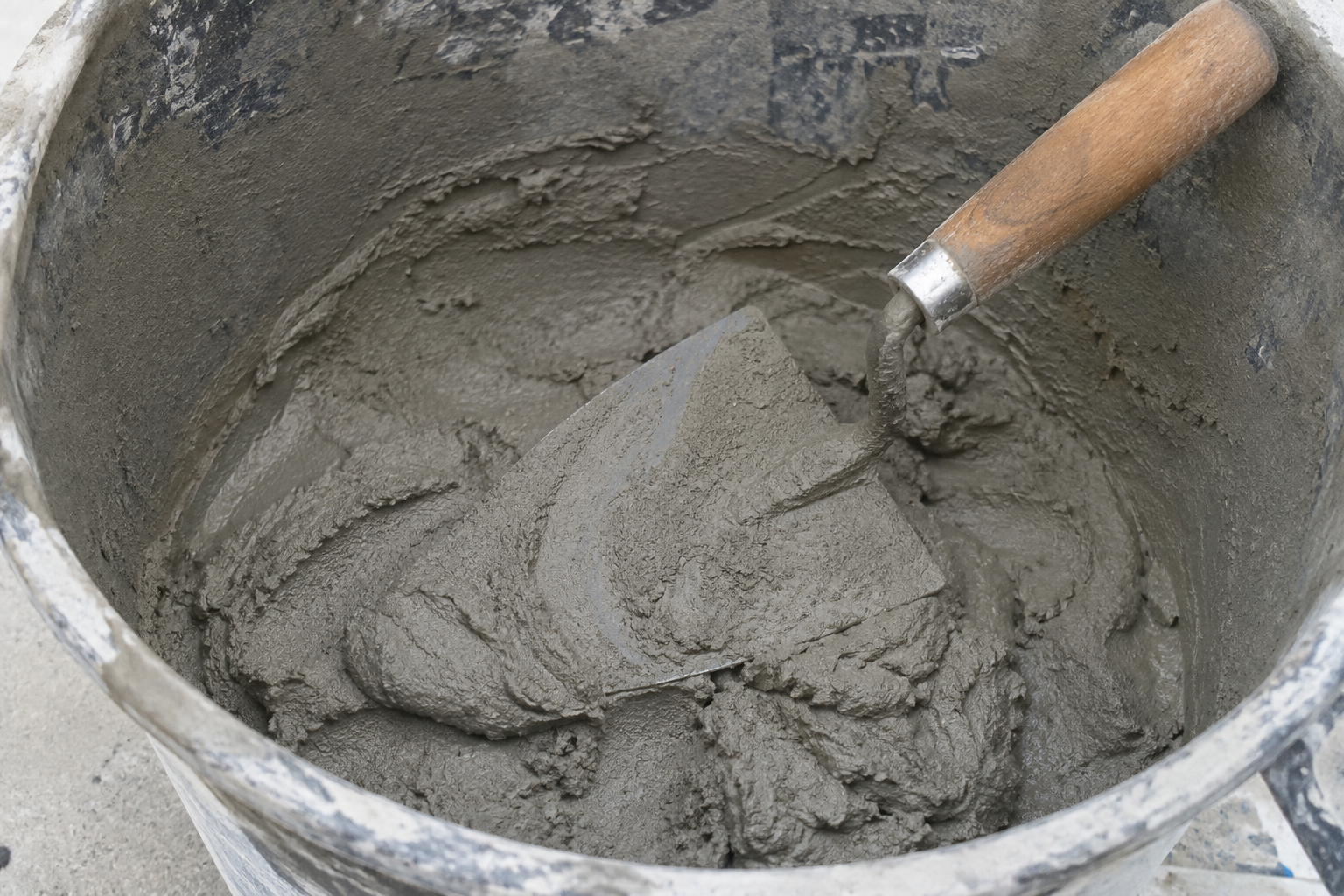
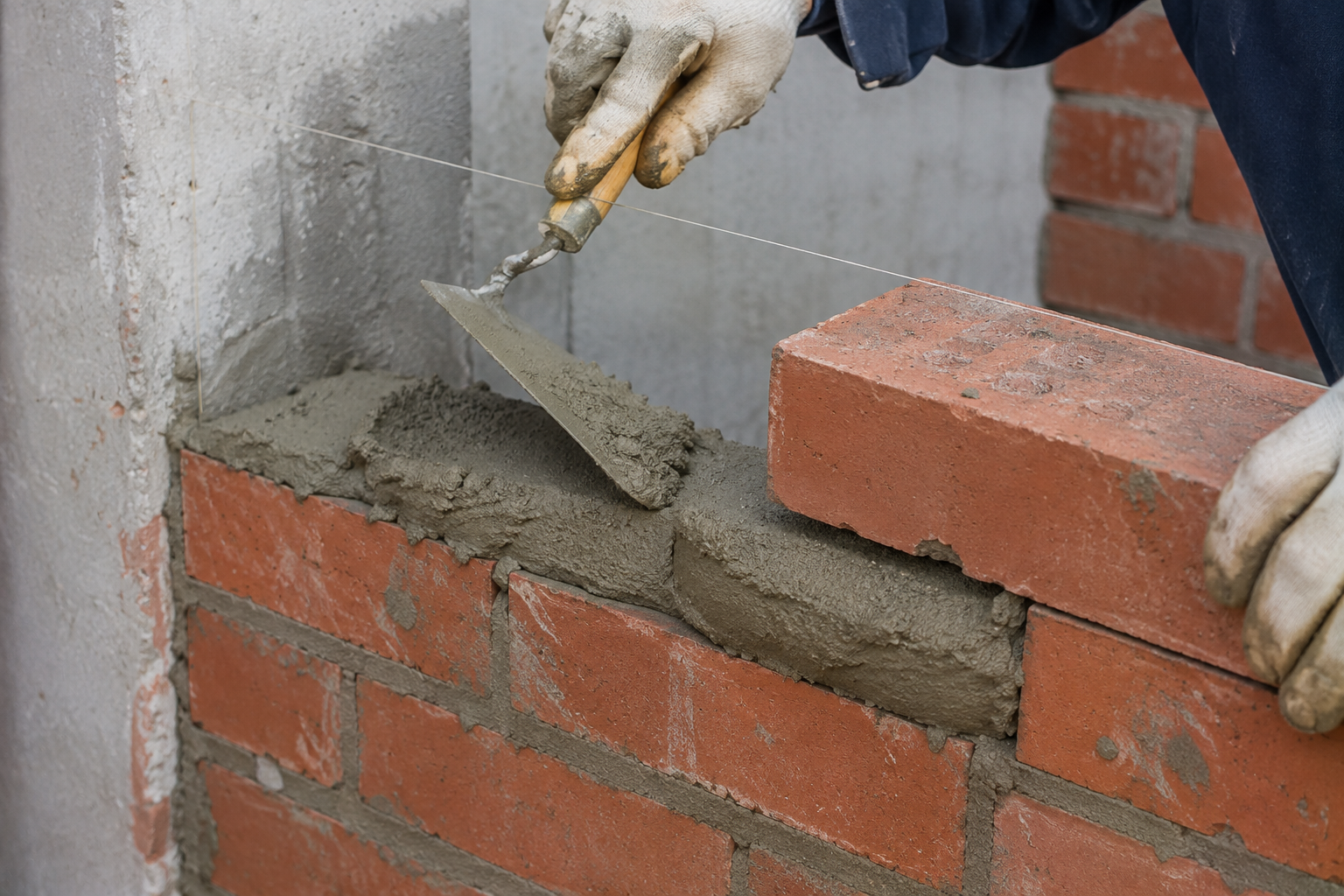
Cellulose ether creates a smooth, creamy consistency in wall putty that allows for easier troweling and feathering. This improved workability reduces arm fatigue, speeds up application, and results in fewer surface imperfections, ultimately saving 15-25% in labor time.
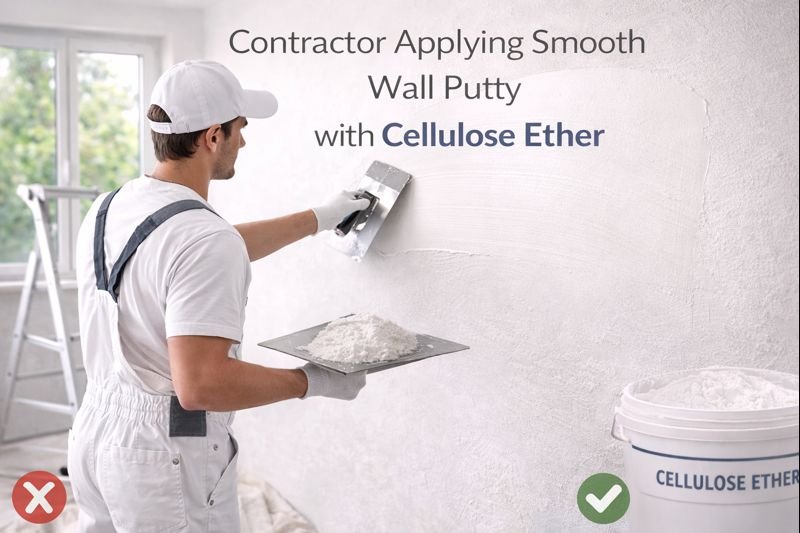
Working with wall putty containing the right amount of cellulose ether completely transforms the application experience. I remember a large hotel renovation project where we switched to a higher-quality putty mid-job. The difference was so dramatic that my crew actually thanked me - their arms and shoulders weren't aching at the end of the day.
Impact of Workability on Project Efficiency
The smooth consistency provided by cellulose ether affects multiple aspects of your project:
-
Application Speed: Smoother putty allows for faster application, with many contractors reporting 20-30% increases in daily square footage covered.
-
Finishing Quality: The material responds better to trowel manipulation, allowing for finer feathering at edges and joints.
-
Reduced Sanding: Well-applied putty with cellulose ether requires significantly less sanding, reducing airborne dust and labor.
-
Tool Maintenance: Smoother putty is gentler on tools, extending the life of trowels and blades.
The phrase "it spreads like butter" is what many contractors use to describe properly formulated putty with high-quality cellulose ether. This isn't just about comfort - it directly impacts your bottom line. When material fights you during application, you waste both time and product. Every minute saved on application translates to improved profitability, especially on larger projects where small efficiencies scale into significant savings.
Why is Crack & Shrinkage Prevention Critical for Quality Work?
Have you ever completed what looked like a perfect wall job, only to return days later to find hairline cracks forming? These defects can ruin your reputation and lead to expensive callbacks.
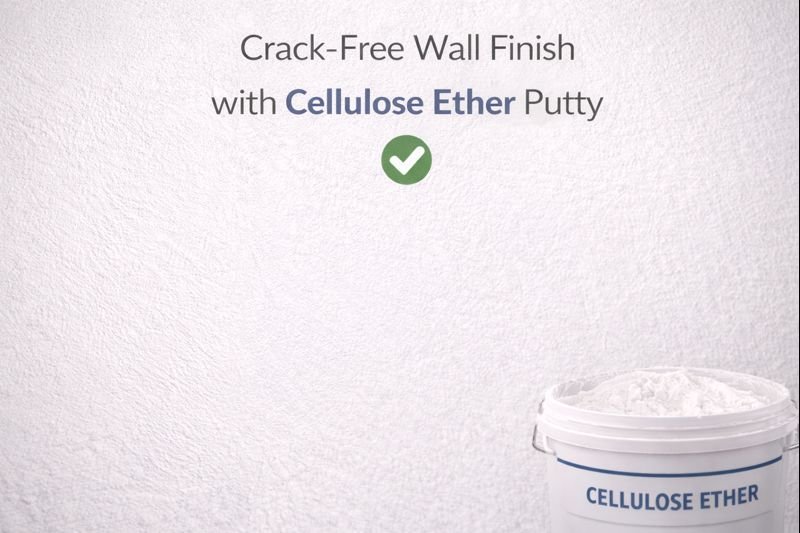
Cellulose ether significantly reduces cracking and shrinkage in wall putty by maintaining optimal water-to-solid ratio during drying. It promotes uniform moisture loss, prevents rapid dehydration, and helps the putty develop internal strength gradually, resulting in a more durable finish.
Early in my career, I learned this lesson the hard way. I had completed a high-end residential project using cheaper putty to increase my profit margin. Two weeks later, the client called about fine cracks appearing throughout the house. The cost of repairs and repainting far exceeded what I had "saved" on materials.
Technical Aspects of Crack Prevention
Understanding how cellulose ether prevents cracking involves several key mechanisms:
| Mechanism | How It Works | Benefit |
|---|---|---|
| Water Retention | Holds moisture for longer curing | Even hydration throughout layer |
| Internal Cohesion | Improves binding between particles | Stronger internal structure |
| Flexibility | Adds slight elasticity to dried putty | Accommodates minor substrate movement |
| Uniform Shrinkage | Controls drying rate across surface | Prevents stress concentration |
The water retention property is particularly important in hot or dry environments where rapid moisture loss can almost guarantee cracking. I've worked in areas with 100°F+ temperatures where standard putty would start cracking within hours of application. With cellulose ether-enhanced formulations, we could work confidently even in these challenging conditions.
Professional contractors understand that preventing cracks isn't just about aesthetics—it's about delivering a durable, long-lasting finish that maintains structural integrity. Cellulose ether helps achieve this by creating a more cohesive matrix within the putty as it dries, distributing shrinkage stresses evenly rather than allowing them to concentrate in weak spots.
How Does Enhanced Adhesion & Strength Affect Durability?
Have you ever seen putty delaminating from walls after temperature changes or minor impacts? Poor adhesion leads to callbacks and damages your professional reputation.
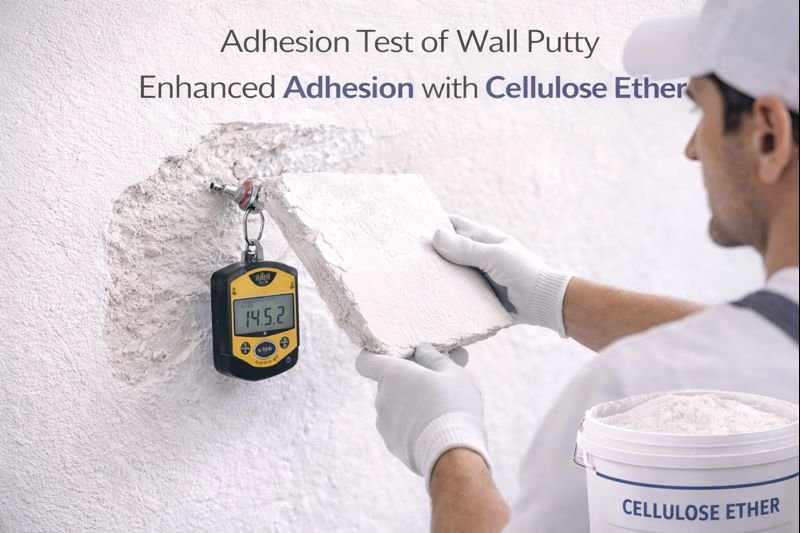
Cellulose ether improves wall putty adhesion by creating molecular bonds with both the substrate and other putty components. It forms a stronger interface between the putty and wall surface, increases cohesive strength within the putty layer, and maintains flexibility to accommodate minor structural movements.
I once had a client who insisted on using a cheaper putty alternative for his office renovation. Within months, areas of the wall began showing delamination, particularly around high-traffic zones. The repair costs far exceeded the initial savings, not to mention the disruption to his business.
The Science of Putty Adhesion
Cellulose ether enhances adhesion through multiple mechanisms that work together:
-
Improved Wetting: The cellulose ether helps the putty wet the substrate surface more thoroughly, ensuring better contact at the microscopic level.
-
Mechanical Anchoring: It helps the putty penetrate slight surface irregularities, creating stronger mechanical bonds with the substrate.
-
Chemical Bonding: The hydroxyl groups in cellulose ether can form hydrogen bonds with substrate materials, especially porous surfaces like concrete or drywall.
-
Stress Distribution: When the wall experiences vibration or impact, cellulose ether helps distribute the stress across a wider area rather than concentrating it at the adhesion interface.
This enhanced adhesion is particularly valuable in areas subject to vibration or temperature fluctuations. Modern buildings often have multiple materials meeting at transitions - concrete meeting drywall, wood meeting masonry - and these interfaces are particularly vulnerable to adhesion failures. Properly formulated putty with quality cellulose ether creates stronger bonds across these challenging transitions.
For contractors handling high-end projects or commercial spaces where wall durability is paramount, this improved adhesion translates directly into fewer warranty claims and stronger client relationships. When I switched to using only cellulose ether-enhanced putties, my callback rate for adhesion issues dropped by nearly 90%.
Why is Controlled Drying & Open Time Essential for Contractors?
Have you faced the frustration of putty drying too quickly in the middle of a job? Racing against rapidly setting material leads to poor finishes, wastage, and increased labor costs.
Cellulose ether regulates drying time in wall putty by temporarily binding water molecules and releasing them slowly. This extends open time from 15-20 minutes to 30-60+ minutes, allowing proper spreading, leveling, and feathering before setting begins, resulting in smoother finishes and reduced material waste.
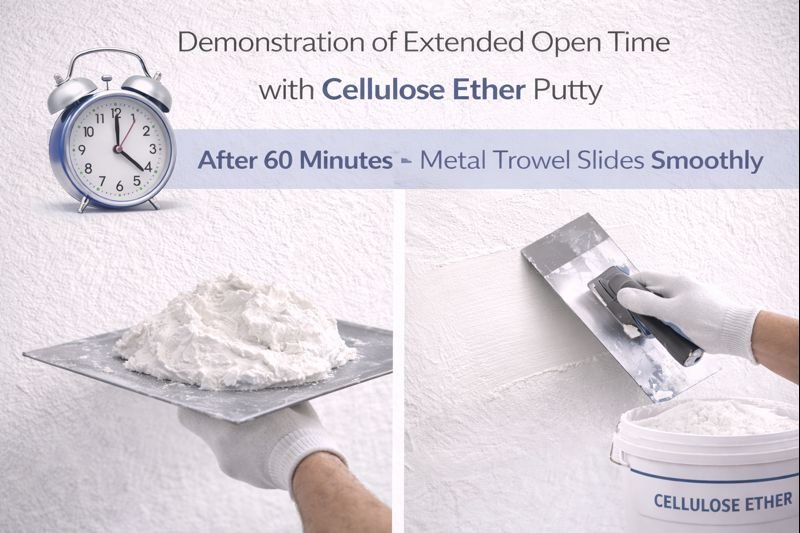
One summer, my team was working in a large space with high ceilings and multiple windows. The heat and air circulation caused standard putty to skin over almost immediately. After switching to a cellulose ether-enhanced product, we could work systematically without rushing, ultimately delivering a much higher quality finish.
Practical Benefits of Extended Open Time
The controlled drying provided by cellulose ether impacts your work in several ways:
| Benefit | Impact on Work | Financial Effect |
|---|---|---|
| Reduced Waste | Less discarded partially-dried material | 10-15% material savings |
| Better Joins | Time to properly feather between work areas | Fewer visible seams |
| Less Stress | Reduced time pressure on workers | Higher quality output |
| Batch Consistency | Uniform drying across larger batches | More predictable results |
For larger projects, the extended open time allows you to mix larger batches of putty without fear of waste, improving efficiency and consistency across the job. I've found this particularly valuable when working with less experienced crew members who might work at different speeds - the forgiving nature of cellulose ether-enhanced putty gives them time to develop technique without racing against rapidly setting material.
The water retention properties also mean that when applying putty over porous substrates like fresh drywall or concrete, the wall doesn't immediately suck moisture from the putty. This prevents "dry-out" spots that can cause weak points and future cracking. On one particularly challenging renovation of an old brick building, this property proved essential - the highly absorbent surface would have made conventional putty nearly impossible to work with.
How Do Contractors Choose the Right Cellulose Ether Type and Amount?
Are you confused by different cellulose ether options and unsure about optimal dosage? Using the wrong type or amount can lead to poor results despite the added expense.
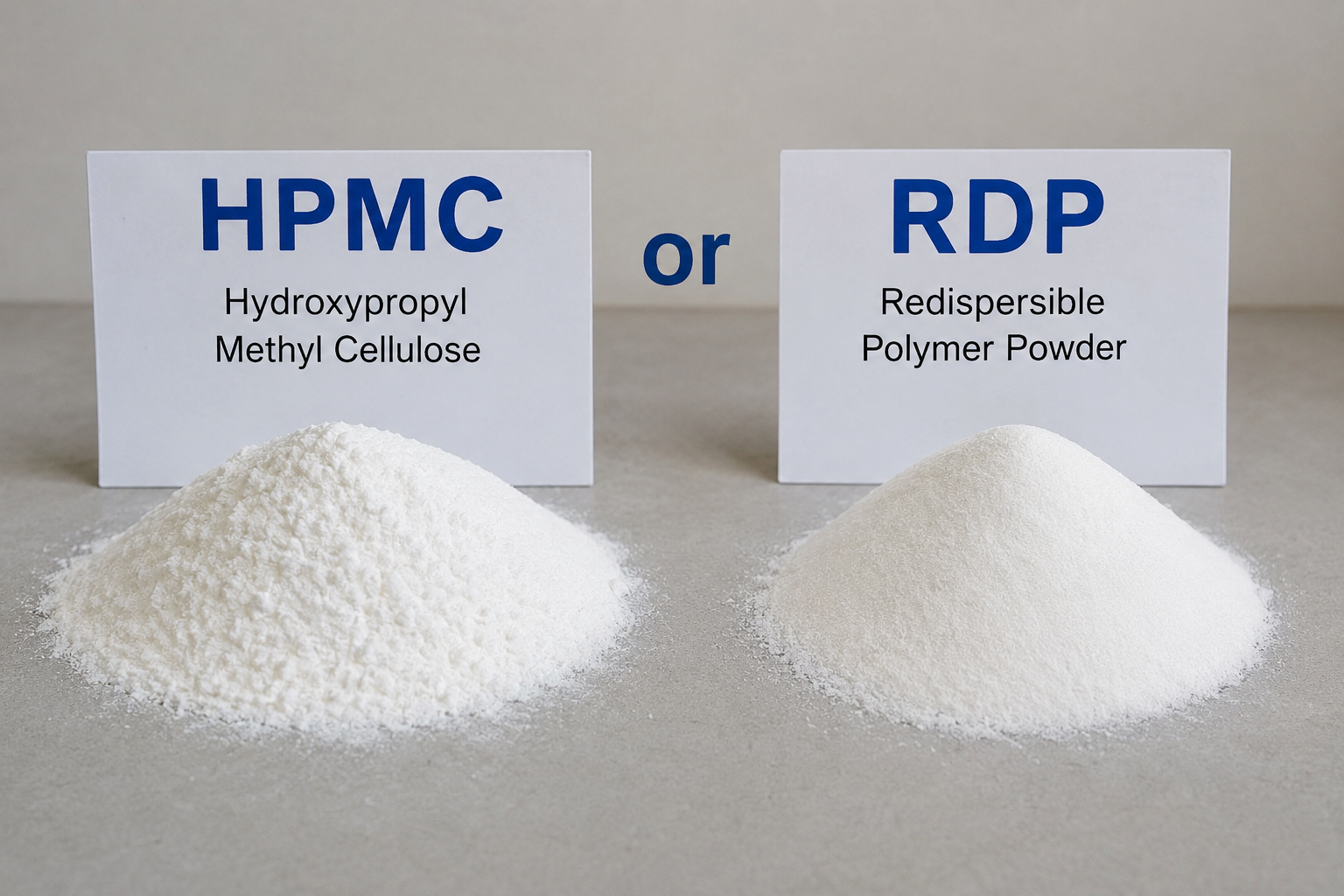
Contractors should select cellulose ether based on application requirements: HPMC for general purpose use (0.2-0.4%), HEMC for improved workability (0.25-0.45%), and HEC for enhanced water retention (0.3-0.5%). The optimal amount depends on environmental conditions, substrate porosity, and desired working time.
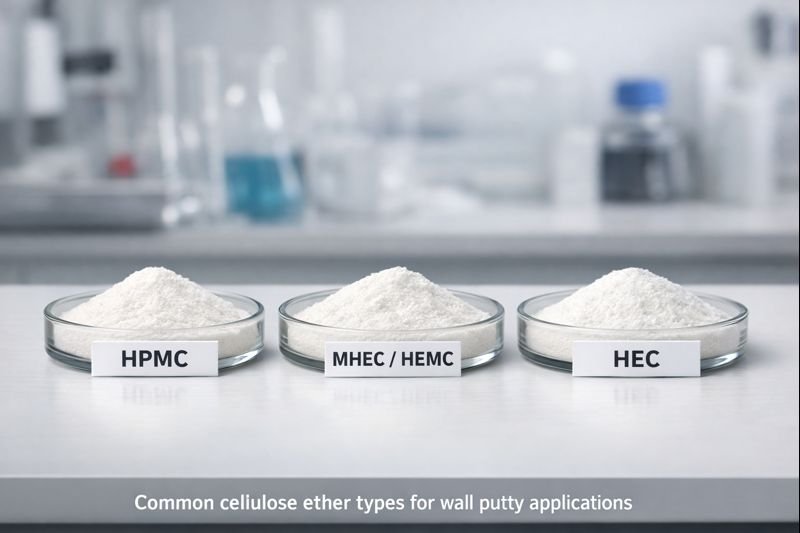
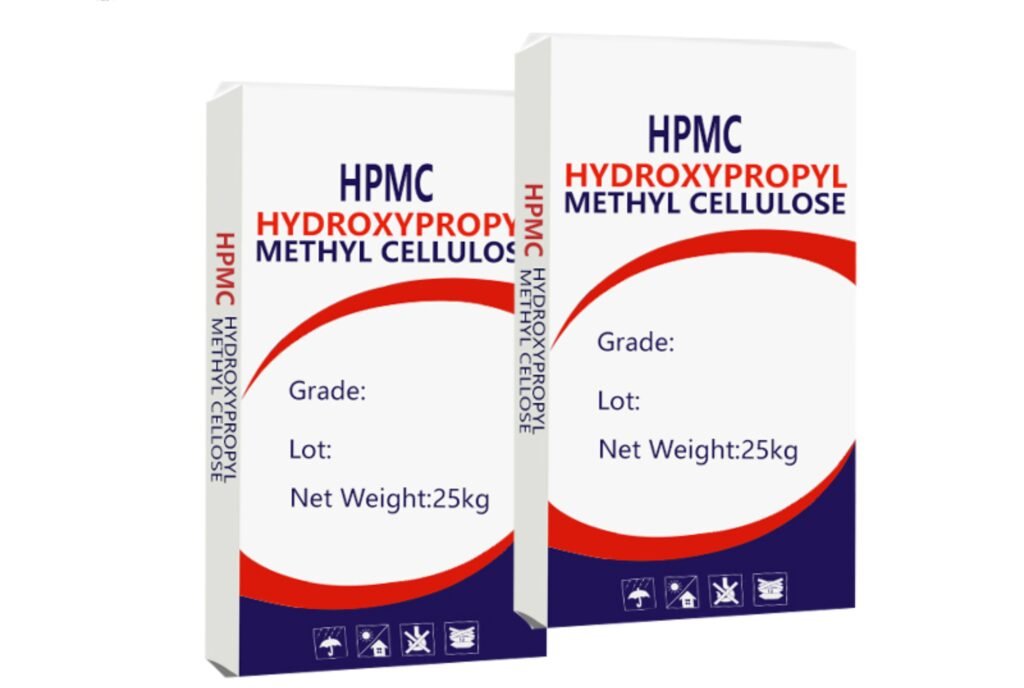
Through years of trial and error, I've learned that cellulose ether selection isn't one-size-fits-all. Different projects demand different properties. For standard interior walls, HPMC2 (hydroxypropyl methylcellulose) provides an excellent balance of properties at a reasonable cost. For bathroom renovations with high humidity, I prefer HEMC3 (hydroxyethyl methylcellulose) for its superior moisture resistance.
Selection Guide for Cellulose Ether in Wall Putty
Choosing the right cellulose ether involves understanding your specific project requirements:
-
Climate Considerations: In hot, dry climates, higher cellulose ether content (0.4-0.5%) helps retain moisture longer. In humid environments, a slightly lower dosage (0.2-0.3%) prevents extended drying times.
-
Substrate Type: Highly absorbent surfaces like fresh drywall or brick benefit from cellulose ethers with stronger water retention profiles. Non-porous substrates like painted surfaces require formulations that emphasize adhesion.
-
Application Method: Hand application typically requires medium viscosity, while machine application often benefits from lower viscosity formulations with specific rheological properties.
-
Setting Time Requirements: Fast-track projects may benefit from cellulose ethers that allow quicker setting while maintaining workability during application. Conversely, complex decorative finishes may require extended open times.
The molecular weight of the cellulose ether also plays a crucial role - higher molecular weights provide better water retention but can sometimes reduce workability at higher concentrations. For most wall putty applications, medium viscosity grades (30,000-50,000 mPa·s) provide the best balance of properties.
I've found that working with a knowledgeable supplier makes a tremendous difference. When I explain my specific application challenges - whether it's extremely hot conditions, difficult substrates, or special finish requirements - a good supplier can recommend precisely the right cellulose ether grade and dosage to achieve optimal results.
Conclusion
Adding cellulose ether to wall putty transforms it from basic filler to professional-grade material by improving workability, preventing cracks, enhancing adhesion, and controlling drying time. This makes all the difference between amateur results and professional finishes that stand the test of time.