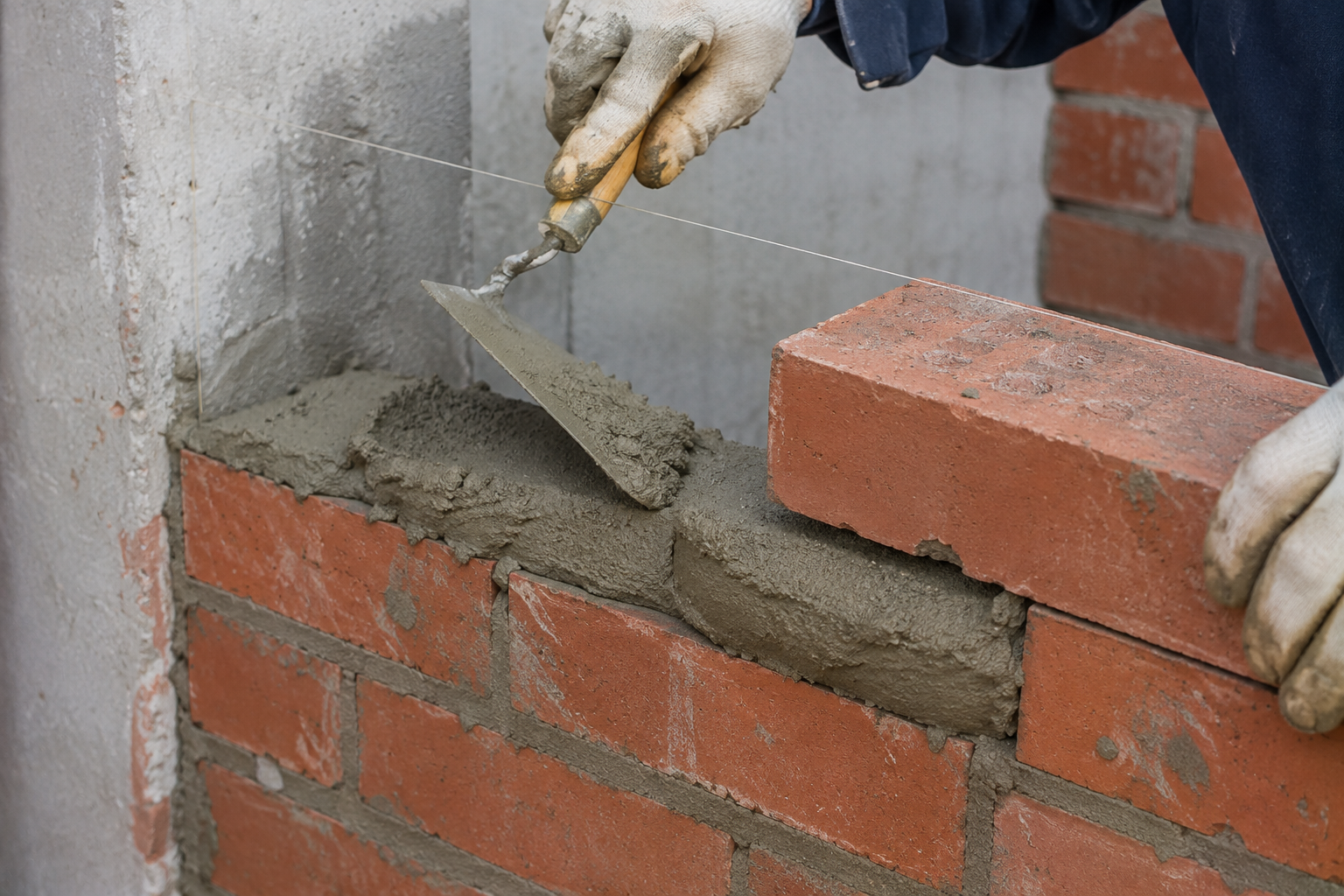
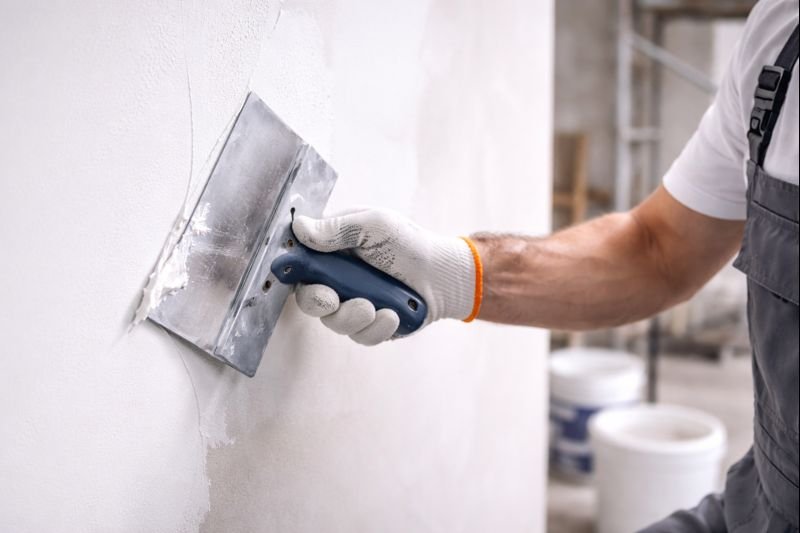
Cracked wall putty can ruin your entire project, wasting both time and money. As a factory owner with decades in the HPMC industry, I see countless customers chasing the "perfect ratio" when the real solution lies elsewhere.
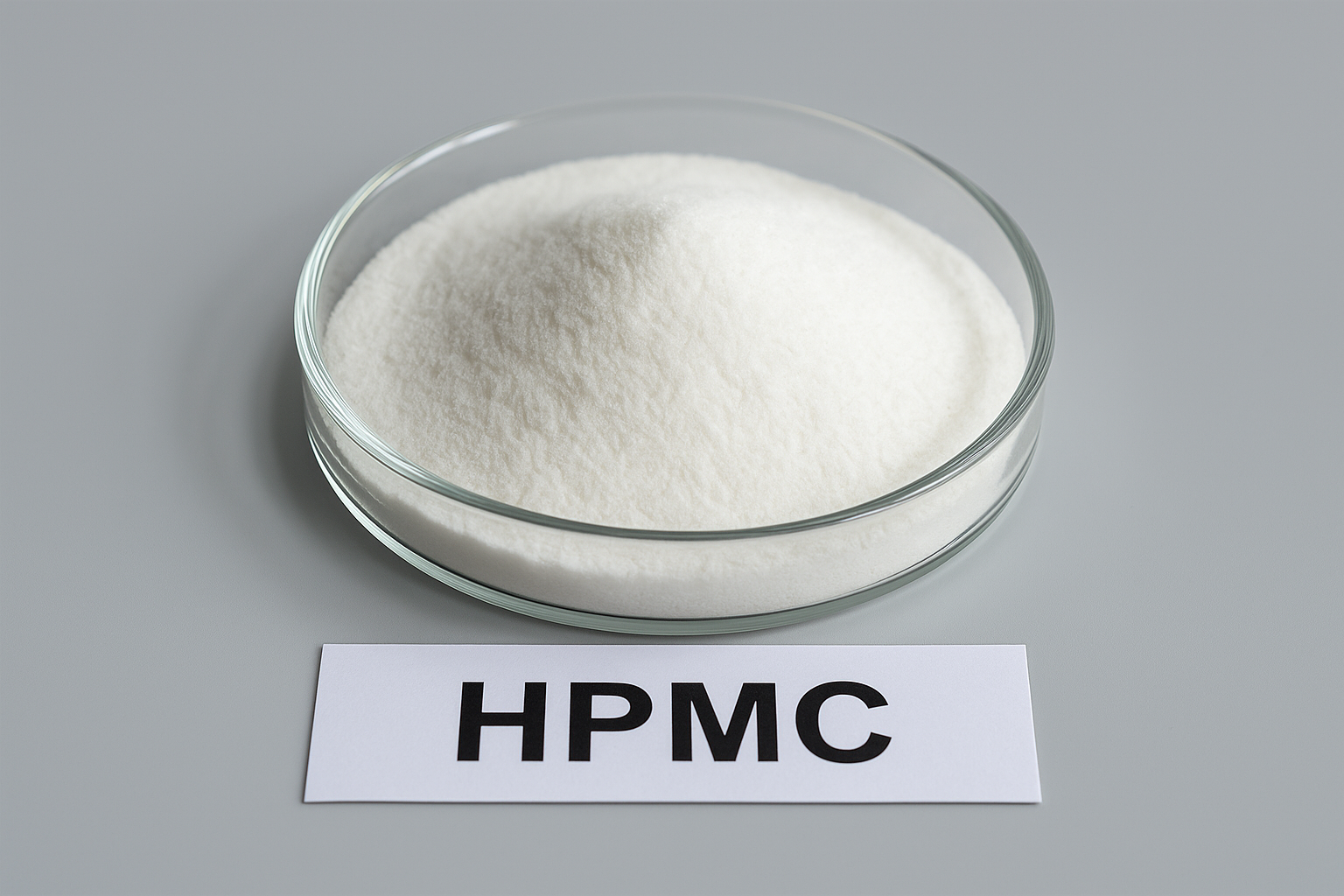
The ideal HPMC1 ratio for crack-resistant wall putty2 typically ranges from 0.25% to 0.4% (2.5-4kg per ton of finished product). However, crack resistance depends more on the HPMC1's water retention capacity than the quantity used, ensuring cement properly hydrates before water evaporates or gets absorbed by the wall.
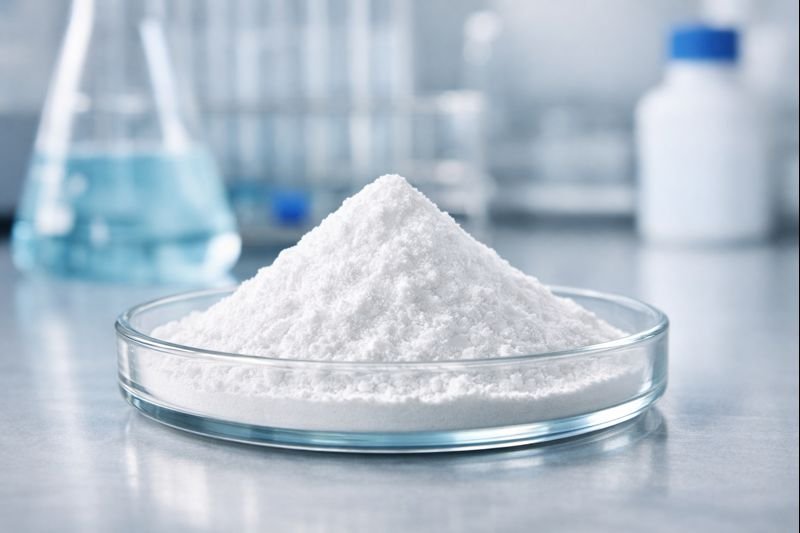
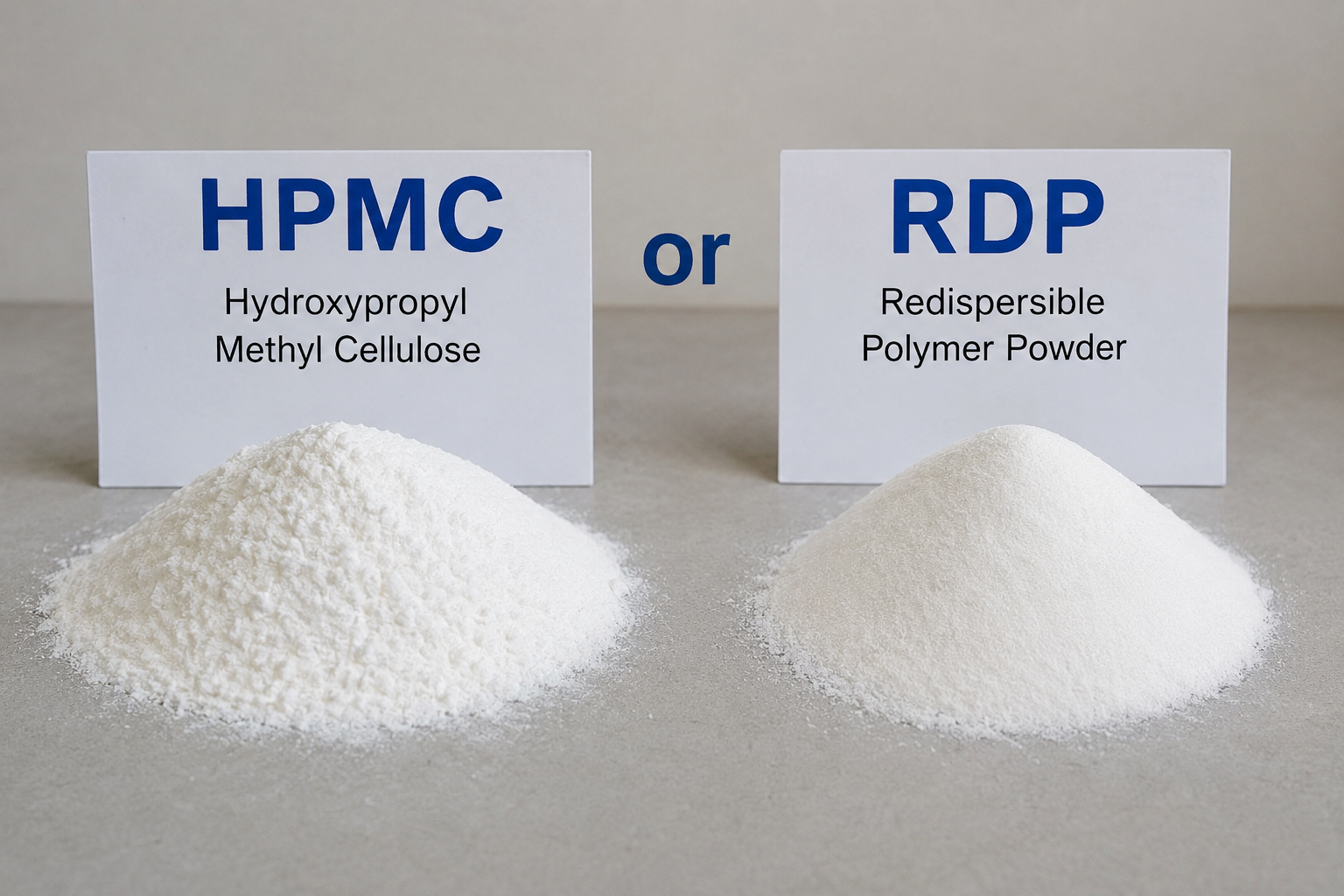
I've visited hundreds of construction sites across developing markets from Saudi Arabia to Vietnam, and the same questions keep coming up. Contractors often believe adding more HPMC will solve cracking issues, but that's only part of the story. The real magic happens when you understand how HPMC works together with redispersible polymer powder3 (RDP) to create truly superior putty.
What is the Mixing Ratio for Wall Putty?
Many contractors struggle with inconsistent wall putty performance, leading to callbacks and damaged reputation. Getting your mixing ratio right can mean the difference between a smooth finish and a cracking nightmare.
The standard mixing ratio for quality wall putty includes 0.25-0.4% HPMC (typically 100,000 viscosity grade), 1-3% redispersible polymer powder3, 30-40% cement, and the remainder consisting of calcium carbonate and other fillers. Each component plays a crucial role in the final performance.
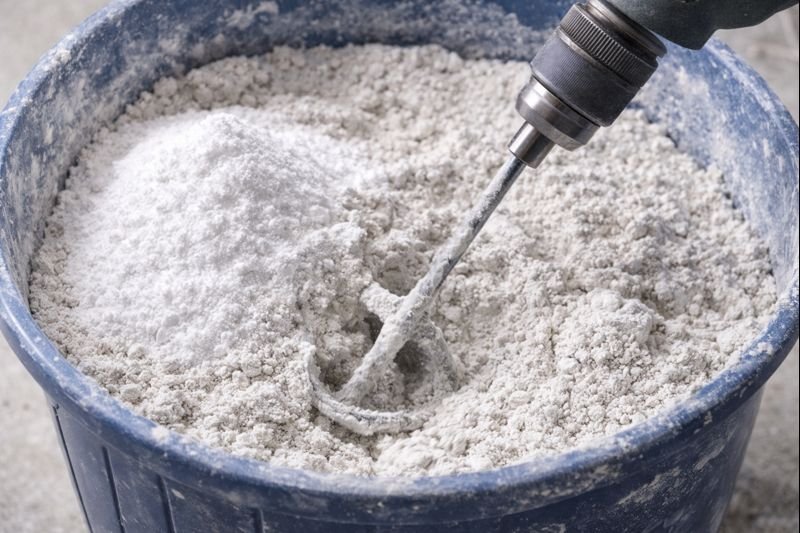
Understanding Component Interactions
When formulating wall putty, the relationship between components matters more than individual quantities. I learned this lesson working with a major Saudi Arabian client whose putty was cracking despite using premium HPMC. The issue wasn't the HPMC percentage but the cement-to-filler ratio and water demand.
HPMC creates a three-dimensional network that retains water within the putty, allowing cement to hydrate properly. Without sufficient water retention, cement particles dehydrate too quickly when applied to absorbent surfaces like concrete or brick, causing shrinkage cracks. The viscosity grade of HPMC (typically 100,000 cps for wall putty) affects its water retention capacity significantly.
A balanced formulation depends on your local climate conditions. In hot, dry regions like the Middle East, you might need to increase HPMC slightly to maintain water retention, while in humid environments, the standard ratio works well. What's essential is ensuring your HPMC quality provides consistent water retention properties rather than simply increasing the quantity.
How to Make Waterproof Wall Putty?
Water damage can destroy even the best-applied putty, leading to costly repairs and unhappy clients. Creating truly waterproof putty requires understanding material interactions beyond simple ratios.
Waterproof wall putty requires an optimal balance of 0.3-0.4% HPMC, 2-3% high-quality redispersible polymer powder, proper cement content and water-repellent additives. The RDP forms a flexible polymer film during curing that significantly enhances water resistance.
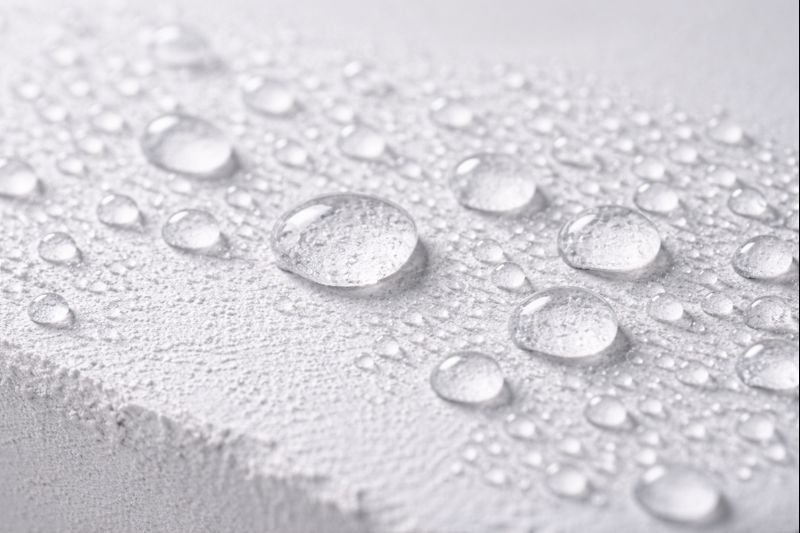
Advanced Waterproofing Techniques
Creating genuinely waterproof wall putty4 involves more than just adding water-resistant additives. The synergistic relationship between HPMC and redispersible polymer powder creates the foundation for water resistance. When properly formulated, the RDP particles disperse throughout the mix and, upon drying, form a continuous polymer film that bridges microcracks and creates hydrophobic barriers.
I once consulted with a Vietnamese manufacturer struggling with putty failure during monsoon season. Their formulation contained adequate HPMC but insufficient quality RDP. By upgrading to our premium RDP with higher polymer content and ensuring proper HPMC dispersion, their putty achieved excellent water resistance even in extreme humidity.
For enhanced waterproofing, some manufacturers incorporate silicone-based water repellents or hydrophobic agents at 0.1-0.3%. However, these additives can sometimes interfere with adhesion if not properly balanced with the HPMC and RDP system. The cement quality and type also significantly impact waterproofing performance – Portland cement with supplementary cementitious materials often provides better overall resistance to water penetration.
Another critical factor is the curing process. Even perfectly formulated putty can fail if not allowed to cure properly. The water retention provided by HPMC ensures cement hydration continues long enough to develop proper strength and density, which directly correlates with waterproofing performance.
How Do You Prepare HPMC Gel?
Improper HPMC preparation leads to lumps, inconsistent performance, and wasted material. After seeing hundreds of factory production lines, I've identified the key techniques for perfect HPMC preparation.
Prepare HPMC gel by sprinkling the powder onto cold water (5-15°C) while stirring gently, allowing it to wet and sink. Let it hydrate for 30-60 minutes without agitation. Once fully hydrated, stir to achieve a smooth, homogeneous gel. Never add HPMC to hot water as it will immediately form lumps.
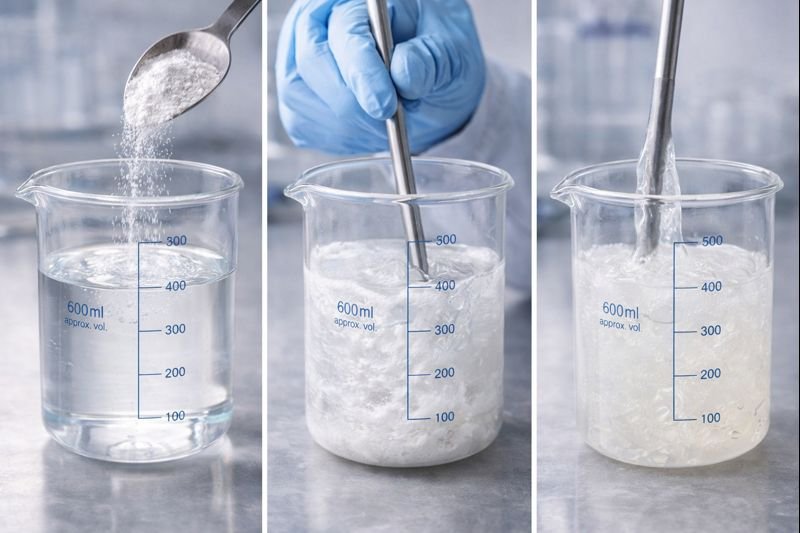
Optimizing HPMC Dispersion Methods
The method of incorporating HPMC into your formulation significantly impacts its effectiveness. In industrial production, manufacturers use several approaches depending on their equipment and final application. During my visits to numerous production facilities, I've observed that proper dispersion correlates directly with final product performance.
The cold-water method works best for small batches and laboratory testing. For large-scale industrial production of dry-mix putties, manufacturers typically use one of these approaches:
| Dispersion Method | Advantages | Challenges |
|---|---|---|
| Dry Blending | Simple integration into existing production lines | Requires longer mixing time for complete dispersion |
| Wet Method (Premix) | Better dispersion, fewer clumps | Requires drying step, higher energy costs |
| Hot-Cold Process | Superior dispersion, consistent performance | More complex process, requires temperature control |
The most sophisticated operations use specialized high-shear mixers that ensure complete powder wetting without clumping. Some manufacturers use HPMC grades with surface treatment that delays dissolution slightly, preventing immediate gel formation when contacting water.
Temperature control during preparation is crucial. If water temperature exceeds 30°C, the HPMC will form a film around particles, creating lumps with dry powder trapped inside. These lumps reduce efficiency and create inconsistencies in the final application. In high-volume production, some manufacturers use ice water or cooling systems to maintain optimal temperature during the initial wetting phase.
What is Putty Mixture?
Many contractors and even some manufacturers confuse basic putty types, leading to application failures and compatibility issues with topcoats. Understanding putty composition is essential for choosing the right product.
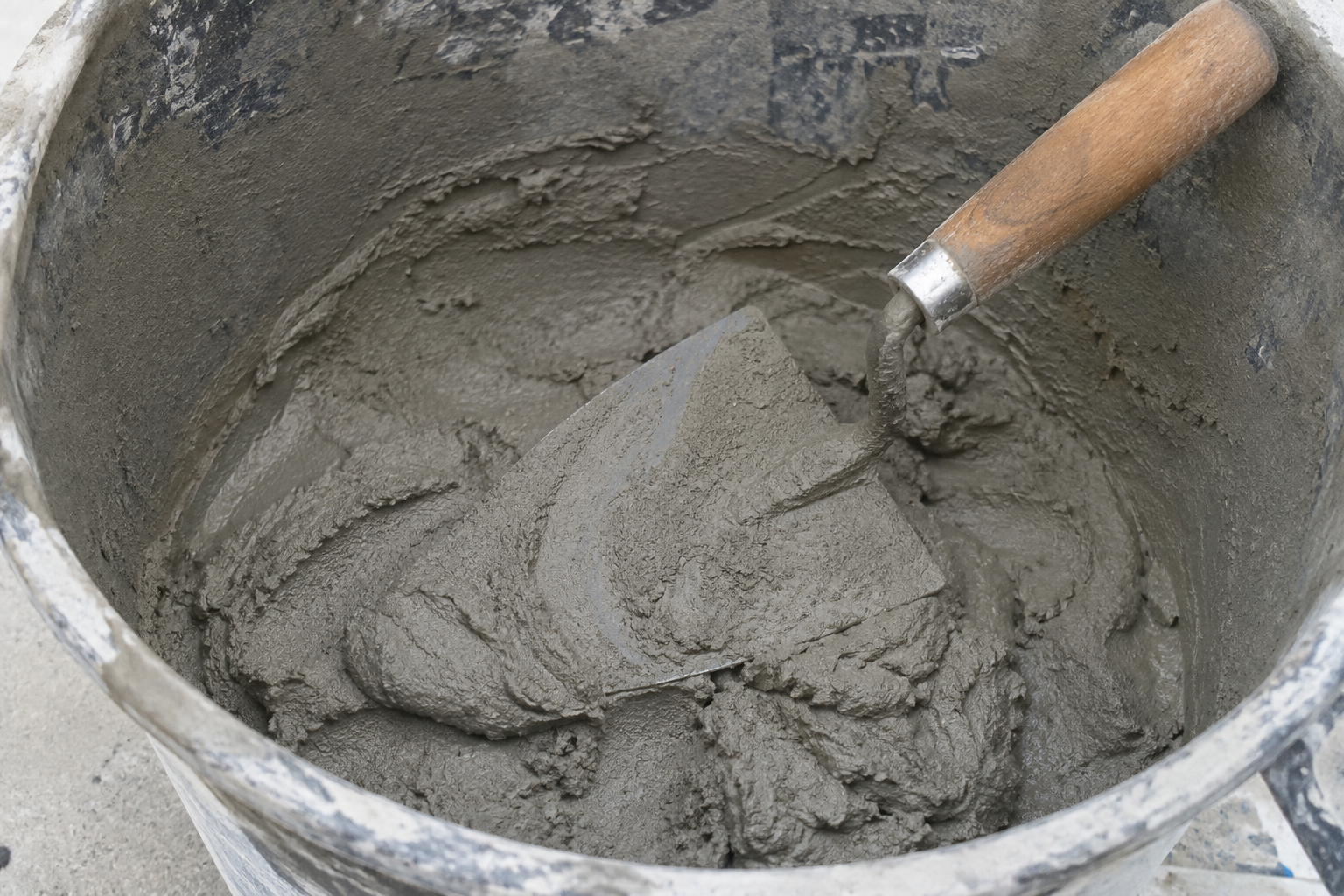
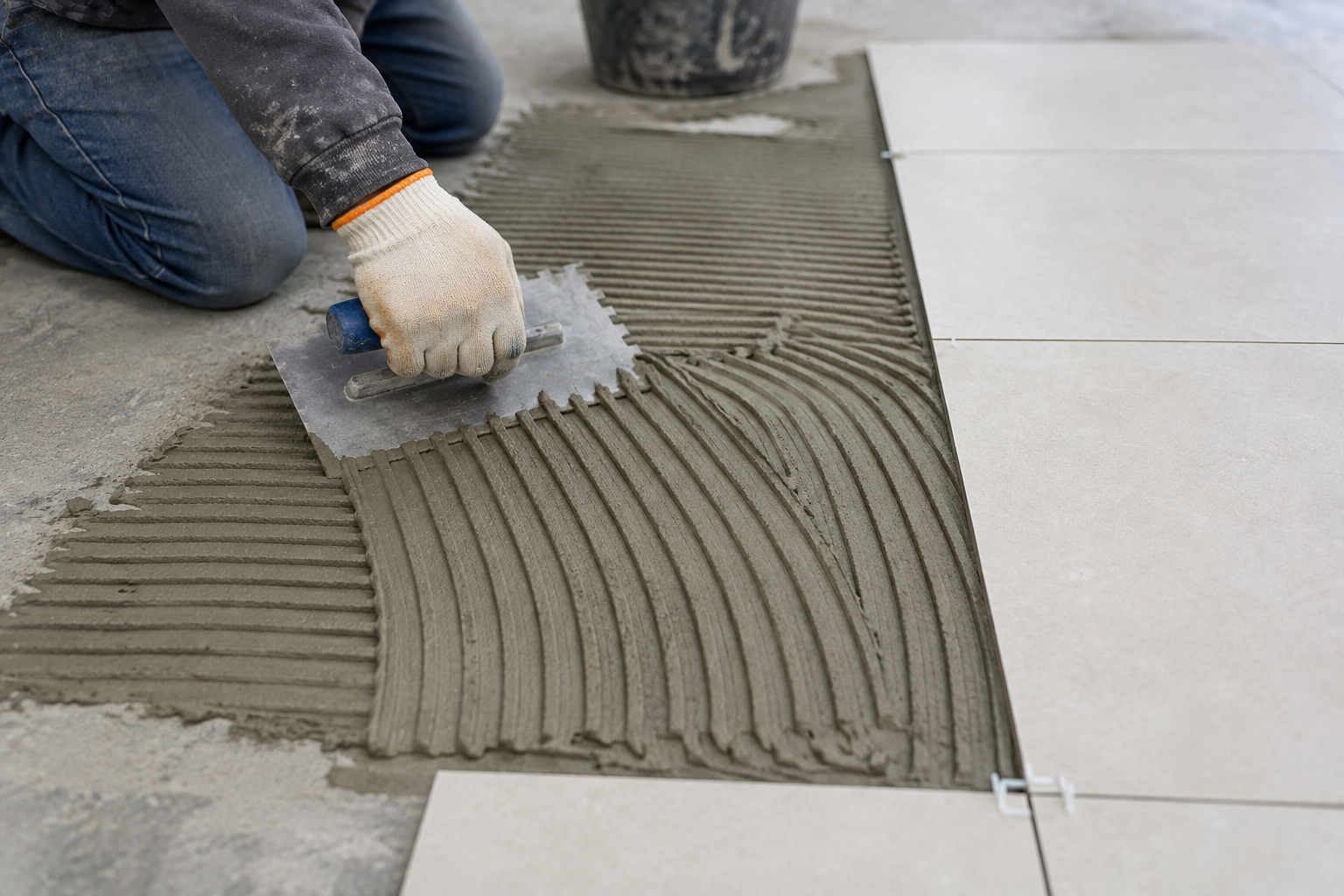
Wall putty is a powder mixture primarily composed of binders (cement), fillers (usually calcium carbonate), additives like HPMC (providing water retention and workability), and redispersible polymer powder (for flexibility and adhesion). When mixed with water, it creates a paste for smoothing wall surfaces.
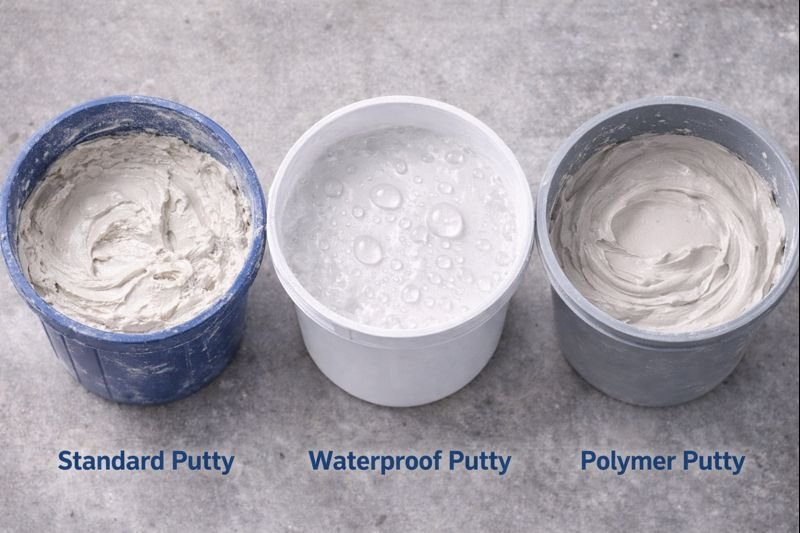
Classification and Performance Characteristics
Putty mixtures vary significantly based on their intended use and formulation. Having supplied HPMC for virtually every type of putty application, I can categorize them into several distinct types:
-
Cement-Based Putties: These contain 30-40% cement and rely heavily on HPMC for proper water retention. They provide excellent hardness but require proper formulation to prevent cracking. These are most common in developing markets due to their cost-effectiveness and familiarity to applicators.
-
Gypsum-Based Putties: Popular in interior applications, these contain gypsum plaster instead of cement. They require different HPMC grades (typically lower viscosity) as their water retention needs differ from cement-based systems.
-
Polymer-Modified Putties: Premium formulations with higher RDP content (3-5%) and optimized HPMC dosage for superior flexibility and crack resistance. These command higher prices but deliver superior performance, especially in extreme environments.
-
Ready-Mixed Putties: These contain emulsion polymers instead of RDP and special grades of modified cellulose to maintain stability in the wet state. The manufacturing process differs significantly from powder putties.
The formulation balance directly impacts key performance properties:
| Putty Type | HPMC Content | RDP Content | Working Time | Crack Resistance | Water Resistance |
|---|---|---|---|---|---|
| Economy Grade | 0.2-0.25% | 0-1% | Short | Low | Poor |
| Standard Grade | 0.25-0.3% | 1-2% | Medium | Moderate | Moderate |
| Premium Grade | 0.3-0.4% | 2-3% | Extended | High | Excellent |
The truly superior putties achieve their crack resistance not by maximizing any single component but through the synergistic relationship between properly dispersed HPMC and quality RDP. This combination ensures both workability during application and flexibility during the service life of the coating.
Conclusion
The ideal HPMC ratio for crack-resistant wall putty isn't just a number—it's about choosing quality HPMC with excellent water retention and ensuring proper balance with RDP. Together, these components create truly superior, crack-resistant putty when used at 0.25-0.4% HPMC and 1-3% RDP.
FAQ
Can I use HPMC alone to prevent cracking in wall putty?
No, HPMC provides water retention but lacks the flexibility that RDP contributes. Both are necessary for crack resistance.
Does higher viscosity HPMC always mean better water retention?
Not necessarily. While higher viscosity generally improves water retention, the chemical modification and quality of the HPMC are equally important factors.
How does climate affect the ideal HPMC ratio?
In hot, dry climates, you may need to increase HPMC slightly (0.3-0.4%) to maintain adequate water retention. In moderate or humid climates, 0.25-0.3% is typically sufficient.
Can excess HPMC cause problems in wall putty?
Yes, too much HPMC can lead to excessive air entrainment, reduced strength, and extended drying time, which may affect topcoat application.
How can I test if my HPMC has good water retention?
A simple test involves applying putty samples on absorbent substrates and measuring working time and cracking patterns. Professional testing can measure water retention according to standards like EN 459-2.
-
Understanding HPMC is crucial for formulating effective wall putty, as it significantly impacts water retention and performance. ↩ ↩
-
Explore techniques for formulating crack-resistant wall putty to enhance durability and reduce callbacks. ↩
-
Discover how RDP enhances flexibility and adhesion in wall putty formulations, improving overall performance. ↩ ↩
-
Explore methods to create waterproof wall putty that withstands moisture and prevents damage. ↩