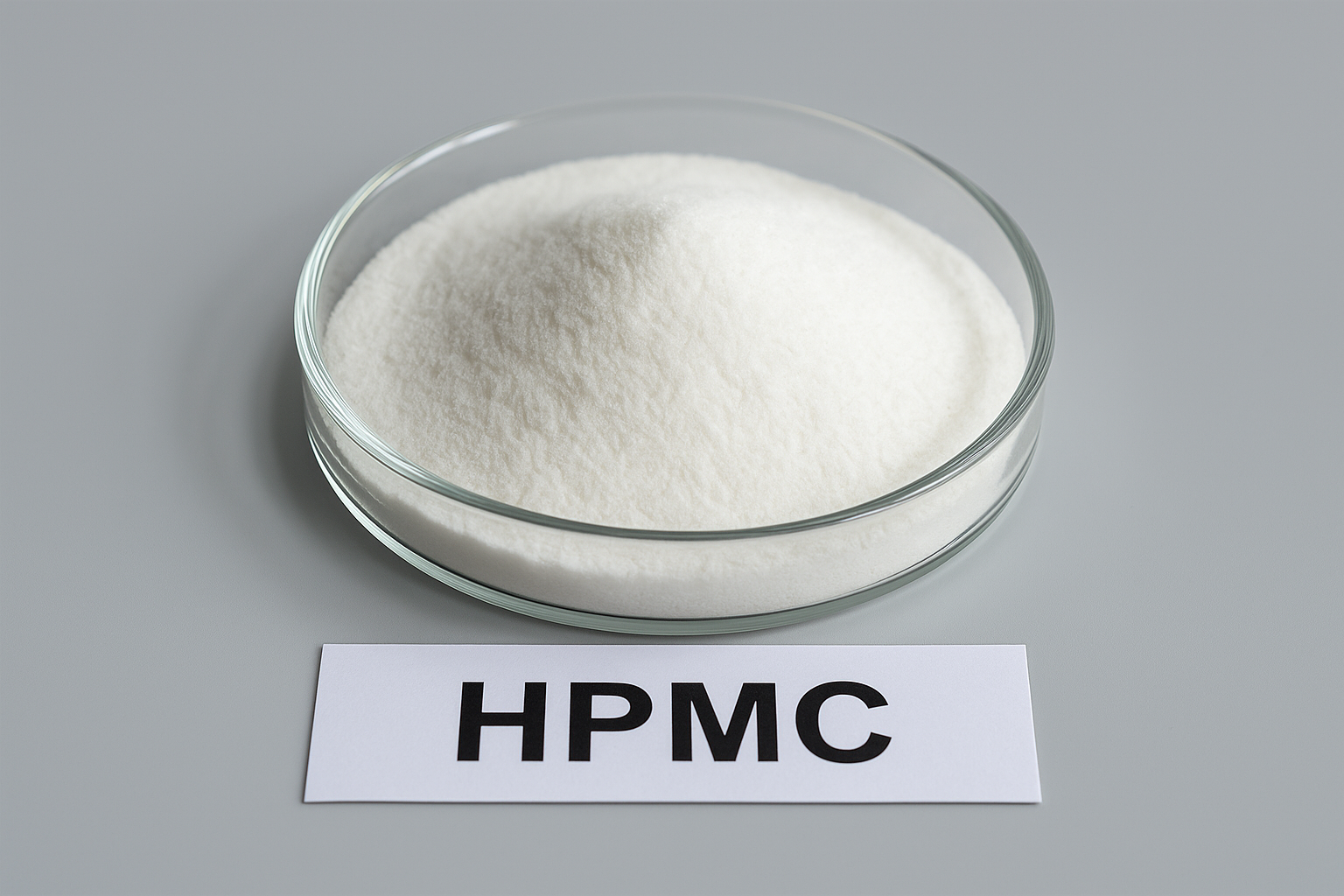
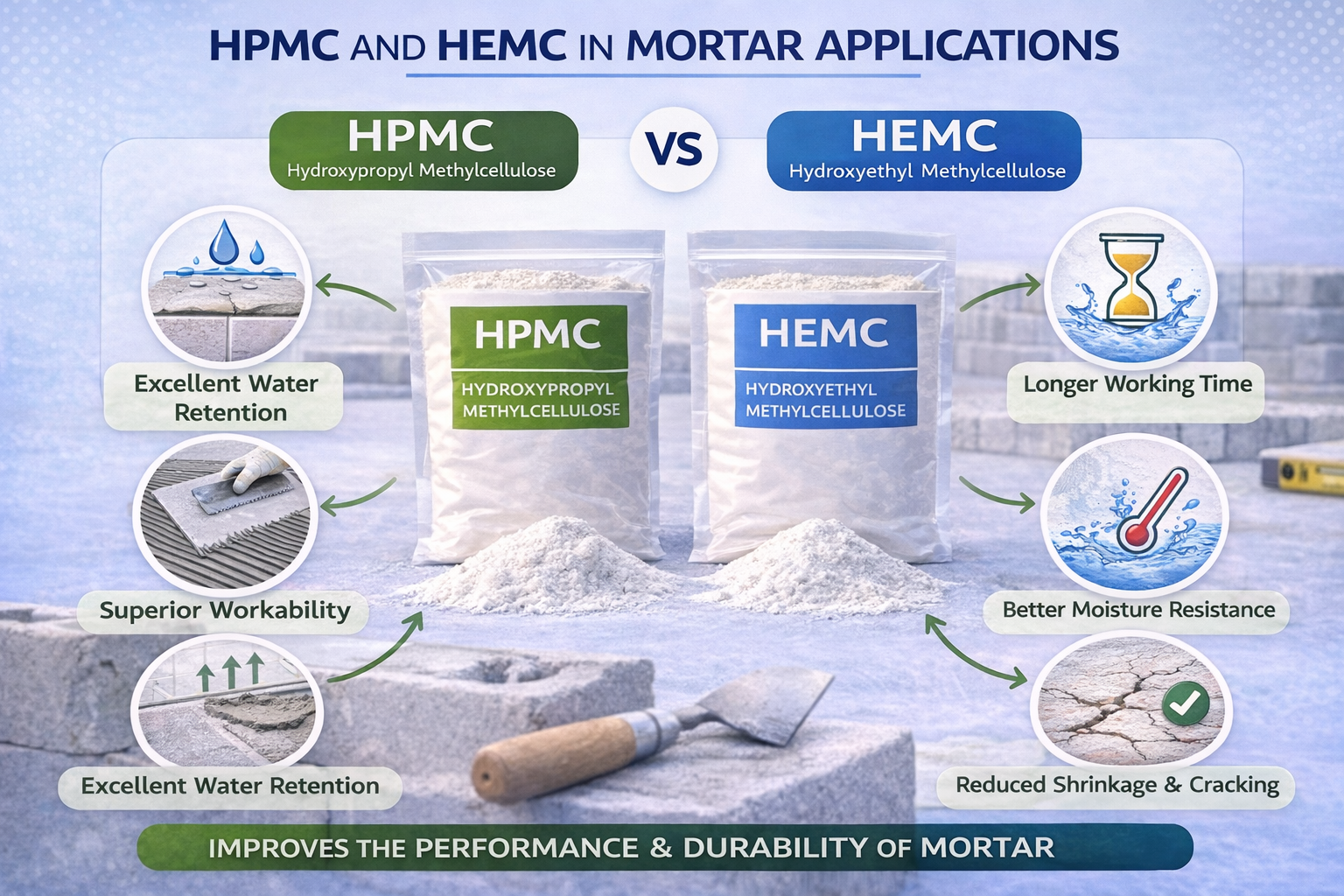
Are you struggling with mortar cracking in hot, humid environments1? Your choice between HPMC and HEMC could be the culprit. These cellulose ethers2 might look similar on paper, but their performance differences can significantly impact your project outcomes.
HPMC (Hydroxypropyl Methylcellulose) and HEMC (Hydroxyethyl Methylcellulose) are cellulose ethers2 that differ mainly in their chemical structure, water retention capabilities, dissolution rates, and price points. HEMC offers superior water retention in high-temperature environments, while HPMC provides better cost efficiency and versatility across various applications.
I've spent years working with both products across different climate conditions. My experience shows that the right choice depends on your specific application requirements, local climate, and project budget. Let's examine these differences in detail so you can make an informed decision for your next mortar formulation.
What is the difference between HPMC and HEMC?
Have you noticed your mortar performing differently when switching between these additives? The chemical structure difference between these cellulose ethers2 creates distinct performance characteristics that might be affecting your results.
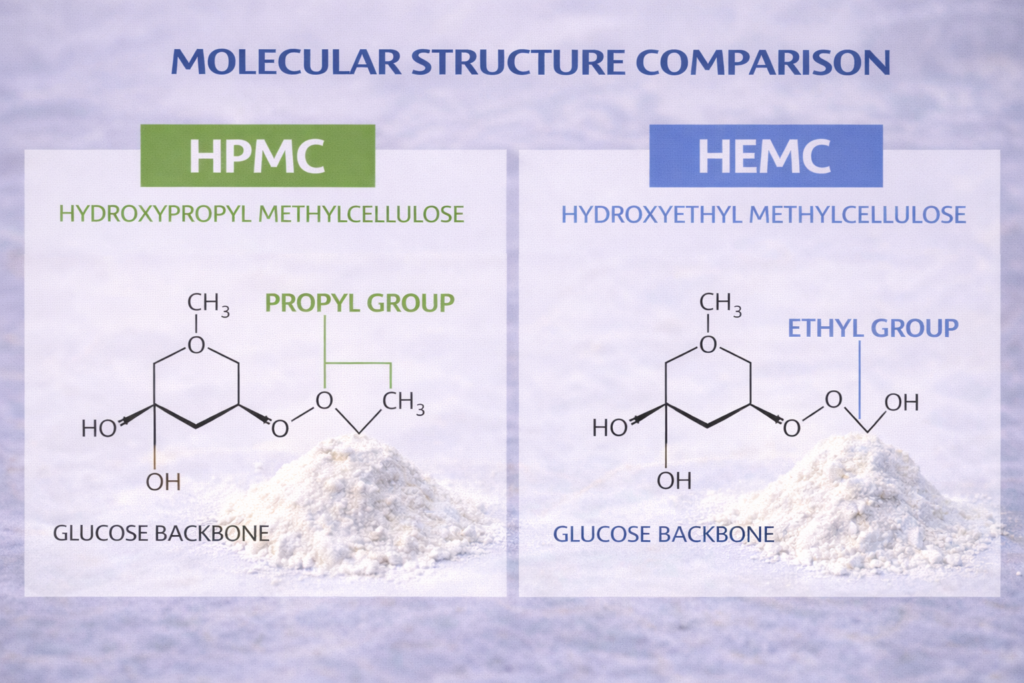
HPMC contains hydroxypropyl groups while HEMC has hydroxyethyl groups attached to the cellulose backbone. This structural difference gives HEMC better water retention properties in high-temperature environments, while HPMC offers better workability and flexibility in standard conditions.
Chemical Structure Differences
The fundamental difference between these additives lies in their molecular structure. While both are cellulose derivatives, HPMC features hydroxypropyl groups (-OCH₂CH(OH)CH₃) and HEMC contains hydroxyethyl groups (-OCH₂CH₂OH). This seemingly minor variation creates significant performance differences.
In my production facilities, we've conducted extensive testing on both varieties. The hydroxyethyl groups in HEMC form stronger hydrogen bonds with water molecules, enhancing water retention particularly in challenging environments. This becomes crucial in Southeast Asian markets where temperatures regularly exceed 35°C with high humidity levels.
When developing formulations for clients in tropical regions, I often recommend HEMC despite its higher cost because it reduces the risk of premature water loss and cracking. One Saudi Arabian client switched from HPMC to HEMC for their exterior wall mortars and reported a 40% reduction in application failures during summer months.
| Property | HPMC | HEMC |
|---|---|---|
| Chemical Groups | Hydroxypropyl + Methyl | Hydroxyethyl + Methyl |
| Water Retention (35°C) | Good | Excellent |
| Dissolution Temperature | 0-5°C (cold water) | 0-20°C (broader range) |
| Regional Production | China-dominated | Europe/US-dominated |
| Relative Cost | Lower (baseline) | 15-20% higher |
How to choose the right cellulose ether HEMC vs HPMC for your formulations?
Are your workers mixing mortar by hand or using mechanical equipment? The dissolution speed difference between HPMC and HEMC could be causing consistency issues in your final product.
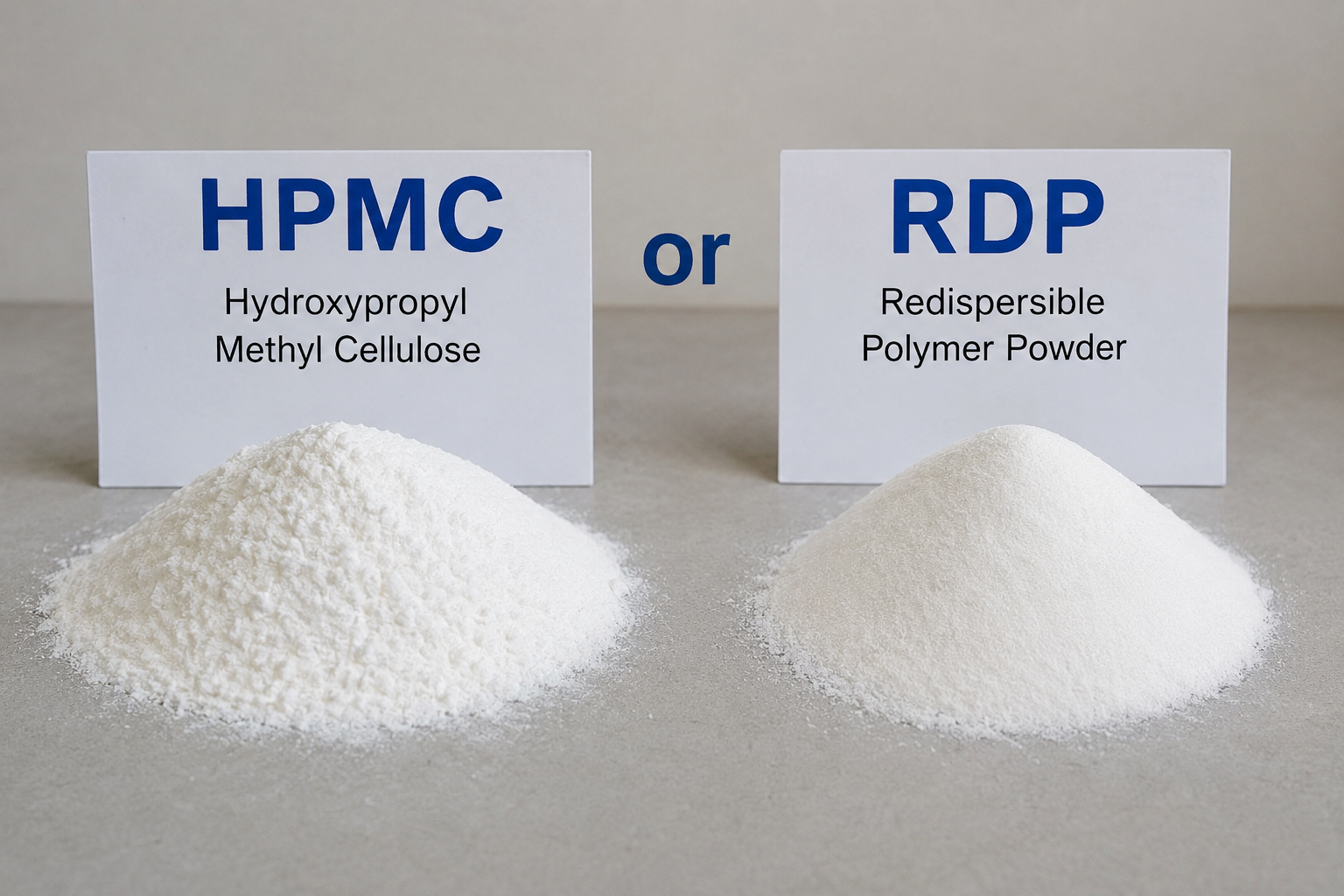
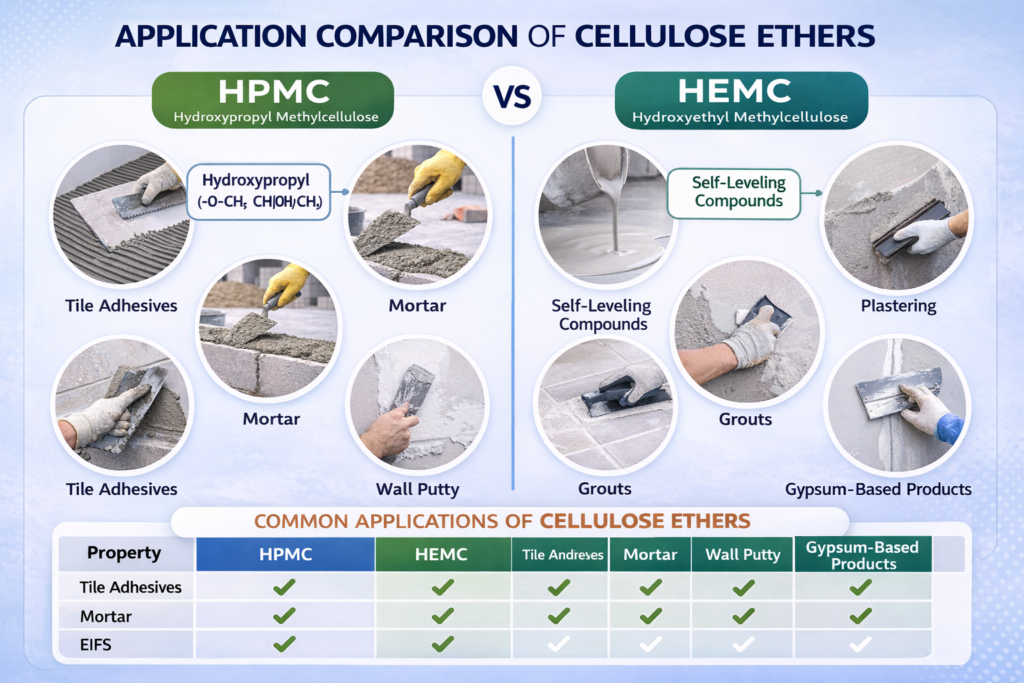
Choose HPMC for mechanized mixing processes, cost-sensitive projects, and starch ether compatibility. Select HEMC for hand-mixed applications, high-temperature environments, and formulations containing VAE redispersible powder3 where its faster dissolution and superior water retention provide optimal performance.
Application-Specific Selection Criteria
Selecting between HPMC and HEMC requires careful consideration of your specific application requirements. My experience working with various formulations across different geographic regions has given me valuable insights into making this choice.
Dissolution speed is a critical factor often overlooked in formulation design. HEMC dissolves more rapidly in water, making it ideal for hand-mixing applications common in smaller construction sites. I've personally observed workers in Vietnam efficiently preparing mortars with HEMC in about half the time compared to HPMC-based formulations. This speed advantage translates to higher productivity in labor-intensive projects.
Conversely, HPMC's slower dissolution can be advantageous in mechanized mixing operations where precise control over viscosity development is desired. One of my clients operating large-scale production facilities in Mexico specifically requests HPMC for their automated mixing lines to ensure consistent workability throughout their production cycle.
Climate considerations should heavily influence your selection. In my experience supplying to markets across Southeast Asia and the Middle East, HEMC consistently outperforms in preventing water loss during the critical setting period when temperatures exceed 30°C. This temperature resistance can make the difference between successful application and costly callbacks for crack repairs.
Cost considerations cannot be ignored, especially in price-sensitive markets. HPMC typically costs 15-20% less than equivalent HEMC grades, primarily because China dominates HPMC production with significant manufacturing capacity. For large-scale projects where margins are tight, this price difference becomes significant in the overall formulation cost.
| Application Type | Recommended Type | Key Benefit |
|---|---|---|
| Machine-mixed mortars | HPMC | Controlled dissolution |
| Hand-mixed mortars | HEMC | Faster preparation |
| Hot climate applications | HEMC | Better water retention |
| Budget-conscious projects | HPMC | Lower cost |
| VAE-containing formulations | HEMC | Better compatibility |
| Starch ether formulations | HPMC | Enhanced synergy |
What is the use of HPMC in cement?
Is your cement-based product lacking workability or showing excessive shrinkage cracks? The absence or improper dosage of HPMC might be the issue affecting your formulation's performance.
HPMC serves multiple critical functions in cement applications: it improves water retention for proper cement hydration, enhances workability and open time, prevents sagging on vertical surfaces, increases adhesion to substrates, and reduces shrinkage cracking during the curing process.
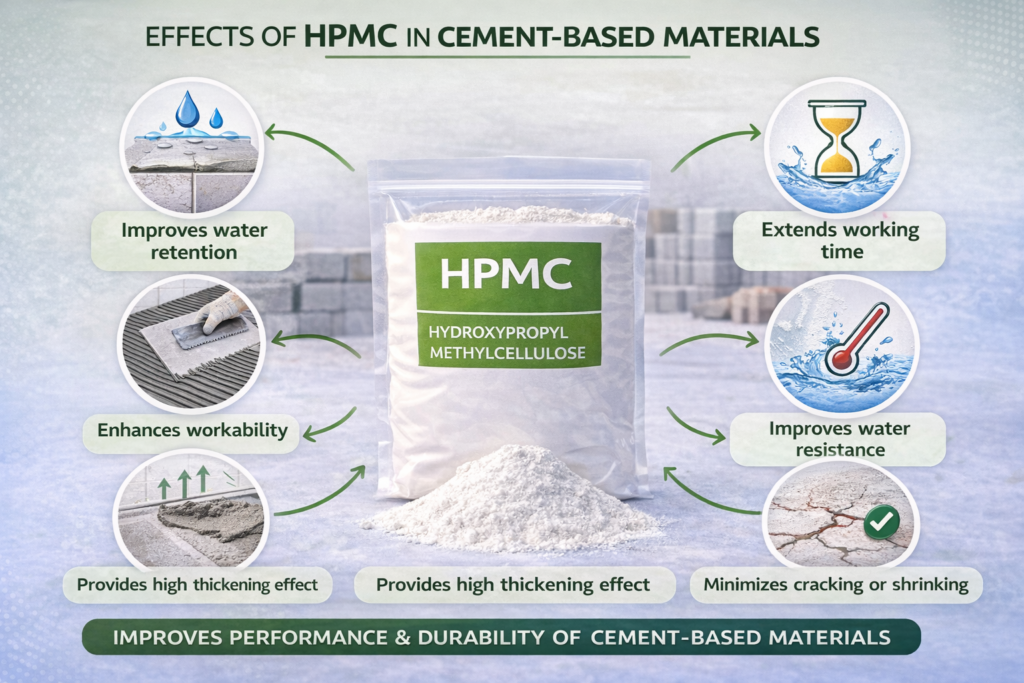
Critical Functions of HPMC in Cement Applications
HPMC plays a multifaceted role in enhancing the performance and durability of cement-based products. Through my experience manufacturing and supplying HPMC to major mortar factories worldwide, I've observed firsthand how this additive transforms basic cement formulations into high-performance construction materials.
Water retention is perhaps the most valuable contribution HPMC makes to cement applications. By forming a protective colloidal network, HPMC prevents water from evaporating too quickly or being absorbed by porous substrates. This ensures complete cement hydration, which is essential for achieving maximum strength development. In our laboratory tests, cement mortars without HPMC lost up to 40% of their compressive strength potential due to insufficient hydration.
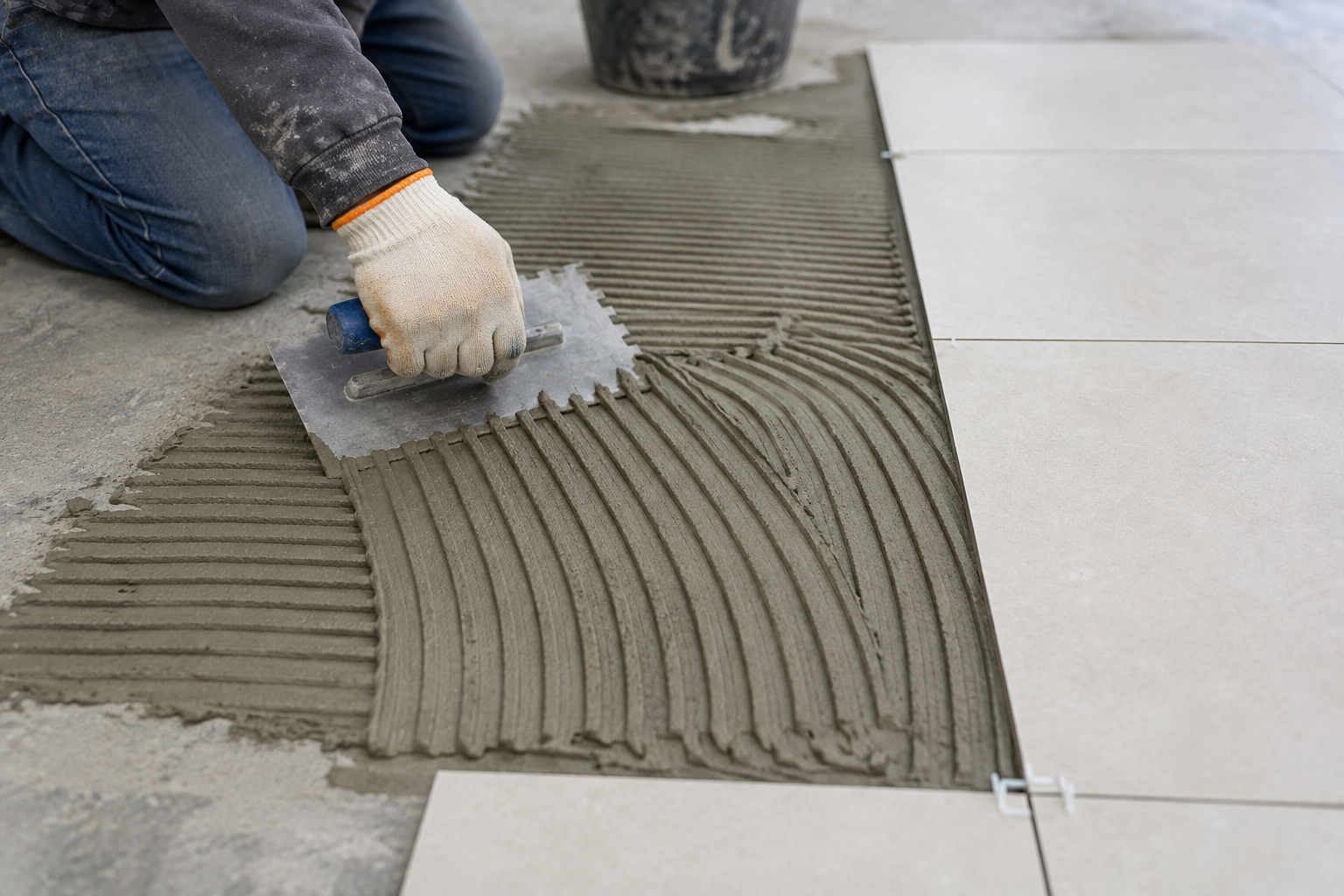
Workability improvements from HPMC addition are immediately noticeable to applicators. The lubrication effect reduces friction between aggregate particles, making the mortar smoother and more manageable. This translates to higher productivity and reduced worker fatigue. One of my clients in Brazil reported that after introducing our HPMC into their tile adhesive formulation, installers could cover approximately 20% more area per day.
Anti-sagging properties become particularly important in vertical applications like wall renders and tile adhesives. HPMC imparts thixotropic behavior to mortars – they flow when sheared (during application) but become rigid when at rest. This prevents heavy tiles from sliding down before the adhesive sets. I remember visiting a construction site in Pakistan where the contractor had used an inferior cellulose ether, resulting in costly rework when large-format tiles began slipping during installation.
The adhesion enhancement provided by HPMC is crucial for modern construction systems. By forming polymer bridges between the cement matrix and substrate, HPMC significantly increases bond strength. Our testing revealed a 30-50% improvement in adhesion when optimal HPMC dosage was used compared to untreated cement mortars.
| Function | Mechanism | Practical Benefit |
|---|---|---|
| Water Retention | Colloidal gel formation | Complete cement hydration |
| Workability | Lubrication effect | Easier application, higher productivity |
| Anti-sagging | Thixotropic behavior | Prevents slipping on vertical surfaces |
| Adhesion | Polymer bridging | Stronger bonds to substrates |
| Crack Reduction | Controlled water loss | More durable finished surfaces |
Conclusion
The choice between HPMC and HEMC depends on your specific application needs, climate conditions, mixing methods, and budget constraints. Understanding these differences will help you select the right cellulose ether for optimal mortar performance.
-
Learn how to minimize costly repairs and improve durability in challenging climates by understanding the causes and solutions for mortar cracking. ↩
-
Discover the science behind cellulose ethers and their critical role in modern construction materials for improved performance. ↩ ↩ ↩
-
Understand compatibility issues and performance benefits when combining VAE powder with cellulose ethers. ↩