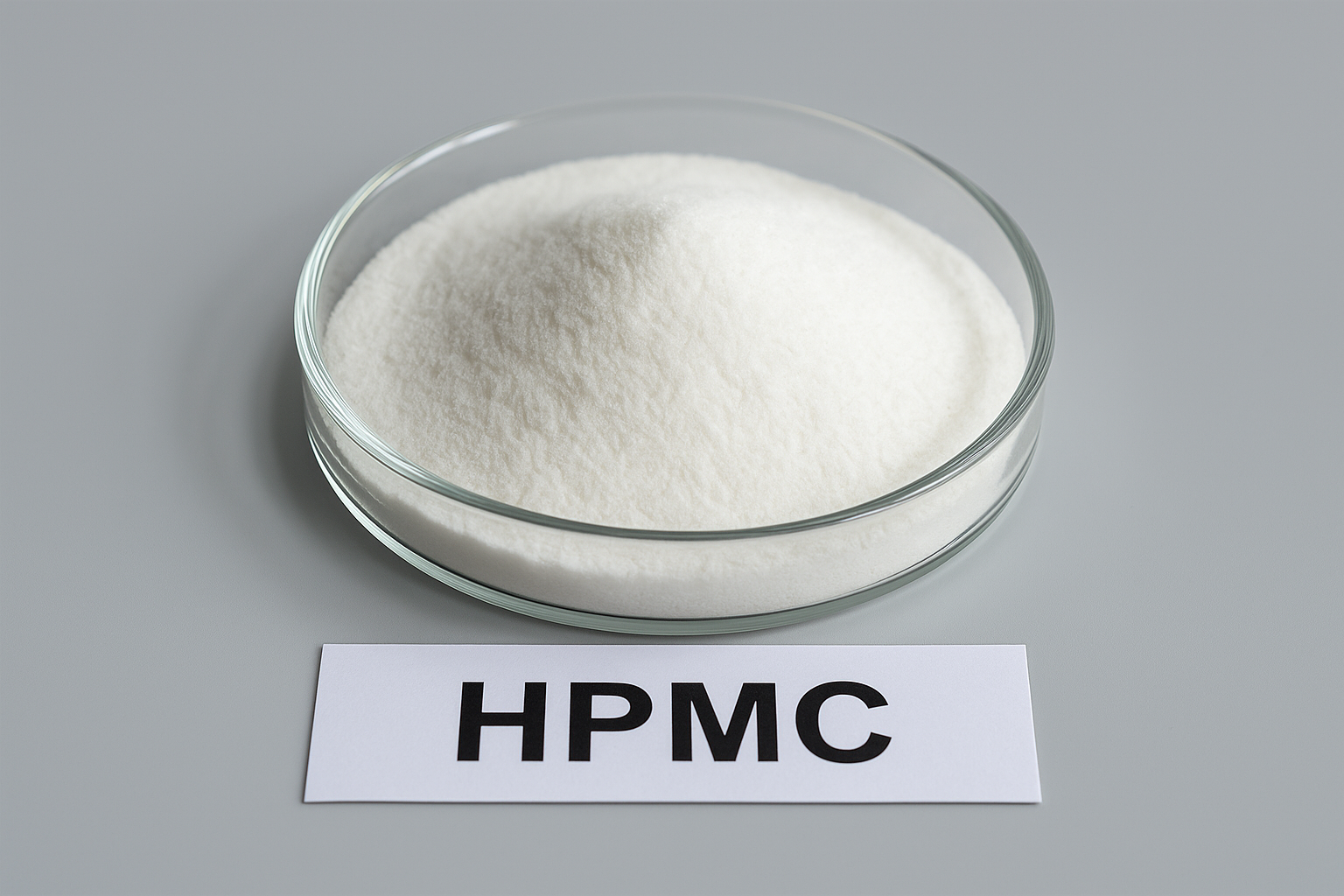
Construction materials often fail because of poor additive selection. Hydroxypropyl methylcellulose (HPMC) quality variations1 can cause significant project delays, material wastage, and structural integrity issues.
HPMC performance in construction materials depends primarily on molecular weight, viscosity, particle size, modification type, temperature adaptability, and pH compatibility. Selecting HPMC with appropriate specifications for specific applications ensures optimal workability, water retention, and final product performance.
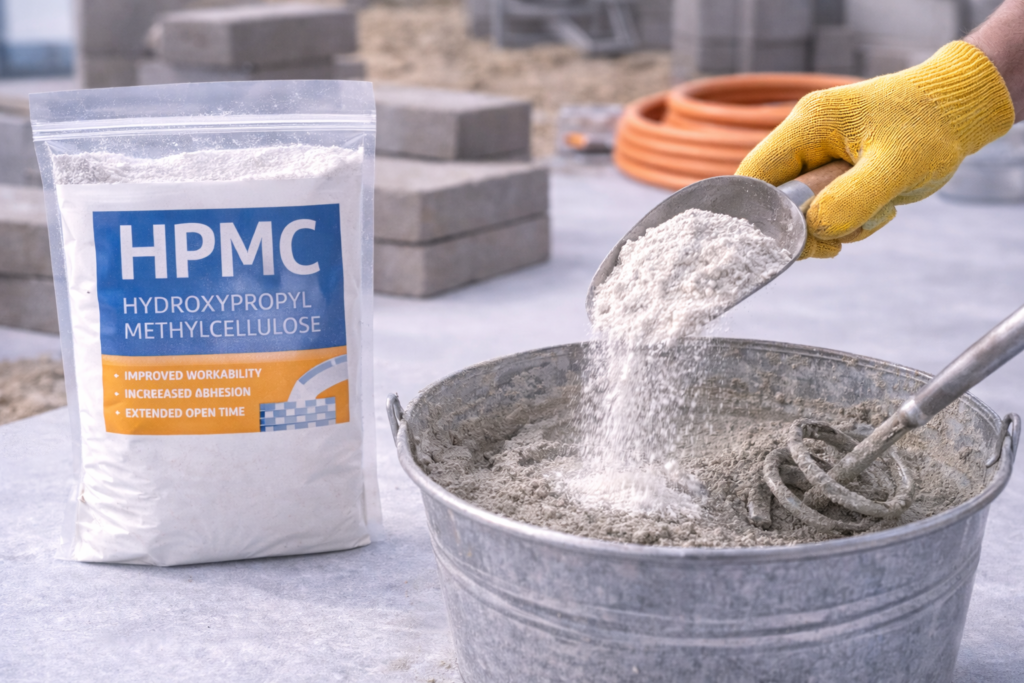
As a supplier with six production lines specializing in HPMC and other cellulose derivatives, I've seen firsthand how these factors impact construction projects. Our clients across Saudi Arabia, UAE, and other developing markets consistently face challenges when selecting the right HPMC grade. Let me share what our decades of experience have taught us about optimizing HPMC performance.
What are the factors affecting the choice of material of construction?
Construction material selection often creates significant headaches for project managers. Poor choices lead to material incompatibility, shortened lifespan, and increased maintenance costs.
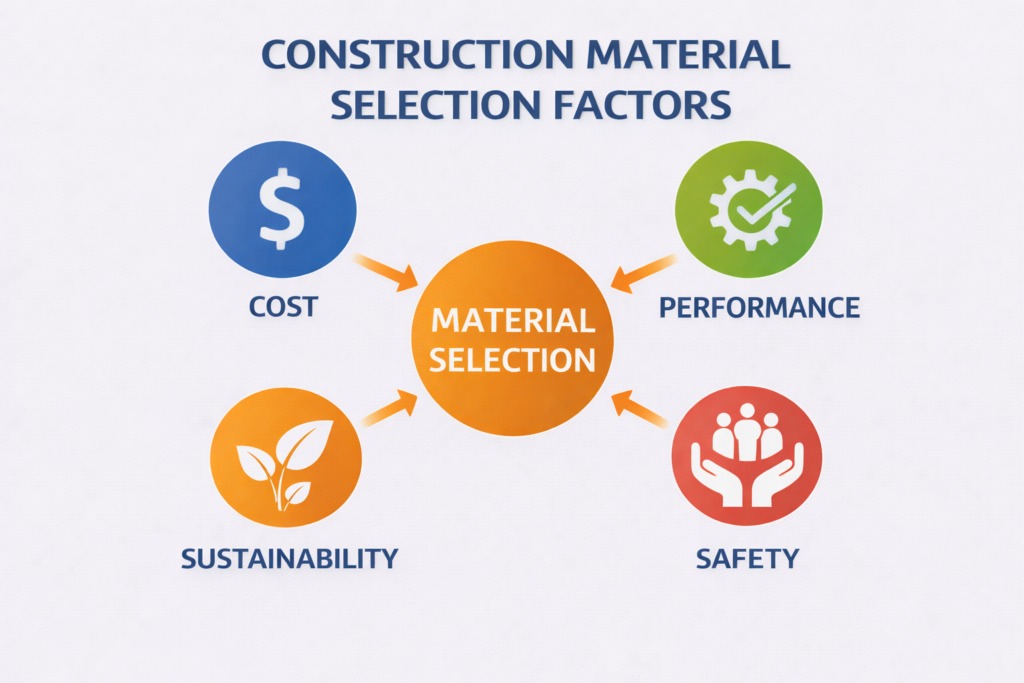
Construction material selection should be based on mechanical properties, environmental conditions, cost-effectiveness, availability, sustainability, and application-specific requirements. For HPMC specifically, molecular weight, viscosity grade, modification type, and particle size are crucial factors.
Molecular weight and viscosity are perhaps the most critical parameters when selecting HPMC for construction applications. In my experience working with large mortar factories across the Middle East, high viscosity HPMC (75,000-100,000 mPa·s) works best for thick-layer mortars like tile adhesives. However, these high-viscosity grades typically require longer dissolution times.
For self-leveling systems, I recommend lower viscosity types (around 400 mPa·s), which offer better flow properties. One client in Saudi Arabia switched from a 50,000 mPa·s to a 5,000 mPa·s grade for their self-leveling compound and eliminated flow issues immediately. Remember that lower viscosity grades often need defoaming agents since they tend to incorporate more air during mixing.
Particle Size Considerations
| Particle Size | Dissolution Speed | Clumping Risk | Recommended Applications |
|---|---|---|---|
| >80 mesh | Faster | Lower | Machine-applied mortars, quick-setting formulas |
| 60-80 mesh | Medium | Medium | General purpose applications |
| <60 mesh | Slower | Higher | Hand-applied systems with longer working time |
Particle fineness significantly impacts HPMC performance. Our Kehao brand offers grades with fineness exceeding 80 mesh that dissolve more rapidly and reduce clumping risk during mixing. Surface-treated HPMC (silica-modified) provides superior anti-caking properties, making it ideal for mechanized construction processes where consistent flow is essential.
Does cellulose increase viscosity?
Many construction professionals struggle with inconsistent mortar workability. Poor water retention leads to premature drying, cracking, and reduced adhesion strength.
Yes, cellulose derivatives like HPMC significantly increase viscosity in water-based systems. When HPMC dissolves in water, its polymer chains unfold and entangle, creating a three-dimensional network that thickens the solution and improves water retention in construction materials.
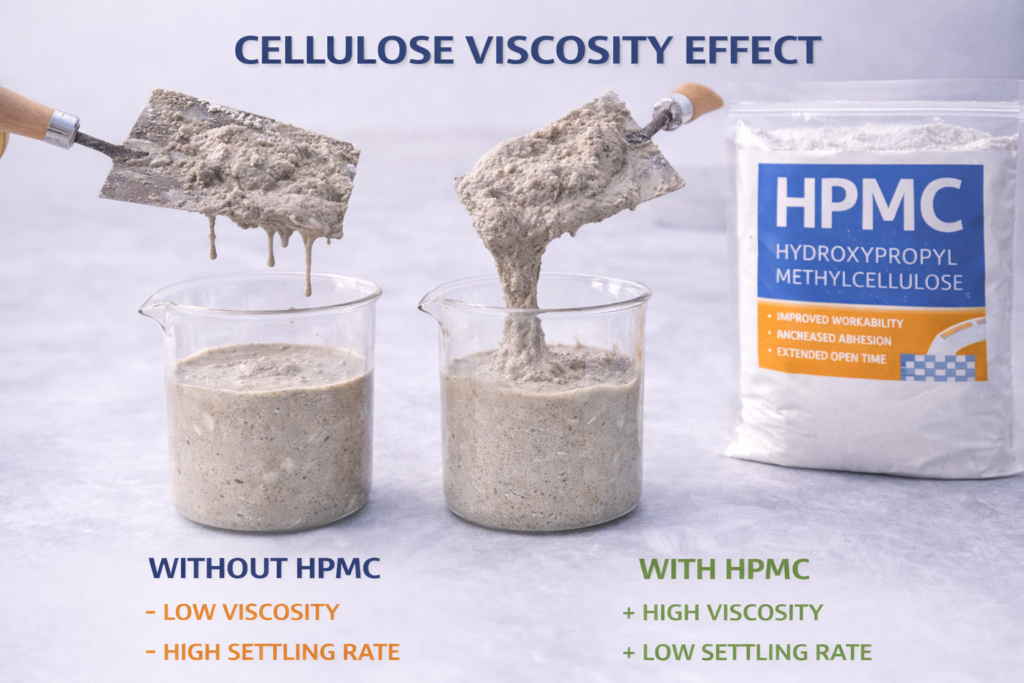
The viscosity-increasing effect of HPMC depends largely on its molecular weight and substitution pattern. Higher molecular weight HPMC produces higher viscosity solutions at the same concentration. This relationship isn't linear, however—doubling the molecular weight typically increases viscosity by 3-4 times. This explains why a small increase in HPMC concentration can dramatically change mortar workability.
Temperature also significantly affects HPMC's viscosity contribution. Most standard HPMC grades exhibit a unique thermal gelation property—their viscosity actually increases as temperature rises to about 50-55°C before breaking down. This property helps prevent water separation in fresh mortars during application, especially in warm climates.
I once visited a client's site in Dubai where their exterior rendering was failing in summer temperatures. By switching to a methyl hydroxyethyl cellulose (MHEC)2 grade with enhanced thermal stability, they maintained proper water retention even at 40°C+ ambient temperatures. For projects in extremely hot regions, I recommend HEMC (hydroxyethyl methylcellulose) which offers about 30% better moisture resistance than standard HPMC.
What are the side effects of HPMC?
Builders often experience unexpected project complications when using HPMC incorrectly. Improper HPMC selection can cause extended setting times, surface defects, and adhesion failures.
HPMC side effects can include extended setting time for cement-based materials, air entrainment leading to decreased compressive strength, sensitivity to high alkaline environments, and potential clumping during mixing if improper grades are selected or mixing procedures aren't followed.
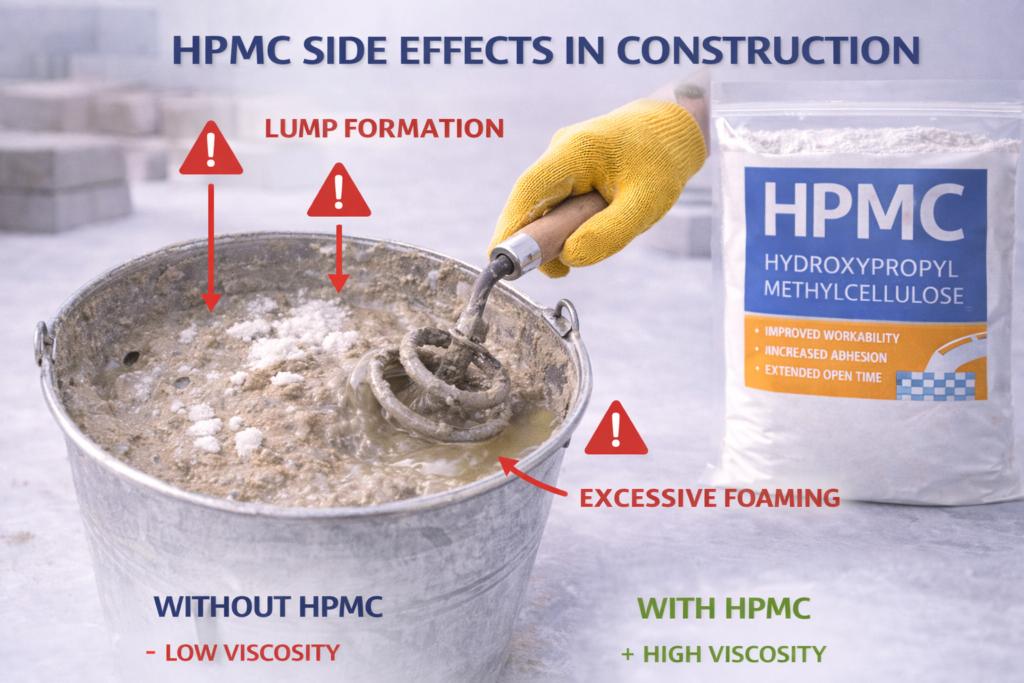
While HPMC offers numerous benefits in construction applications, understanding its potential drawbacks helps optimize formulations. The retarding effect on cement hydration is often the most significant concern. HPMC forms a protective film around cement particles, temporarily preventing water access and slowing the setting process. This can benefit workability but may cause problems in cold weather applications where setting is already slower.
The pH sensitivity of HPMC presents another challenge. In highly alkaline environments (like cement with pH≥13), standard HPMC grades can experience reduced viscosity and effectiveness. I've found that alkali-resistant HPMC grades3 (like the CNB series from Luzhou North) perform much better in these conditions. Alternatively, adding sodium citrate as a retarder helps protect the HPMC colloid structure.
HPMC Side Effects in Different Applications
| Application | Potential Side Effect | Mitigation Strategy |
|---|---|---|
| Tile Adhesives | Extended setting time | Use lower viscosity grade or reduce dosage |
| Self-leveling Compounds | Excessive air entrainment | Add compatible defoaming agents |
| Exterior Renders | Poor performance in heat | Select thermally stable grades (MHEC/HEMC) |
| Machine-applied Mortars | Clumping during mixing | Use finer particle size or surface-treated grades |
| Portland Cement Systems | Viscosity reduction | Select alkali-resistant grades or add protective additives |
The air entrainment caused by HPMC can significantly impact mechanical properties if not properly controlled. While some air entrainment improves workability and freeze-thaw resistance, excessive air reduces compressive strength. Through extensive testing at our labs, we've found that optimizing the HPMC dosage—typically between 0.2-0.5% for most applications—provides the best balance of properties.
What are three major factors to consider when selecting a construction material?
Contractors frequently make costly material selection errors. Overlooking environmental conditions, compatibility issues, or long-term performance leads to premature failures and customer complaints.
The three major factors when selecting construction materials are performance requirements (strength, durability, flexibility), environmental conditions (temperature, humidity, UV exposure), and economic considerations (initial cost, installation requirements, maintenance expenses).
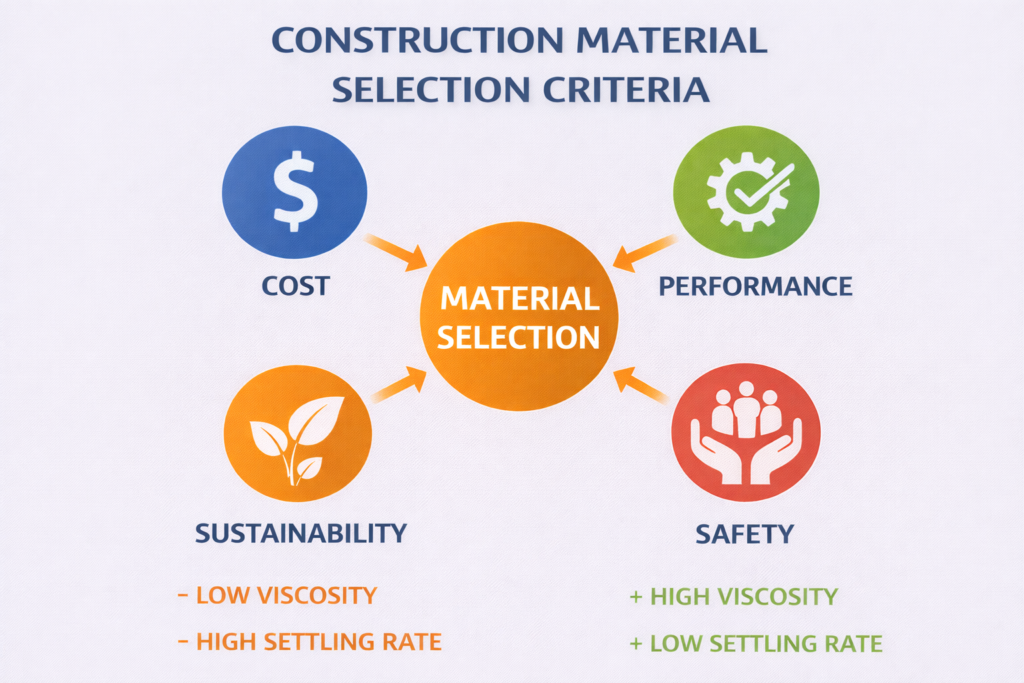
When selecting HPMC specifically for construction applications, I advise clients to focus on three critical factors: application requirements, local climate conditions, and compatibility with other formula components.
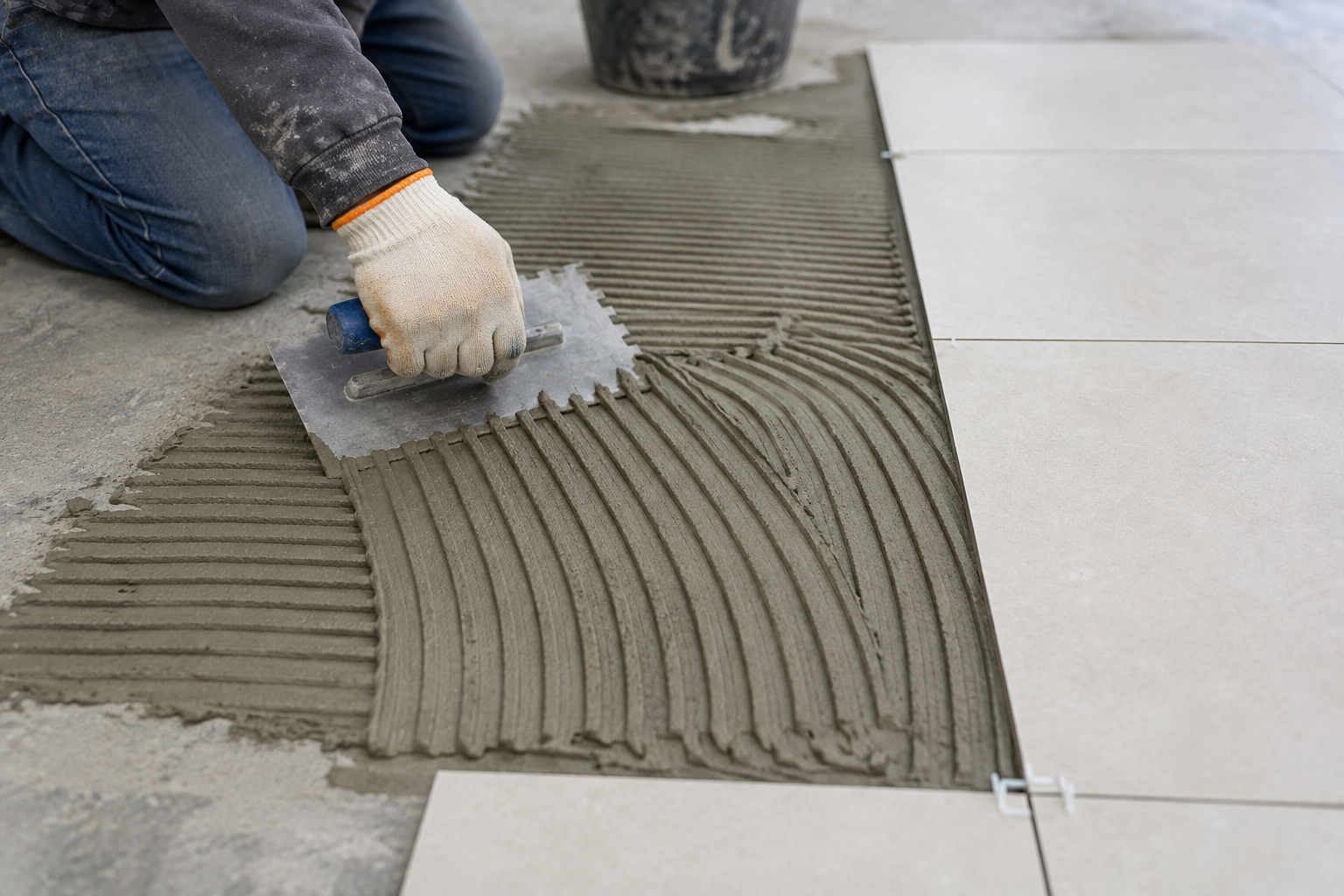
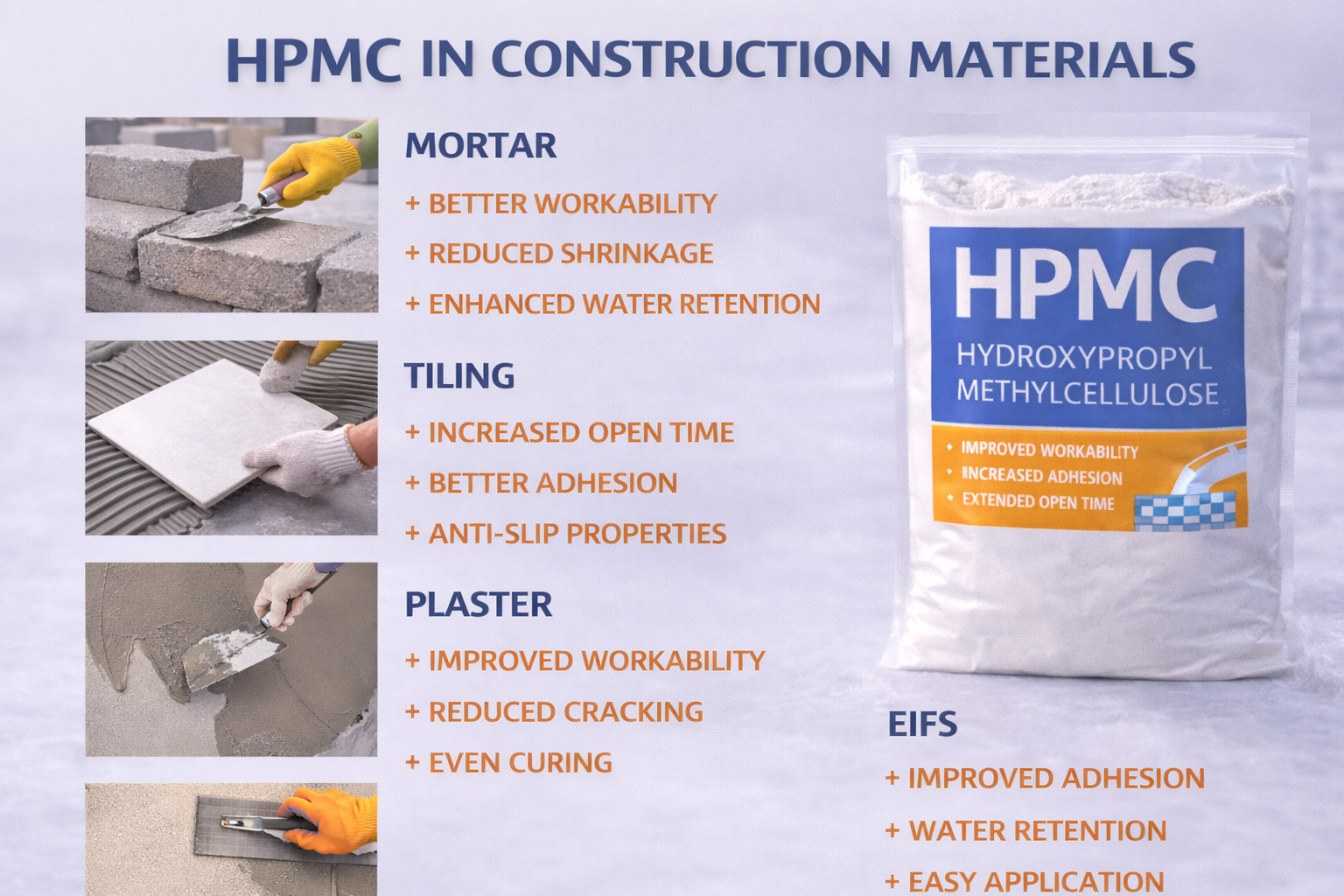
First, application requirements determine the necessary viscosity and water retention properties. Through our experience serving hundreds of mortar manufacturers globally, we've established clear guidelines: wall putties need moderate viscosity HPMC (15,000-30,000 mPa·s), tile adhesives require higher viscosity (50,000-100,000 mPa·s), and self-leveling compounds perform best with lower viscosity grades (400-5,000 mPa·s).
Second, local climate conditions significantly impact HPMC selection. Standard HPMC grades experience sharply reduced water retention above 40°C. For clients in hot regions like Saudi Arabia or UAE, we recommend ethoxy-modified HPMC (like Shin-Etsu's MHPC series) or HEMC blends that maintain performance at higher temperatures. For humid tropical regions like Vietnam or the Philippines, we suggest surface-treated grades that resist moisture absorption during storage.
Third, compatibility with other formula components, especially cement chemistry, affects performance. The high pH of cement systems (≥13) can degrade standard HPMC. One client in Pakistan experienced setting problems until we recommended alkali-resistant HPMC specifically designed for high-pH environments. For complex formulations containing multiple additives, preliminary compatibility testing is essential to avoid unexpected interactions.
Material Selection Framework for HPMC in Construction
| Selection Factor | Assessment Questions | Recommendations |
|---|---|---|
| Application Type | What properties are most important? (water retention, sag resistance, open time) | Match viscosity to application requirements |
| Regional Climate | What are typical application temperatures? Is humidity a concern? | Select thermally stable grades for hot regions |
| Formula Compatibility | What is the cement type? What other additives are present? | Choose alkali-resistant grades for high pH systems |
| Installation Method | Hand application or machine application? | Select appropriate particle size and anti-caking properties |
| Cost Constraints | What is the target price point? | Consider cost-effectiveness of different grades and potential blends |
Conclusion
Selecting the right HPMC for construction materials requires balancing molecular weight, particle size, temperature stability, and pH resistance. Understanding these factors ensures optimal performance across various applications and environmental conditions.
-
Understanding HPMC quality variations helps prevent costly project delays and ensures consistent material performance in construction. ↩
-
MHEC offers enhanced thermal stability, making it suitable for projects in high-temperature environments. ↩
-
These grades maintain performance in high-pH environments, preventing viscosity loss and setting issues. ↩