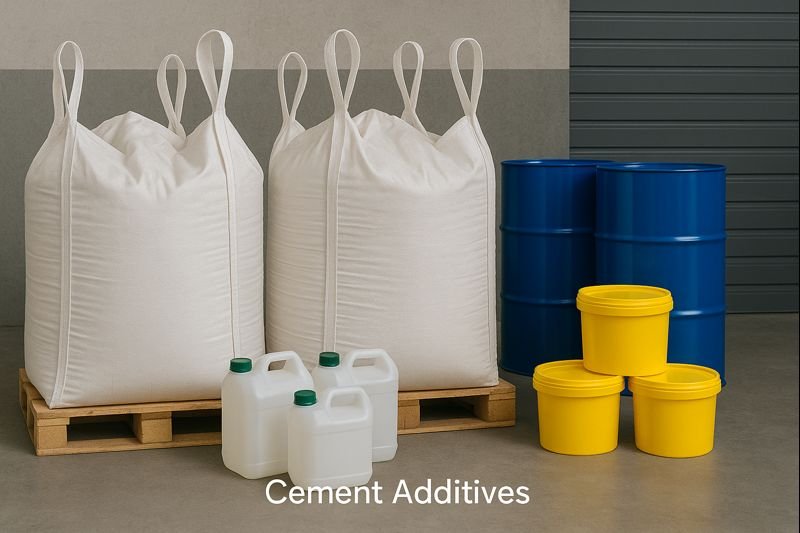
The construction industry faces growing demands for stronger, more durable cement. Without proper additives, cement performance fails, causing costly project delays and structural issues.
Cement additives1 are chemical compounds2 added to cement during manufacturing or mixing to enhance specific properties like setting time, workability, or strength. Quality additives typically comprise 0.1-5% of cement weight but significantly improve performance, durability, and application-specific characteristics.
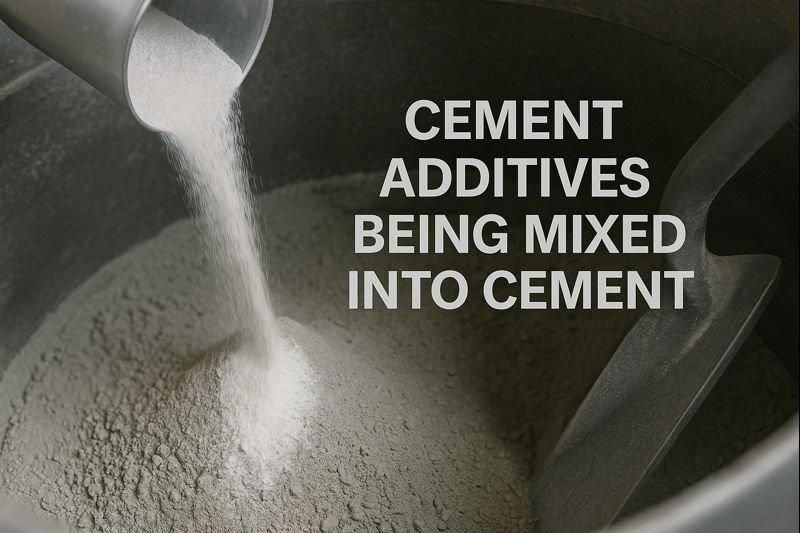
I've spent over 15 years working with cement additives at Kehao, and I've seen firsthand how the right additives transform ordinary cement into extraordinary building materials. Our customers across Saudi Arabia, UAE, and India consistently report improved workability and strength in their cement projects. Let me share what makes our cement additives stand out.
Your Trusted Cement Additives Supplier: Why Choose Kehao?
Finding reliable cement additive suppliers presents serious challenges. Poor quality additives lead to inconsistent cement performance, wasted materials, and project delays.
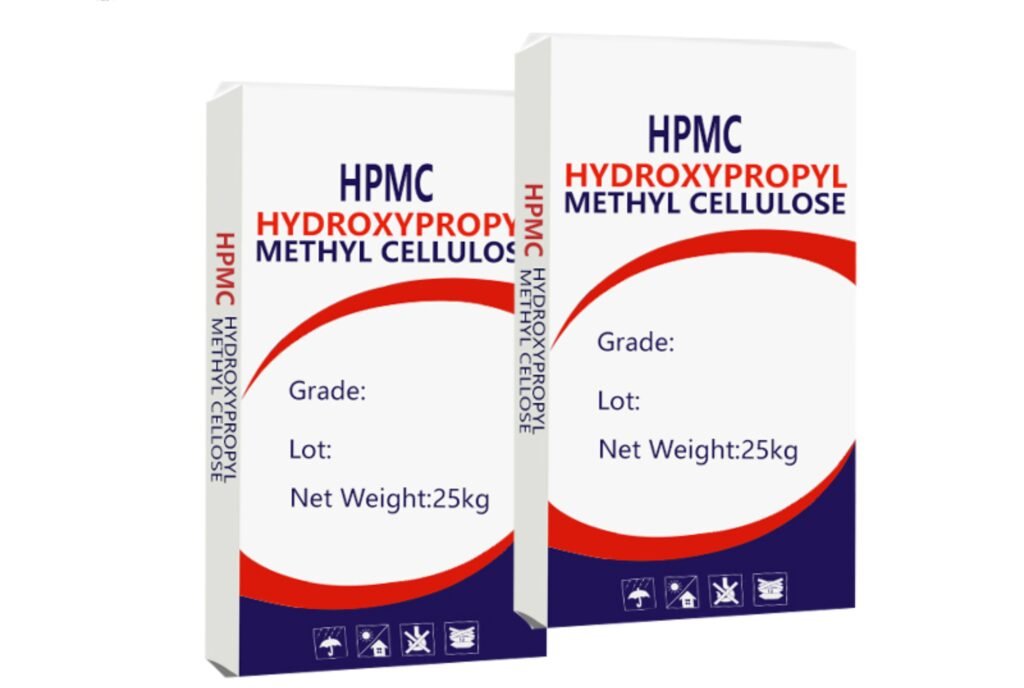
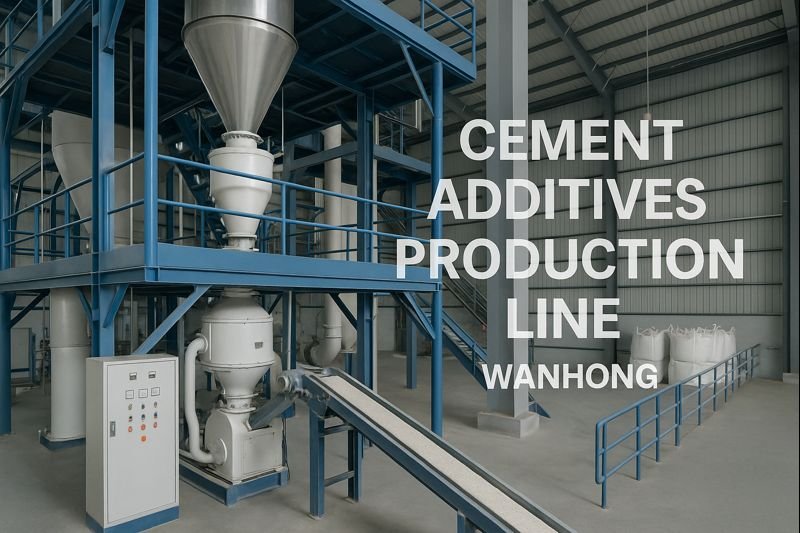
Kehao offers premium cement additives with consistent quality control, customizable packaging options, and six dedicated production lines. Our HPMC3, CMC4, HEC5, and redispersible powder additives are exported to over 15 countries with full certification and technical support.

I remember when a client from Saudi Arabia visited our factory last year. He had previously worked with three different suppliers who had all delivered inconsistent products. After touring our facility and seeing our quality control processes, he placed an order that same day. Six months later, he reported that his cement production efficiency had improved by 18%.
Quality Control Standards
| Our cement additives undergo rigorous testing at each production stage: | Test Stage | Parameters Checked | Frequency |
|---|---|---|---|
| Raw Material | Purity, Chemical Composition | Every batch | |
| Production | Viscosity, Particle Size | Hourly | |
| Final Product | Performance Testing, Moisture Content | Every batch |
Certifications
We maintain international standards with:
- ISO 9001:2015 Quality Management
- CE certification for European markets
- SGS tested products
- Environmental compliance certification
Exploring Our Various Types of Cement Additives: Which One Meets Your Needs?
Selecting inappropriate cement additives causes serious construction problems. Wrong choices lead to reduced structural integrity, poor workability, and expensive rework.
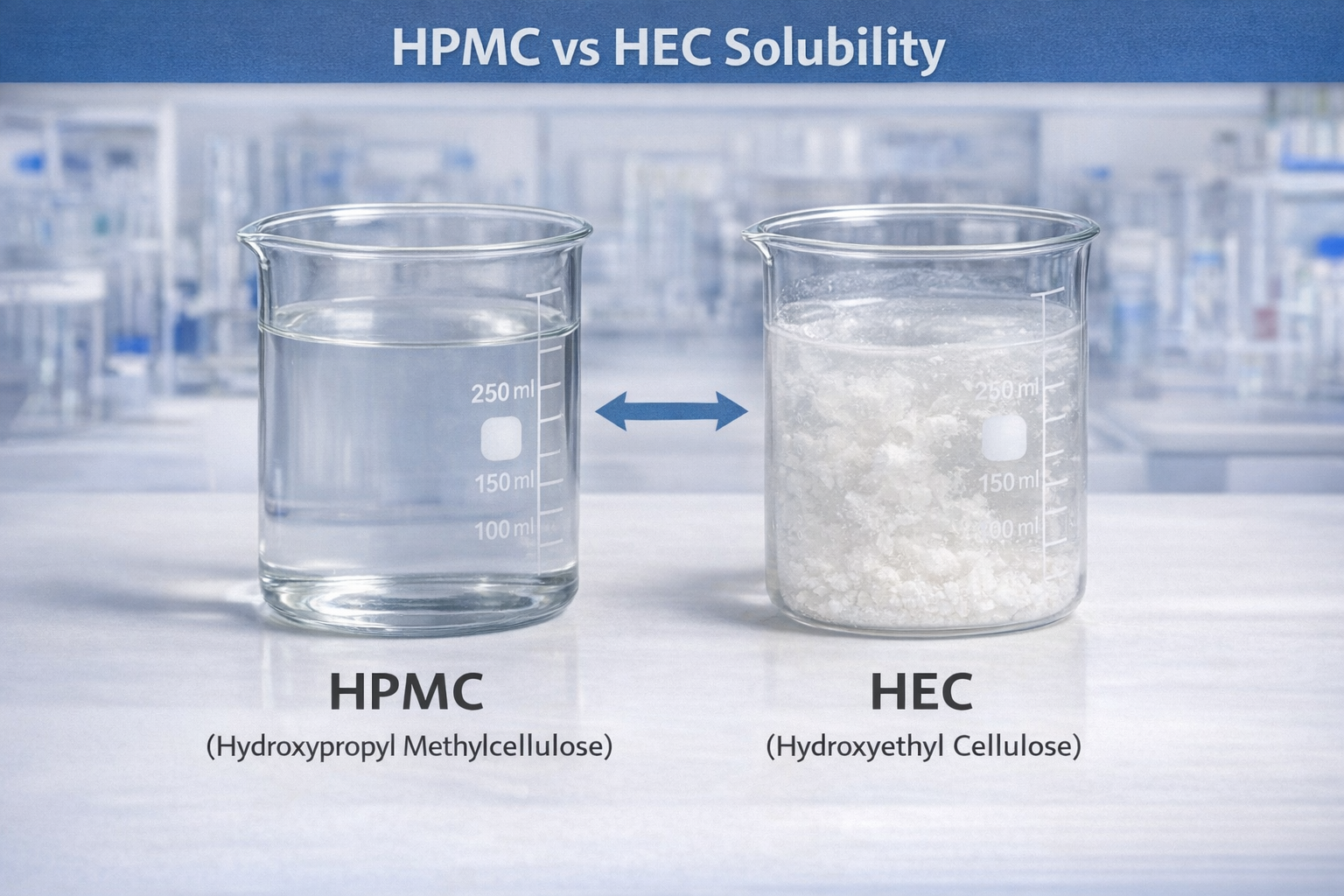
Kehao offers specialized cement additives including HPMC3 (hydroxypropyl methylcellulose), RDP6 (redispersible polymer powder), CMC4 (carboxymethyl cellulose), and HEC5 (hydroxyethyl cellulose). Each type serves specific functions from water retention7 and workability8 to improved adhesion and crack resistance.
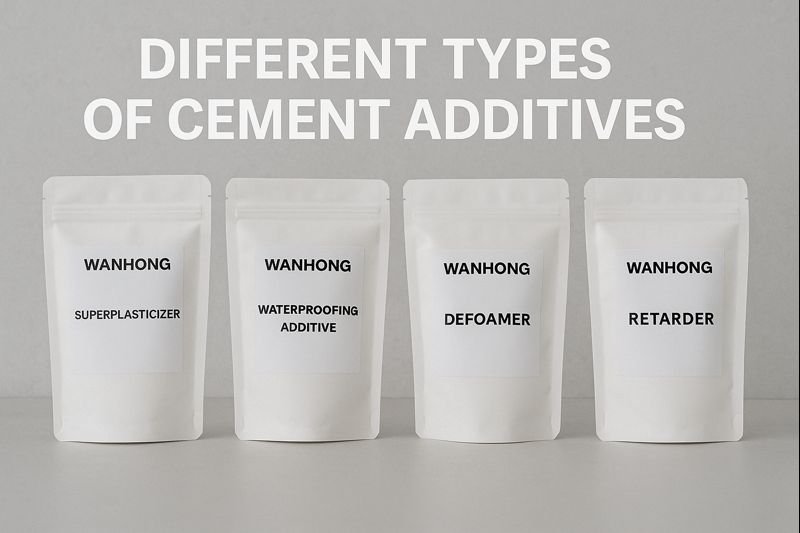
Cement additives aren't one-size-fits-all solutions. I've consulted with hundreds of construction material manufacturers9 who struggled with finding the right additive for their specific application. Our range of products addresses different construction challenges by targeting specific cement properties.
Primary Cement Additive Categories
We classify our cement additives based on their primary functions:
Water-Reducing Additives
These improve cement workability while reducing water requirements:
- HPMC (Hydroxypropyl Methylcellulose): Enhances water retention
- HEC (Hydroxyethyl Cellulose): Increases consistency and reduces bleeding
Strength-Enhancing Additives
For improved structural performance:
- RDP6 (Redispersible Polymer Powder): Boosts flexural strength
- Polypropylene Fibers: Increases tensile strength and crack resistance
Setting Time Modifiers
Control cement setting properties:
- Accelerators: Speed up setting in cold weather conditions
- Retarders: Slow setting in hot climates
Last month, a client from Mexico was struggling with cement that set too quickly in their hot climate. I recommended our CMC-based retarding additive, which extended working time by 45 minutes, solving their application issues completely.
Wanhong Cellulose Additives in Cement: How Do They Transform Construction?
Ordinary cement lacks critical properties like water retention and workability. Without cellulose additives, applications especially in hot climates suffer from premature drying and cracking.
Wanhong cellulose additives (HPMC, CMC, HEC) function as water retention agents and rheology modifiers in cement. These additives typically improve open time by 25-40%, enhance adhesion to substrates by 30%, and significantly reduce sagging in vertical applications.
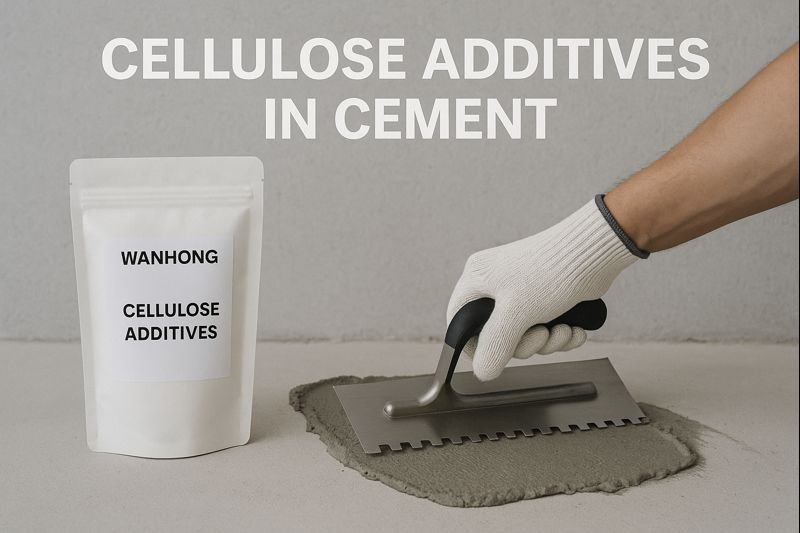
I've witnessed remarkable improvements in cement performance through our cellulose additives. During a project in Dubai where temperatures regularly exceed 40°C, our HPMC additive prevented premature water evaporation, allowing proper cement hydration despite the challenging conditions. This produced a stronger final product with fewer surface defects.
Cellulose Additives Performance Comparison
Different cellulose derivatives provide varying benefits in cement applications:
| Property | HPMC | CMC | HEC |
|---|---|---|---|
| Water retention | Excellent | Good | Very good |
| Workability | Excellent | Good | Excellent |
| Open time | +30-45 min | +15-30 min | +25-40 min |
| Sag resistance | High | Medium | High |
| Cost efficiency | Moderate | High | Moderate |
Application-Specific Benefits
Our cellulose additives deliver targeted improvements:
- Tile adhesives: Enhanced slip resistance and extended open time
- Self-leveling compounds: Improved flow properties and surface finishing
- Rendering mortars: Better workability and reduced cracking
- Joint fillers: Increased cohesion and reduced shrinkage
The technical director at a large Indian cement manufacturer told me they reduced their construction defect rate by 62% after incorporating our HPMC into their formulation. This translated to significant cost savings and improved customer satisfaction.
Cement Additives for Strength: How Can One Solution Deliver Multiple Performances?
Building with standard cement often results in structural weaknesses. Without strength-enhancing additives, buildings become vulnerable to cracking, erosion, and premature deterioration.
Strength-enhancing cement additives like RDP (redispersible polymer powder) and polypropylene fibers10 increase compressive strength by 15-30%, improve flexural strength by up to 40%, and enhance bonding to difficult substrates by creating polymer bridges between cement particles.
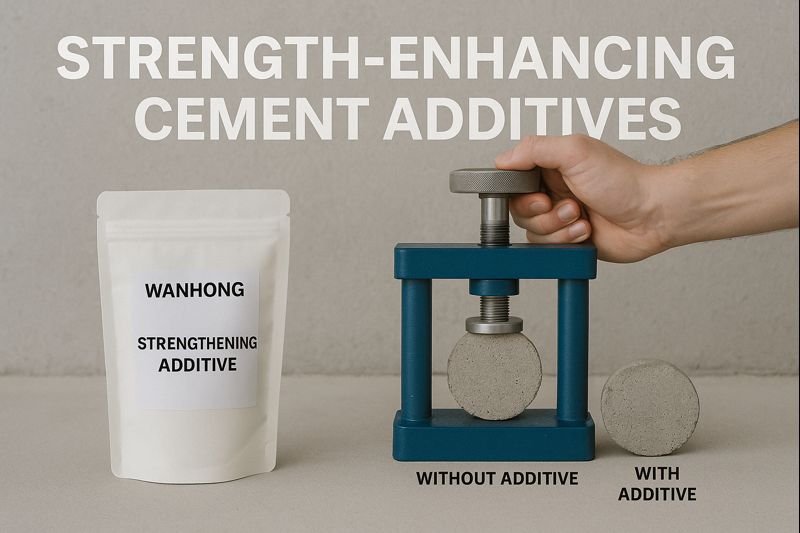
Our strength-enhancing additives create multi-dimensional benefits that transform ordinary cement into high-performance building materials. I recently visited a construction project in Pakistan where our RDP-enhanced cement was used for an eight-story commercial building. The contractor reported a 23% improvement in compressive strength tests compared to their previous formulation.
Performance Enhancement Mechanisms
Our strength additives work through several complementary processes:
Polymer Film Formation
RDP particles redisperse in water during mixing, then form continuous polymer films during drying that:
- Create flexible bridges between cement particles
- Fill micropores and reduce permeability
- Increase adhesion to various substrates
- Improve resistance to freeze-thaw cycles
Fiber Reinforcement
Polypropylene fibers provide:
- Three-dimensional reinforcement throughout the cement matrix
- Crack prevention during plastic and hardened states
- Impact resistance improvement
- Enhanced performance during seismic events
A client in the UAE construction industry conducted comparative testing between standard cement and our RDP-enhanced version. Their results showed:
- 27% higher compressive strength after 28 days
- 38% improved flexural strength
- 42% better adhesion to concrete substrates
- 65% reduction in water absorption
Flexible Payment Solutions Available for Your Cement Additive Orders: How Can We Facilitate Your Purchase?
Financial constraints often delay essential cement additive purchases. Limited payment options create cash flow problems and hinder project timelines.
Wanhong offers multiple payment solutions including L/C, T/T, Western Union, and trade assurance through Alibaba. We provide flexible terms with 30% deposit and 70% balance options, credit facilities for established customers, and volume-based discounts ranging from 5-15% for large orders.

Understanding the financial challenges faced by construction material manufacturers9, we've developed payment solutions that align with various business needs. I recall working with a Brazilian client who was expanding their operation but facing temporary cash constraints. We arranged a staggered payment schedule that allowed them to secure needed additives while managing their cash flow.
Payment Options Comparison
| Payment Method | Best For | Processing Time | Security Level |
|---|---|---|---|
| Letter of Credit (L/C) | Large orders | 5-7 business days | Very High |
| T/T (Bank Transfer) | Repeat customers | 2-3 business days | High |
| Western Union | Smaller orders | Same day | Medium |
| Alibaba Trade Assurance | New customers | 1-2 business days | High |
Volume Discount Structure
We reward larger commitments with progressive discounts:
- Orders 1-5 tons: Standard pricing
- Orders 6-20 tons: 5% discount
- Orders 21-50 tons: 8% discount
- Orders 50+ tons: 12-15% discount (negotiable)
Last quarter, a distributor from Vietnam combined orders from multiple customers to reach the 50+ ton threshold, saving over $12,000 through our volume discount program. This strategy has now become standard practice for several of our larger distributors.
Why Do Cement Additives Matter in Construction: Are They Really Necessary?
Basic cement formulations struggle to meet modern construction requirements. Without specialized additives, buildings face reduced durability, higher maintenance costs, and potential structural failures.
Cement additives are essential because they enhance critical properties like workability, strength, setting time, and durability. Modern construction standards often require performance levels that base cement cannot achieve, making additives necessary for compliance with building codes and extended structure lifespan.

Throughout my years in this industry, I've seen countless examples of how cement additives transform construction outcomes. During a project consultation in Singapore, I compared samples of standard cement against additive-enhanced versions after six months of weathering. The difference was striking – the standard cement showed significant erosion and microcracks, while our enhanced version maintained structural integrity and appearance.
Critical Performance Improvements
Cement additives provide measurable benefits across multiple dimensions:
Durability Enhancements
Properly formulated additives can:
- Reduce water permeability by up to 70%
- Increase freeze-thaw resistance by 3-4×
- Improve chemical resistance against aggressive environments
- Extend service life by 10-25 years depending on exposure conditions
Construction Process Benefits
Beyond the finished product, additives improve the construction process through:
- Extended workability time (15-45 minutes depending on formulation)
- Reduced labor costs through easier application
- Lower material waste from improved adhesion
- Faster project completion in certain applications
I remember visiting a construction site in Iran where workers were struggling with rapid cement setting due to high temperatures. After incorporating our retarding additive, their working time extended by 30 minutes, significantly reducing waste and improving the finished quality.
Our 90% Cement Additives Serve In Sustainable Future: How Can Partnerships Drive Innovation?
Traditional cement production generates substantial carbon emissions. Without sustainable innovations, the construction industry continues to be a major contributor to environmental degradation.
Kehao's cement additives contribute to sustainability by reducing cement content by up to 15% while maintaining strength, decreasing energy consumption during mixing and application, and extending structure lifespan up to 30%. Our partnership approach focuses on collaborative R&D for eco-friendly construction solutions.
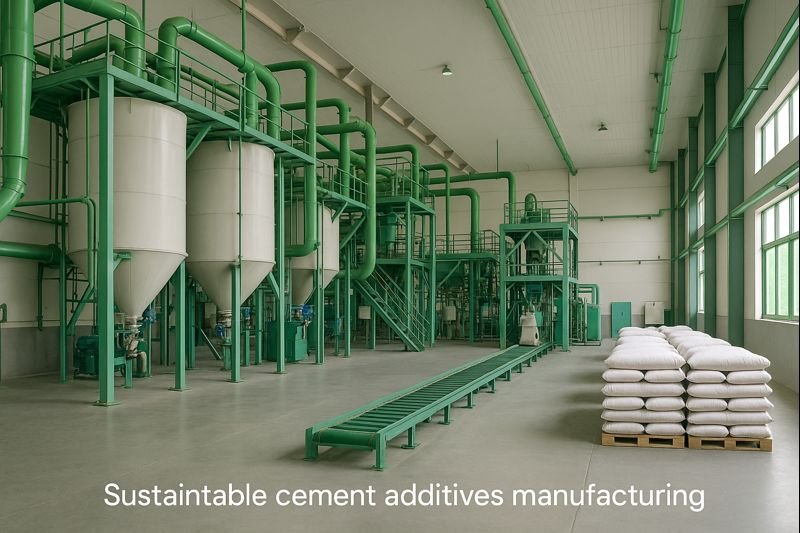
Sustainability isn't just a buzzword at Kehao – it's integrated into our product development and manufacturing processes. I've personally led initiatives to reduce our carbon footprint while enhancing product performance. Through partnerships with research institutions and forward-thinking clients, we're continuously advancing cement additive technology.
Environmental Impact Reduction
Our additives contribute to greener construction through:
Cement Content Optimization
- Reducing required cement content while maintaining performance
- Enabling use of supplementary cementitious materials (SCMs)
- Lowering the carbon footprint of finished structures
Production Efficiency Improvements
We've implemented several sustainability initiatives in our manufacturing:
| Initiative | Environmental Benefit | Implementation Date |
|---|---|---|
| Solar power installation | 35% reduction in grid electricity usage | 2019 |
| Water recycling system | 75% reduction in freshwater consumption | 2020 |
| Packaging material reduction | 18% less plastic per unit | 2021 |
| Waste heat recovery | 22% energy efficiency improvement | 2022 |
Collaborative Innovation
Our partnership approach includes:
- Joint research projects with universities
- Customer co-development programs
- Industry association participation
- Sustainability certification collaboration
Last year, we partnered with a major construction company in the Philippines to develop a cement additive that allowed the incorporation of 30% recycled concrete aggregate in new structures. This innovation diverted over 10,000 tons of concrete waste from landfills in just the first six months of implementation.
Other Types of Additives You May Be Interested In: What Else Can Enhance Your Construction Materials?
Construction materials often require multiple performance enhancements. Focusing solely on cement additives misses opportunities to improve overall building system performance.
Beyond cement additives, Wanhong offers complementary construction chemicals including waterproofing agents, concrete admixtures, epoxy resins, and surface treatments. These products work synergistically with cement additives to create comprehensive construction material solutions.
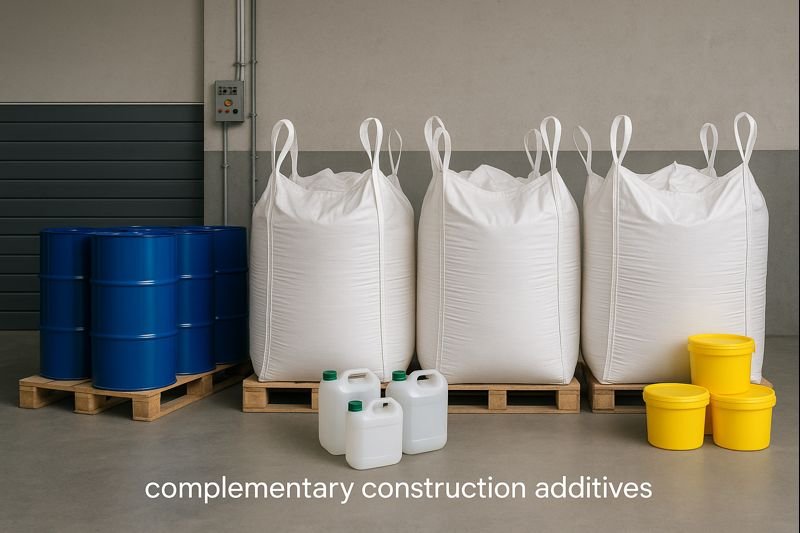
The construction industry rarely faces isolated challenges. In my experience consulting with customers across different regions, I've found that combining complementary additives creates superior results. When visiting a customer in Georgia who was struggling with both setting time and water resistance issues, we developed a combined solution using our HPMC cement additive and silicone-based waterproofing agent.
Complementary Additive Categories
Concrete Admixtures
Enhancing concrete performance through:
- Superplasticizers for high-flowability
- Air entraining agents for freeze-thaw resistance
- Corrosion inhibitors for reinforcement protection
- Shrinkage reducers for crack prevention
Waterproofing Solutions
Protecting structures against water damage:
- Crystalline waterproofing additives
- Hydrophobic pore blockers
- Silicone-based water repellents
- Polymer-modified bituminous coatings
Surface Treatment Products
Improving finished surface properties:
- Hardeners and densifiers
- Anti-dust treatments
- Decorative concrete additives
- Stain and UV protection coatings
A client in Mexico initially came to us for HPMC cement additives11 but later adopted our complete waterproofing system. They reported that the combined approach reduced callbacks for water intrusion issues by 83% compared to their previous year's projects.
FAQ
What is the recommended dosage for HPMC in cement applications?
Typically 0.2-0.5% of cement weight, depending on specific performance requirements and environmental conditions.
How do your additives affect cement setting time?
Our products can either extend setting time by 15-45 minutes or accelerate it by 20-40%, depending on which additive you choose.
Are your cement additives compatible with colored cement systems?
Yes, our additives are colorless or white and won't affect pigment performance in decorative concrete applications.
What certifications do your cement additives have?
All products have ISO 9001:2015, CE marking, and SGS verification. We also provide full technical documentation and safety data sheets.
How should your cement additives be stored?
Store in dry conditions between 5-30°C, away from direct sunlight, with unopened packages stable for 24 months from production date.
-
Explore how cement additives can enhance durability and performance in construction projects. ↩
-
Learn about the various chemical compounds that improve cement properties. ↩
-
Learn about HPMC's role in enhancing cement performance and its applications. ↩ ↩
-
Discover the unique properties of CMC and its impact on cement applications. ↩ ↩
-
Learn how HEC can improve the performance of cement in various conditions. ↩ ↩
-
Explore the benefits of RDP in improving the structural integrity of cement. ↩ ↩
-
Learn about the significance of water retention in achieving optimal cement performance. ↩
-
Discover the importance of workability in cement and how additives can enhance it. ↩
-
Explore the common challenges faced by manufacturers and how additives can help. ↩ ↩
-
Understand the benefits of incorporating polypropylene fibers into cement mixes. ↩
-
Discover the versatility and benefits of HPMC additives in construction. ↩