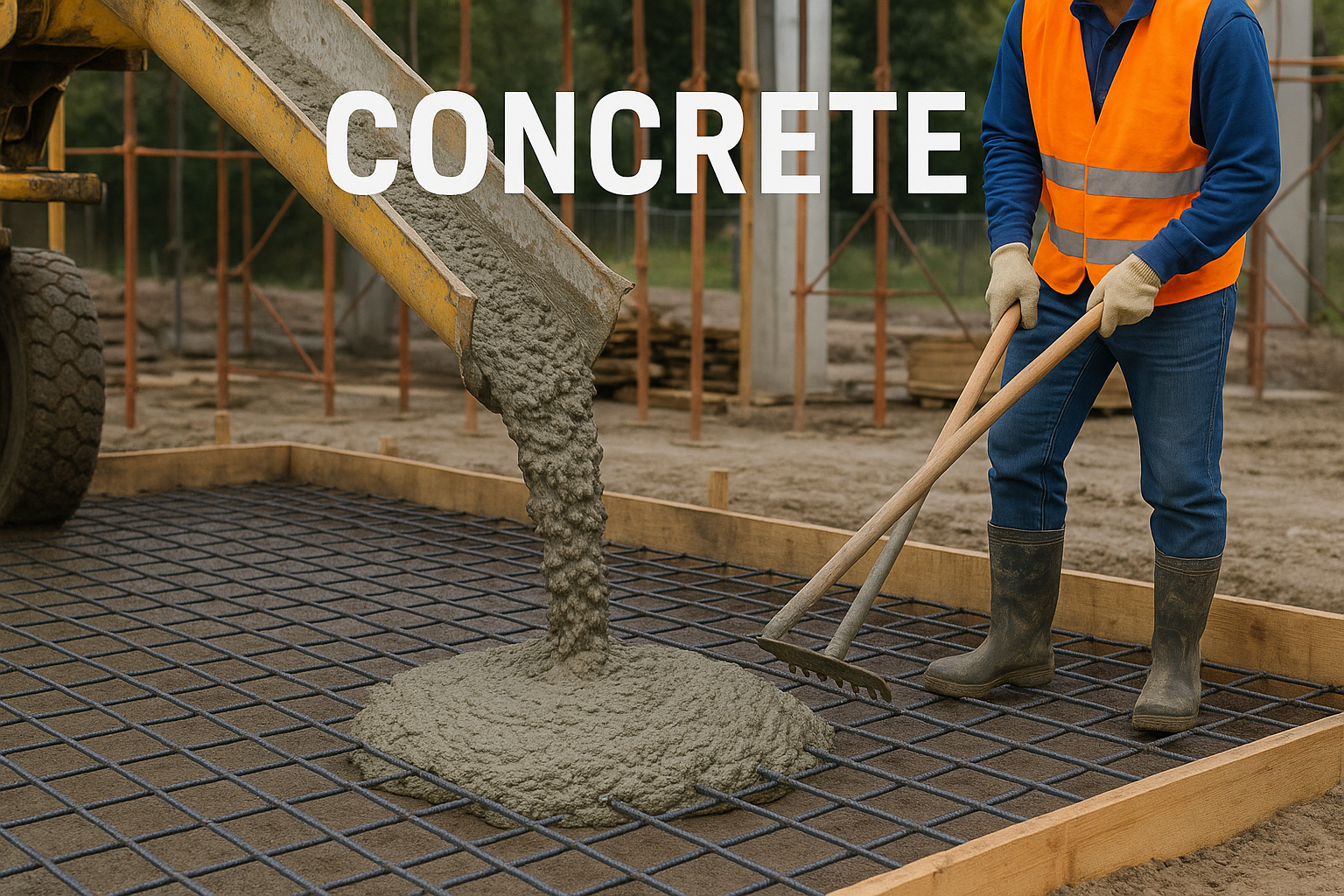
When building structures that last centuries, getting concrete wrong means disaster. Poor mix ratios, incorrect additives, or improper curing can lead to costly failures that compromise safety and require complete reconstruction.
Concrete is a composite material made from cement, water, aggregates (sand and gravel), and chemical additives. Its properties include compressive strength (2500-5000 psi for standard mixes), durability, workability, and setting time, which can all be modified through proper mix design and additives.
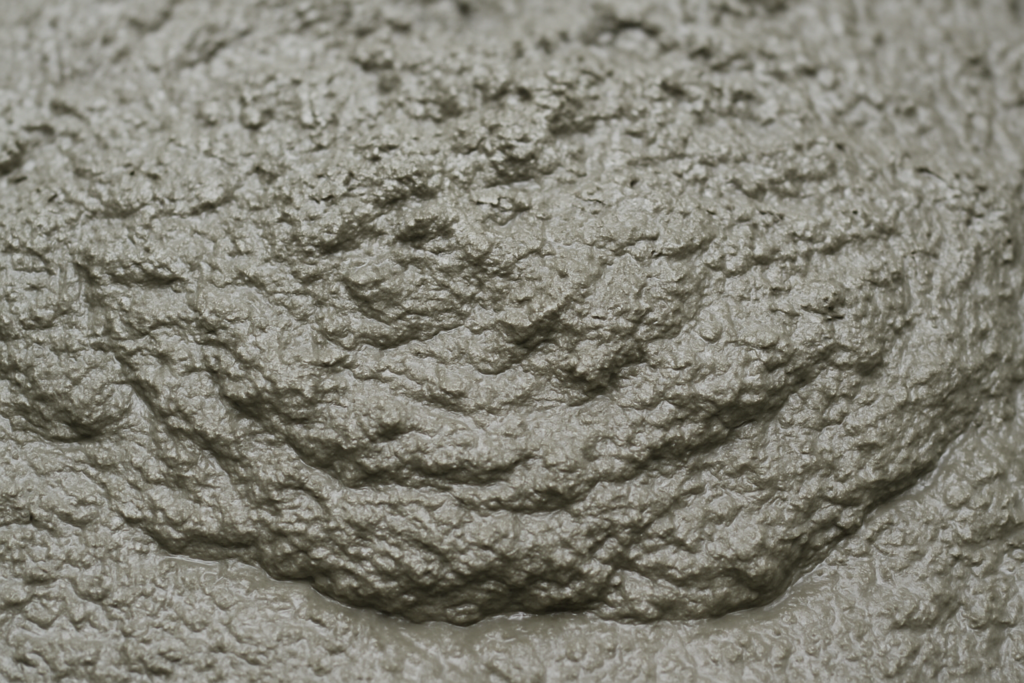
Understanding concrete isn't just about mixing ingredients—it's about creating a material that withstands time and the elements. Let me walk you through what I've learned about this remarkable building material that has shaped our world since Roman times.
What Are the Basic Properties of Concrete?
The nightmare scenario for any builder: pouring a foundation only to discover it's cracking, crumbling, or failing to set properly. Without understanding concrete's basic properties, you risk structural failure and expensive rework.
Concrete's primary properties include compressive strength (typically 20-40 MPa), workability measured by slump test (75-100mm for normal applications), durability against environmental factors, and permeability that affects water resistance. These properties determine concrete's performance in various construction applications.
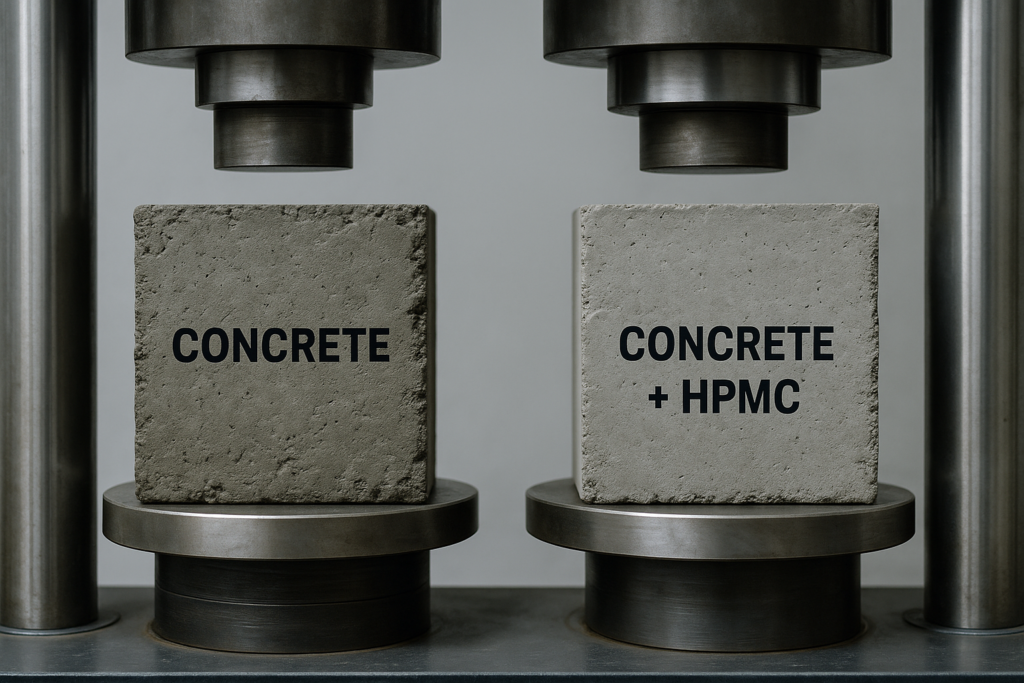
Dive deeper into concrete properties, and you'll discover why this material continues to dominate construction worldwide. Compressive strength is concrete's most celebrated quality—it can withstand enormous pressure from above but has comparatively poor tensile strength (resistance to being pulled apart). This is why we reinforce it with steel.
Key Concrete Properties Comparison
| Property | Typical Range | Influencing Factors | Importance |
|---|---|---|---|
| Compressive Strength | 20-40 MPa | Water-cement ratio, cement quality, curing | Structural integrity, load-bearing capacity |
| Workability | 50-150mm slump | Water content, admixtures, aggregate shape | Ease of placement, compaction quality |
| Setting Time | Initial: 30-90 mins Final: 3-8 hours | Temperature, cement type, admixtures | Construction scheduling, finishing operations |
| Durability | Variable | Mix design, curing, environment | Structure lifespan, maintenance requirements |
In my experience visiting construction sites across Asia, I've seen firsthand how concrete properties can vary dramatically between hot desert conditions and tropical monsoon regions. The key is understanding how each element—from aggregate size to water quality—affects the final product.
How Is Concrete Manufactured?
You've specified the perfect concrete mix, but your supplier delivers inconsistent batches that compromise your entire project. Without knowledge of the manufacturing process, you can't identify where quality control failed.
Concrete manufacturing involves carefully measuring and combining portland cement (10-15%), aggregates (60-75%), water (15-20%), and additives1 (1-5%). These materials are mixed in batches using specialized equipment, then transported to construction sites via trucks with rotating drums to prevent premature setting.
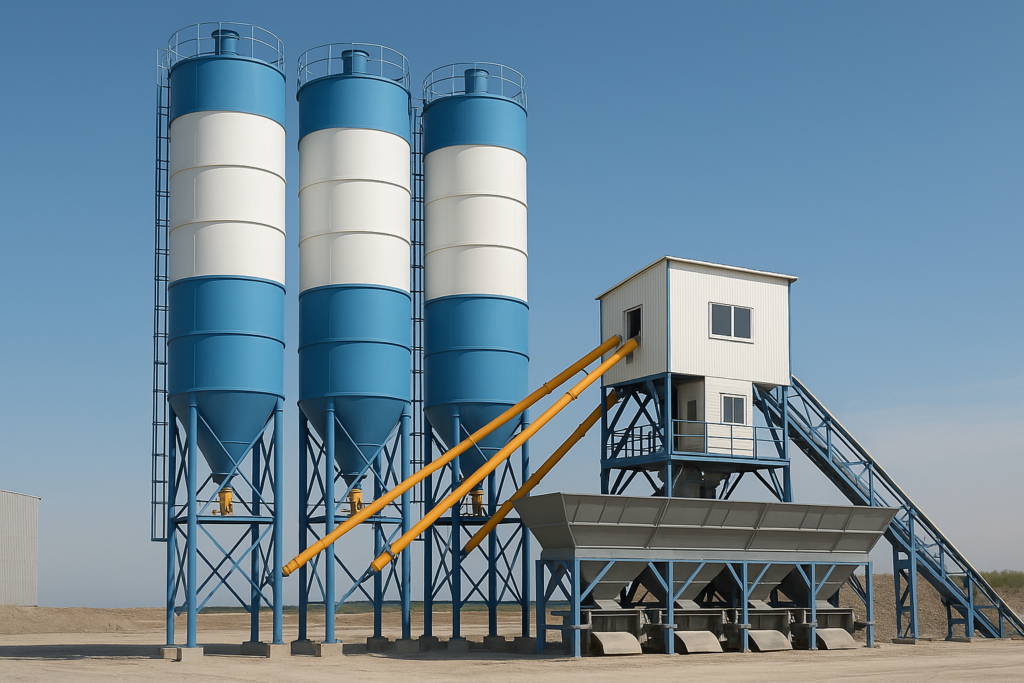
Diving deeper into concrete manufacturing reveals the critical balance of science and craftsmanship. The process begins with material selection—not all cement or aggregates are equal. Portland cement (the binding agent) comes in different types (I through V in the US system), each designed for specific applications and environments.
Modern concrete plants are marvels of precision. I visited a facility in Guangdong where computer-controlled systems weighed each component to within 1% accuracy. These batching plants can be stationary (for large-scale production) or mobile (for remote projects). The mixing process itself varies between:
Manufacturing Methods Comparison
| Method | Typical Use | Advantages | Limitations |
|---|---|---|---|
| Ready-mix | Commercial construction | Consistent quality, efficient | Limited working time (~90 mins) |
| Site-mixed | Small projects, remote locations | Fresh material, adaptable | Variable quality, labor-intensive |
| Precast | Factory-made elements | High quality control, rapid installation | Transportation limitations, less flexibility |
| Volumetric mixing | Remote sites, variable needs | Mixed on-demand, reduced waste | Higher equipment costs |
Temperature control during manufacturing is crucial—concrete generates heat through exothermic reactions as it sets. In our factory, we monitor this carefully as excessive heat can cause thermal cracking, especially in mass concrete structures like foundations or dams.
What Are the Essential Additives of Concrete?
Imagine pouring concrete in freezing temperatures only to watch it fail to set properly, or mixing a batch that hardens before your workers can place it properly. Without the right additives, concrete becomes unpredictable and potentially dangerous.
Essential concrete additives include water reducers to improve workability, air entrainers for freeze-thaw resistance, accelerators to speed setting in cold weather, retarders to slow setting in hot conditions, and superplasticizers to create flowable mixes with less water, enhancing both strength and durability.
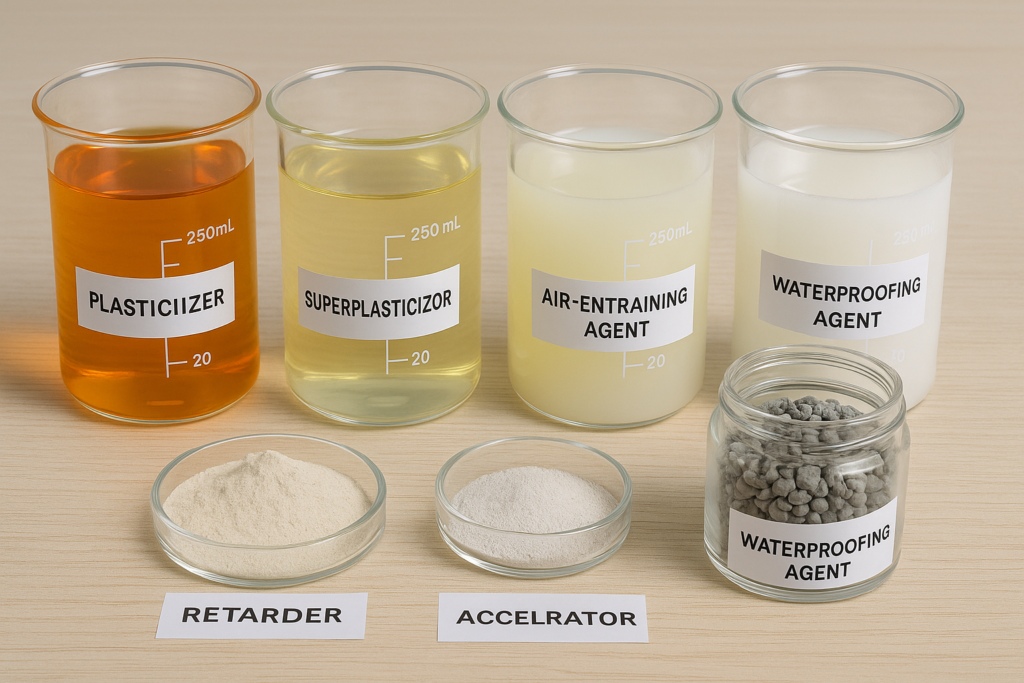
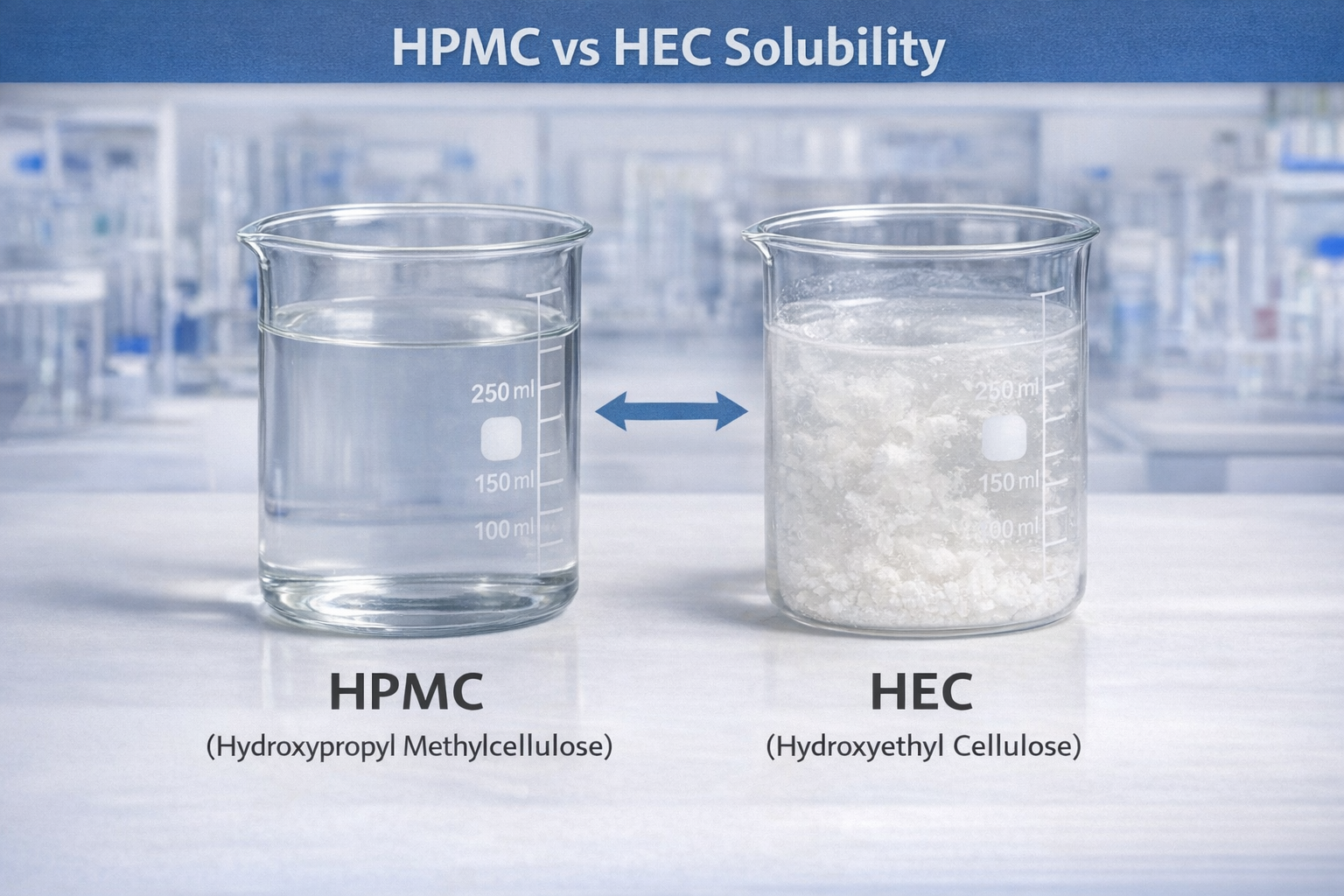
Diving deeper into the world of concrete additives reveals how these chemical compounds have revolutionized modern construction. Hydroxypropyl methylcellulose (HPMC), which we produce at our factory, plays a crucial role as a water retention agent in cement-based materials. It prevents water from evaporating too quickly, giving cement particles time to fully hydrate and develop optimal strength.
The science behind these additives is fascinating. For example, superplasticizers work by dispersing cement particles through electrostatic repulsion, allowing concrete to flow like honey while maintaining strength. This enables spectacular architectural features and pumping concrete to great heights—like the Burj Khalifa, where concrete was pumped over 600 meters high!
Key Concrete Additives and Their Functions
| Additive Type | Primary Function | Dosage Range | Best Applications |
|---|---|---|---|
| HPMC | Water retention, improved workability | 0.1-0.4% | Tile adhesives, self-leveling compounds |
| Superplasticizers | Dramatic water reduction, increased flowability | 0.5-2% | High-strength concrete, difficult placements |
| Air Entrainers | Freeze-thaw durability | 0.05-0.1% | Exterior concrete in cold climates |
| Accelerators | Speed setting time | 1-3% | Winter concreting, early strength needs |
| Retarders | Delay setting | 0.1-0.5% | Hot weather concreting, large pours |
During my visits to construction sites in Saudi Arabia, I've witnessed how critical these additives become in extreme heat, where without proper retarders, concrete might begin setting before workers can even place and finish it properly.
How to Balance Concrete Performance for Different Applications?
You've used the same concrete mix for years, but suddenly it's failing in a new high-rise project. Without understanding how to balance concrete performance factors, you're gambling with structural integrity and your company's reputation.
Balancing concrete performance requires adjusting the water-cement ratio (typically 0.4-0.6), aggregate gradation, and specific additives based on application needs. For water resistance, lower the w/c ratio and add hydrophobic agents; for freezing environments, incorporate air entrainers; for high strength, use superplasticizers with lower w/c ratios.
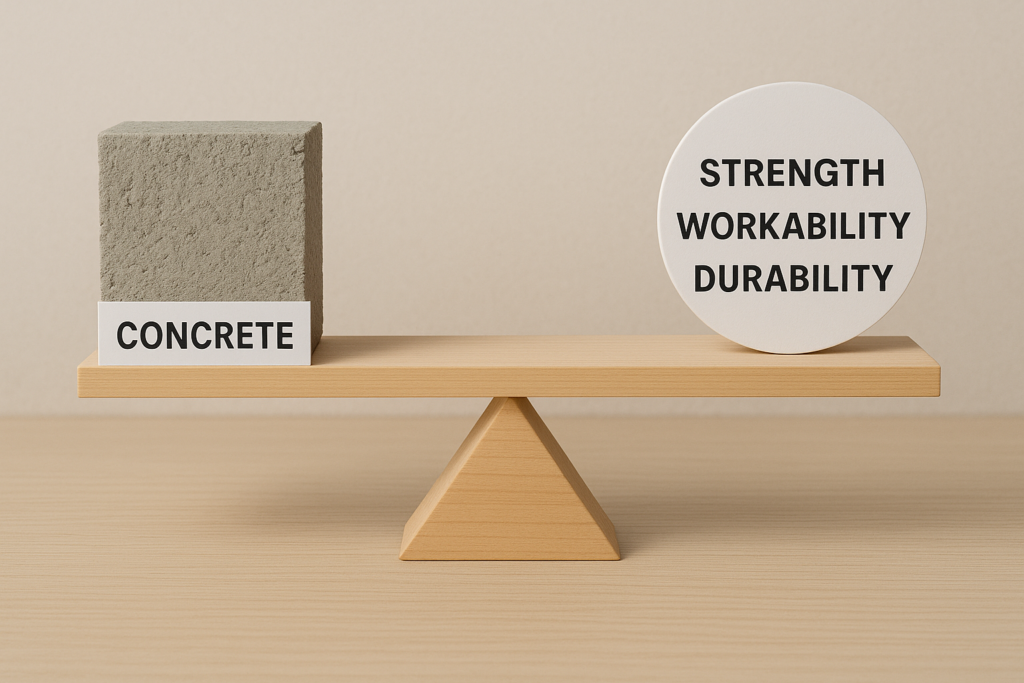
Diving deeper into concrete performance reveals the intricate dance between conflicting properties. For instance, increasing workability typically means adding more water, which decreases strength. However, modern chemical additives like our HPMC and superplasticizers allow concrete to remain flowable without compromising strength—a technological breakthrough that has transformed construction.
Different applications demand different balances. Infrastructure projects like dams require low heat of hydration but high ultimate strength. High-rise buildings need high early strength for fast construction cycles but must also resist creep (long-term deformation under load). Marine structures demand exceptional resistance to chloride penetration.
I remember consulting on a bridge project in Vietnam where the coastal environment demanded special attention to durability. We formulated a mix with silica fume (a supplementary cementitious material) and corrosion inhibitors to protect the reinforcing steel from salt penetration—a balance of immediate workability and long-term performance.
Application-Specific Concrete Requirements
| Application | Critical Properties | Special Considerations | Typical Additives |
|---|---|---|---|
| High-rise Buildings | High strength, pumpability | Creep resistance, modulus of elasticity | Superplasticizers, silica fume |
| Bridges | Durability, crack resistance | Fatigue performance, freeze-thaw cycles | Air entrainers, corrosion inhibitors |
| Industrial Floors | Abrasion resistance, flatness | Low shrinkage, joint spacing | Fiber reinforcement, hardeners |
| Dams | Low heat generation, watertightness | Mass concrete thermal control | Set retarders, fly ash |
| Marine Structures | Chloride resistance, impermeability | Reinforcement protection | Corrosion inhibitors, waterproofers |
The key to success is recognizing that concrete isn't a one-size-fits-all material. Each project requires thoughtful analysis of performance requirements and environmental conditions.
What Is the Ideal Concrete Mix Ratio?
Your contractor claims they're using "standard mix," but cracks appear within months. Without specifying exact concrete ratios, you've left quality to chance and now face expensive repairs and uncertain durability.
The ideal concrete mix ratio depends on the application but typically follows the 1:2:3 formula—one part cement, two parts sand, and three parts gravel—with a water-cement ratio of 0.45-0.55. High-strength applications require richer mixes (1:1.5:2.5), while economical applications might use leaner mixes (1:2.5:3.5).
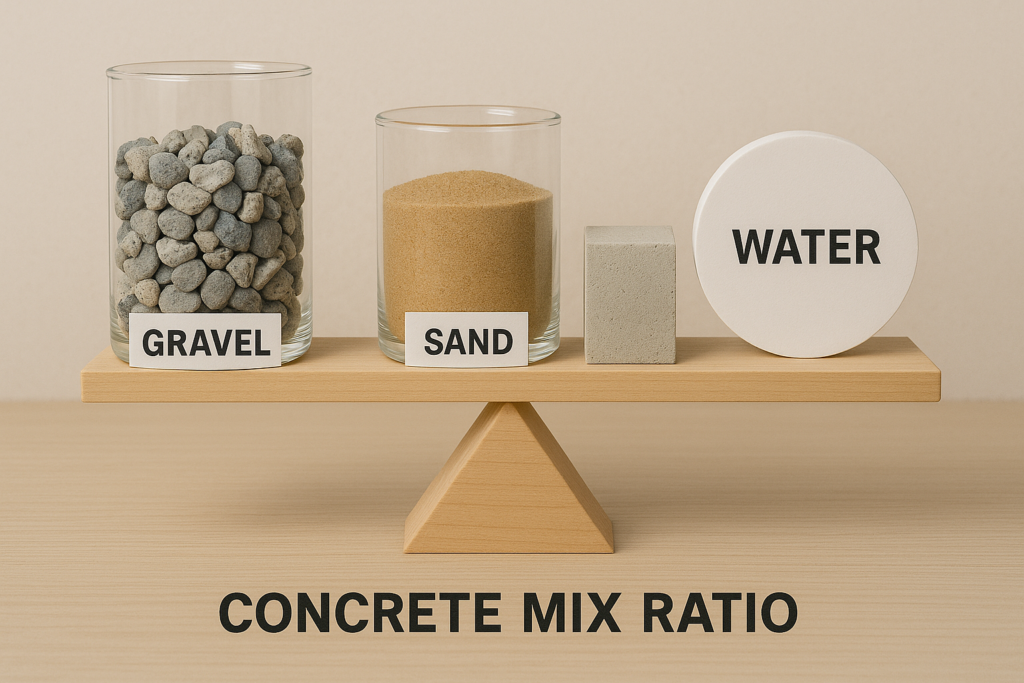
Diving deeper into concrete mix ratios reveals the science behind these proportions. The ratio directly affects virtually every property of the finished concrete. Traditional mix design methods like ACI (American Concrete Institute) or DOE (Department of Environment, UK) provide frameworks, but experienced engineers adjust these based on local materials and conditions.
I've found through our factory testing that the ideal water-cement ratio follows an inverse relationship with strength—lower ratios produce stronger concrete but decrease workability. This is where our additives become crucial. For example, adding just 0.2% HPMC to a mix can maintain workability at a lower water-cement ratio, significantly increasing strength and durability.
Aggregate gradation—the distribution of particle sizes—plays a surprisingly important role. Well-graded aggregates with particles of various sizes pack more efficiently, reducing void spaces and cement paste requirements. I recall a project in Pakistan where locally available aggregates had poor gradation, forcing us to blend materials from different sources to achieve the proper distribution.
Concrete Mix Designs for Different Strengths
| Strength Class | Cement | Sand | Coarse Aggregate | W/C Ratio | Expected Strength |
|---|---|---|---|---|---|
| Low (15 MPa) | 1 | 3 | 5 | 0.7 | Foundation in dry conditions |
| Medium (25 MPa) | 1 | 2 | 3 | 0.5 | General construction, slabs |
| High (35 MPa) | 1 | 1.5 | 2.5 | 0.45 | Columns, beams, heavy load areas |
| Ultra-High (50+ MPa) | 1 | 1 | 2 | 0.35 | High-rise buildings, bridges |
Beyond these basic components, modern concrete often includes supplementary cementitious materials like fly ash, slag, or silica fume—industrial byproducts that improve performance while reducing the carbon footprint of concrete production.
What Is the Role of Concrete Additives in Modern Construction?
Traditional concrete was cracking in your hot climate project, causing delays and budget overruns. Without modern additives, you're stuck with outdated performance limitations that can't meet today's demanding construction schedules and durability requirements.
Concrete additives play crucial roles in modern construction by enhancing specific properties: water reducers increase strength by lowering water content; set controllers adjust hardening time; air entrainers improve freeze-thaw resistance; and specialized polymers like HPMC improve water retention and workability for better finishing and curing.
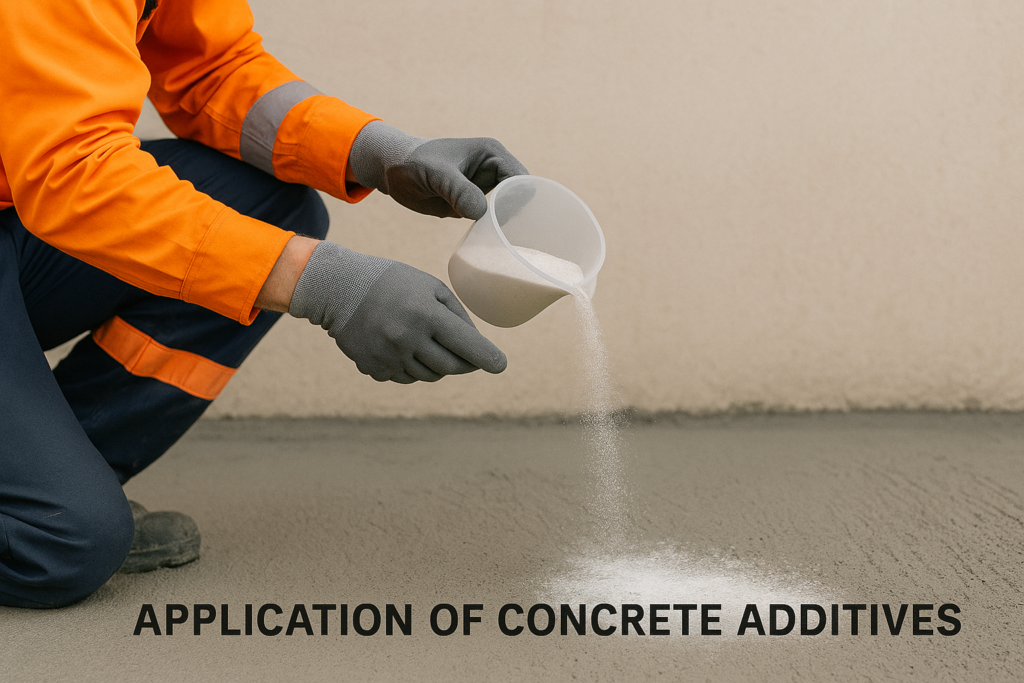
Diving deeper into concrete additives reveals how they've transformed what's possible in construction. Before these chemical innovations, concrete had significant limitations—slow strength development, poor workability, and vulnerability to environmental conditions. Today's additives address these challenges through sophisticated chemistry.
In our factory, we produce redispersible polymer powder2 that transforms ordinary cement mortars into high-performance building materials. When added to concrete, these polymers form elastic microfilms throughout the matrix, improving flexibility and bonding strength—crucial for applications like exterior insulation finishing systems and tile adhesives.
The evolution of concrete additives has been revolutionary. First-generation additives in the 1930s were simple accelerators and water reducers. Today's fourth-generation products offer multiple functions simultaneously. For instance, polycarboxylate-based superplasticizers can reduce water content by up to 40% while maintaining flowability, enabling self-compacting concrete that requires no vibration to fill forms completely.
Concrete Additive Evolution and Benefits
| Additive Generation | Key Compounds | Water Reduction | Workability Extension | Example Applications |
|---|---|---|---|---|
| First (1930s) | Lignosulfonates | 5-10% | 30-60 minutes | Basic water reduction |
| Second (1960s) | Napthalene-based | 10-20% | 60-90 minutes | Higher strength concrete |
| Third (1980s) | Melamine-based | 20-30% | 90-120 minutes | High-performance structures |
| Fourth (2000s+) | Polycarboxylates | 30-40% | 120-180 minutes | Self-compacting concrete, ultra-high strength |
During my site visits across developing markets, I've seen how these additives solve real-world problems. In Vietnam's tropical climate, concrete sets extremely quickly, making placement difficult. By incorporating our tailored retarding admixtures, contractors gained valuable working time without sacrificing strength development.
How to Calculate the Concrete Mix Design?
You ordered concrete based on guesswork rather than calculations, and now your structure is showing signs of weakness. Without proper mix design calculations, you risk structural failure, wasted materials, and project delays.
Calculating concrete mix design follows systematic steps: determine required strength (typically 25-40 MPa), select water-cement ratio (usually 0.4-0.6), calculate cement content, determine aggregate proportions using grading curves, and adjust for moisture content. The calculations ensure adequate strength, workability, and durability for specific project requirements.

Diving deeper into concrete mix design reveals the science behind these calculations. The process typically begins with establishing performance requirements—not just strength, but also workability (measured by slump), durability considerations, and any special requirements like sulfate resistance or low heat of hydration.
I've found the absolute foundation of mix design is the water-cement ratio principle established by Duff Abrams in 1918, demonstrating that strength is inversely proportional to the ratio of water to cement. Modern mix design methods build on this principle while incorporating the effects of aggregate properties, chemical admixtures, and supplementary cementitious materials.
When consulting for clients in Middle Eastern countries, I often use the American Concrete Institute (ACI) method, which follows these sequential steps:
- Select the target slump based on placement conditions
- Determine maximum aggregate size based on structural constraints
- Estimate mixing water and air content
- Select water-cement ratio based on strength and durability requirements
- Calculate cement content
- Estimate coarse aggregate content
- Calculate fine aggregate content
- Adjust for aggregate moisture
- Perform trial batches and adjust as needed
Concrete Mix Design Example:
| Design Parameter | Calculation | Example Value | Notes |
|---|---|---|---|
| Required Strength | Specified + Safety Margin | 30 MPa + 8.5 MPa = 38.5 MPa | Includes statistical safety factor |
| Water-Cement Ratio | Based on target strength | 0.45 | From strength-ratio curves |
| Cement Content | Water ÷ W/C ratio | 180 kg/m³ ÷ 0.45 = 400 kg/m³ | For moderate workability |
| Coarse Aggregate | Based on maximum size and fineness modulus | 1100 kg/m³ | Using volume fraction method |
| Fine Aggregate | By absolute volume method | 700 kg/m³ | Fills remaining volume in 1m³ |
| Additives | Percent of cement weight | HPMC: 0.2% = 0.8 kg/m³ | Enhances workability |
During my time consulting for large-scale projects, I've witnessed how proper mix design calculations directly translate to construction success. One memorable project in Dubai required concrete that could withstand extreme desert conditions while maintaining workability long enough for proper placement. Through careful calculations and additive selection, we achieved a mix that maintained a 90-minute working time despite 45°C (113°F) ambient temperatures.
Why Is Water Quality Important in Concrete?
You've meticulously measured your concrete mix proportions, but the finished product is weak and crumbling. The culprit might be hiding in plain sight—the water you're using contains impurities that sabotage the chemical reactions necessary for proper setting and strength.
Water used in concrete should be clean and free from harmful impurities like oils, acids, alkalis, salts, organic materials, and silt. These contaminants can interfere with cement hydration, reduce concrete strength by 10-30%, cause efflorescence, accelerate reinforcement corrosion, and lead to unpredictable setting times.
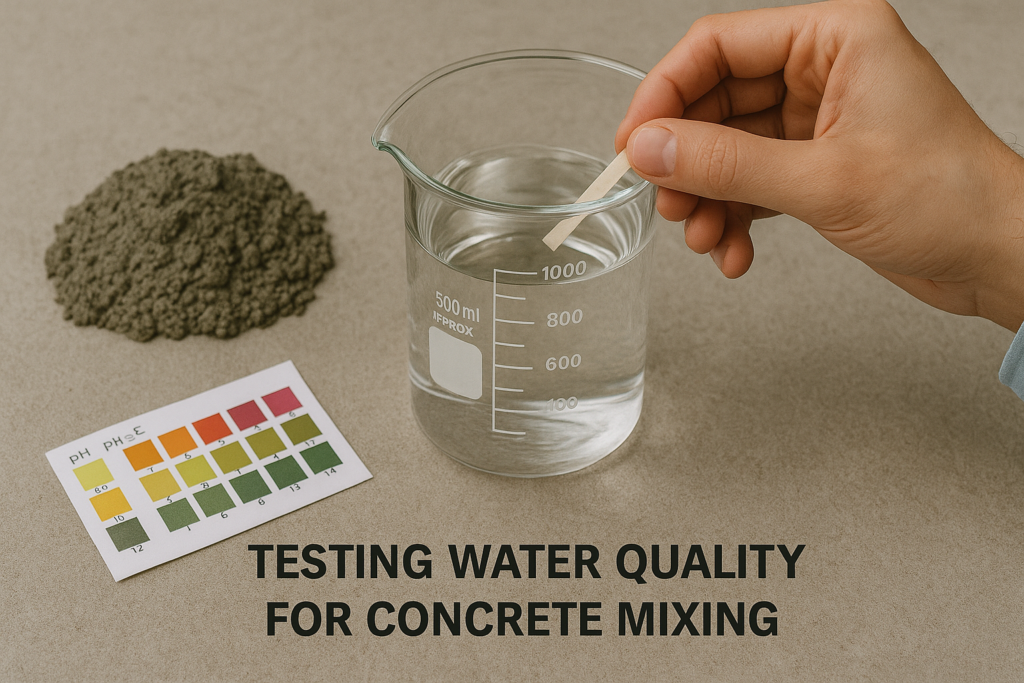
Diving deeper into water quality reveals why seemingly minor impurities can have major consequences. Water plays two crucial roles in concrete: it enables the chemical reactions that harden cement (hydration), and it provides workability for proper placement. Impurities can disrupt both functions.
During factory visits across developing regions, I've witnessed the dramatic differences in concrete performance based solely on water quality. In one memorable case in South Asia, a contractor was using water from a local pond that contained high levels of organic matter. The resulting concrete had severely reduced strength and exhibited unpredictable setting behavior. Simply switching to clean municipal water increased strength by 22% with no other changes to the mix.
Effects of Common Water Contaminants on Concrete
| Contaminant | Maximum Allowable Limit | Effects on Concrete | Detection Method |
|---|---|---|---|
| Suspended Solids | 2000 ppm | Reduced strength, surface defects | Visual, filtration test |
| Dissolved Salts | 1000 ppm | Efflorescence, reinforcement corrosion | Electrical conductivity |
| Chlorides | 500 ppm | Accelerated corrosion of reinforcement | Chemical titration |
| Sulfates | 1000 ppm | Expansion, cracking, deterioration | Barium chloride test |
| Alkalis | 600 ppm | Alkali-silica reaction, cracking | pH meter |
| Sugar | 100 ppm | Severe retardation or prevention of setting | Chemical analysis |
| Oil/Grease | Virtually none | Severe strength reduction, air entrainment | Visual, separation test |
The general rule for construction sites: if water is drinkable, it's usually suitable for concrete. However, when potable water isn't available, testing becomes essential. Simple field tests include setting time comparison (comparing concrete made with distilled water versus site water) and strength tests (comparing 7-day strengths of test specimens).
In our laboratory, we routinely test water samples from clients' sites to ensure compatibility with our cement additives. Modern construction standards like ASTM C1602 provide detailed requirements for mixing water quality, helping to ensure consistent concrete performance worldwide.
Why Is the 28 Days Compressive Strength of Concrete Generally Specified?
Your structure needs to bear loads immediately after construction, but the concrete hasn't reached its design strength. Without understanding concrete's strength development timeline, you risk catastrophic structural failure by removing formwork or applying loads too early.
The 28-day compressive strength3 is specified because concrete typically reaches approximately 70% of its ultimate strength at 7 days and 90% at 28 days under normal conditions. This timeframe provides a practical balance between construction schedules and ensuring adequate strength, while allowing enough time for quality control testing.
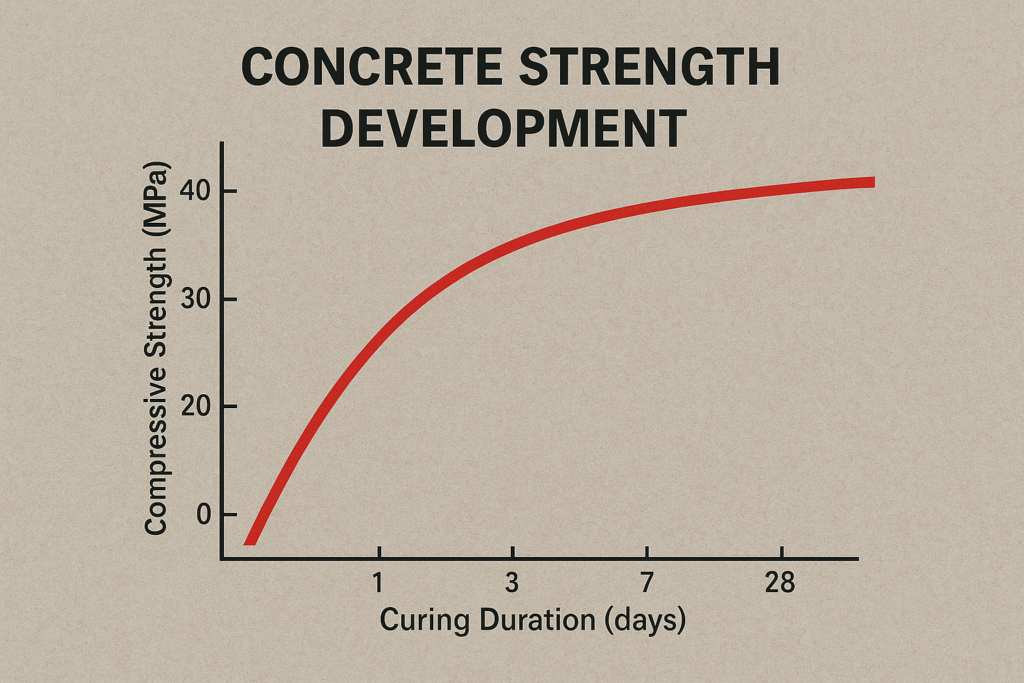
Diving deeper into concrete's strength development reveals the fascinating chemistry behind this timing. Concrete doesn't "dry" to harden—it undergoes hydration, a chemical reaction between cement and water that continues for years. The rate follows a logarithmic curve: rapid early strength gain that gradually slows over time.
The 28-day benchmark originated in the early 20th century as a standardized testing period that balanced practical construction schedules with reliable strength prediction. During my work with construction teams across developing nations, I've often had to explain that concrete continues gaining strength well beyond 28 days—sometimes reaching 150% of its 28-day strength after a year.
Concrete Strength Development Timeline
| Age | Typical Strength Percentage | Critical Construction Activities | Influencing Factors |
|---|---|---|---|
| 1 day | 16-30% | Formwork for columns can be removed | Temperature, cement type |
| 3 days | 40-60% | Floor formwork can be removed | Water-cement ratio, additives |
| 7 days | 65-80% | Light construction traffic allowed | Curing conditions, cement fineness |
| 14 days | 80-90% | Moderate loading permitted | Supplementary materials (fly ash, slag) |
| 28 days | 90-100% | Design strength reached | Mix proportions, aggregate quality |
| 90 days | 100-120% | Full service loads applied | Continued hydration, moisture availability |
| 365 days | 110-130% | Long-term performance evaluation | Environmental exposure, maintenance |
Different construction applications have different strength development needs. When I consulted on a high-rise project in Singapore, we modified the traditional 28-day specification to a 56-day requirement, allowing for a higher percentage of supplementary cementitious materials that develop strength more slowly but ultimately produce stronger, more durable concrete.
Modern accelerated testing methods can predict 28-day strength from tests conducted after just 1-3 days, using maturity methods or accelerated curing techniques. These approaches help construction teams make faster decisions while maintaining quality control.
How to Properly Cure Concrete?
You've poured perfect concrete only to watch it develop surface cracks within days. The missing step? Proper curing—without it, even the best-designed concrete mix can lose up to 50% of its potential strength and durability.
Properly curing concrete involves maintaining adequate moisture and temperature (ideally 15-25°C) for at least 7 days after placement. This ensures continued hydration for strength development and prevents shrinkage cracking. Methods include water curing (ponding, spraying, wet coverings), membrane curing (curing compounds), or sealed curing (plastic sheets, forms left in place).

Diving deeper into concrete curing reveals it's not just about preventing surface drying—it's about maintaining the internal conditions necessary for cement hydration. When concrete dries prematurely, the chemical reactions necessary for strength development simply stop. The outer layer is most vulnerable, which is why many strength and durability problems begin at the surface.
During my visits to projects in the Middle East, I've seen firsthand how challenging proper curing can be in extreme environments. In Saudi Arabia's summer heat, concrete surface temperatures can reach 70°C (158°F), causing rapid evaporation. In such conditions, we recommend specialized curing compounds with high efficiency ratings and sometimes even nighttime concreting to minimize heat-related issues.
Comparative Effectiveness of Curing Methods
| Curing Method | Water Retention Efficiency | Duration Required | Best Applications | Challenges |
|---|---|---|---|---|
| Ponding/Immersion | Excellent (95%+) | 7-14 days | Flat horizontal surfaces | Labor-intensive, water availability |
| Sprinklers/Foggers | Very Good (85-95%) | 7 days continuous | Large horizontal areas | Water runoff, consistent coverage |
| Wet Coverings | Good (80-90%) | 7 days, rewet as needed | Various geometries | Labor to maintain moisture, coverage issues |
| Curing Compounds | Variable (70-90%) | Single application | Vertical surfaces, large areas | Surface preparation, uniform application |
| Plastic Sheeting | Very Good (85-95%) | 7 days minimum | Precast elements, small areas | Securing edges, preventing drying |
| Steam Curing | Excellent (90%+) | 12-18 hours | Precast factory production | Energy costs, specialized equipment |
| Self-Curing Admixtures | Moderate (75-85%) | Internal, no external curing | Difficult access areas | Higher material cost, less proven |
The timing of curing is critical—it should begin as soon as concrete reaches its initial set and can no longer be damaged by the curing method. For most mixes, this is within 1-3 hours after placement. Our HPMC products4 help by increasing water retention within the concrete, providing a form of internal curing that supplements external methods.
What Are the Differences Between Natural and Steam Curing?
Your precast concrete elements need to be manufactured faster to meet tight project deadlines, but standard natural curing takes days before forms can be removed. Without understanding accelerated curing options, your production schedule remains unnecessarily slow.
Natural curing relies on ambient conditions and takes 7-14 days to develop adequate strength, while steam curing accelerates strength development using elevated temperatures (50-85°C) and humidity (95%+), achieving in 12-18 hours what would take 7 days naturally. Steam curing enables faster production cycles but requires specialized equipment and higher energy costs.
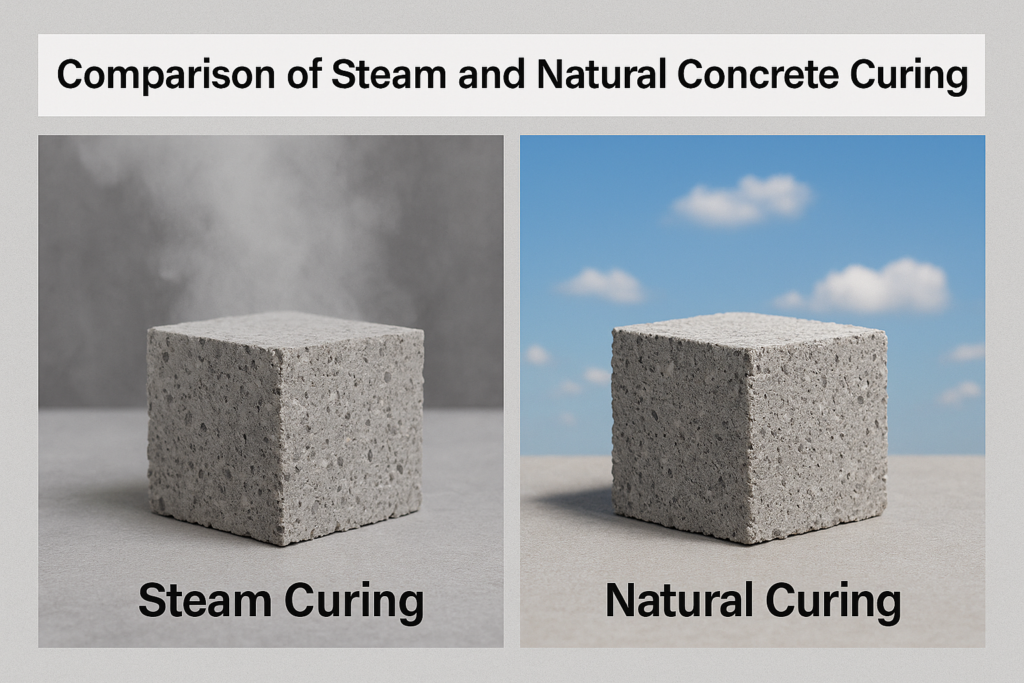
Diving deeper into curing methods reveals their significant impact on concrete microstructure and long-term performance. Natural curing allows hydration to proceed at a normal pace, developing a more uniform internal structure with fewer microcracks. The slower process generally produces concrete with higher ultimate strength and better durability, albeit at the cost of time.
Steam curing, by contrast, dramatically accelerates the chemical reactions in concrete. During visits to precast factories in China, I've observed sophisticated computer-controlled steam chambers that precisely manage temperature and humidity curves. The process typically follows four phases:
- Delay period: 2-5 hours after casting, allowing initial set
- Temperature rise: Increasing at a controlled rate (10-20°C per hour)
- Constant temperature: Maintained at target temperature for 6-12 hours
- Cooling: Gradually decreasing temperature to avoid thermal shock
Steam vs. Natural Curing Comparison
| Aspect | Natural Curing | Steam Curing | Implications |
|---|---|---|---|
| Time to 70% Strength | 7 days | 12-18 hours | Production cycles, form reuse |
| Energy Requirements | Minimal | High | Operating costs, sustainability |
| Equipment Needed | Basic (sprayers, coverings) | Specialized (steam chambers, controls) | Capital investment |
| Long-term Strength | Higher (100%) | Slightly lower (90-95% of natural) | Structural calculations |
| Durability | Better resistance to freeze-thaw and chemicals | Slightly reduced durability | Maintenance requirements |
| Color Consistency | More variable | More uniform | Aesthetic considerations |
| Production Control | Weather-dependent | Highly controlled | Scheduling reliability |
One fascinating aspect of steam curing is its effect on supplementary cementitious materials. Fly ash, which typically slows early strength gain in naturally cured concrete, can actually contribute more effectively to early strength under steam curing due to accelerated pozzolanic reactions. This knowledge has helped our clients optimize their mix designs for steam curing environments.
How Do Climate Considerations Affect Concrete Construction?
You've successfully poured concrete for years in temperate regions, but your new project in a tropical climate is experiencing unexpected early cracking and strength issues. Without adapting to regional climate factors, your concrete will continue to underperform.
Climate significantly affects concrete construction through temperature and humidity impacts on setting time, strength development, and durability. Hot climates accelerate setting and increase water demand; cold climates slow hydration and risk freeze damage; humid environments affect evaporation rates; and windy conditions can cause rapid surface drying and shrinkage cracking.
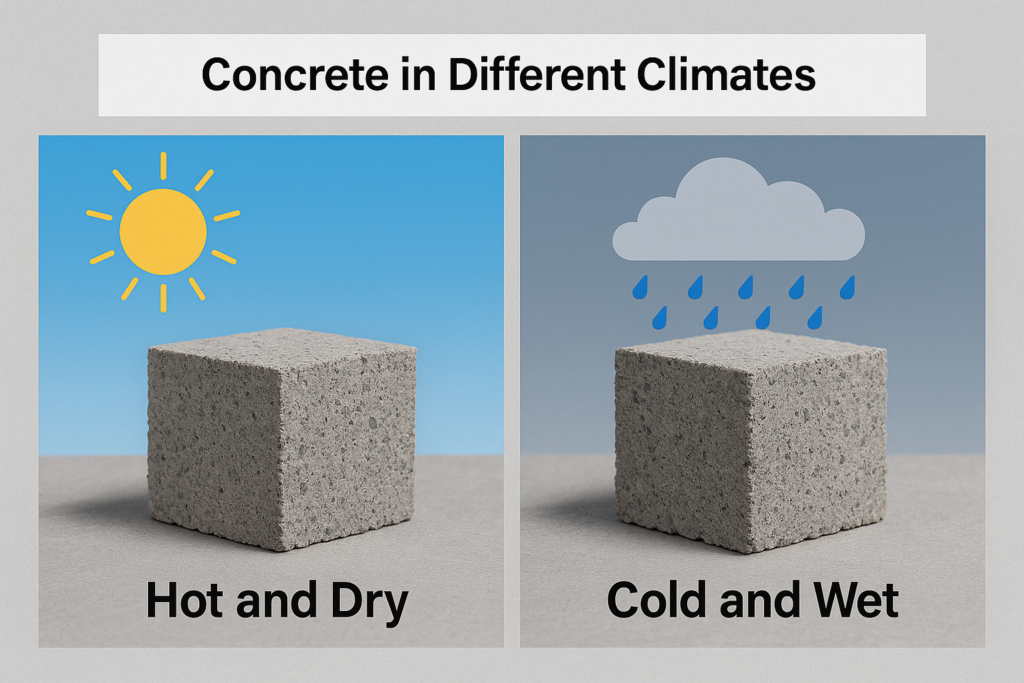
Diving deeper into climate considerations reveals the need for regionalized approaches to concrete practice. Having worked with clients across diverse regions from Middle Eastern deserts to Southeast Asian tropics, I've seen firsthand how dramatically climate affects concrete performance.
In hot climates (above 32°C/90°F), concrete sets much faster, giving workers less time for proper placement and finishing. The increased evaporation rate can lead to plastic shrinkage cracking—those small surface cracks that form before the concrete has even hardened. To counteract these effects, we often recommend night concreting, ice water in the mix, set-retarding admixtures, and sunshades to protect fresh concrete.
Cold weather presents opposite challenges. Below 5°C (41°F), hydration slows dramatically, and below freezing, the expansion of water as it turns to ice can permanently damage concrete before it gains sufficient strength. During winter projects in northern regions, contractors must implement cold weather protocols including heated enclosures, insulating blankets, and accelerating admixtures.
Regional Climate Challenges and Solutions
| Climate Type | Key Challenges | Recommended Adaptations | Critical Additives |
|---|---|---|---|
| Hot Arid (Middle East) | Rapid evaporation, high temperature differential | Night concreting, cooling aggregates, extended curing | HPMC water retainers, set retarders |
| Hot Humid (Southeast Asia) | Slower drying despite heat, fungal growth | Dehumidification during curing, fungicides | Set controllers, water reducers |
| Cold (Northern Regions) | Slow setting, freezing risk | Heated materials, insulating covers, shorter setting time | Accelerators, anti-freeze compounds |
| Temperate Seasonal | Varying conditions throughout year | Seasonal mix adjustments, monitoring forecasts | Flexible admixture systems |
| Coastal Marine | Chloride exposure, salt spray | Increased cover depth, lower permeability | Corrosion inhibitors, densifiers |
Wind speed is often overlooked but critically important. Even moderate winds (15-20 km/h) can double the evaporation rate from exposed concrete surfaces. On a high-rise project in Dubai, we implemented large windbreaks and surface evaporation retarders to protect slabs during the critical first few hours after placement.
Climate adaptation in concrete practice isn't just about the immediate construction phase—it affects long-term durability. Concrete poured in different climate zones may require different air content, different cement types, and different supplementary materials to achieve equivalent service life.
Conclusion
Successful concrete construction depends on understanding its basic properties, proper mix design, quality material selection, appropriate additives, and climate-adapted practices. By controlling these factors, you can ensure durable structures that perform as designed for decades to come.
At Wanhong, we're committed to providing high-quality concrete additives that enhance performance across diverse applications and climates. Contact us to learn how our products can optimize your next concrete project.
-
Explore how additives can enhance concrete performance and address specific challenges. ↩
-
Learn about the benefits of redispersible polymer powder in improving cement mortars. ↩
-
Understand the significance of the 28-day strength benchmark in construction. ↩
-
Discover how HPMC products enhance water retention and improve concrete curing. ↩