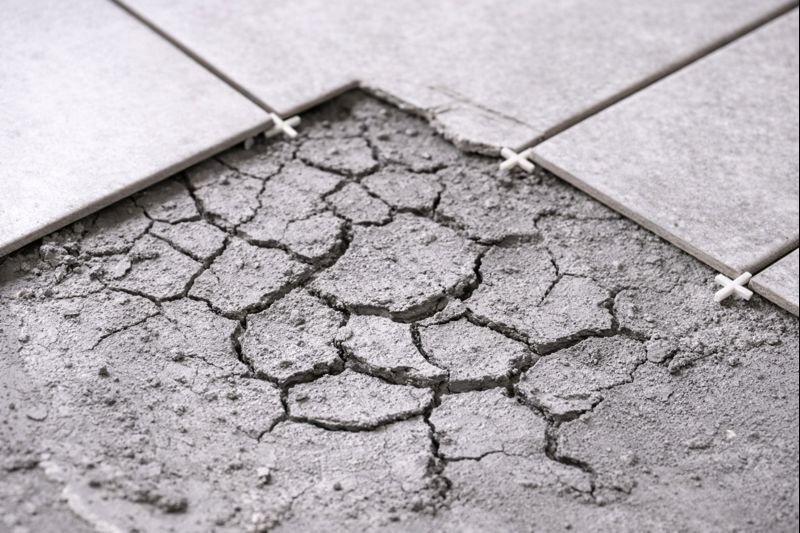
Are you constantly battling with cracked tile adhesive1 on your projects? This frustrating problem wastes materials, time, and damages your reputation. Water management, not cement grade, is often the real culprit.
The main cause of tile adhesive cracking is insufficient water retention capacity of the HPMC2 (Hydroxypropyl Methylcellulose) used. When mortar loses water too quickly before cement hydration completes, it shrinks and cracks. Using HPMC with higher water retention or increasing the dosage can solve this problem.
I've been in the building materials industry for over 15 years, and I can tell you with certainty that most professionals focus on the wrong aspects when troubleshooting adhesive failures. Let me share what really works based on our extensive factory testing and customer feedback.
What is the Role of HPMC2 in Tile Adhesive?
You've likely experienced tile adhesive drying too quickly, becoming unworkable before application is complete. This happens because the critical water retention component - HPMC - isn't doing its job properly.
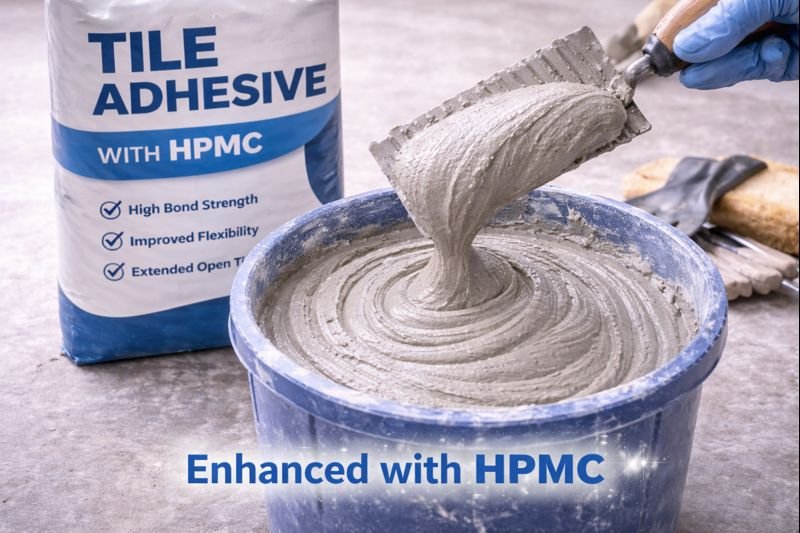
HPMC2 (Hydroxypropyl Methylcellulose) serves as a water retention agent in tile adhesives, preventing premature water loss during cement hydration. It also improves workability, extends open time, enhances sag resistance, and ensures proper adhesion by maintaining adequate moisture for complete cement hydration.
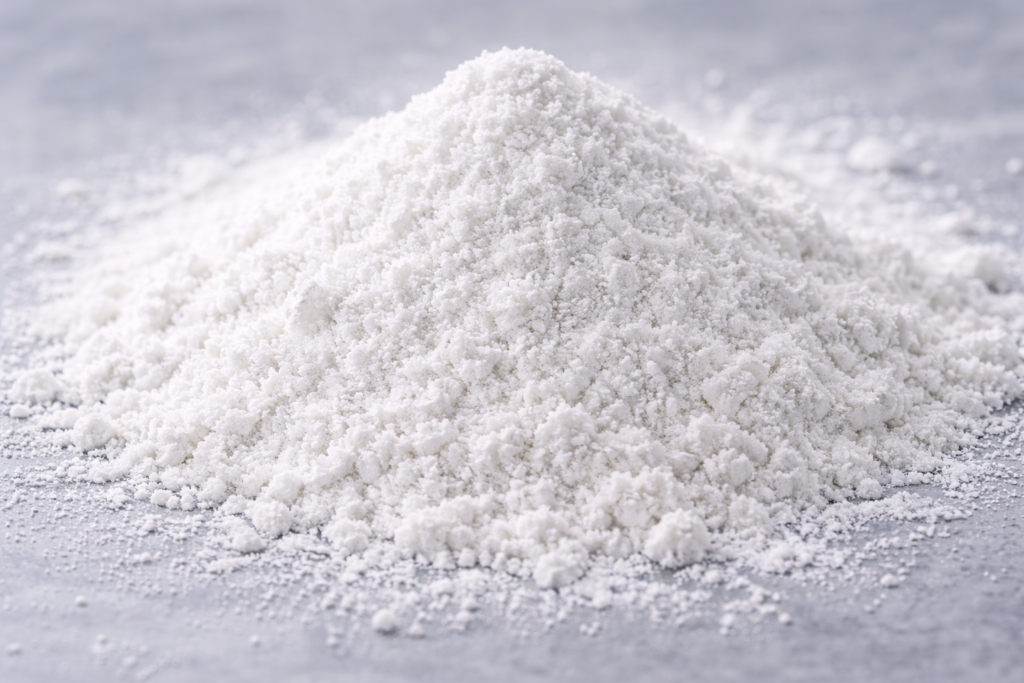
HPMC truly transforms ordinary mortar into professional-grade tile adhesive. The quality and dosage of HPMC directly impact several critical performance factors. During my visits to construction sites across Saudi Arabia and UAE, I've observed how different grades of HPMC perform under harsh conditions.
Key Functions of HPMC in Tile Adhesives
HPMC's effectiveness depends on its viscosity and molecular substitution degree. For tile adhesives, we typically recommend a viscosity range of 100,000-150,000 mPa·s for vertical applications, while 60,000-80,000 mPa·s works well for floor applications.
| HPMC Property | Impact on Tile Adhesive | Recommended Values |
|---|---|---|
| Viscosity | Controls thickness and sag resistance | 60,000-150,000 mPa·s |
| Water Retention | Prevents premature drying | ≥95% |
| Methoxyl Content | Affects water solubility | 19-24% |
| Hydroxypropyl Content | Improves flexibility | 7-12% |
| Particle Size | Determines dissolution rate | 100 mesh (≥98%) |
Beyond water retention, HPMC creates the right rheology for the adhesive, making it thixotropic - firm when undisturbed but workable when force is applied. This property is crucial for preventing tile slippage on vertical surfaces while maintaining easy spreadability.
What are the Common Problems with Tile Adhesive?
Have you noticed your perfectly installed tiles coming loose within months? Or ugly cracks appearing in your expensive tile work? These failures often trace back to improper adhesive formulation.
Common tile adhesive problems include cracking, poor adhesion, shortened open time, excessive slippage, and brittleness. These issues typically result from incorrect HPMC grade selection, improper water-to-powder ratio, unsuitable cement type, inadequate redispersible powder content, or installation under extreme temperatures.
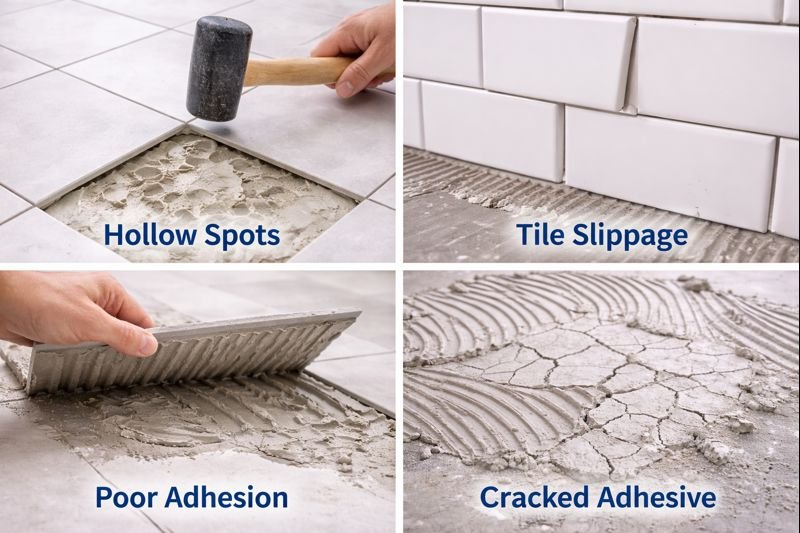
During my factory consultations with customers from the Middle East and South Asia, I've compiled a comprehensive analysis of tile adhesive failures. Temperature extremes pose particular challenges - from Saudi Arabia's 45°C summers to Georgia's cold winters, each requiring specific formulation adjustments.
Diagnosing Tile Adhesive Problems
Understanding the root cause of adhesive failure requires systematic analysis. I've developed this troubleshooting guide based on thousands of customer support cases:
| Problem | Visual Signs | Common Causes | HPMC-Related Solution |
|---|---|---|---|
| Cracking | Fine cracks in adhesive | Rapid water loss, poor water retention | Increase HPMC dosage or switch to higher water retention grade |
| Poor Adhesion | Tiles easily detach | Insufficient open time, premature drying | Use HPMC with slower dissolution rate |
| Sagging | Tiles slip down on vertical surfaces | Inadequate thixotropy | Use higher viscosity HPMC |
| Brittleness | Adhesive lacks flexibility | Improper cement-to-additive ratio | Balance HPMC with appropriate RDP content |
| Lumping | Undissolved particles in mix | Poor dispersion of HPMC | Select finer particle size HPMC or modify mixing procedure |
Additionally, many problems stem from improper site practices. Even with the best formulation, adhesive performance suffers if water content isn't carefully controlled. In my experience, contractors often add excessive water to improve workability, unknowingly compromising the adhesive's integrity.
How to Make Tile Adhesive More Flexible?
Do your tiles crack when there's minor substrate movement? This frustrating problem has ruined countless installations, but there's a scientific approach to creating more forgiving adhesives.
To increase tile adhesive flexibility, incorporate 3-5% high-quality redispersible polymer powder3 (RDP) with appropriate HPMC grade. The RDP forms a flexible polymer film while HPMC ensures proper water retention for cement hydration. For extremely demanding applications, add cellulose ethers4 to enhance cohesive strength and elasticity.
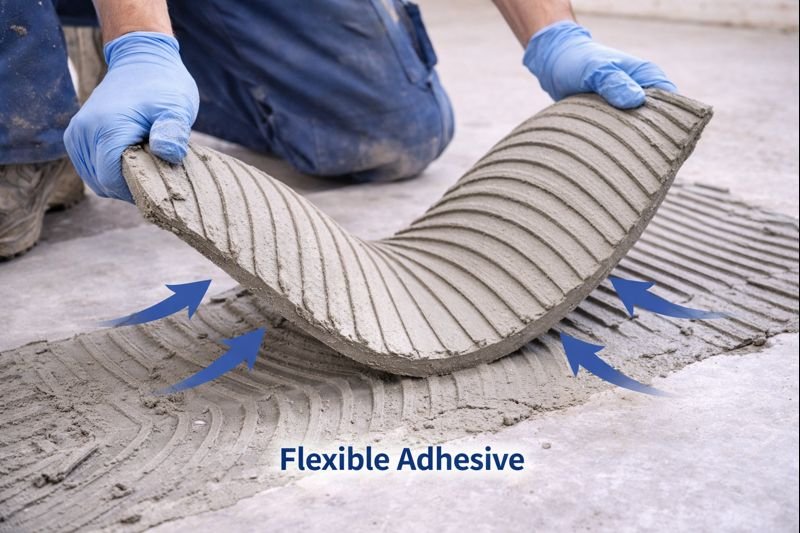
From our extensive laboratory testing at Kehao's research center, we've determined the optimal balance between rigidity and flexibility for different application environments. This isn't just theoretical - we validate our formulations through real-world application tests.
The Science of Flexible Adhesives
Creating truly flexible tile adhesives requires understanding the interaction between multiple components. After analyzing hundreds of formulations, I've identified the key factors that influence flexibility:
| Component | Contribution to Flexibility | Optimal Range | Interaction with HPMC |
|---|---|---|---|
| Redispersible Polymer Powder | Forms flexible polymer film | 3-5% | HPMC slows drying to allow proper film formation |
| HPMC | Ensures proper water retention | 0.25-0.4% | Higher molecular weight improves flexibility |
| Cement Type | Provides structural strength | - | HPMC modifies cement hydration kinetics |
| Sand Gradation | Affects matrix structure | Well-graded | HPMC improves particle suspension |
| Lightweight Fillers | Reduces rigidity | 5-10% | HPMC helps uniform distribution |
The magic happens in the microstructure. When properly formulated, the cement forms strong but discontinuous domains interconnected by flexible polymer networks. This creates a composite material that can accommodate substrate movement without failure.
For specialized applications like large-format tile installation or heated floor systems, we often recommend adding starch ethers5 alongside HPMC. This combination delivers superior water retention while enhancing the adhesive's elastic recovery properties, particularly important for installations subject to thermal cycling.
What Happens if You Add Too Much Water to Tile Adhesive?
Have you noticed your carefully mixed tile adhesive becoming runny and weak? The temptation to add "just a little more water" for easier spreading can destroy your adhesive's performance.
Adding excess water to tile adhesive dilutes the HPMC concentration, severely reducing its water retention capacity. This causes rapid drying, incomplete cement hydration, reduced strength, increased shrinkage, and cracking. The weakened adhesive layer will have poor bonding strength and durability, leading to tile failures.
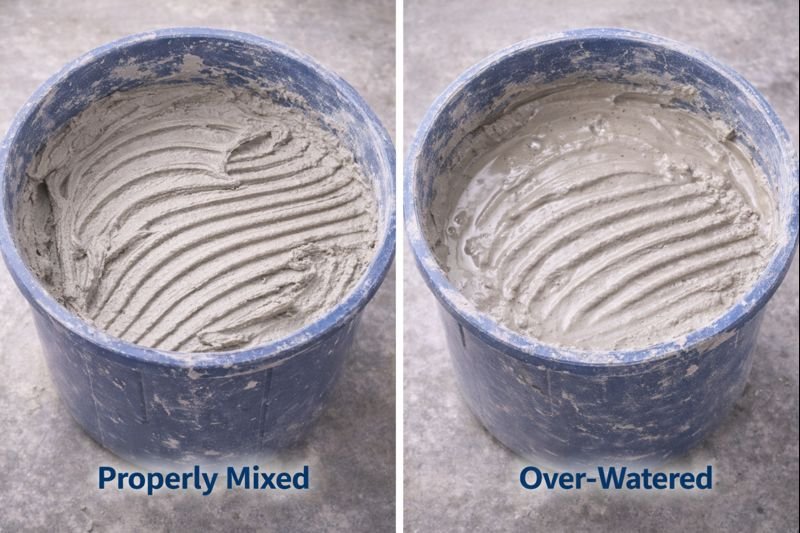
Throughout my factory visits in India and Pakistan, I consistently find that water management is the most overlooked aspect of mortar preparation. Let me explain why precision matters based on our laboratory findings.
The Cascade of Problems from Excess Water
When installers add too much water, they trigger a domino effect of quality problems. Our research department has quantified these effects through controlled experiments:
| Water Excess | Immediate Effect | Long-term Consequence | Impact on HPMC Function |
|---|---|---|---|
| +10% | Reduced viscosity, easier spreading | 15% strength reduction | Diluted HPMC concentration |
| +20% | Runny consistency, poor stand-up | 30% strength reduction, visible shrinkage | Severely compromised water retention |
| +30% | Separation of components, extreme fluidity | 50%+ strength reduction, severe cracking | HPMC effectiveness virtually eliminated |
The relationship between water content and adhesive performance follows a surprisingly steep curve. Our testing shows that optimal water content typically falls within a narrow 2-3% range. Beyond this window, performance degrades rapidly.
For hot climate applications, we've found that HPMC with modified hydroxypropyl substitution can maintain water retention even when installers slightly exceed recommended water content. This provides a safety margin in challenging field conditions when precise water measurement isn't possible. However, this specialized grade must be paired with appropriate RDP and cement types to prevent delayed drying issues in high humidity environments.
Conclusion
Solving tile adhesive cracking primarily requires proper water management through high-quality HPMC with excellent water retention properties. For challenging conditions like high temperatures or highly absorbent substrates, combine HPMC with starch ethers and ensure compatibility between your redispersible powder and cement for a truly professional system.
FAQ
What HPMC viscosity is best for tile adhesive?
For vertical applications, use 100,000-150,000 mPa·s. For floor applications, 60,000-80,000 mPa·s is typically sufficient.
Can I mix different grades of HPMC?
Yes, combining different viscosities can optimize both workability and water retention based on specific application needs.
How much HPMC should I add to tile adhesive?
Typical dosage ranges from 0.25-0.4% of the dry mix weight, depending on other ingredients and application requirements.
Does HPMC affect tile adhesive drying time?
Yes, HPMC significantly extends drying time by retaining water for proper cement hydration, which is essential for crack prevention.
Can HPMC compensate for poor quality cement?
While HPMC improves workability and water retention, it cannot overcome fundamental issues with substandard cement. Quality base materials remain essential.
-
Understanding the causes of cracked tile adhesive can help you prevent costly mistakes in your projects. ↩
-
Learn about HPMC's role in tile adhesives and how it can enhance your installation quality. ↩ ↩ ↩
-
Explore the benefits of redispersible polymer powder in improving tile adhesive flexibility. ↩
-
Explore how cellulose ethers can enhance the properties of tile adhesives. ↩
-
Discover how starch ethers can enhance the performance of tile adhesives in demanding applications. ↩