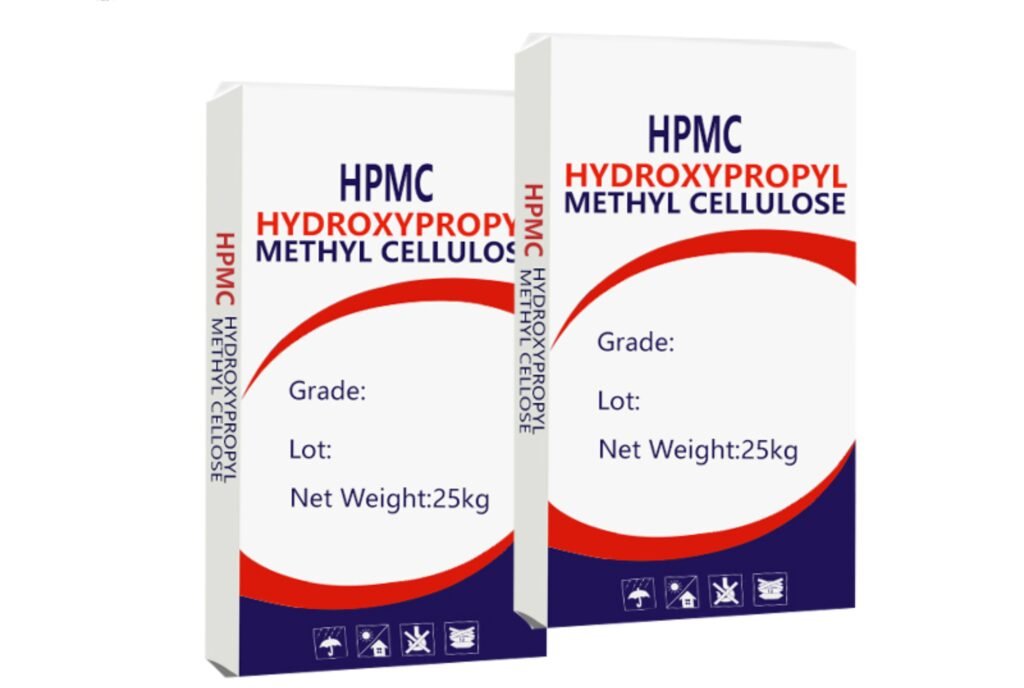
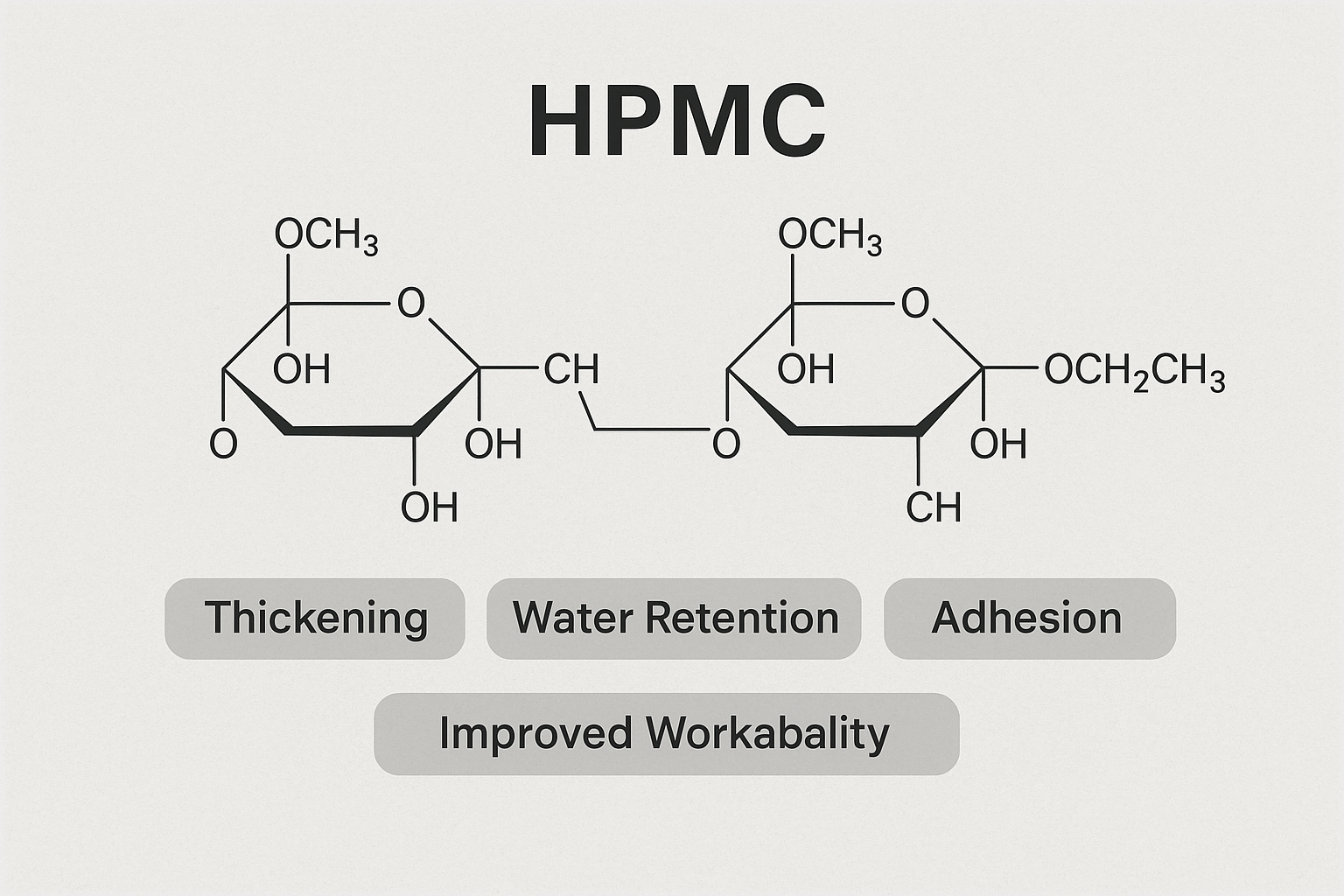
Struggling with inconsistent HPMC quality arriving in the UAE? It's a costly problem. I'll show you how to verify your shipment before it leaves China and save yourself the headache.
To verify HPMC quality for the UAE, you must check supplier documents like the SASO report, conduct a pre-shipment inspection, and request key lab tests. Focus on transmittance (≥90%), viscosity stability (≤5% variation), and ash content (≤0.5%) for a quick, reliable check.

I've been in the HPMC business for a long time, and I speak with buyers like you every day. Many of my customers in the Middle East, like my friend Mark Chen in Saudi Arabia, have faced big problems. They've dealt with delayed shipments, forged certificates, and unstable product quality. It's frustrating and costs a lot of money. But you can avoid these issues. I'm going to share the exact steps you can take to protect your business and ensure you get the quality you paid for, every single time.
How Can You Verify Supplier Documentation?
Worried about your supplier's documents being rejected by UAE customs? It's a valid fear that can lead to massive delays. Here’s what to demand before your container is sealed.
For UAE shipments, the SASO certificate is mandatory. Also, demand the Certificate of Analysis (COA) for the specific batch1, a Material Safety Data Sheet (MSDS), and crucial 40°C thermal stability test data. This protects you from customs issues and performance failure in the Middle Eastern climate.
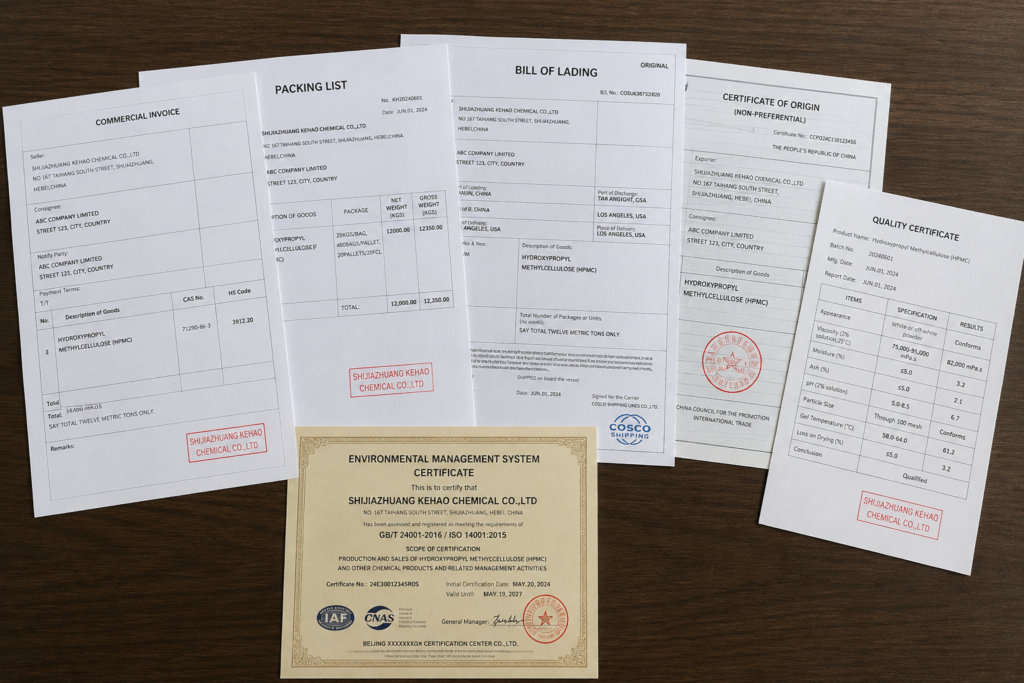
Documentation is your first line of defense. A good supplier will provide this without any argument. A supplier who hesitates is a red flag. Let's break down the essential papers. The SASO report is non-negotiable for the UAE; without it, your goods will not clear customs.2 Period. Then you have the Certificate of Analysis (COA). Here's a pro tip: make sure the batch number on the COA matches the batch number on the bags you are receiving. Some factories use a generic "golden sample" COA, which is useless. The thermal stability test is something I insist on for my UAE and Saudi clients. It shows how the HPMC performs in high heat, which is vital for the desert climate. It proves the product won't lose viscosity on a hot construction site.
| Document | Purpose | My Pro Tip |
|---|---|---|
| SASO Report | Mandatory for UAE customs clearance. | Do not even load the container without this. |
| Certificate of Analysis (COA) | Confirms the technical specs of the product. | Must be for the exact batch being shipped, not a generic one. |
| 40°C Thermal Stability Test | Proves product performance in high heat. | Essential for the Middle East climate. Ask for this data! |
| MSDS | Provides safety and handling information. | Standard document, but shows the supplier is professional. |
Should You Conduct a Pre-Shipment Inspection (PSI)?
Ever received a shipment that didn't match the sample? This common problem can derail your entire project. A small investment in a pre-shipment inspection can save you thousands.
Yes, a Pre-Shipment Inspection (PSI) is highly recommended. It verifies the product quantity, checks packaging integrity, and confirms shipping marks. Most importantly, an inspector can draw a random sample from the actual batch for testing, giving you true peace of mind.
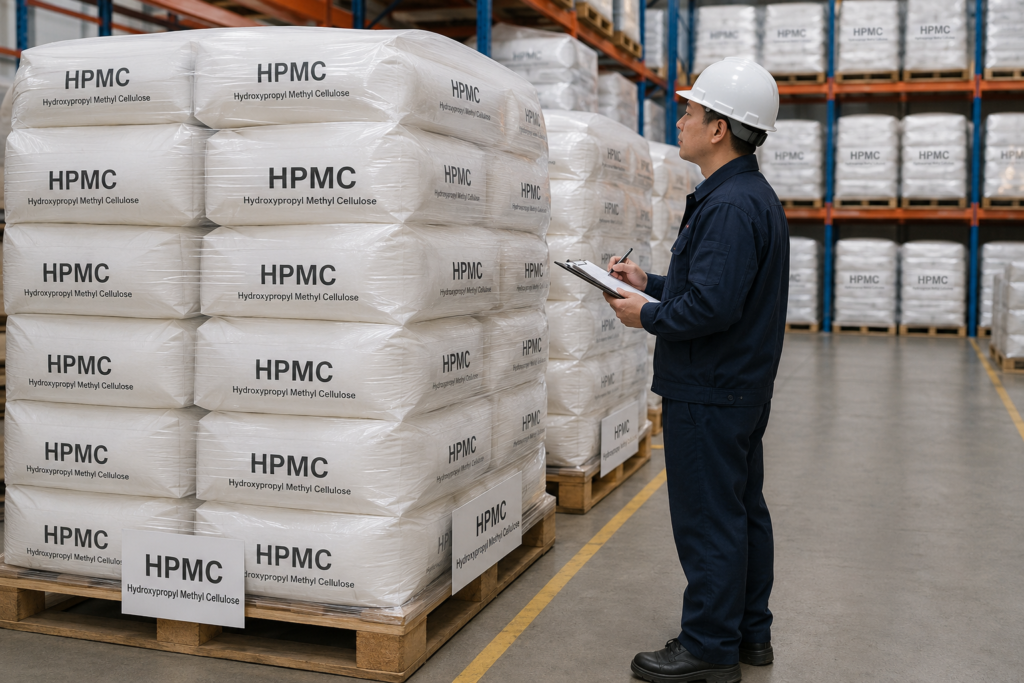
Think of a PSI as your insurance policy. For a few hundred dollars, an independent inspector goes to the factory or warehouse. They count the bags to make sure you aren't short-shipped. They check the packaging for any damage, which is important to prevent moisture contamination. They also confirm the shipping marks are correct for your destination. But the most valuable part of a PSI is sample collection. The inspector can randomly select bags from your actual production run and combine them into a representative sample. This is the ultimate way to know what you are really getting. I had a client once who skipped a PSI to save $300. The factory short-shipped him by one ton. He lost over $2,000 in profit. He never skips a PSI now. The cost is tiny compared to the risk of a bad shipment.
What Are the Key Laboratory Tests to Request or Perform?
Overwhelmed by complex HPMC lab reports? You're not alone. But ignoring them is risky. I'll show you the three key numbers that tell you 90% of the story.
Focus on these three quick tests for HPMC quality. First, transmittance after dissolving should be ≥90%. Second, the 2% solution viscosity fluctuation must be ≤5%. Third, the ash content after drying should be ≤0.5%. These three metrics reveal purity, stability, and overall quality.
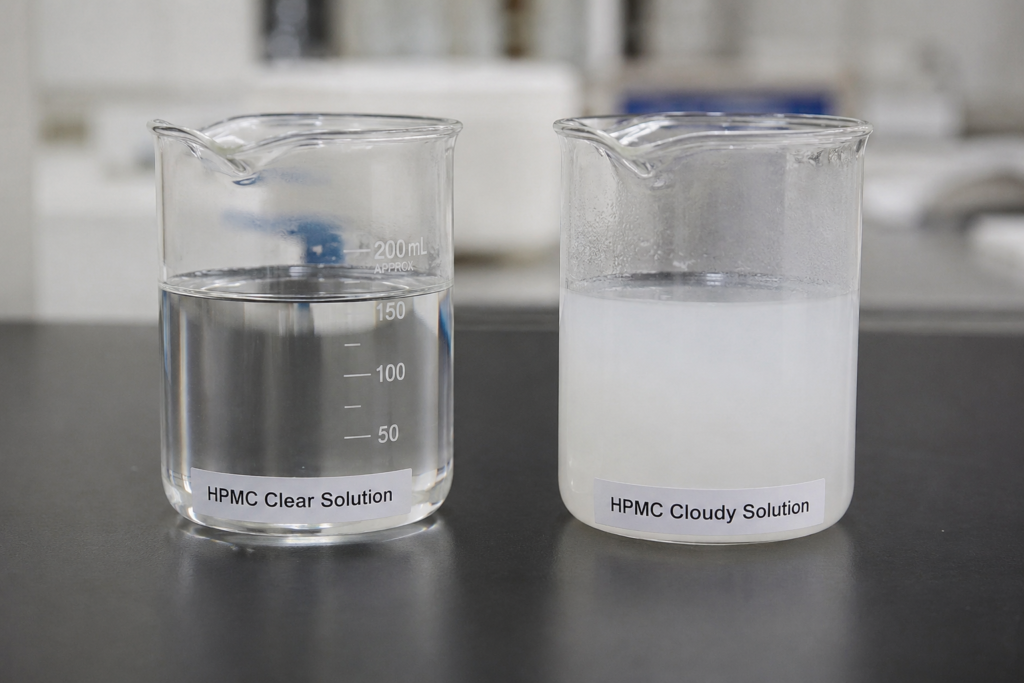
You don't need to be a chemist to understand HPMC quality. When we test our products at the Kehao factory, we look at dozens of data points, but for a buyer, it all comes down to a few hard indicators. These are the tests you or your PSI inspector can request. They are fast and reveal everything about the product’s core quality. A low transmittance means the product has impurities. Unstable viscosity means your final product, like putty or mortar, will be inconsistent. High ash content means the manufacturer added cheap fillers3. Don't fall for that. As a final trick, always ask the factory to seal and send you a 500g retained sample from your exact batch. If there's ever a dispute later, you have a certified sample to re-test.
| Test Name | What It Measures Simply | What a Good Result Looks Like |
|---|---|---|
| Light Transmittance | Clarity. How clear is the water after mixing? | ≥90%. A clear solution means high purity. |
| Viscosity Stability (2% Solution) | Consistency. Does the thickness stay the same? | ≤5% fluctuation. Stable viscosity means a reliable product. |
| Ash Content (at 105°C) | Purity. What's left after you burn it off? | ≤0.5%. Low ash means no cheap fillers. |
Conclusion
Verify documents, conduct a PSI, and check key lab tests. Following these simple steps ensures you receive high-quality HPMC every single time, protecting your business and reputation.
-
"Certificate of analysis - Wikipedia", https://en.wikipedia.org/wiki/Certificate_of_analysis. A Certificate of Analysis (COA) is a standard document in the chemical industry that provides test results for a specific batch, confirming that the product meets required specifications. Evidence role: definition; source type: encyclopedia. Supports: A Certificate of Analysis (COA) for the specific batch is necessary to confirm product specifications.. Scope note: The requirement for a COA may depend on buyer-supplier agreements and regulatory context. ↩
-
"The Saudi Market and Certification: How to Comply with the SASO System", https://wwbridge-cert.com/blog/posts/the-saudi-market-and-certification-how-to-comply-with-the-saso-system. Official UAE customs guidelines and GCC import regulations specify that certain products require a SASO certificate for clearance, particularly for regulated goods. Evidence role: general_support; source type: government. Supports: The SASO report is required for customs clearance in the UAE for certain products.. Scope note: Applicability may depend on product classification and current regulations; always verify with UAE customs authorities. ↩
-
"Exploring the Versatility and Sustainability of Hydroxypropyl ...", https://pmc.ncbi.nlm.nih.gov/articles/PMC13165829/. Elevated ash content in HPMC can indicate the presence of inorganic impurities or fillers, which may be intentionally added to reduce production costs, as noted in quality control literature. Evidence role: mechanism; source type: paper. Supports: High ash content in HPMC may indicate the addition of cheap fillers by the manufacturer.. Scope note: High ash content can also result from process contamination, not only intentional adulteration. ↩