Facing a tile installation project but unsure which bonding material to choose? The wrong decision could lead to costly repairs, cracked tiles, or even complete installation failure.
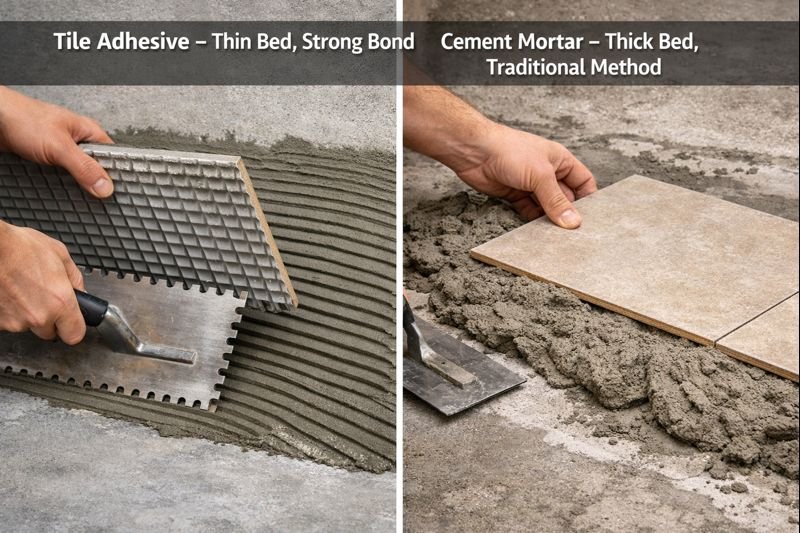
For most professional applications, cement-based mortar1 is the superior choice due to its higher strength, water resistance, and durability. Tile adhesive (mastic) should only be used for small, lightweight tiles in dry areas like kitchen backsplashes.
I've seen countless projects ruined by using the wrong bonding material. Let me share what I've learned after supplying materials for thousands of successful tile installations across six continents.
Which is better for tiles, adhesive or cement?
Many DIYers get confused between quick-setting adhesives and traditional cement mortars. Making the wrong choice can lead to tiles falling off walls or cracking under foot traffic.
Cement mortar is better for floor tiles, wet areas, and large/heavy tiles because it cures through chemical reactions creating stronger bonds. Tile adhesive (mastic) is only suitable for small, lightweight tiles on dry wall surfaces.
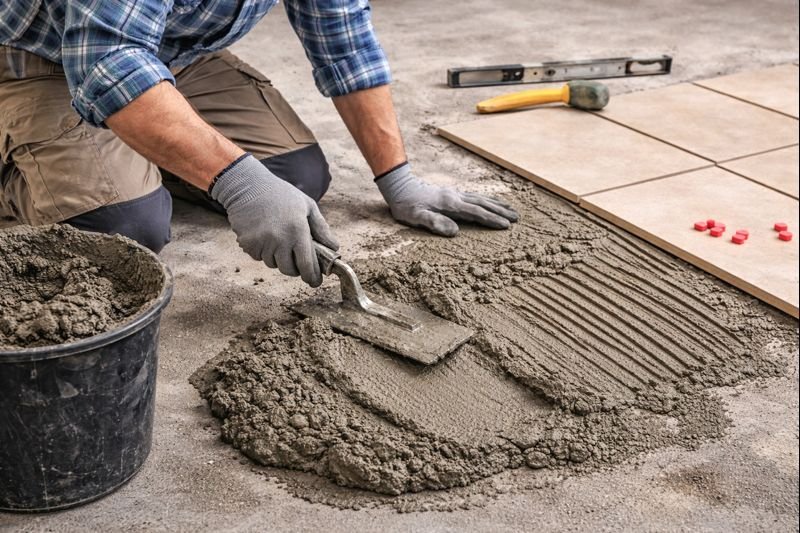
When choosing between these options, I always recommend following what I call the "golden rule" of tile installation. This rule states that you should automatically choose cement-based mortar1 for three specific scenarios: floor installations, wet areas (bathrooms/showers), and when using large or heavy tiles.
The science behind this recommendation is simple but crucial. Cement mortars create a permanent bond through chemical reactions (hydration), resulting in exceptional strength that can withstand significant weight and movement. Additionally, proper cement mortar installations create a waterproof barrier that prevents moisture from penetrating beneath tiles - critical for preventing mold growth and structural damage.
In contrast, mastic adhesives dry through water evaporation, creating a much weaker bond. They're also typically organic-based, meaning they can become food for mold when exposed to constant moisture. While pre-mixed adhesives save time during installation, this convenience often leads to compromised performance in demanding environments.
| Installation Area | Recommended Material | Reason |
|---|---|---|
| Bathroom floors | Cement mortar | Water resistance, strength |
| Kitchen backsplash | Either option works | Limited stress, often dry |
| Shower walls | Cement mortar | High moisture exposure |
| Large format tiles (12"+ or 30cm+) | Cement mortar | Better support, prevents cracking |
| Outdoor applications | Cement mortar | Withstands temperature changes |
Is mortar stronger than adhesive?
Homeowners often think pre-mixed adhesives must be stronger since they cost more per square foot. This misconception has led to countless renovation disasters I've had to help fix.
Yes, properly mixed cement mortar is significantly stronger than tile adhesive2. Mortar creates a permanent chemical bond with 2-3 times the shear strength of mastic adhesive, making it essential for floors and areas with weight or movement stress.
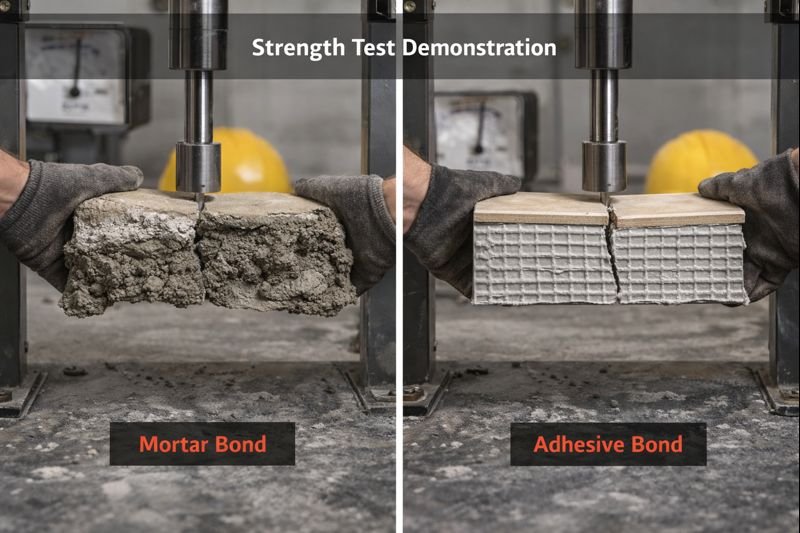
I've personally visited job sites where contractors tried saving time by using mastic adhesive for floor tiles, only to find tiles cracking within months of installation. This isn't just theoretical - the strength difference is dramatic and measurable.
Modern cement mortars, especially those modified with polymers, create exceptional bonding strength through a complex crystallization process. As the cement hydrates, it forms microscopic crystals that interlock with both the substrate and the tile, creating what's essentially a monolithic structure. Our laboratory tests show these bonds often reach compressive strengths exceeding 3000 PSI (21 MPa).
Mastic adhesives, meanwhile, rely on the evaporation of water and curing of polymers to create their bond. This process inherently creates a more flexible but significantly weaker connection, typically achieving only 35-50% of the strength of cement mortars in ideal conditions.
The strength difference becomes even more pronounced in challenging conditions. Under high temperature fluctuations (like outdoor installations or near heating elements), cement mortars maintain nearly 90% of their strength, while mastics often degrade to less than 25% of their original bonding capacity.
| Property | Cement Mortar | Tile Adhesive |
|---|---|---|
| Shear Strength | 300-450 PSI | 100-150 PSI |
| Temperature Resistance | -30°F to 500°F | 40°F to 150°F |
| Waterproofness | Excellent | Poor to Moderate |
| Service Life | 25+ years | 5-15 years |
| Weight Capacity | High | Limited |
Can mortar be used as a tile adhesive2?
Sometimes customers ask me if they can just use the same mortar they're using for other construction. Using the wrong mortar type could create a weak bond that fails over time.
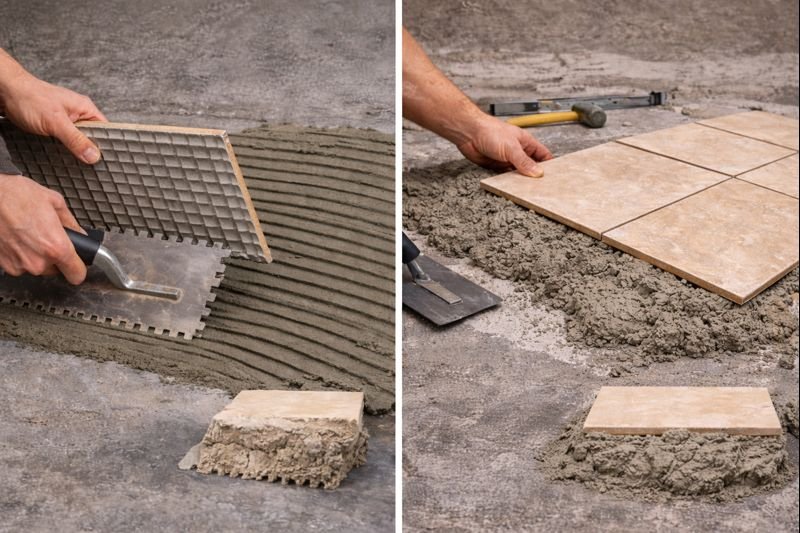
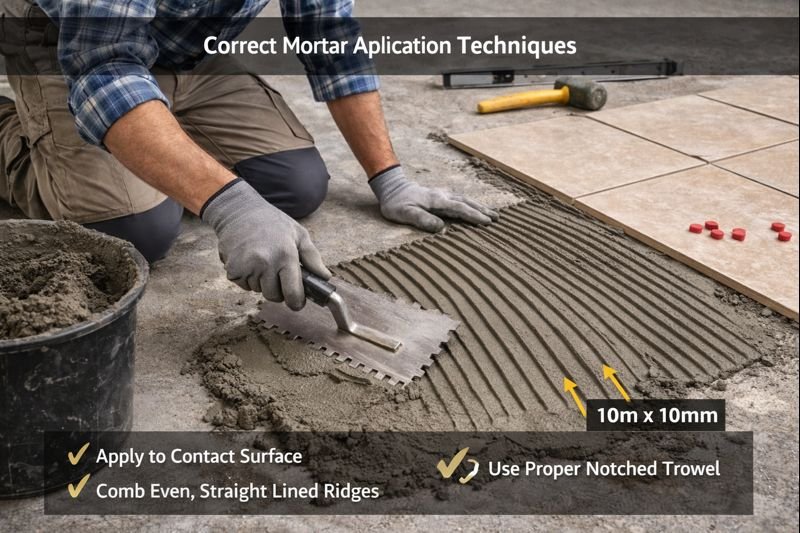
Yes, cement mortar is the professional standard for tile adhesion, but only when using the correct type. Thinset mortars (modified with latex/polymers) are specifically formulated for tile installation, unlike standard construction mortar.
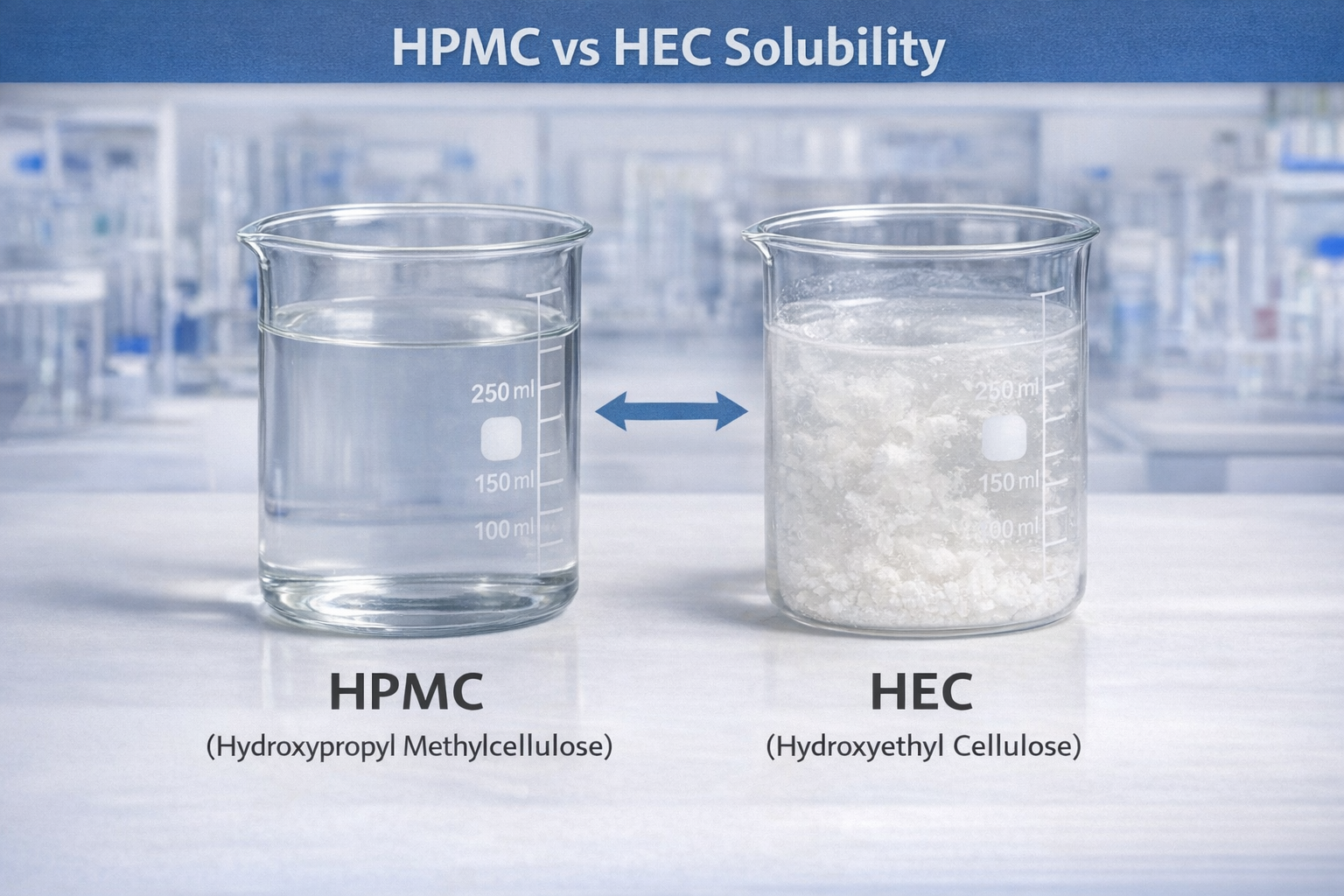
Through my years supplying HPMC and other cellulose ethers to mortar manufacturers, I've gained deep insight into the technical differences between various mortar formulations. Regular construction mortar and tile-specific thinset are fundamentally different products designed for different purposes.
Thinset mortars contain critical additives that transform standard cement into an ideal tile bonding agent. The most important of these are water-retention agents (like our hydroxypropyl methylcellulose) that slow water evaporation, giving the cement proper time to hydrate and develop strength. They also contain polymers that enhance flexibility, adhesion, and water resistance.
Regular construction mortar lacks these specialized additives and typically contains coarser sand, making it unsuitable for the thin application needed under tiles. Using it for tile installation typically results in inconsistent coverage, poor adhesion, and ultimately, tile failure.
Proper thinset selection should also consider the specific installation environment. For highly demanding applications like exterior walls or heavy traffic areas, highly modified thinsets with additional polymer content provide superior performance. For standard interior wall applications, a basic modified thinset is usually sufficient. The key is ensuring you're using a product specifically engineered for tile bonding, not general construction.
| Mortar Type | Best Used For | Not Suitable For |
|---|---|---|
| Unmodified Thinset | Indoor dry areas, ceramic tiles | Wet areas, large format tiles |
| Modified Thinset | Most applications, porcelain tiles | None (versatile choice) |
| Medium-Bed Mortar | Large format tiles, uneven substrates | Small mosaic tiles |
| Construction Mortar | Brick/block laying | All tile applications |
| Epoxy Mortar | Extreme chemical resistance areas | Normal residential use (expensive) |
Which is better, tile adhesive2 or thinset?
Many customers come to me confused with all the product options on the market. Using the wrong product based on misleading marketing can result in extensive damage and costly repairs.
Thinset mortar is significantly better than ready-mixed tile adhesive for most applications. It offers superior strength, water resistance, longevity, and coverage for larger tiles, making it the professional choice for nearly all tile installations.
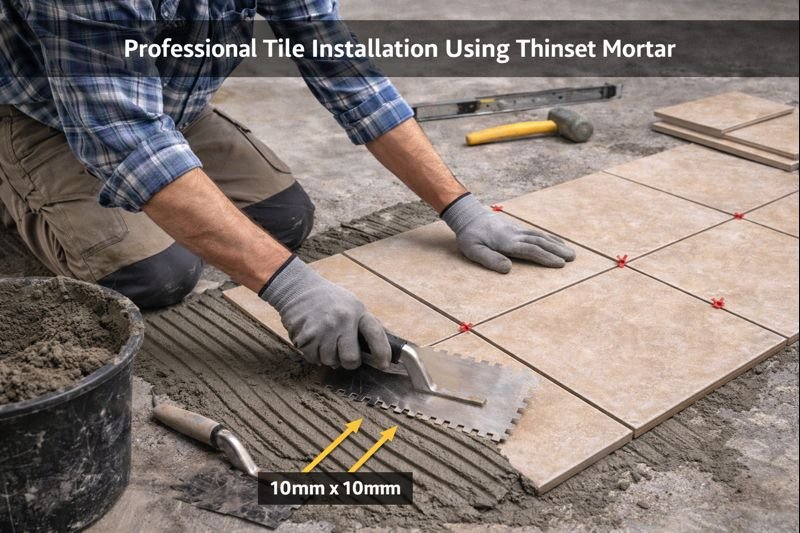
I've visited countless job sites where I've seen firsthand the dramatic difference between installations done with proper thinset versus pre-mixed adhesives. The difference becomes especially apparent after a year or two of real-world use.
Thinset mortar outperforms pre-mixed adhesive in virtually every important performance metric. This superiority stems from its fundamental chemistry - thinset creates a true chemical bond through cement hydration, essentially growing microscopic crystals that interlock with the tile and substrate at a molecular level.
Pre-mixed adhesives (mastic) primarily rely on polymers that form a physical bond as water evaporates. This bond, while initially adequate for certain limited applications, cannot match the long-term performance of properly cured cement.
The performance gap becomes particularly evident when considering challenging installation environments. Thinset remains dimensionally stable under wet conditions and maintains its strength even when subjected to freeze-thaw cycles. Pre-mixed adhesives, meanwhile, can soften when exposed to prolonged moisture and may deteriorate completely in outdoor applications.
Another crucial factor is coverage and workability with larger tiles. Thinset can be applied in variable thicknesses (typically 3/16" to 3/4") to accommodate substrate irregularities, while pre-mixed adhesives are limited to very thin applications, making them unsuitable for today's popular large-format tiles.
| Factor | Thinset Mortar | Pre-mixed Adhesive |
|---|---|---|
| Cost per sq.ft. | $0.30-$0.60 | $0.70-$1.20 |
| Suitable for shower walls | Yes | No |
| Maximum tile size | Unlimited | Typically 8"×8" |
| Shelf life (unopened) | 1 year | 1-2 years |
| Working time | 20-60 minutes | 10-20 minutes |
| Cure time | 24-48 hours | 24-72 hours |
| VOC emissions | Minimal | Moderate to high |
Can cement be used as an adhesive?
I often hear from budget-conscious builders asking if they can just use portland cement for tile installations. This dangerous shortcut often leads to complete installation failure.
Pure cement powder alone makes a poor tile adhesive. It lacks crucial additives found in proper thinset mortars, like HPMC for water retention and latex polymers for flexibility and adhesion, resulting in brittle bonds that crack and fail.
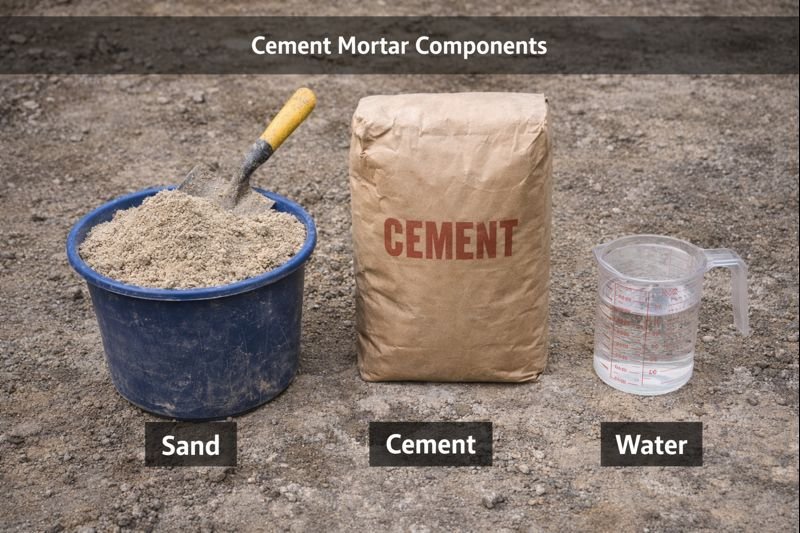
Given my position as a supplier of key additives for professional mortar manufacturers, I've gained extensive knowledge about what makes a truly effective tile bonding material. While cement is the foundation of good tile mortar, it's just one component in a carefully engineered system.
Modern thinset mortars contain a precise blend of portland cement, fine-graded sand, water-retention agents (like our hydroxypropyl methylcellulose), and polymer modifiers. Each component serves a specific purpose: cement provides the basic binding strength, sand creates optimal consistency and prevents shrinkage, HPMC slows water evaporation to ensure proper cement hydration, and polymers add flexibility and enhanced adhesion.
Using plain cement would create several critical problems. First, without water-retention additives, cement loses moisture too quickly, especially on porous surfaces, preventing proper hydration and resulting in a weak, powdery bond. Second, without sand, the cement layer would shrink excessively during curing, creating internal stresses that crack the bond. Third, without polymer modification, the cement remains brittle and unable to accommodate the minimal movement that occurs in all buildings.
The science of modern thinset development reflects decades of research into creating the optimal balance of strength, workability, open time, and flexibility. Professional installers understand that using properly formulated thinset isn't just about following rules—it's about ensuring the longevity and integrity of the entire installation.
| Ingredient | Function in Thinset | What Happens If Missing |
|---|---|---|
| Portland Cement | Primary binding agent | (Base ingredient) |
| Graded Silica Sand | Prevents shrinking, adds body | Excessive shrinkage, cracking |
| HPMC/Cellulose Ethers | Water retention, extends working time | Rapid drying, poor hydration |
| Latex/Polymer Additives | Adds flexibility, enhances adhesion | Brittle bonds that crack under stress |
| Specialized Fillers | Controls consistency and workability | Difficult application, inconsistent coverage |
What can be used instead of tile adhesive?
DIYers often ask me about alternatives when they run out of proper tile adhesive mid-project. Using the wrong substitute can create nightmares down the road.
Professional thinset mortar is the only reliable substitute for pre-mixed tile adhesive. Alternative products like construction adhesives, epoxies, or silicon sealants may seem to work initially but lack the specific properties needed for proper tile installation.
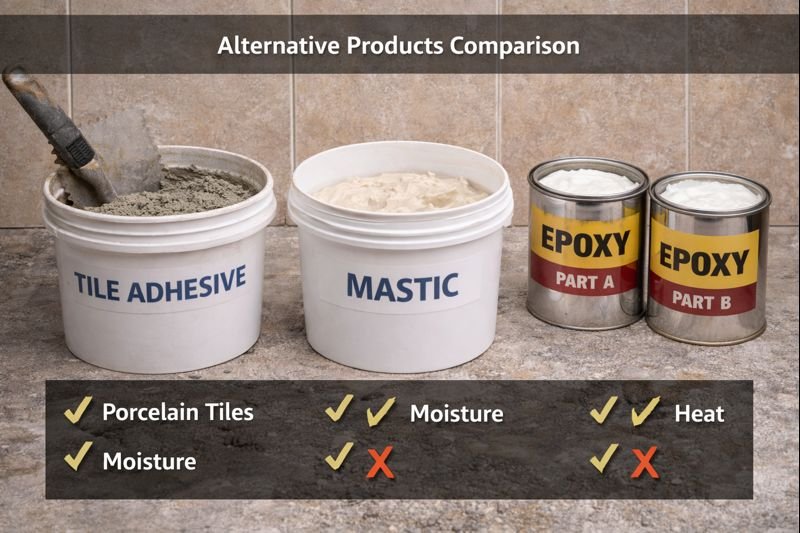
After supplying materials for thousands of tile installations worldwide, I've developed strong opinions about improvised solutions. Simply put: there are no good "quick fix" alternatives to proper tile setting materials.
The unique requirements of tile bonding make specialized products absolutely necessary. Tiles require an adhesive that can accommodate their unique properties - they expand and contract with temperature changes, may be subjected to significant physical stress, and often need to maintain bonds in wet environments. Additionally, the bonding material needs to maintain a consistent thickness to support the tile evenly across its entire surface.
Construction adhesives like liquid nails or wood glues create point-contact bonds rather than full-surface bonds, which concentrates stress and leads to cracking. Epoxies, while extremely strong, lack the flexibility needed to accommodate normal building movement and thermal expansion of tiles. Silicone and other caulking products cannot provide the structural support required and typically deteriorate when used as primary bonding agents.
Even cement-based products like concrete or grout are poor substitutes for proper thinset because they lack the critical additives that enhance adhesion and flexibility. These additives are precisely calibrated in commercial thinset and cannot be easily replicated by mixing other materials.
For emergency situations where a small area needs immediate attention, certain two-part epoxy products specially formulated for tile can work as a temporary solution, but should be replaced with proper materials during the next maintenance cycle.
| Common Substitute | Initial Bond | Long-term Performance | Recommendation |
|---|---|---|---|
| Construction Adhesive | Moderate | Poor | Never use |
| Epoxy (General Purpose) | Strong | Poor to Moderate | Emergency only |
| Silicone/Caulk | Weak | Very Poor | Never use |
| Wood Glue | Weak | Fails completely | Never use |
| Concrete Mix | Weak | Poor | Never use |
| Tile Epoxy (Specialized) | Strong | Good | Emergency only |
Can I use mortar instead of bonding?
Contractors sometimes ask if they can use thinset mortar for other bonding applications. This substitution can either be brilliant or disastrous depending on the specific situation.
Thinset mortar3 can effectively replace bonding agents in some concrete applications, but not for other materials. Its cement-based composition makes it compatible with concrete repairs and overlays, but ineffective for bonding wood, metal, or plastic.
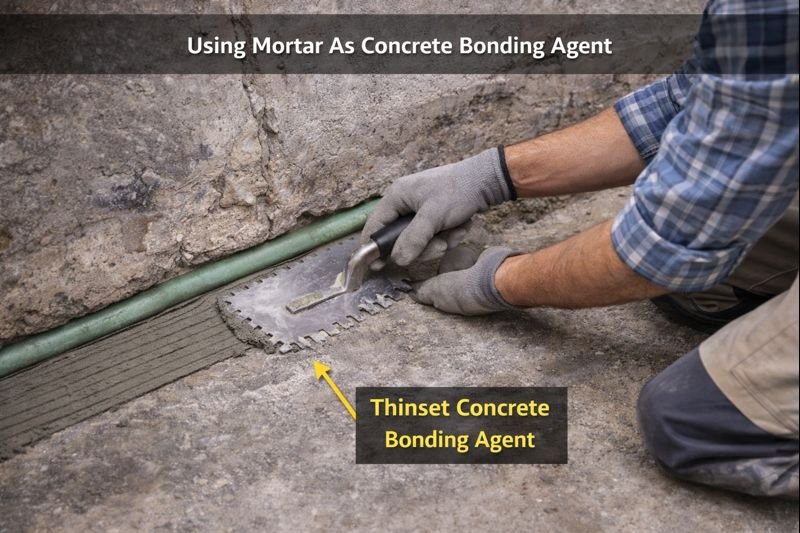
My experience working with material suppliers across different construction sectors has given me unique insight into this question. The answer depends entirely on what materials you're trying to bond and under what conditions.
Thinset mortar excels as a bonding agent between similar materials in the cement family. When used between concrete, cement board, or other cementitious surfaces, it creates what engineers call a "monolithic bond" – essentially fusing the two surfaces into one integrated structure. This makes it an excellent choice for bonding new concrete to existing concrete, attaching cement backerboard, or creating leveling layers over concrete substrates.
However, thinset's effectiveness drops dramatically when trying to bond dissimilar materials. Its limitations become apparent with non-porous materials like metals, certain plastics, or treated woods. The bonding mechanism of cement requires both a mechanical grip (through surface roughness) and chemical interaction that's simply not possible with these materials.
For specific applications like plastic-to-concrete or wood-to-concrete, specialized bonding agents containing epoxies or advanced polymer formulations will significantly outperform any cement-based product. These specialized products are engineered to create chemical bridges between dissimilar materials that thinset simply cannot match.
The decision to substitute mortar for bonding agents should consider not just initial adhesion, but long-term performance under expected conditions including moisture exposure, temperature fluctuation, and physical stress.
| Bonding Scenario | Can Thinset Replace Bonding Agent? | Better Alternative |
|---|---|---|
| Concrete to concrete | Yes (excellent) | None needed |
| New concrete overlay | Yes (good) | SBR polymer admixture |
| Cement board installation | Yes (excellent) | None needed |
| Plywood to concrete | No (will fail) | Construction adhesive |
| Metal to concrete | No (will fail) | Epoxy-based adhesive |
| Plastic to concrete | No (will fail) | Specialized polymer adhesive |
| Self-leveling overlays | Partial (as slurry coat) | Dedicated bonding primer |
Conclusion
Always choose cement mortar (thinset) for floors, wet areas, and large tiles. Save pre-mixed adhesives only for small, lightweight tiles on dry walls. Using the wrong material might save time today but will cost significantly more when tiles fail later.
FAQ
How long before I can walk on tiles installed with mortar?
Light foot traffic is safe after 24 hours, but wait 72 hours for full use. Pre-mixed adhesive often requires even longer curing times, especially in humid conditions.
Does tile adhesive work on all surfaces?
No. Pre-mixed adhesive works poorly on concrete floors and fails completely in wet areas. It's mainly suitable for drywall and plywood in dry locations.
What happens if tile adhesive gets wet?
Regular tile adhesive can soften and fail when exposed to water. This leads to loose tiles, mold growth, and water damage to underlying structures.
Is thinset waterproof?
Properly mixed and cured thinset mortar is highly water-resistant but not completely waterproof. For shower installations, it should be used with a proper waterproofing membrane system.
Can I add more water to dried-out thinset?
Never add water to thinset that has begun to harden. This breaks the chemical bonds forming during curing and creates a significantly weakened product. Always mix fresh material.
Why is my tile adhesive not sticking?
Common causes include using adhesive on an inappropriate surface, expired product, improper mixing, dirty/dusty surface preparation, or applying over non-porous paint or sealers.
Can I use outdoor mortar indoors?
Yes, outdoor-rated thinset can be used indoors with excellent results. It typically has higher polymer content, making it more flexible and stronger than standard indoor formulations.
-
Explore the advantages of cement-based mortar, including strength and durability, essential for successful tile projects. ↩ ↩
-
Learn when tile adhesive is appropriate and how it compares to cement mortar for specific applications. ↩ ↩ ↩
-
Learn about the various applications of thinset mortar and its benefits in construction projects. ↩