our mortar mix fails, causing costly rework and project delays. You worry about your reputation and wasted materials. Getting a strong, reliable bond is actually simple if you know the secrets.
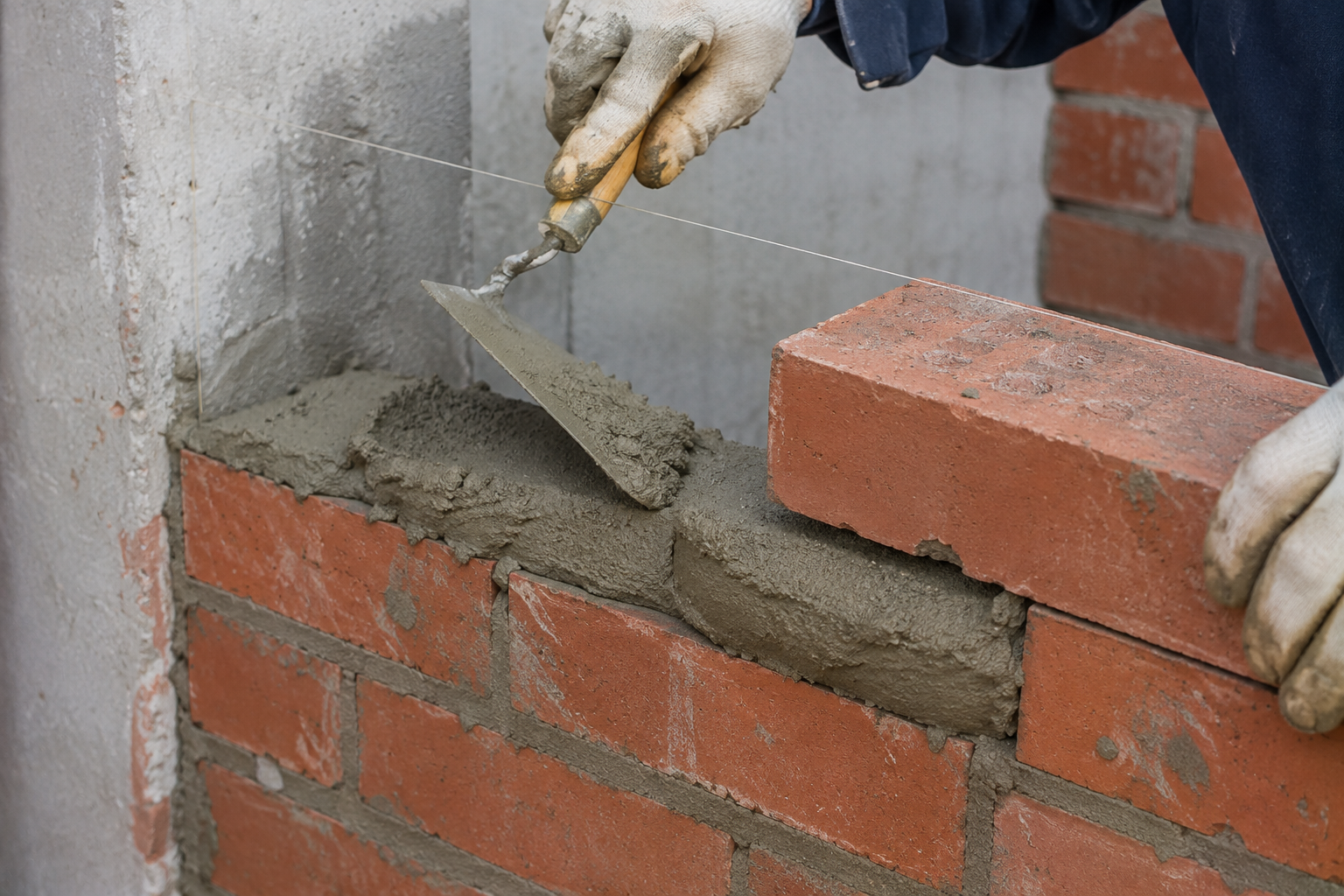
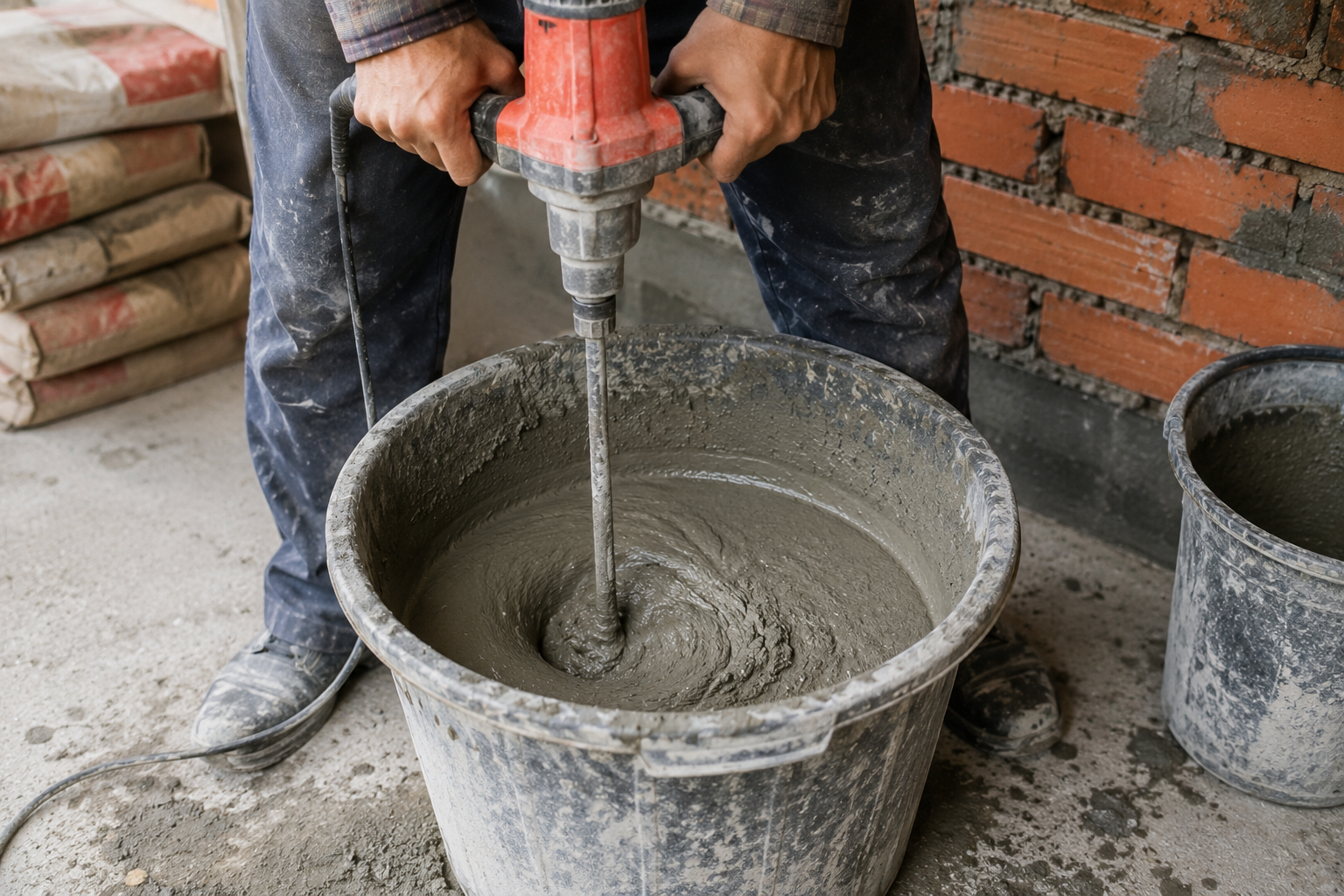
To make mortar stick better, you must master four key areas. First, perfect your mix design with the right additives. Second, always prepare the surface properly. Third, control the temperature and curing conditions. And finally, use the correct application thickness for the job.
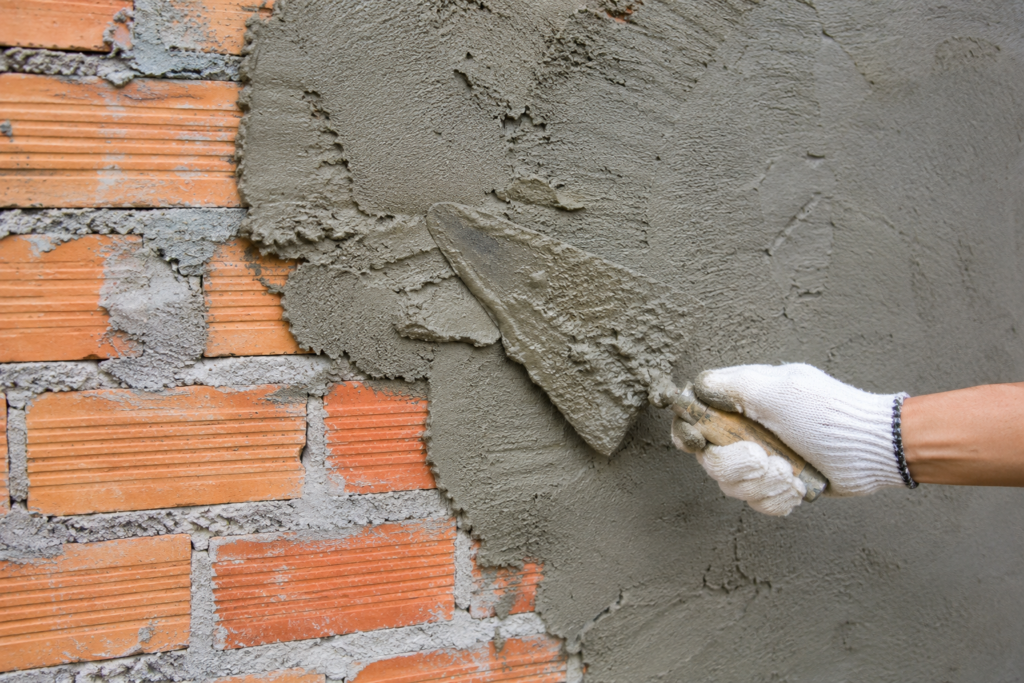
Getting these four elements right is the difference between a project that lasts for decades and one that fails in months1. I have seen it many times in my work with clients from Saudi Arabia to Brazil. It's not about using the most expensive mortar; it's about using the right techniques. Let's break down each step so you can avoid common mistakes and ensure your mortar has a powerful, lasting grip every time. This guide will walk you through the problems, the solutions, and the best practices I've learned from years in the industry.
What Common Problems Stop Mortar from Sticking?
Your mortar looks fine, but it crumbles or pulls away from the wall later. This hidden failure wastes time and money. I can show you the common culprits to avoid.
The most common reasons mortar fails to stick are poor surface preparation, an incorrect mix, extreme temperatures, and using the wrong thickness2. A dirty or smooth surface prevents a good grip, while a bad mix or poor conditions weaken the bond from the inside out.
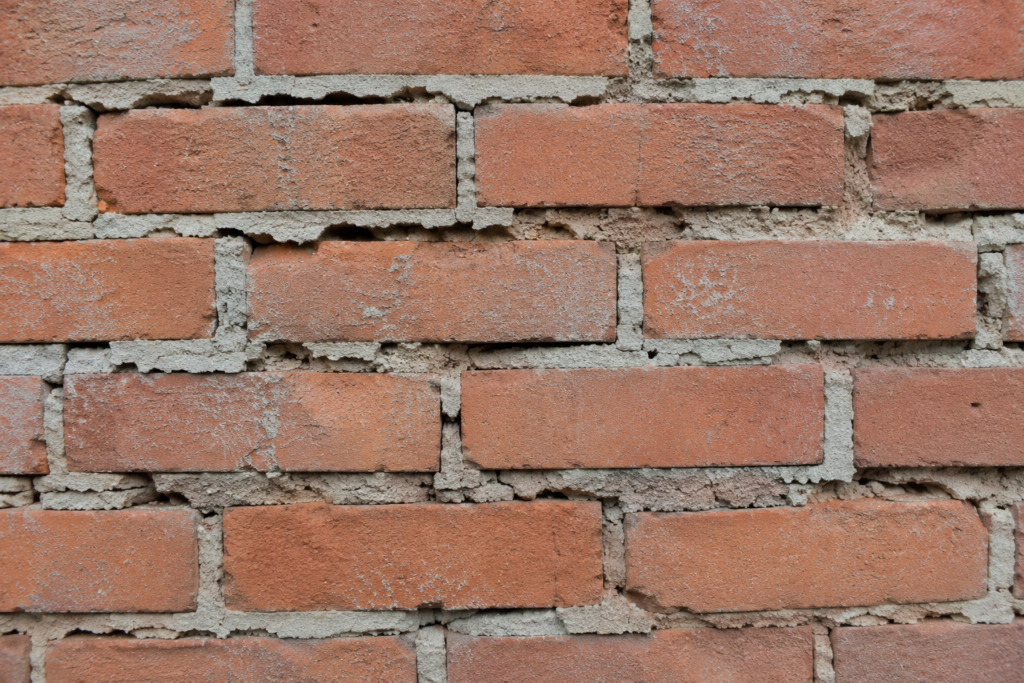
Let's dive deeper into these problems. I once worked with a client, Mark, who runs a large construction company in Saudi Arabia. His team was complaining that our mortar wasn't working, even though we supplied them with our high-quality mix containing Hydroxypropyl Methylcellulose (HPMC). I flew over to investigate. The problem wasn't the mortar; it was the surface. The concrete blocks were covered in a fine layer of dust from the desert environment. The mortar was sticking to the dust, not the block. Once they started washing the blocks, the problem disappeared. This shows that surface preparation is often more critical than the mortar itself. Even the best mortar will fail on a dirty, oily, or overly smooth surface.
Temperature is another major issue. In very hot climates like the UAE or India, water evaporates from the mortar too quickly. This stops the cement from hydrating properly, resulting in a weak, chalky bond3. In cold places below 5°C, the chemical reaction slows down so much that the bond never fully develops4.
Key Factors Causing Adhesion Failure
| Problem Area | Specific Cause | Why It Causes Failure |
|---|---|---|
| Surface | Dust, oil, grease, paint | Creates a barrier that prevents the mortar from touching the substrate. |
| Surface | Too smooth (e.g., glazed tile) | Offers no texture for the mortar to mechanically grip onto. |
| Temperature | Too hot (>30°C) | Water evaporates too fast, stopping proper cement hydration. |
| Temperature | Too cold (<5°C) | The chemical curing process is delayed or completely halted. |
How Can You Make Your Mortar Mix Better?
You want a mortar bond that is strong and reliable every time. But ingredient lists and ratios can be confusing. I can give you a clear, practical guide for a much stronger mix.
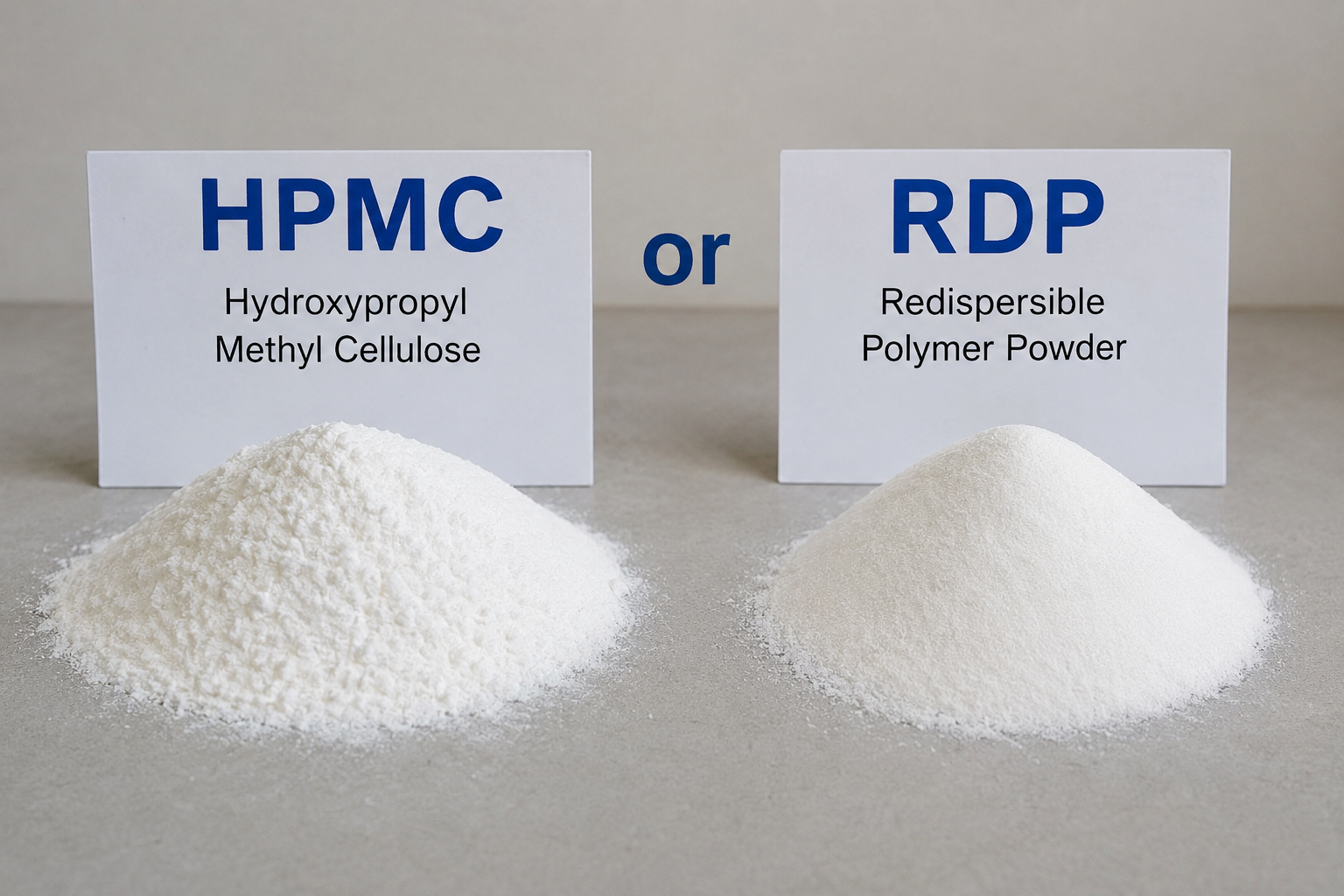
To improve your mortar mix, focus on two things: a precise water-to-cement ratio and high-quality additives. Using polymer powders like RDP or water-retaining agents like HPMC dramatically improves workability, curing, and the final bond strength of the mortar.
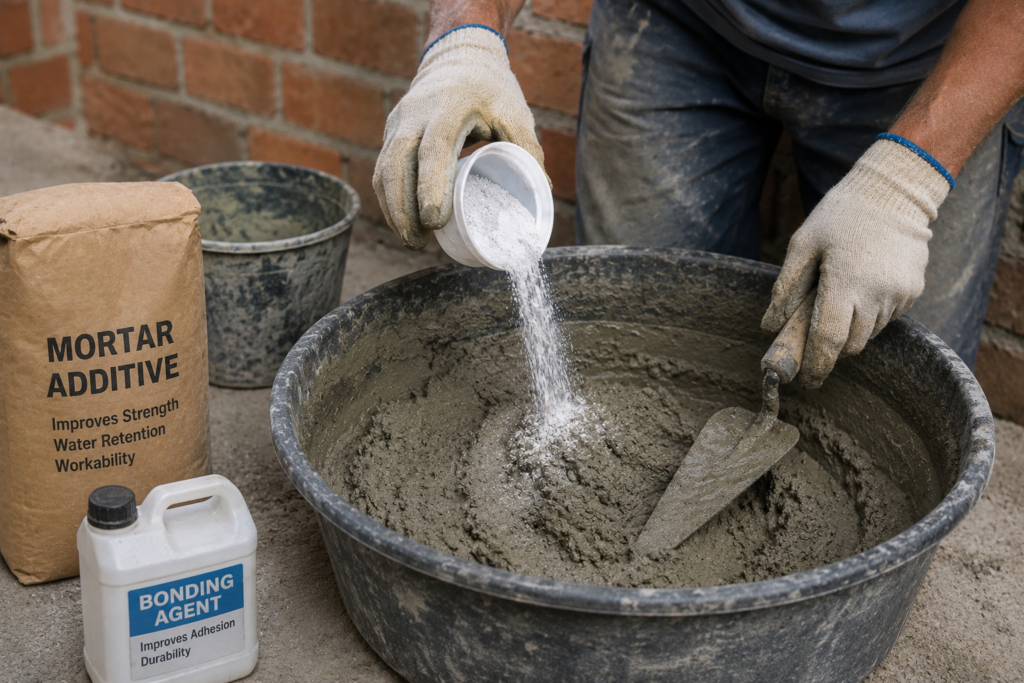
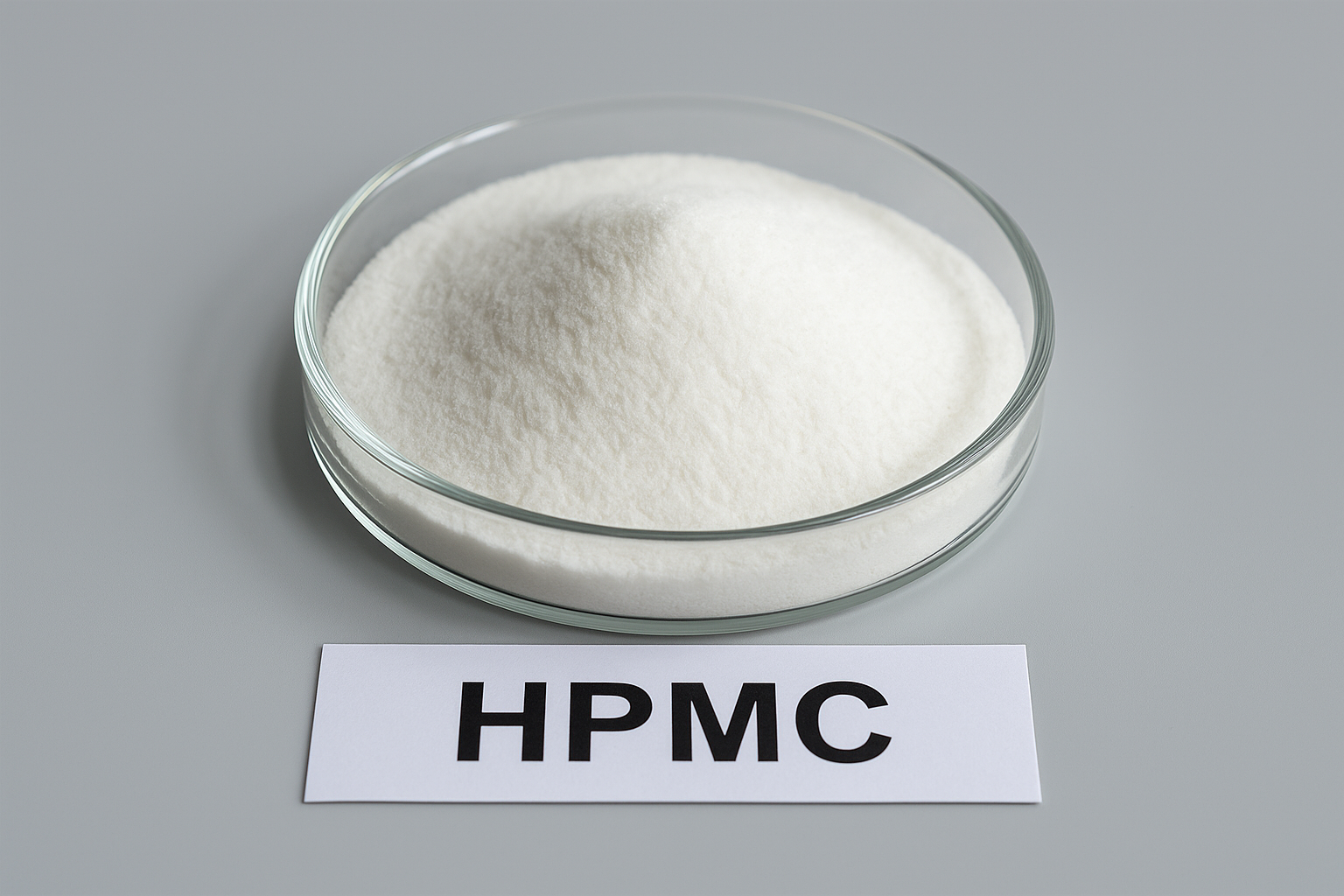
The quality of your mortar starts with the recipe. Just adding more cement is not the answer. The key is balance and using smart additives. At my factory, Kehao, we specialize in these additives because they solve specific problems. For example, Hydroxypropyl Methylcellulose (HPMC) is essential. It holds water in the mix for longer5. This is critical in hot countries where water can evaporate in minutes. By keeping water present, HPMC ensures the cement has enough time to hydrate fully, which is the chemical process that creates strength. It also makes the mortar smoother and easier to apply.
Another game-changer is Redispersible Polymer Powder (RDP). Think of RDP as a special glue inside your mortar. When the mortar dries, the RDP particles form a flexible polymer film throughout the mix. This film bridges tiny cracks and improves adhesion, especially on difficult surfaces. Lab tests show that adding polymer additives can increase bond strength by 30-50%6. It adds flexibility, which is vital for areas that might experience slight movement or temperature changes.
Comparing Mortar Mixes
| Feature | Standard Mortar Mix (Cement + Sand + Water) | Enhanced Mortar Mix (with HPMC & RDP) |
|---|---|---|
| Water Retention | Poor; dries out quickly in heat | Excellent; HPMC holds water for proper curing |
| Adhesion | Moderate; relies only on cement bond | Superior; RDP creates a polymer film for a stronger grip |
| Workability | Stiff and harder to apply | Smooth, creamy, and easy to spread |
| Flexibility | Brittle; prone to cracking | Improved; can withstand slight movement |
What are the Best Tips for Maintaining Optimal Conditions?
You've mixed the perfect mortar and prepped the surface. But the weather is working against you. Don't let bad conditions ruin your hard work. Here’s how you can take control.
To maintain optimal conditions, you must protect your work from extreme heat, cold, and wind. Use insulating blankets in the cold and misting or shade cloths in the heat to manage the curing speed and ensure a strong, durable bond7.
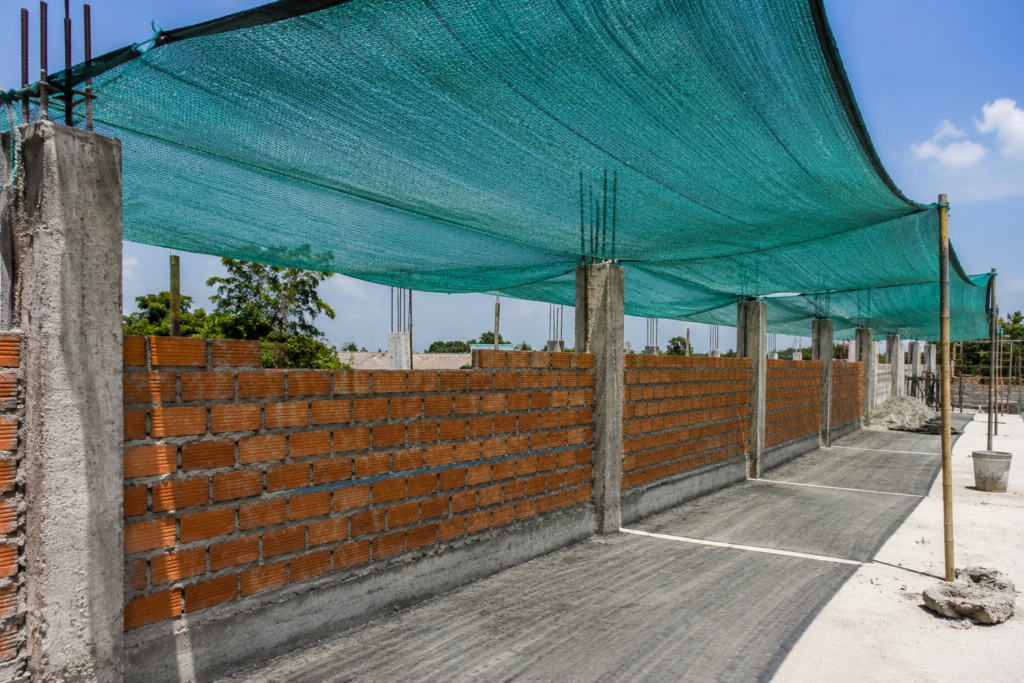
Controlling the environment is a step that many people overlook, but it's essential for a professional result. Think of mortar curing like baking a cake; you need the right temperature for the right amount of time. If it's too hot (above 30°C) and windy, the surface of the mortar will dry out before the inside can cure. This is called "skinning" and it creates a weak outer layer that can easily peel away. To prevent this, I advise my clients in Pakistan and the Philippines to work in the cooler parts of the day, erect windscreens, or gently mist the new mortar with water to slow evaporation.
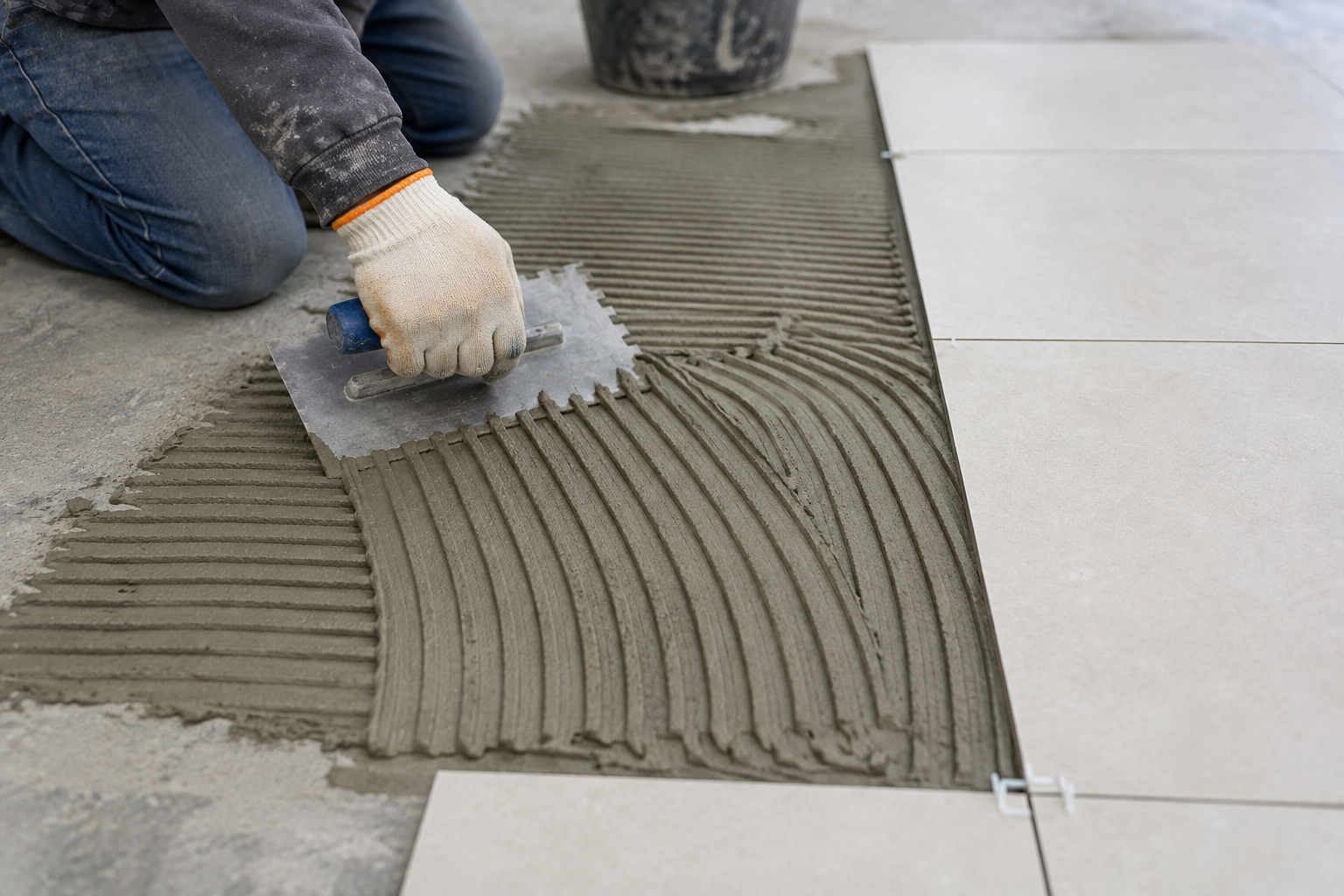
In contrast, working in the cold (below 5°C) is just as dangerous. The hydration process of cement almost stops, and your mortar may never reach its full designed strength. For clients in colder regions, I recommend using heated enclosures or insulating blankets to keep the mortar warm. Also, never apply mortar to a frozen surface, as the bond will fail as soon as it thaws. Finally, consider your application thickness. A thin layer (3-6mm) cures faster and is more sensitive to conditions. A thick layer (>10mm) needs a rough surface, or mechanical keying, to prevent it from slumping or delaminating under its own weight. Always follow best practices for the specific thickness you are applying.
Managing Environmental Conditions for Mortar
| Condition | Risk | Solution |
|---|---|---|
| Hot & Windy | Rapid drying, weak bond | Mist with water, use windbreaks, apply a curing compound. |
| Cold & Freezing | Delayed or halted curing | Use heaters, insulating blankets, and warm mixing water. |
| Thin Application | Prone to drying out too fast | Dampen the substrate before application, control air flow. |
| Thick Application | Slumping, poor internal curing | Apply in layers, ensure rough substrate for mechanical keying. |
Conclusion
Making mortar stick better comes down to four things: a great mix with additives, a clean surface, controlled conditions, and the right application method. Master these basics for a strong, lasting bond.
-
"How Temperature Affects Cement-Based Tile Adhesives", https://xhhpmc.com/how-temperature-affects-cement-based-tile-adhesives-strength-curing-performance/. Scholarly sources on building durability indicate that improper mortar mix, surface preparation, and curing can significantly reduce the service life of masonry structures, though exact timeframes may vary depending on environmental and structural factors. Evidence role: mechanism; source type: education. Supports: Getting these four elements right is the difference between a project that lasts for decades and one that fails in months.. Scope note: The support is contextual and does not guarantee specific project lifespans. ↩
-
"Lime mortar - Wikipedia", https://en.wikipedia.org/wiki/Lime_mortar. Technical manuals and building codes identify poor surface preparation, incorrect mix proportions, extreme temperatures, and improper application thickness as leading causes of mortar adhesion failure. Evidence role: expert_consensus; source type: institution. Supports: The most common reasons mortar fails to stick are poor surface preparation, an incorrect mix, extreme temperatures, and using the wrong thickness.. Scope note: The ranking of causes may vary by region and application. ↩
-
"Cement Heat of Hydration and Thermal Control", https://digitalcommons.usf.edu/etd/6142/. Research on cement hydration shows that elevated temperatures can accelerate water evaporation, impeding proper hydration and leading to weak mortar bonds. Evidence role: mechanism; source type: paper. Supports: In very hot climates like the UAE or India, water evaporates from the mortar too quickly. This stops the cement from hydrating properly, resulting in a weak, chalky bond.. Scope note: The degree of weakness depends on specific mix and environmental conditions. ↩
-
"[PDF] Hydration of portland cement: The effect of curing conditions", https://www.nist.gov/document/b97002pdf. Construction guidelines indicate that mortar curing is significantly slowed below 5°C, which can prevent full strength development if not properly managed. Evidence role: mechanism; source type: government. Supports: In cold places below 5°C, the chemical reaction slows down so much that the bond never fully develops.. Scope note: Complete failure depends on exposure duration and mitigation measures. ↩
-
"How to Prevent Mortar Cracking in Extreme Desert Heat ... - WHHPMC", https://whhpmc.com/how-to-prevent-mortar-cracking-in-extreme-desert-heat-with-hpmc-solutions/. Technical literature confirms that HPMC acts as a water retention agent in mortar, reducing evaporation and improving curing, particularly in hot climates. Evidence role: mechanism; source type: research. Supports: Hydroxypropyl Methylcellulose (HPMC) is essential. It holds water in the mix for longer.. Scope note: Effectiveness varies with dosage and environmental conditions. ↩
-
"Dry Mix Mortar: How Can HPMC and RDP Transform Your ...", https://xhhpmc.com/dry-mix-mortar-how-can-hpmc-and-rdp-transform-your-construction-projects/. Experimental studies have reported that polymer additives such as RDP and HPMC can increase mortar bond strength by 30-50% under controlled conditions. Evidence role: statistic; source type: paper. Supports: Lab tests show that adding polymer additives can increase bond strength by 30-50%.. Scope note: Results may vary with mix design and testing protocols. ↩
-
"Guide for Curing Portland Cement Concrete Pavements, II ...", https://www.fhwa.dot.gov/publications/research/infrastructure/pavements/pccp/05038/007.cfm. Construction standards recommend using insulating blankets in cold weather and shade or misting in hot conditions to regulate mortar curing and prevent bond failure. Evidence role: expert_consensus; source type: institution. Supports: Use insulating blankets in the cold and misting or shade cloths in the heat to manage the curing speed and ensure a strong, durable bond.. Scope note: Effectiveness depends on implementation and site conditions. ↩