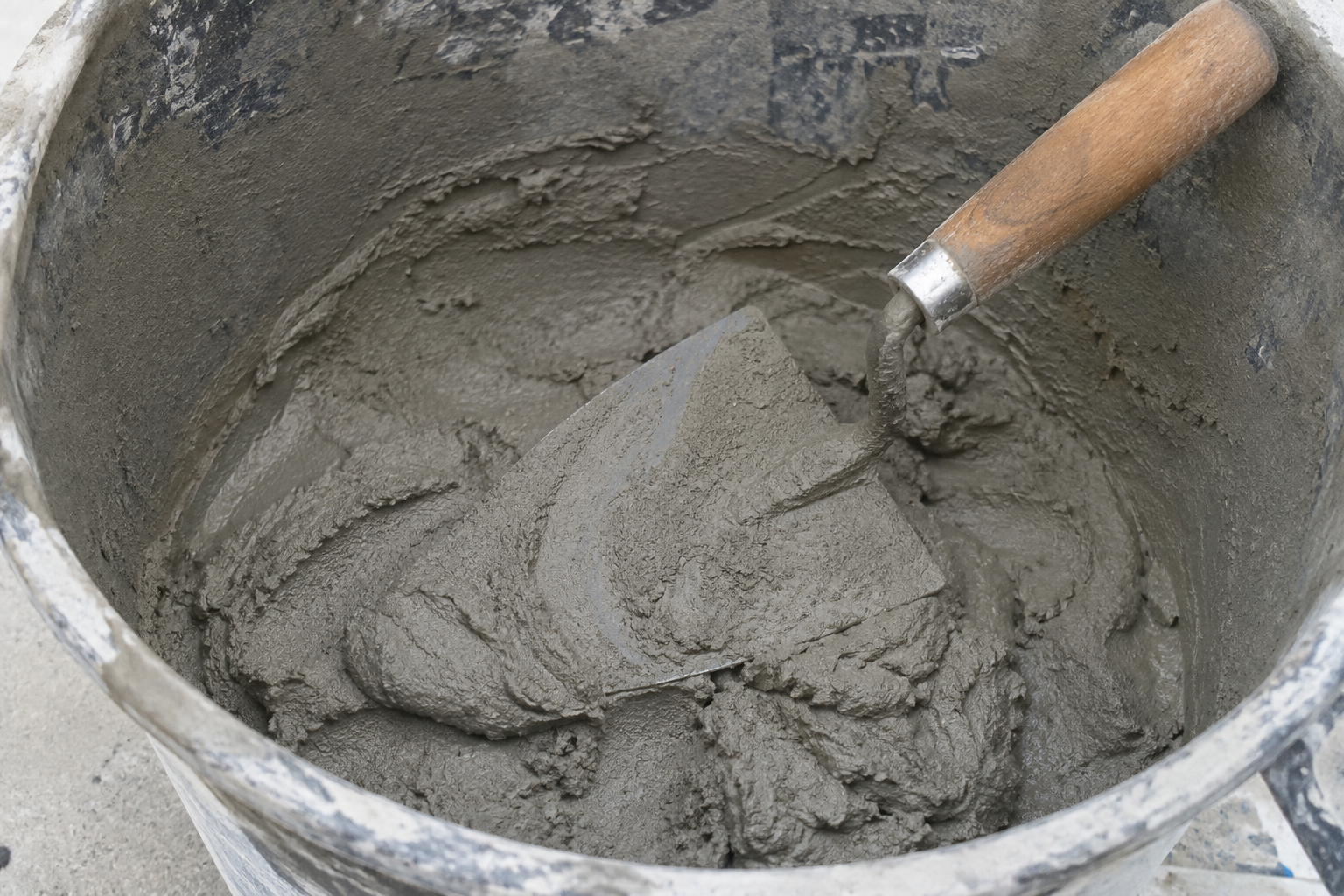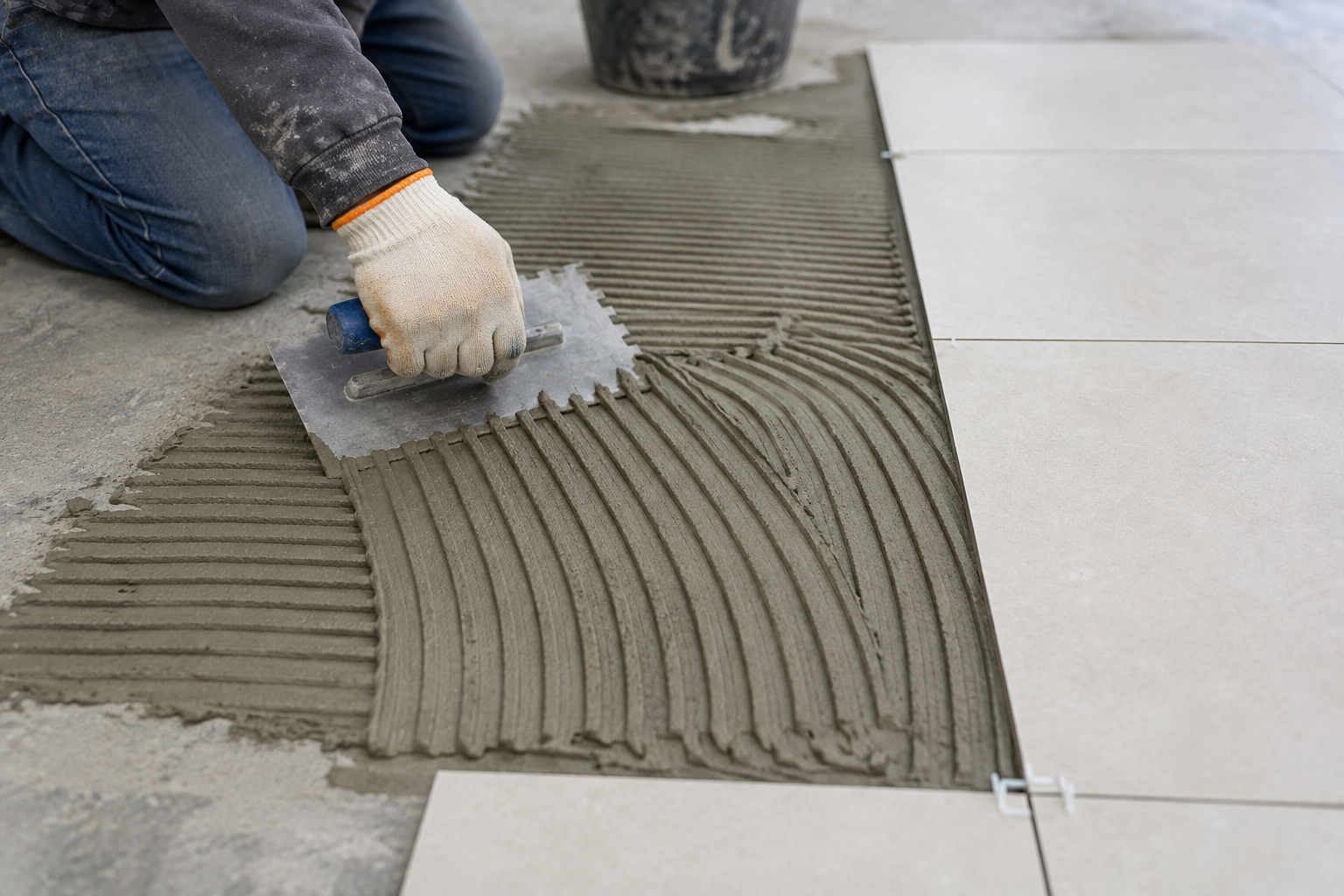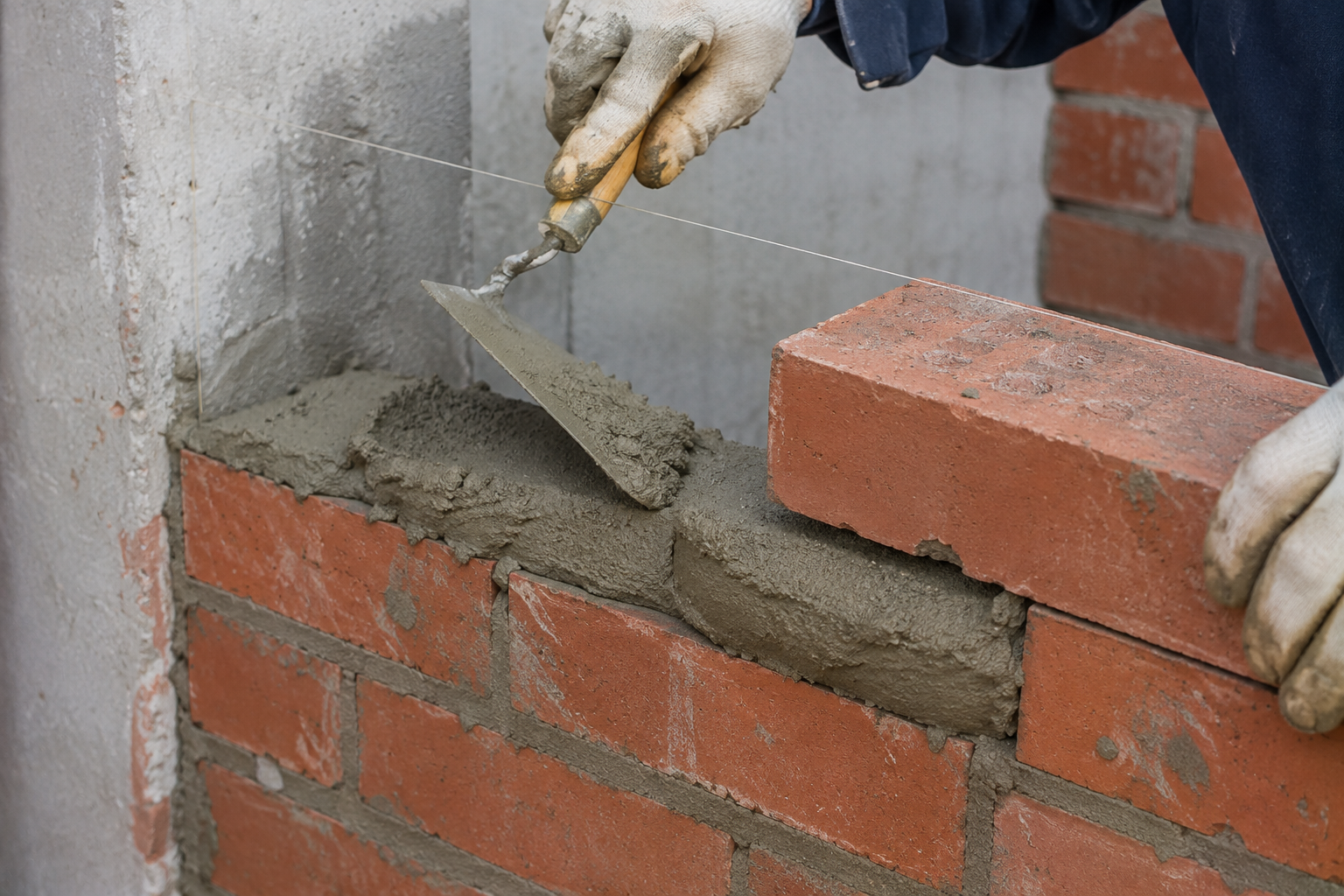
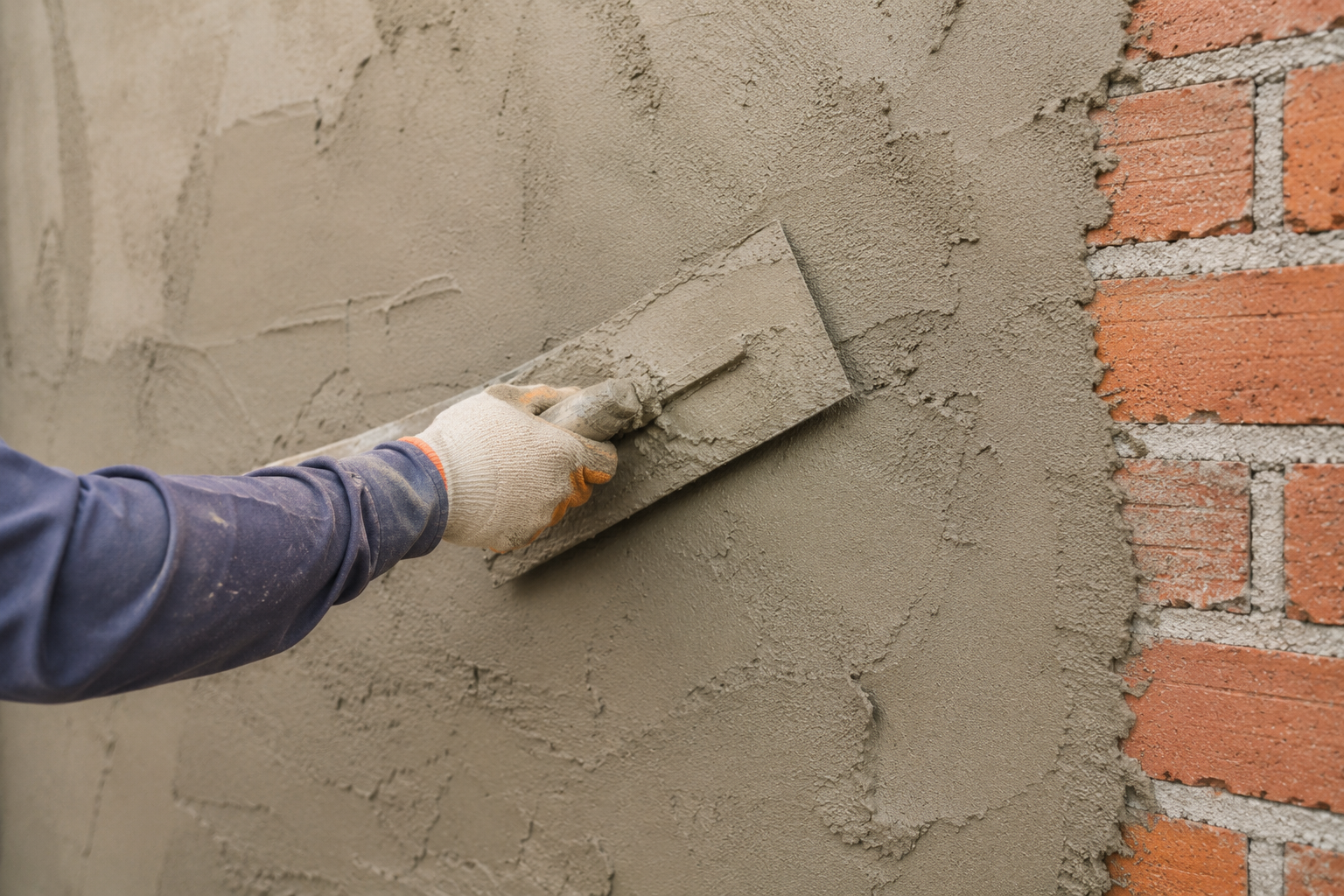
Hot weather causes your mortar to dry too fast. This leads to weak bonds and expensive rework.1 I will show you how to guarantee strong adhesion every time.
To improve mortar adhesion in the heat, you must manage your materials by shading them and using cool water. Also, properly prepare the surface by dampening it. You should adjust your mortar mix with additives like HPMC and use proper curing techniques like misting.
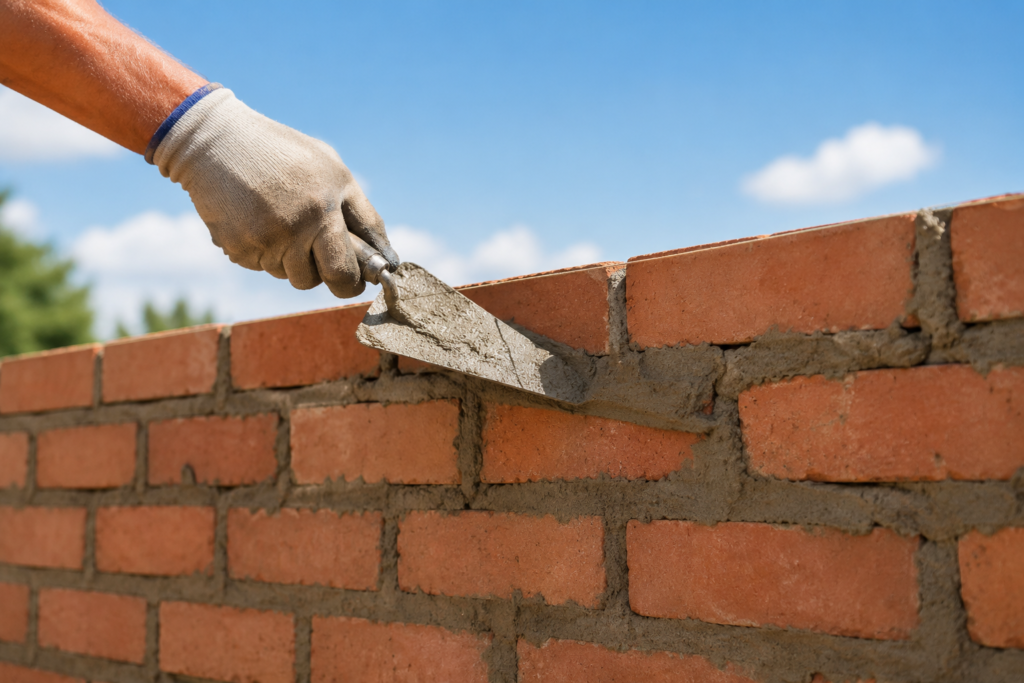
I've seen countless projects struggle when the temperature rises. A client in Dubai once called me, frustrated that cracks were appearing almost immediately after plastering. The problem was not the quality of his mortar. The problem was how it was handled in the extreme heat. The sun was literally baking the water out of the mix before it could bond. Let's break down the key areas you need to focus on. This will help you avoid these issues and ensure your projects succeed, even on the hottest days.
How should you manage materials and the site in the heat?
Your materials are baking in the sun. This extreme heat can ruin your mortar mix before you even start working. I'll explain how to control your site to protect your materials.
You should store cement, sand, and additives in the shade. It is also important to use cool water for mixing, even adding ice if needed. Try to schedule your work for cooler parts of the day. Shading the work area can also dramatically lower surface temperatures.2
Shading and Timing are Your Best Friends
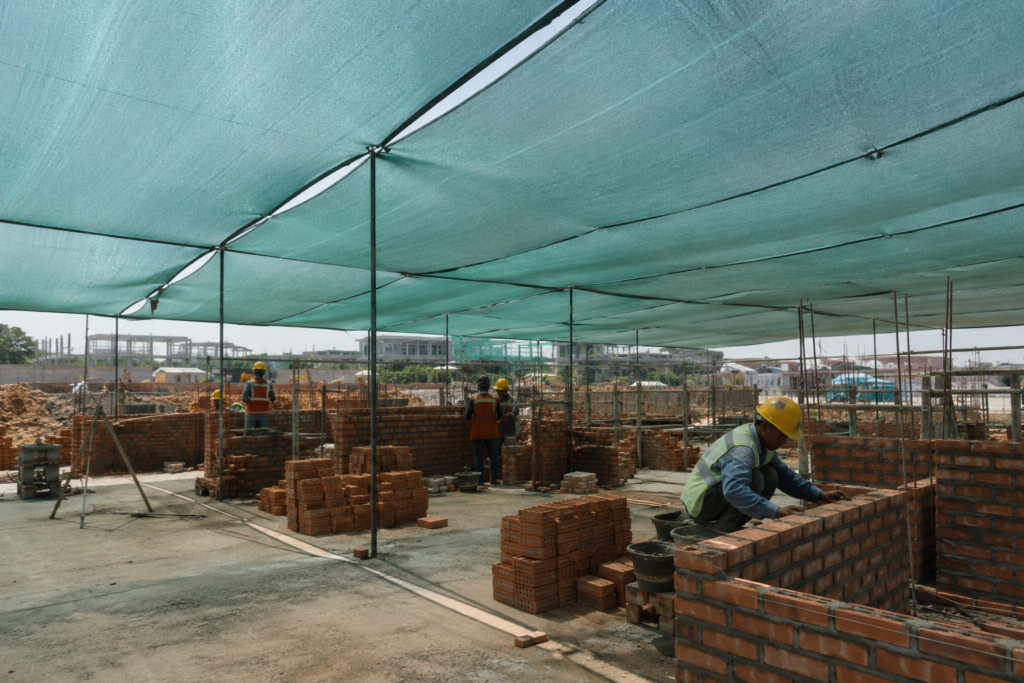
The single biggest enemy in hot weather is the sun. It heats up your materials, your equipment, and your work surface. I learned from my partners in the UAE that they often pour concrete and apply mortar between 4 AM and 7 AM. They do this to avoid the worst of the day's heat. You can also use temporary shade nets. These nets can lower the temperature of a wall or slab by as much as 15°C. This is critical. The ASTM C270 standard warns that mortar bonds poorly to any surface that is above 40°C. Shading the surface is a simple step that makes a huge difference. It keeps the surface cool enough for a strong chemical bond to form.
Keep Your Ingredients Cool
The temperature of your ingredients directly impacts your mortar. A friend of mine running trials in Texas shared a great tip. He hoses down his sun-baked sand piles before mixing. This simple action increased the mortar's final strength by 18%. Hot sand and hot water will make the cement set almost instantly. This is called a "flash set," and it kills workability and strength.3 You should always use the coolest water available. On very hot projects, some of my clients in Saudi Arabia even add ice to the mixing water to bring the temperature down.
| Material Condition | Mortar Temperature | Workability | Final Strength |
|---|---|---|---|
| Hot Sand, Hot Water | > 35°C | Very Low | Poor |
| Cool Sand, Cool Water | < 25°C | Excellent | High |
How do you properly prepare the substrate for mortar?
A hot, dry wall sucks water from your mortar like a sponge. This quick water loss prevents a strong chemical bond from forming.4 You must learn the right way to prepare surfaces.
Before you apply mortar, you must cool and dampen the substrate. Use a fine mist of water to lower its temperature. The surface should be saturated-surface-dry (SSD). This means it is damp but has no standing water. This stops rapid water absorption.
The Dangers of a Thirsty Substrate
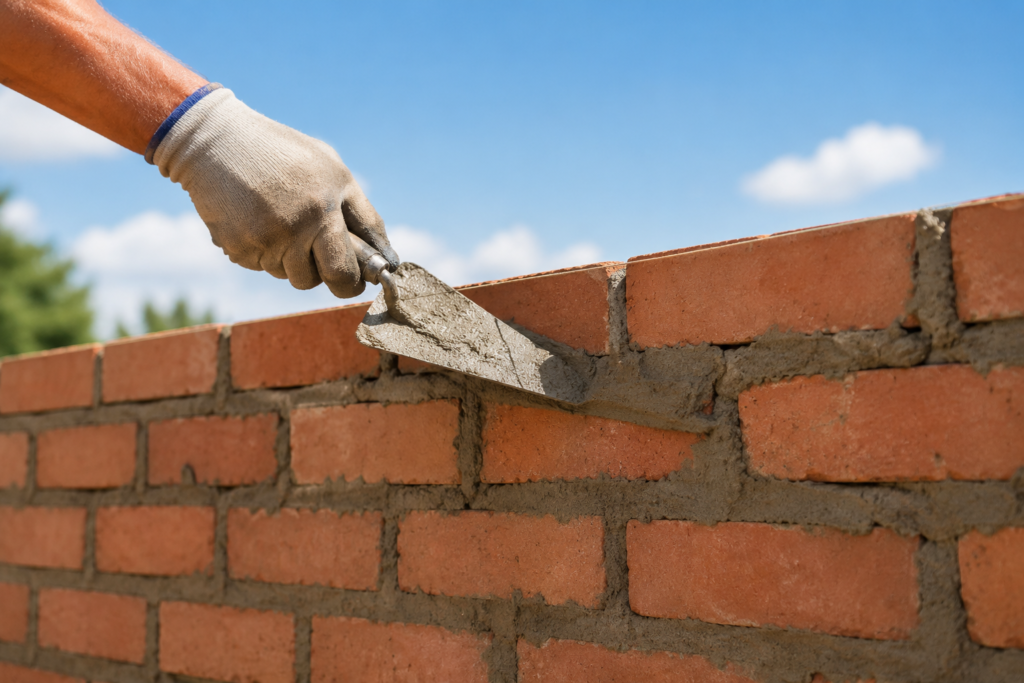
I once got a call from a contractor in Pakistan. He was frustrated because expensive tiles were falling off a sun-baked concrete wall. His team was using high-quality mortar, but the bond was failing. The problem was the substrate. The hot, dry concrete was pulling all the water out of the mortar too quickly. This process is called rapid dehydration. When this happens, the cement does not have enough water to complete its chemical reaction, known as hydration. The bond at the interface between the mortar and the wall becomes weak and brittle. The solution was simple. I told him to have his team thoroughly wet the wall an hour before work. The issue disappeared.
Step-by-Step Substrate Cooling
Achieving a "saturated-surface-dry" (SSD) condition is key. This sounds technical, but it is very simple. It means the pores of the surface are full of water, but the surface itself is not wet or puddled. This prevents the wall from stealing water from your fresh mortar. Our Kehao HPMC helps a lot with water retention, but even it cannot win against a bone-dry, hot substrate. Proper preparation is non-negotiable.
Here is a simple checklist:
- Check the surface. Touch the wall or slab. If it feels hot, you need to cool it.
- Apply a fine mist of water. Do not use a strong jet of water. You want to dampen it, not flood it.
- Wait and check. Wait for the shiny wet look to disappear. The surface should look damp, not glossy.
- Apply mortar. Begin applying your mortar immediately while the surface is in this perfect SSD state.
What adjustments should you make to your mortar mix?
Your standard mortar mix will fail in high heat. It becomes stiff and unworkable far too quickly. You need to adjust the formula to fight the heat and maintain quality.
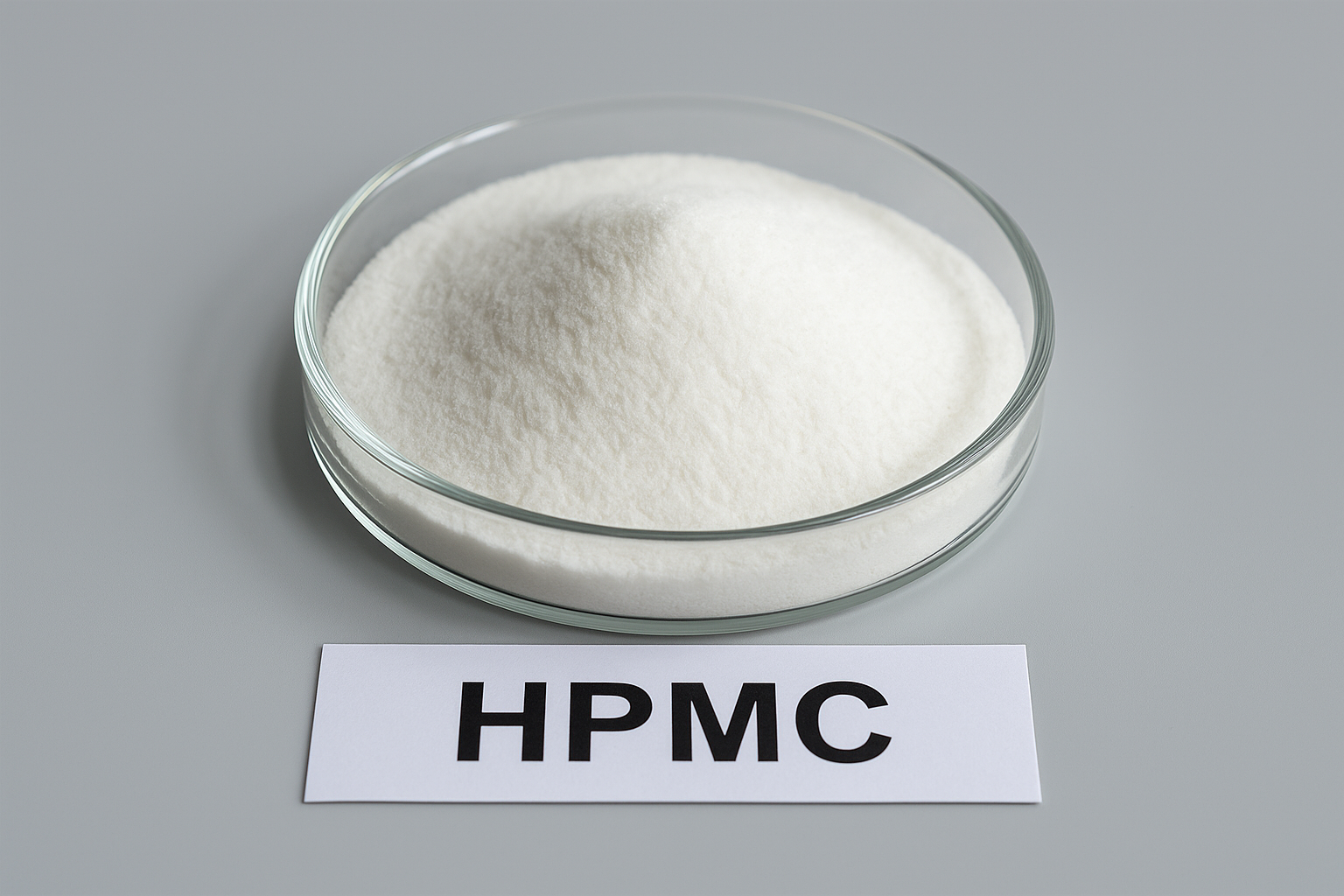
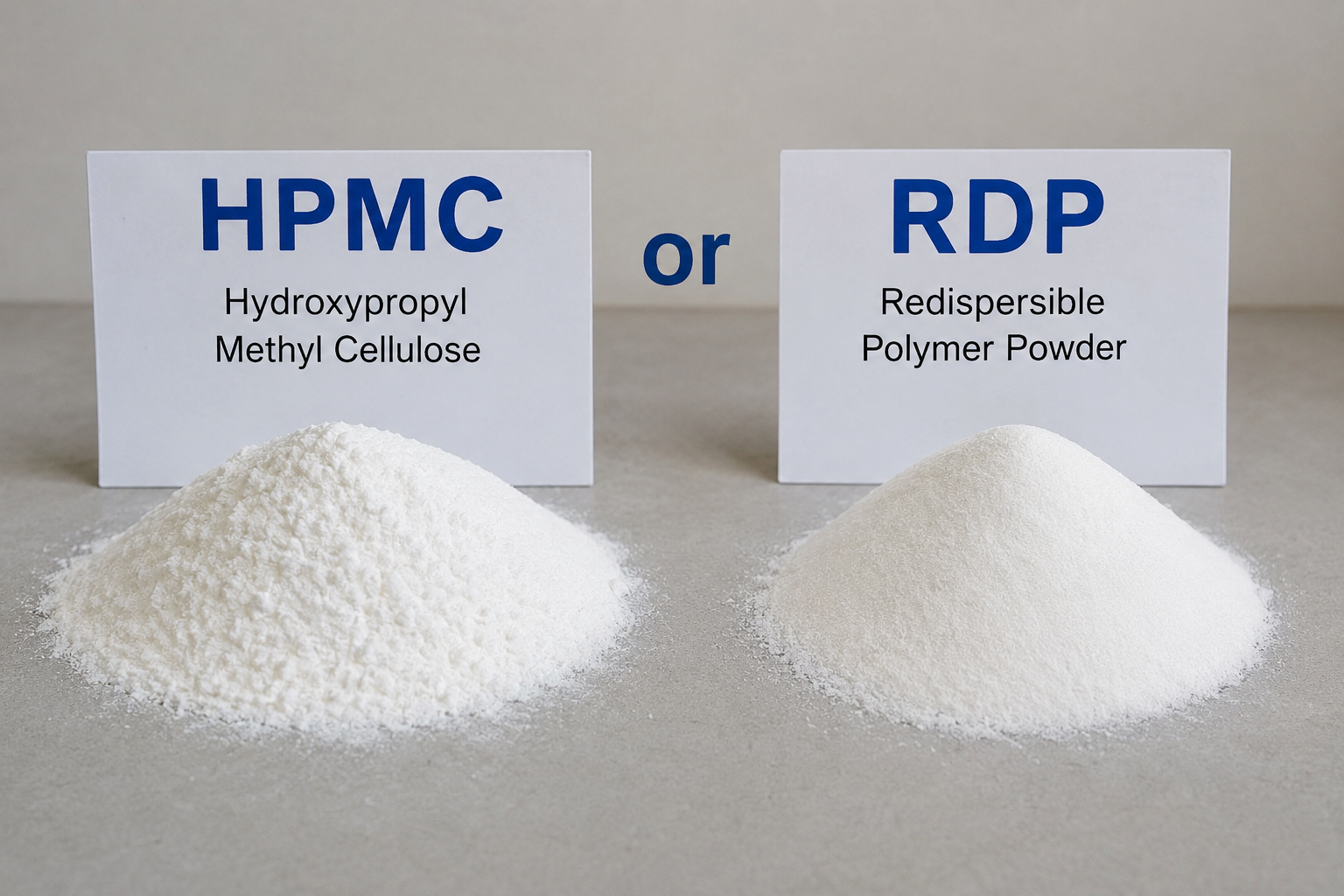
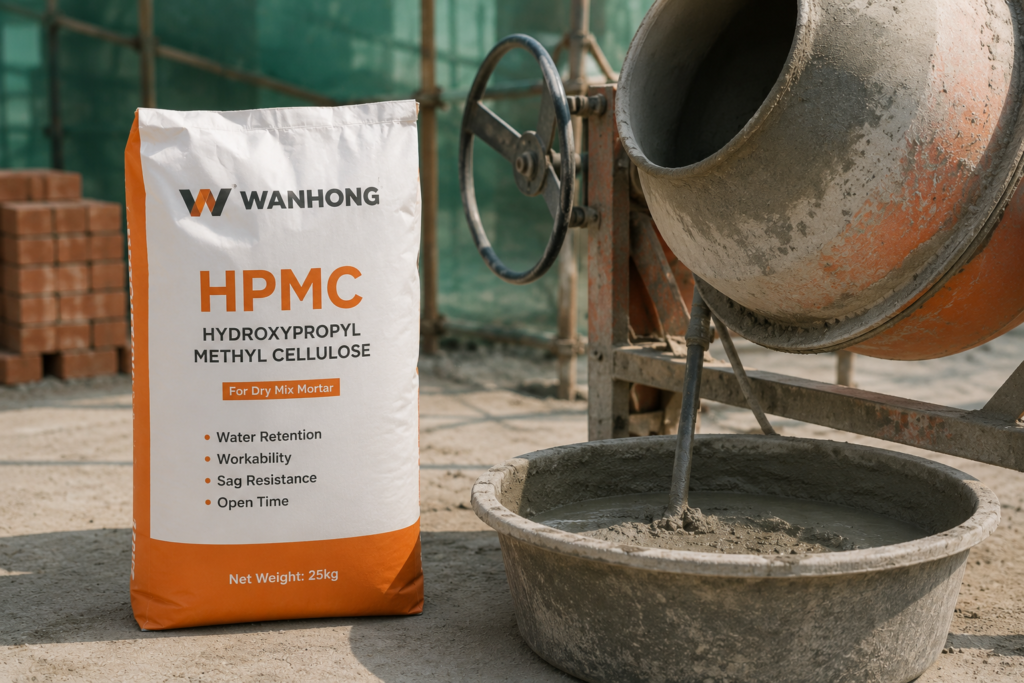
You should add water-retaining agents like our Wanhong Hydroxypropyl Methylcellulose (HPMC) to your mix. This keeps the mortar workable for a longer time. You can also use set retarders to slow down the chemical hardening process. Using a pre-blended mix is always best.
The Power of Water Retention with HPMC
You cannot make "heat-proof" mortar, but you can make a mix that is highly resistant to heat. The key is controlling water. This is where additives like HPMC become so important. I was reviewing a report from masons in Mexico. They found that by switching to pre-blended mortar bags containing methylcellulose, they had 20% fewer bond failures. These mixes also cut water loss by over 50% compared to their standard site-mixed versions. Our Kehao HPMC works by grabbing onto water molecules. It forms a protective layer that slows down evaporation, even under the hot sun. This gives the cement the time and water it needs to hydrate fully and create a very strong bond.
Extending Workability with Retarders
Sometimes, water retention alone is not enough, especially on large jobs in extreme heat. This is when you should add a set retarder. A client working on a high-rise in Dubai uses this combination. Our HPMC provides water retention, and a polymer-based retarder gives him an extra 30-40 minutes of workability, even in 35°C heat. Retarders work by slowing down the initial chemical reaction of the cement. This "open time" is critical for masons to be able to place and adjust bricks or apply a smooth plaster finish.5
| Mortar Mix at 35°C | Workable Time (Open Time) |
|---|---|
| Standard Mortar | 10-15 Minutes |
| Mortar with HPMC | 25-30 Minutes |
| Mortar with HPMC + Retarder | 45-60+ Minutes |
How should you apply and cure mortar in hot conditions?
You applied the mortar perfectly, but it cracked overnight. Premature drying can ruin all of your hard work. You must protect the mortar after application to ensure it cures properly.
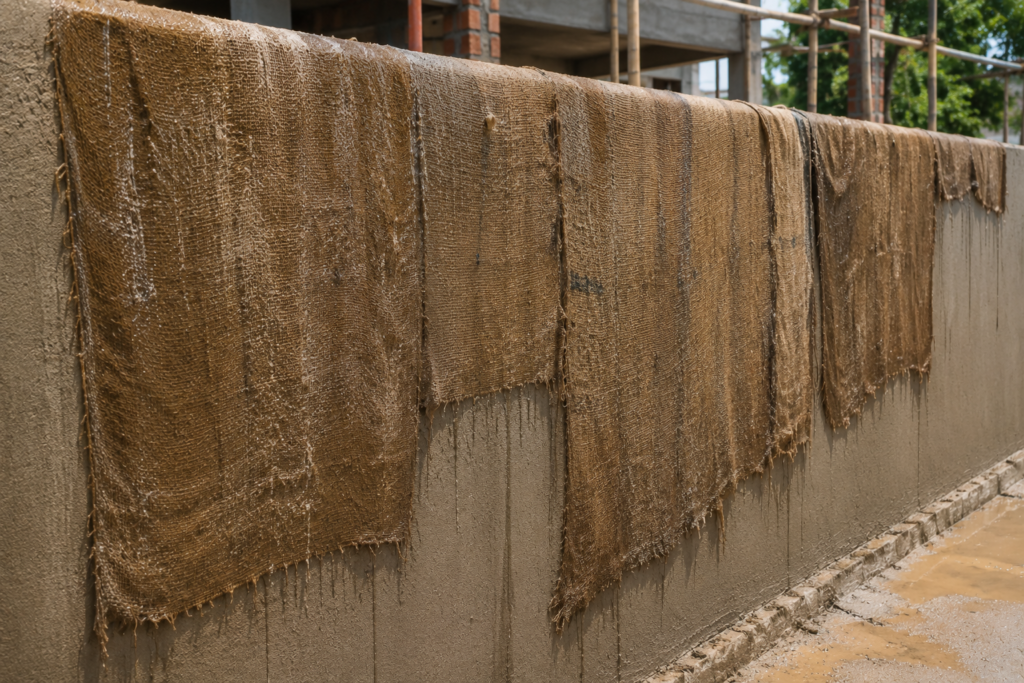
You should apply mortar in smaller batches to prevent it from drying on the board. After you apply it, protect the fresh mortar from sun and wind. Start wet curing as soon as it is hard enough by misting it or covering it with wet burlap for 3-7 days.
Curing: The Final, Critical Step
Curing is not just about drying. It is an active chemical process called hydration where the cement crystals grow and interlock to create strength. This process needs water.6 In hot, windy weather, the surface water evaporates faster than the hydration can complete. This causes shrinkage cracks and a weak, powdery surface. I think of curing as cheap insurance for my clients' projects. A project manager in Brazil told me he saved an entire exterior plastering job from failure. He did this by simply starting a strict curing schedule. His team misted the walls with water three times a day for a week. The small cracks they saw on the first day stopped appearing.
Curing Methods for Hot Weather
Protecting your work is simple. The goal is to keep the surface of the mortar damp for as long as possible. The first 72 hours are the most critical. Using the same wet burlap method that my Dubai clients use is very effective. It holds a lot of moisture against the surface for a long time.
Here are the most common methods:
- Misting: This method involves spraying a fine fog of water onto the mortar surface periodically. It is great for vertical walls but requires consistent labor.
- Wet Coverings: Using materials like burlap, cotton mats, or even sand keeps the surface constantly moist. You just need to re-wet the coverings periodically.
- Curing Compounds: These are liquids that you spray on. They form a thin membrane that traps moisture inside the mortar. Always check if the compound is compatible with any paint or finish you plan to apply later.
So, how do you make mortar stick better in the heat?
You have now learned many useful techniques. But it can feel overwhelming. You need a simple checklist to ensure perfect adhesion every time, even when temperatures soar.
To make mortar stick better, you must control the temperature of your materials and work surfaces. You also need to adjust your mix with quality additives like HPMC. Always prepare the substrate by dampening it. And finally, cure the mortar by keeping it moist for several days.
Making mortar stick in hot weather is about controlling the entire process, not just one step. I was recently talking to Mark Chen, a good customer of mine who owns a large paint factory in Saudi Arabia. He also produces putty and mortar for local projects. He told me that since his teams started following a simple checklist, their rework on exterior projects has dropped by over 30%. It is not one single magic trick. It is a system of small, simple steps that work together. From cooling the sand to covering the final wall with wet burlap, every step protects the water in the mix. This gives the mortar the best possible chance to reach its full strength and bond permanently.
Hot Weather Mortar Checklist
| Phase | Key Action | Why It's Important |
|---|---|---|
| Before Mixing | Store materials in shade. Use cool sand and water. | This prevents flash setting and maintains workability. |
| Preparation | Dampen the substrate until it is SSD (saturated-surface-dry). | This prevents the substrate from stealing water from the mortar. |
| Mixing | Add a quality HPMC like ours. Use a retarder if needed. | This increases water retention and the usable open time. |
| Application | Work in smaller sections. Keep your mortar board out of direct sun. | This reduces water evaporation from the mortar before use. |
| Curing | Mist with water or cover with wet burlap for 3-7 days. | This ensures full cement hydration and maximum strength. |
Conclusion
Mastering hot weather mortar work is about control. By managing temperature, adjusting your mix with quality additives, and curing correctly, you ensure strong, lasting adhesion for all your projects.
-
"[PDF] The Effect of Elevated Temperature on Concrete Materials and ...", https://info.ornl.gov/sites/publications/files/Pub1043.pdf. Technical literature and construction standards indicate that high temperatures accelerate mortar drying, which can result in weak bonds and increased likelihood of rework due to poor adhesion. Evidence role: mechanism; source type: education. Supports: Hot weather causes your mortar to dry too fast. This leads to weak bonds and expensive rework.. ↩
-
"Passive cooling - Wikipedia", https://en.wikipedia.org/wiki/Passive_cooling. Research and construction guidelines confirm that shading can significantly reduce surface temperatures on construction sites, improving conditions for mortar application. Evidence role: mechanism; source type: education. Supports: Shading the work area can also dramatically lower surface temperatures.. Scope note: The degree of temperature reduction depends on local conditions and shading methods. ↩
-
"[PDF] The Effect of Elevated Temperature on Concrete Materials and ...", https://info.ornl.gov/sites/publications/files/Pub1043.pdf. Cement chemistry literature describes 'flash set' as rapid setting caused by high temperatures of mixing materials, leading to poor workability and reduced strength. Evidence role: mechanism; source type: education. Supports: Hot sand and hot water will make the cement set almost instantly. This is called a 'flash set,' and it kills workability and strength.. Scope note: Flash set severity depends on specific temperature and mix conditions. ↩
-
"How Temperature Affects Cement-Based Tile Adhesives", https://xhhpmc.com/how-temperature-affects-cement-based-tile-adhesives-strength-curing-performance/. Construction handbooks explain that hot, dry substrates absorb water rapidly from fresh mortar, impeding proper hydration and bond formation. Evidence role: mechanism; source type: education. Supports: A hot, dry wall sucks water from your mortar like a sponge. This quick water loss prevents a strong chemical bond from forming.. Scope note: The rate of water absorption varies with substrate material and environmental conditions. ↩
-
"Which Additives Are Essential for High-Temperature Masonry Work?", https://whhpmc.com/which-additives-are-essential-for-high-temperature-masonry-work/. Cement chemistry sources confirm that set retarders delay the hydration reaction, extending the workable period ('open time') for mortar and concrete. Evidence role: mechanism; source type: education. Supports: Retarders work by slowing down the initial chemical reaction of the cement. This 'open time' is critical for masons to be able to place and adjust bricks or apply a smooth plaster finish.. Scope note: The effectiveness of retarders depends on dosage and environmental conditions. ↩
-
"Hydration of Portland Cement", https://www.engr.psu.edu/ce/courses/ce584/concrete/library/construction/curing/Hydration.htm. Cement and concrete textbooks explain that curing involves hydration, a chemical process requiring water for cement crystals to form and develop strength. Evidence role: mechanism; source type: education. Supports: Curing is not just about drying. It is an active chemical process called hydration where the cement crystals grow and interlock to create strength. This process needs water.. ↩