Top 10 HPMC Wholesalers In India
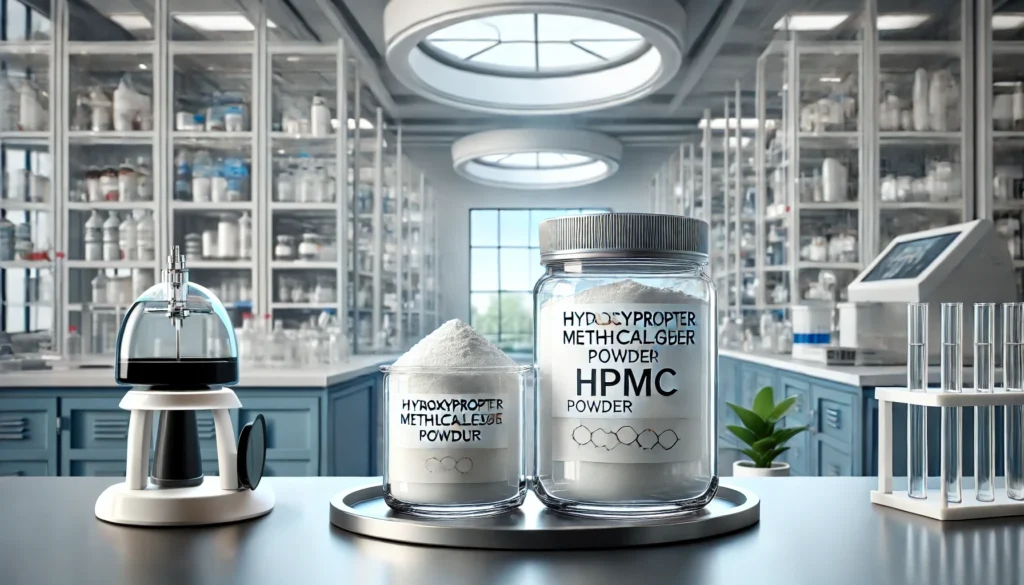
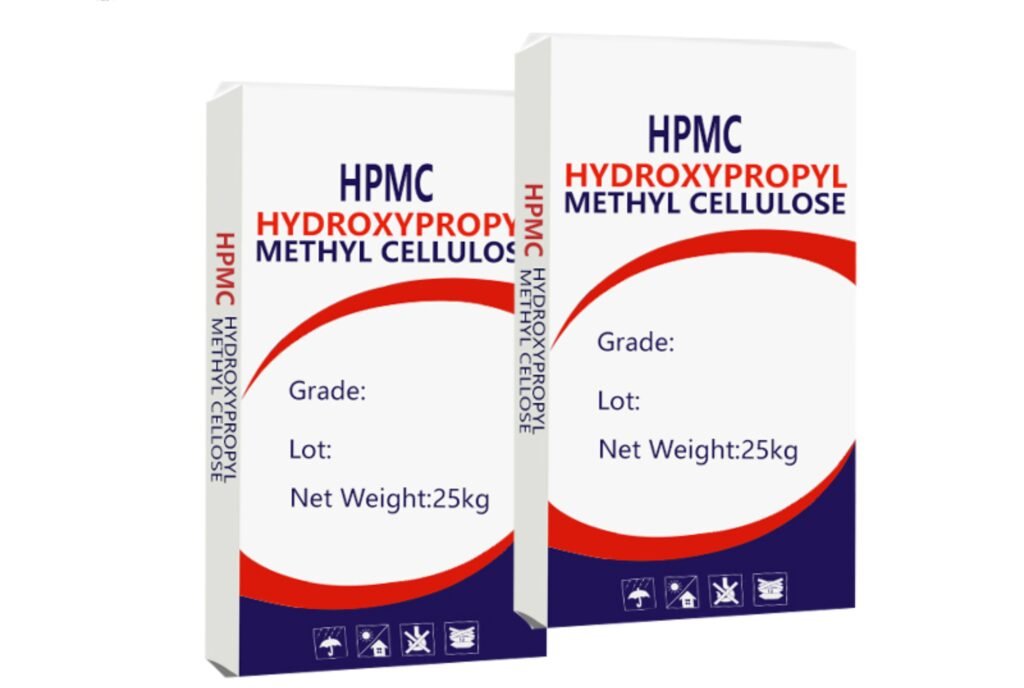
Discover the top 10 HPMC manufacturers in India, offering high-quality hydroxypropyl methylcellulose for construction, pharmaceuticals, and more. Explore their websites, product ranges, and contact details.
Top 10 HPMC Wholesalers In the U.S.
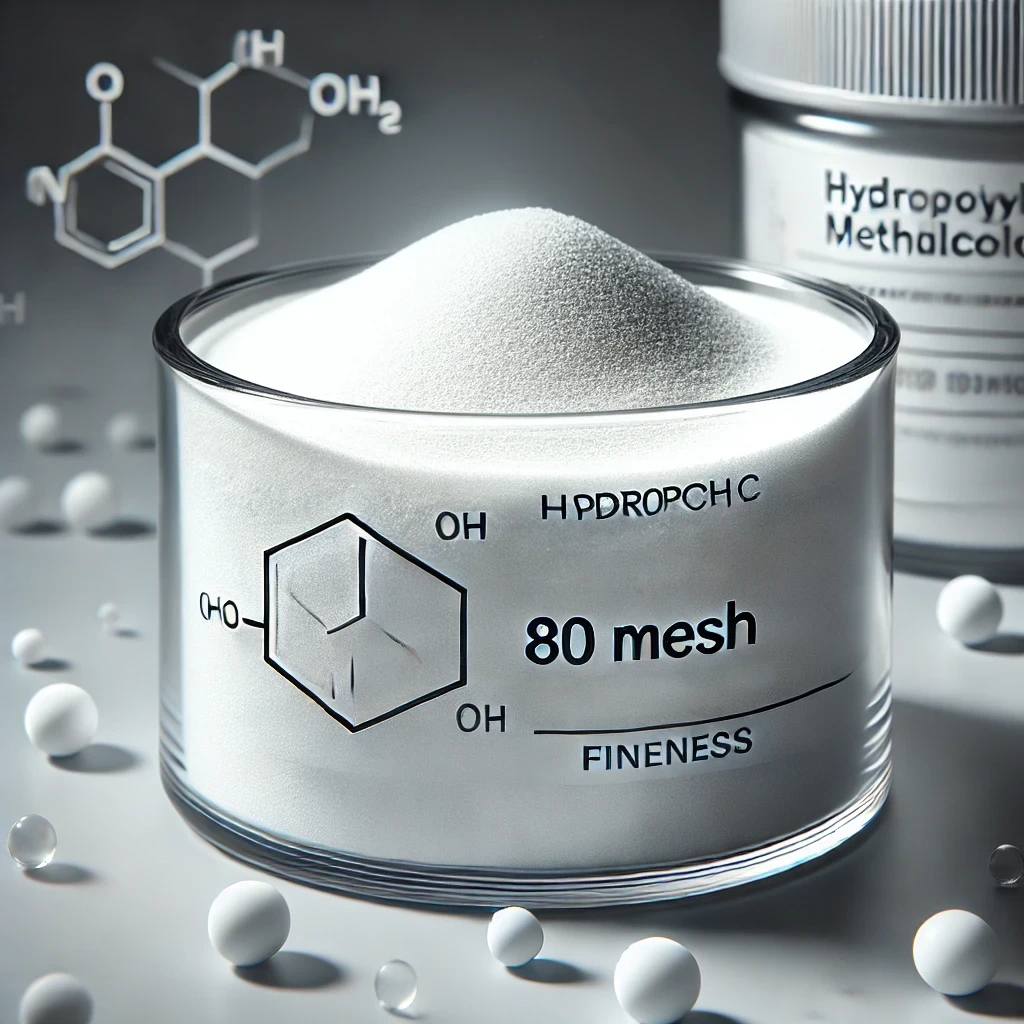
Below is a summary of the top 10 HPMC producers and large distributors in the U.S. market that you may consider buying Hydroxypropyl Methylcellulose (HPMC) from, and you can choose from among these dealers and manufacturers to get the right HPMC for your project.
Top 10 HPMC Wholesalers in China
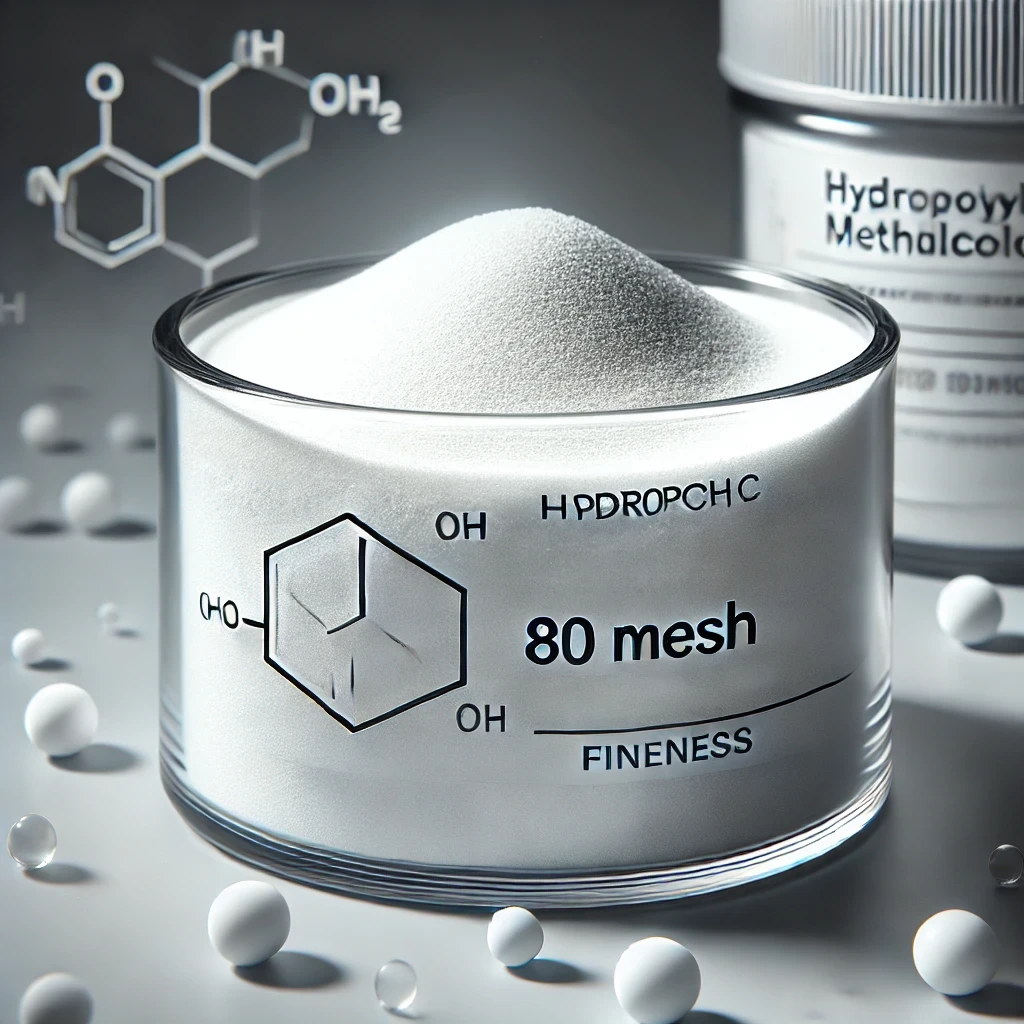
Below is the list of 10 Hydroxypropyl Methylcellulose (HPMC) manufacturers in China with their information and websites, which can help buyers to better understand the factories and buy the right products.
TOP 6 Advantages: HPMC for self-leveling conment
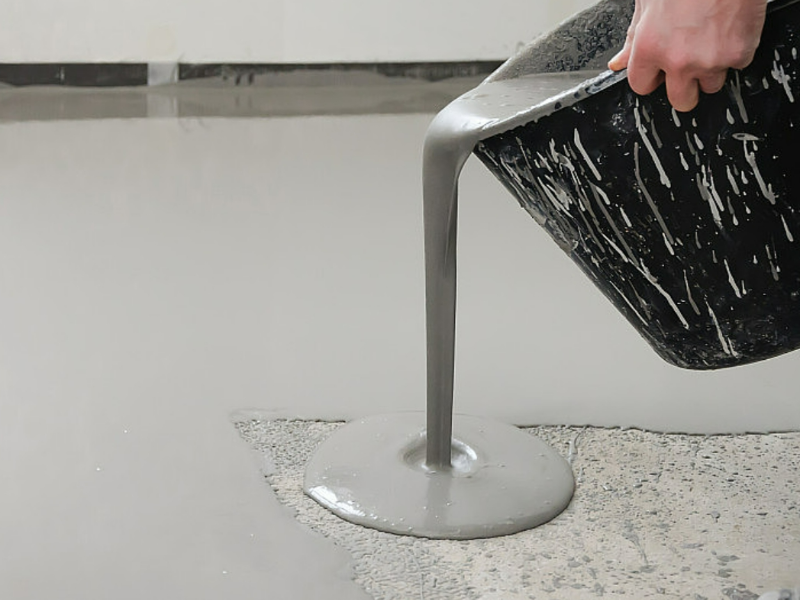
Discover how Hydroxypropyl Methylcellulose (HPMC) improves cement self-leveling compounds. Learn about its benefits, impact on performance, and how to optimize your construction projects. Contact WHHPMC for high-quality HPMC solutions.
Top 8 Differences: HPMC vs HEMC
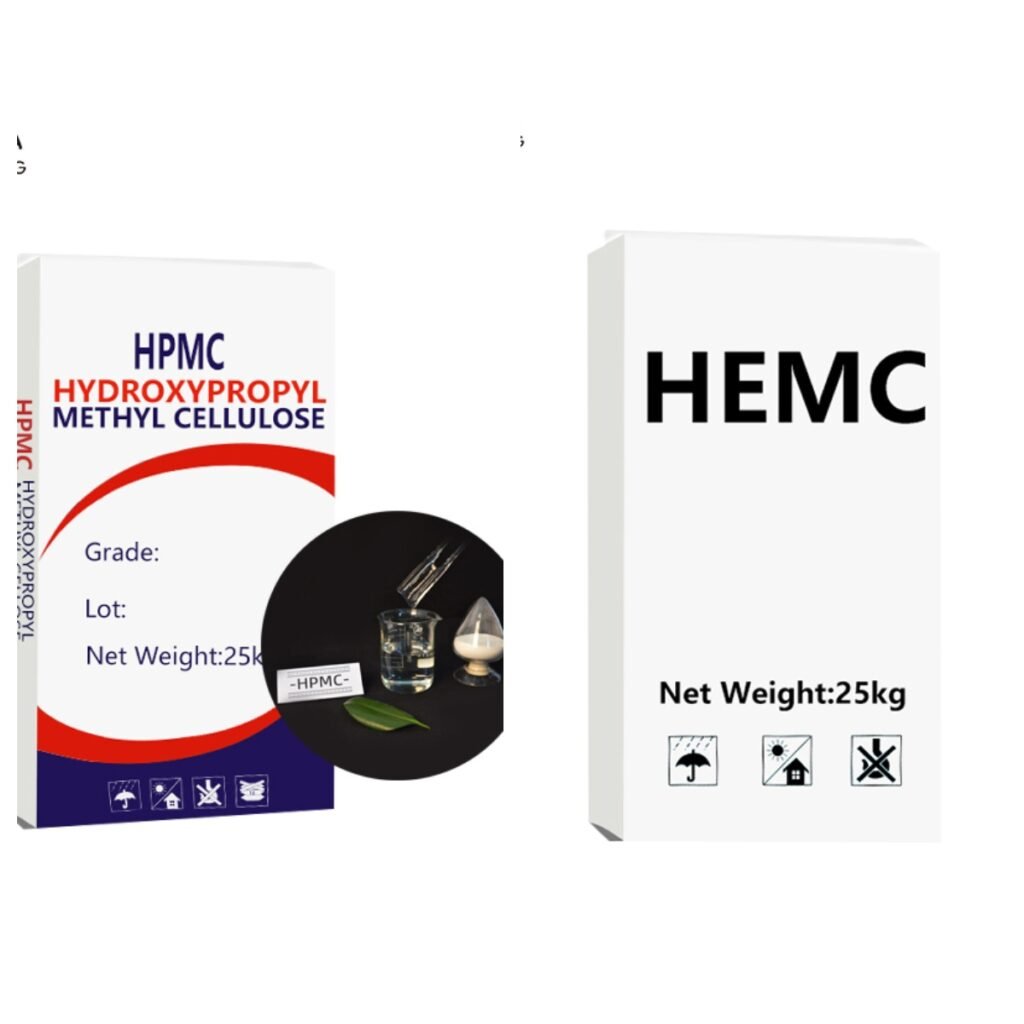
Differences in specific parameters and usage scenarios between HPMC and HEMC for construction purposes
HPMC VS HEC
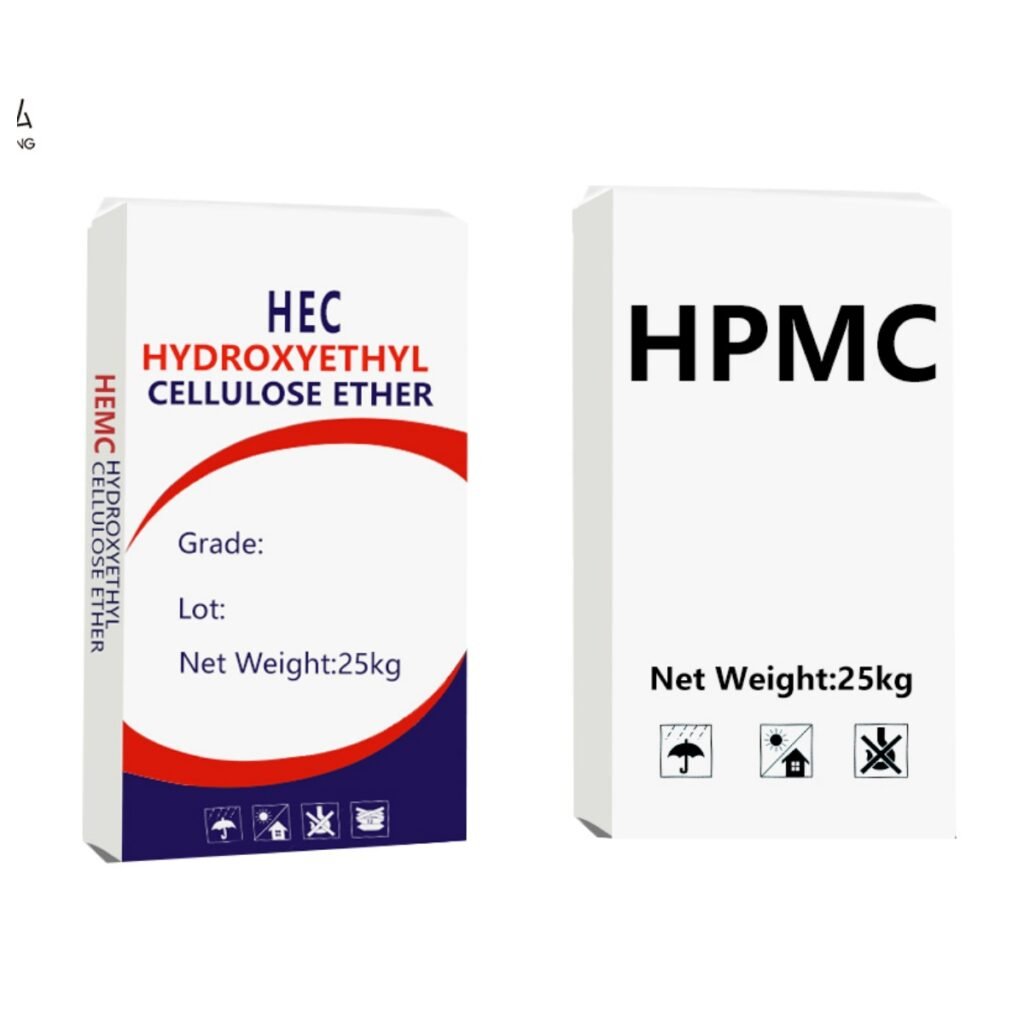
This blog describes the chemistry and specific application scenarios of HPMC and HEC, the benefits of each scenario, and helps customers better select the right chemical additive for their project.
Polyvinyl Alcohol 2488
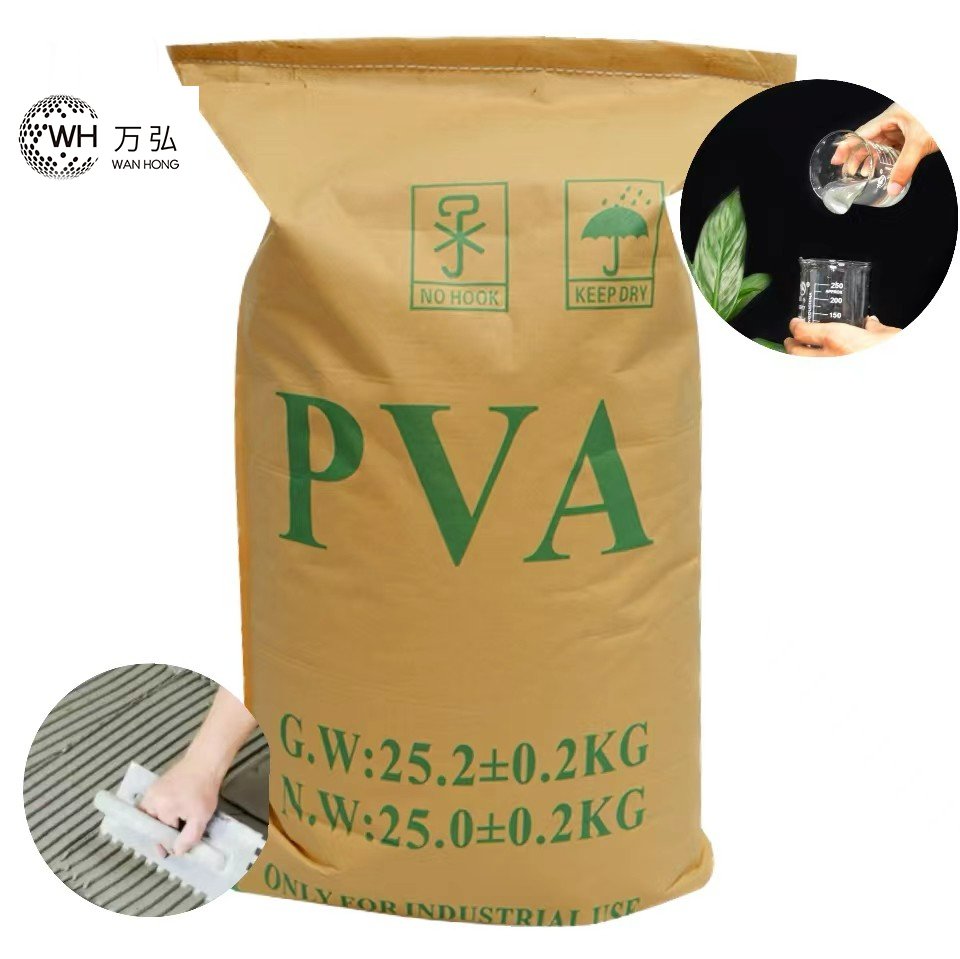
Polyvinyl Alcohol (PVA) 2488 is a synthetic polymer characterized by its excellent film-forming, emulsifying, and adhesive properties. It is a water-soluble resin, widely used in various industrial applications due to its versatility and reliability.
TOP 7 Advantages of Adding HPMC in Mortar
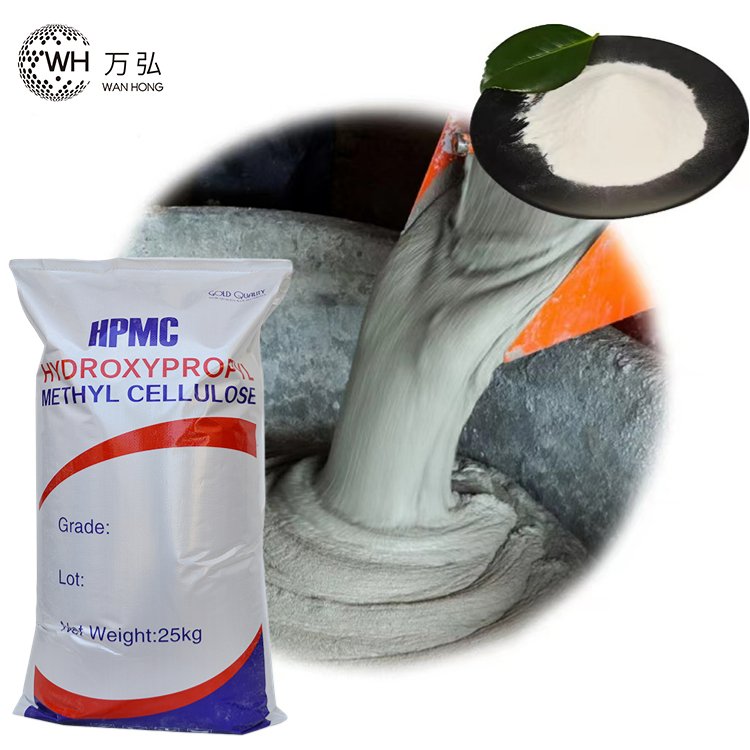
7 Advantages and Indispensable Reasons for Adding HPMC to Dry-Mix Mortar.
TOP 7 Benefits of Adding Hydroxypropyl Methyl Starch Ether(HPS) to Mortar
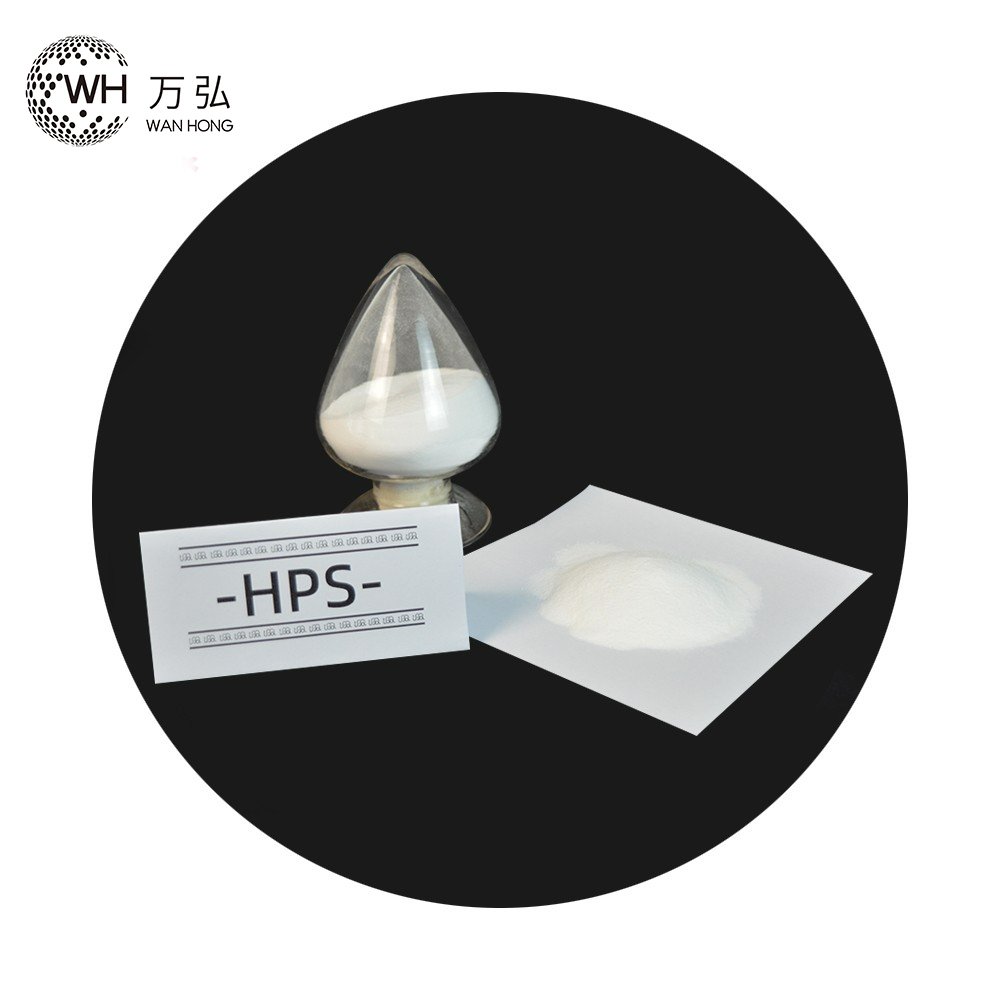
1.increase workability 2.increase viscosity 3.increase water retention 4.anti-sagging 5.cost savings 6. improve flexibility 7.environmental protection.
Polypropylene Fiber
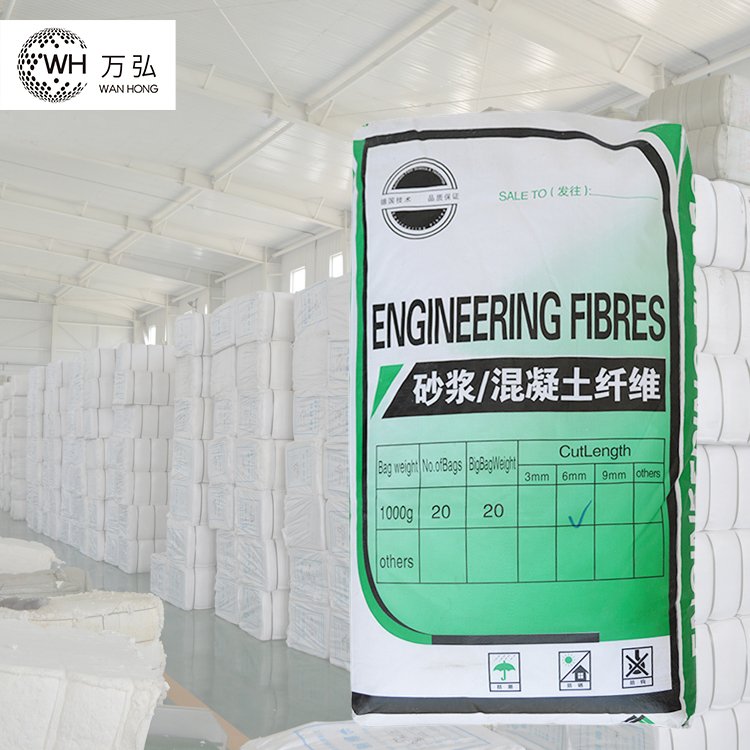
Polypropylene fibres are characterised by low density, high strength, durability, thermal insulation and UV resistance. Main application scenarios.