Paint quality issues causing customer complaints and returns? Poor adhesion, cracking, and uneven finishes can devastate your reputation and bottom line. The right additives make all the difference.
Paint additives are specialized chemicals that enhance coating performance by improving properties like durability, flow, and adhesion. Quality additives like hydroxypropyl methylcellulose (HPMC)1 and redispersible polymer powder2 can transform ordinary paints into premium products with superior workability and finish.
As a factory with six production lines specializing in cellulose ethers and other paint additives, I've seen firsthand how the right additives can revolutionize paint formulations. Our customers across Saudi Arabia, UAE, and other markets consistently report significant improvements in their products after incorporating our specialized additives. Let me share what makes these ingredients so essential for your paint manufacturing process.
What Makes Wanhong Eco-friendly Paint Additives Stand Out From Competitors?
Paint manufacturers face increasing pressure to meet environmental regulations while maintaining performance. Traditional additives often contain harmful VOCs and chemicals that compromise your compliance efforts.
Wanhong eco-friendly paint additives are formulated without hazardous air pollutants, featuring low VOC content and biodegradable components. Our HPMC and other cellulose derivatives provide excellent thickening, water retention, and workability while meeting strict environmental standards in all export markets.
Dive deeper Paragraph:
In my experience supplying to major manufacturers across developing markets, eco-friendly additives have become non-negotiable for forward-thinking paint companies. Our Wanhong additives stand out through several key advantages:
Environmental Certifications and Standards
Our products meet international green building standards including:
- GreenGuard Gold certification
- LEED v4 compliance
- EN 13499/13500 European standards
These certifications help your end products qualify for green building projects – a rapidly growing segment in markets like Saudi Arabia and UAE with their ambitious sustainability initiatives.
Performance Comparison: Eco vs. Traditional
| Property | Wanhong Eco-Friendly | Traditional Additives |
|---|---|---|
| VOC Content | <5 g/L | 50-200 g/L |
| Biodegradability | >90% | <40% |
| Performance | Equivalent or superior | Baseline |
| Health Impact | Minimal | Moderate to high |
I've seen customers in Pakistan and India switch their entire production lines to our eco-friendly solutions after realizing they don't have to sacrifice performance for sustainability. The combination of regulatory compliance and equivalent performance makes this an increasingly easy decision for quality-focused manufacturers.
How Does Cellulose for Paints and Coatings Improve Your Product Quality?
Inconsistent viscosity and poor application properties plague many paint formulations. Without proper thickeners, your products may sag, drip, or show poor coverage, leading to customer dissatisfaction.
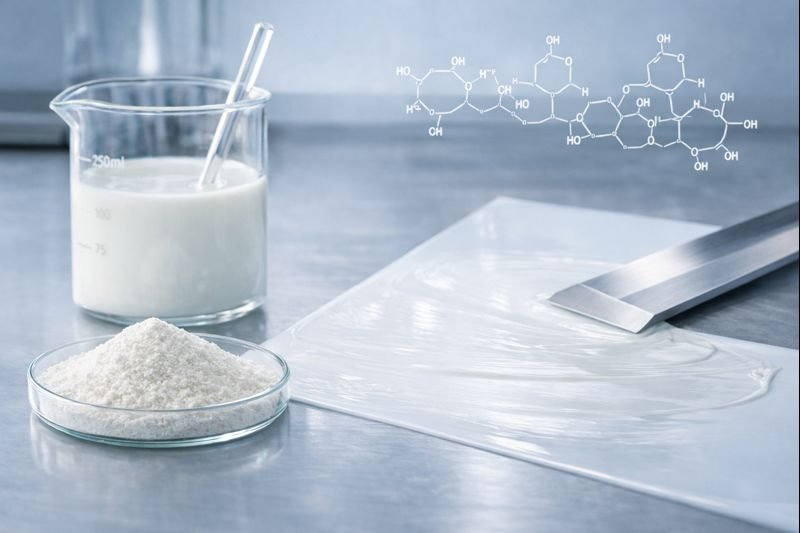
Cellulose derivatives like HPMC and HEMC function as crucial rheology modifiers in paint formulations. They control viscosity, improve water retention, prevent sagging, enhance open time, and ensure smooth application. The proper cellulose grade provides the perfect balance between workability and final appearance.
Dive deeper Paragraph:
Working with paint manufacturers across diverse climates – from the extreme heat of Saudi Arabia to the humidity of Southeast Asia – I've learned that cellulose selection is critical to formulation success. Different cellulose ethers offer unique benefits:
HPMC vs. HEMC vs. CMC in Paint Applications
| Cellulose Type | Viscosity Range | Water Retention | Best Applications | Key Benefit |
|---|---|---|---|---|
| HPMC | 50,000-200,000 mPa·s | Excellent | Premium wall paints | Extended open time |
| HEMC | 40,000-150,000 mPa·s | Very good | Interior emulsions | Better workability |
| CMC | 30,000-100,000 mPa·s | Good | Economy paints | Cost efficiency |
Our manufacturing facility produces these cellulose ethers with precise viscosity control through a proprietary process. I recently helped a major paint manufacturer in Brazil optimize their formulation by switching from standard HPMC to our specially modified grade with enhanced water retention. The result was a 40% improvement in open time – crucial for their market where painters often work in high temperatures.
Molecular Structure and Performance
The molecular weight and substitution degree directly impact paint performance:
- Higher molecular weight = improved thickening but reduced flowability
- Higher methoxyl content = better organic solvent compatibility
- Higher hydroxypropyl content = improved water retention
Our technical team can help determine the perfect balance for your specific application requirements.
Which Wall Paint Additives Create Crack-Resistant Finishes?
Wall paints that crack and peel after application damage your brand reputation and increase warranty claims. Poor flexibility in changing environmental conditions leads to premature coating failure.
Crack-resistant wall paint formulations require redispersible polymer powder2s (RDP), cellulose ethers, and flexible binders. These additives enhance film flexibility, improve adhesion to substrates, and accommodate substrate movement. Our RDP and HPMC combination creates uniquely durable and flexible wall coatings.
Dive deeper Paragraph:
In my 15 years supplying paint additives to developing markets, I've observed that crack resistance is particularly crucial in regions with extreme temperature fluctuations or new construction. Our technical approach addresses crack resistance through a multi-component system:
Redispersible Polymer Powder (RDP) Technology
Our RDP powders form elastic polymer films that accommodate substrate movement. We offer several specialized grades:
| RDP Type | Main Polymer | Flexibility | Hydrophobicity | Best Applications |
|---|---|---|---|---|
| KH-5010 | VAc/E | ★★★☆☆ | ★★☆☆☆ | Interior wall paints |
| KH-5040 | VAc/VeoVa | ★★★★☆ | ★★★★☆ | Exterior façade paints |
| KH-5060 | Acrylic | ★★★★★ | ★★★★★ | Premium elastic paints |
The right RDP selection depends on your specific application conditions. For instance, when I worked with a large paint factory in Mexico facing severe cracking issues in their exterior line, implementing our KH-5040 grade at just 3% of the formulation eliminated customer complaints within a month.
Fiber Reinforcement
For extremely challenging applications, we recommend combining RDP with our polypropylene fibers. These microscopic reinforcements act like rebar in concrete, physically bridging potential crack formation. At just 0.1-0.3% addition rates, they dramatically improve:
- Impact resistance
- Thermal shock resistance
- Resistance to foundation settling
This comprehensive approach to crack resistance has helped our customers in rapidly developing regions like India and Vietnam produce paints that maintain integrity even in challenging new construction scenarios.
What Other Paint Additives Create Smooth Finishes?
Rough, uneven paint surfaces frustrate professional painters and homeowners alike. Without proper leveling and flow, your paint may show brush marks, roller patterns, and orange peel defects.
Smooth finish additives include specialized surfactants, defoamers, and wetting agents. These additives optimize surface tension, improve substrate wetting, and eliminate air entrapment. Our comprehensive additive portfolio ensures your paints level perfectly for that desirable smooth, professional appearance.
Dive deeper Paragraph:
Creating a truly smooth finish requires addressing multiple aspects of paint flow and film formation. Through my work with large paint factories across developing markets, I've identified several critical additive categories that work synergistically:
Leveling and Flow Additives
Surface tension modifiers are essential for eliminating application defects:
| Additive Type | Function | Dosage Range | Key Benefit |
|---|---|---|---|
| Silicone-based | Reduces surface tension | 0.1-0.5% | Excellent crater prevention |
| Acrylic flow aids | Improves flow without compromising sag | 0.3-1.0% | Long-term transparency |
| Fluorosurfactants | Extreme surface tension reduction | 0.05-0.2% | Works in challenging formulations |
I recently helped a customer in the Philippines reformulate their premium interior line using our KH-8020 flow modifier, which eliminated brush marks completely – a problem they'd struggled with for years despite trying multiple commercial solutions.
Defoaming Technology
Air entrapment during manufacturing and application can ruin an otherwise perfect formulation:
Our defoamer selection considers:
- Compatibility with your binder system
- Application method (brush, roller, spray)
- Manufacturing process compatibility
For high-shear manufacturing processes, our mineral oil-based defoamers provide excellent stability, while silicone-based options offer superior long-term effectiveness in the dried film. A technical evaluation of your specific system helps us recommend the perfect combination.
Substrate Wetting Agents
Proper substrate wetting is essential for adhesion and finish:
- Specialized surfactants reduce dynamic surface tension
- Improves penetration into porous substrates
- Creates uniform film thickness even on challenging surfaces
By addressing all three aspects simultaneously, we help our customers achieve finishes that stand out in competitive markets.
Why Choose Us as Your Reliable Paint Additives Supplier?
Unreliable additive suppliers can disrupt your production schedule and compromise product quality. Inconsistent materials create batch variations that damage customer confidence in your brand.
Reliable paint additive suppliers offer consistent quality, technical expertise, and dependable logistics. With six production lines, strict quality control systems, and deep technical knowledge, we ensure seamless supply and consistent products. Our 15+ years serving paint manufacturers across developing markets guarantees your production continuity.
Dive deeper Paragraph:
In my years managing our factory's relationships with major paint manufacturers, I've learned that reliability extends far beyond simply delivering products on time. Our comprehensive approach includes:
Quality Control Systems
Our multi-stage quality verification includes:
| Quality Check | Frequency | Parameters Tested | Documentation |
|---|---|---|---|
| Raw material inspection | Every batch | Purity, contamination | Certificate of Analysis |
| In-process testing | Hourly | Viscosity, particle size | Production records |
| Finished product analysis | Every batch | Full specification | QC certificate |
| Stability testing | Monthly | Shelf-life verification | Stability reports |
This rigorous approach means we've maintained a 99.7% acceptance rate from our customers' incoming quality checks – significantly higher than industry averages.
Production Capacity and Redundancy
With six production lines across different technologies, we ensure business continuity even during maintenance periods. Our production capacity includes:
- 15,000 MT/year of cellulose ethers
- 20,000 MT/year of redispersible powder
- 5,000 MT/year of specialized additives
This capacity allows us to accommodate urgent orders without compromising our regular supply commitments – something I've personally overseen during emergency situations for customers facing unexpected demand surges.
Technical Partnership Approach
We don't just sell additives; we provide comprehensive technical support:
- On-site formulation assistance
- Troubleshooting of production issues
- Market-specific formula optimization
- Regulatory compliance guidance
When one of our major customers in Iran faced unexpected performance issues after changing their titanium dioxide supplier, our technical team flew in within 48 hours to reformulate their system, preventing a costly production stoppage.
What Paint Additives Packaging Options Are Available?
Inappropriate packaging leads to material wastage, storage difficulties, and handling challenges. Without options that fit your production process, you face inefficiencies and increased costs.
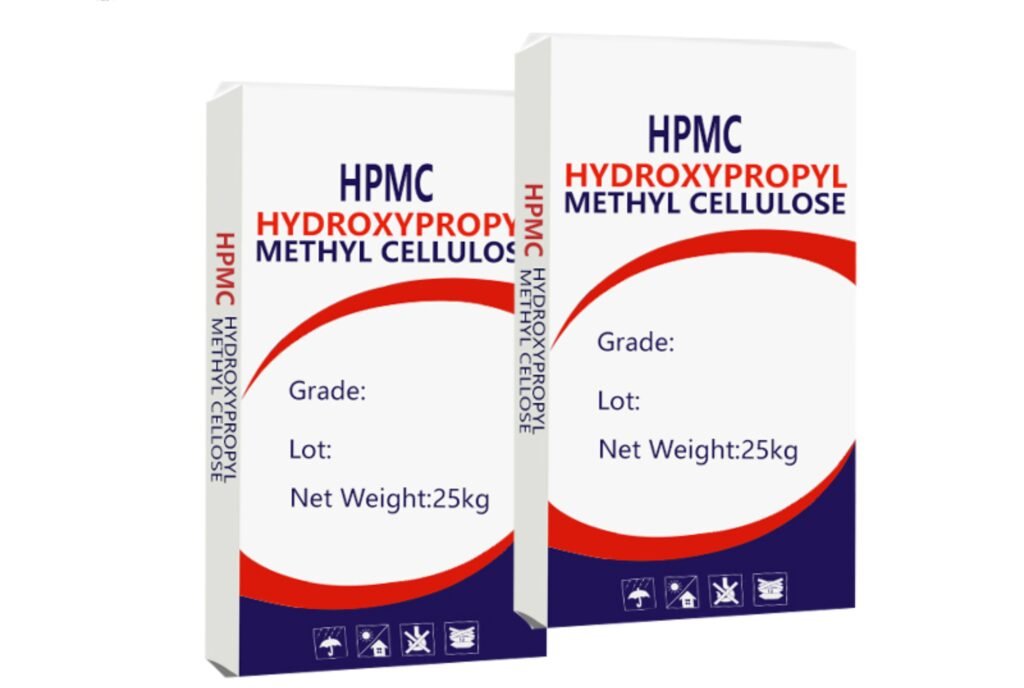
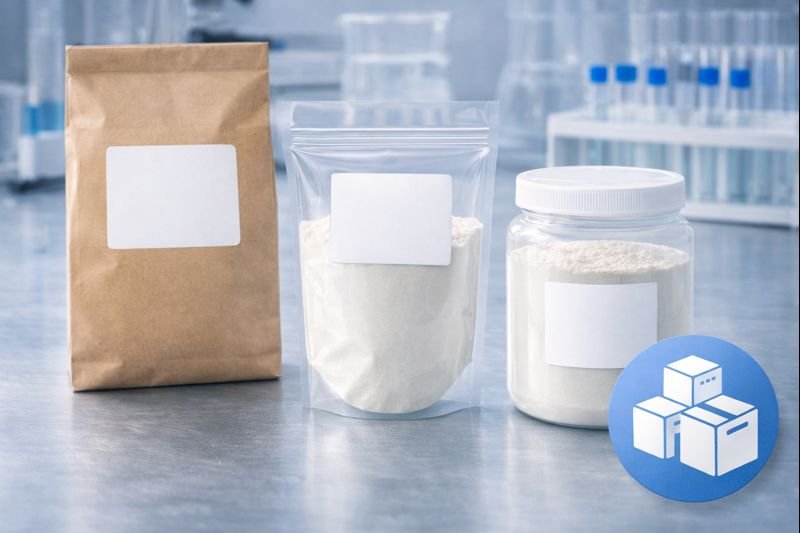
Paint additives packaging options include 25kg paper bags, 500kg big bags, and customized solutions. Our moisture-resistant, UV-protected packaging preserves product integrity in various climates. We also offer custom packaging with your branding for distribution partners and specialized container options for bulk users.
Dive deeper Paragraph:
Through supplying customers across diverse markets with different handling capabilities, I've developed a nuanced understanding of packaging requirements. Our packaging solutions are designed around three key principles: product protection, handling efficiency, and environmental responsibility.
Climate-Adapted Packaging Technology
Different export destinations require specialized packaging considerations:
| Climate Zone | Special Packaging Features | Target Markets | Protection Level |
|---|---|---|---|
| High Humidity | Multi-layer moisture barrier | Southeast Asia, coastal regions | Prevents clumping and hydration |
| Extreme Heat | UV-resistant outer layer | Middle East, North Africa | Maintains product stability up to 50°C |
| Variable Climate | Enhanced seal integrity | Global | Accommodates pressure changes during transport |
For our customers in Vietnam and other high-humidity regions, we implemented a specialized aluminum layer in our big bags that reduced moisture penetration by 80% compared to standard packaging, virtually eliminating the product caking issues they previously faced.
Production-Optimized Packaging
We consider how materials flow through your production process:
- Easy-open features for manual handling
- Anti-static properties for powder transfer systems
- Precise weight control for automated dosing systems
- Stackability for efficient warehouse utilization
Sustainability Initiatives
Our packaging sustainability program includes:
- Reduced plastic content through material optimization
- Recyclable paper-based options where appropriate
- Bulk packaging options to minimize waste
- Take-back programs for certain markets
When a major customer in Brazil requested help meeting their corporate sustainability goals, we redesigned their packaging to use 30% recycled content while maintaining all performance properties – helping them achieve their environmental targets without compromising product protection.
How Can Kehao Support Your Paint Additives Solution?
Navigating complex paint formulation challenges without proper technical support leads to costly trial and error. Formulation inefficiencies waste valuable R&D resources and delay market entry.
Wanhong's technical support includes formulation assistance, problem-solving, and performance optimization. Our team of chemists with decades of experience in paint formulation helps you select the perfect additives combination. We provide sample formulations, troubleshooting guidance, and onsite technical service.

Dive deeper Paragraph:
Having supported hundreds of paint manufacturers across developing markets, our technical services have evolved into a comprehensive ecosystem of support. I personally oversee our technical collaboration model, which operates across several dimensions:
Formulation Development Partnership
Our collaborative development process follows a structured methodology:
| Phase | Activities | Deliverables | Timeline |
|---|---|---|---|
| Assessment | Requirement analysis, market positioning | Detailed specification document | 1-2 weeks |
| Prototype | Laboratory formulation, benchmark testing | Initial formulations, test results | 2-4 weeks |
| Optimization | Performance tuning, cost optimization | Final formula, production guidance | 2-3 weeks |
| Scale-up | Production trials, quality verification | Process parameters, QC protocols | 1-2 weeks |
This process has helped numerous customers launch new products with minimal development time. For a paint manufacturer in Pakistan looking to enter the premium segment, we reduced their development cycle from 8 months to just 10 weeks using this structured approach.
Technical Knowledge Transfer
We don't just provide solutions; we build your team's capabilities:
- Training workshops for your technical staff
- Detailed technical documentation
- Regular updates on industry innovations
- Access to our formulation database
Testing and Validation Resources
Our laboratory resources extend your R&D capabilities:
- Advanced rheology measurement
- Accelerated weathering testing
- Application property assessment
- Competitive product analysis
When a customer in Georgia needed to match a competitor's performance but lacked testing equipment, our lab conducted comprehensive comparative analysis, identifying the exact additive combination needed to achieve superior results at a lower formulation cost.
Other Paint Additives You May Also Be Interested In
Paint formulations require multiple additives working in harmony. Without a comprehensive additive strategy, your products may excel in some properties while failing in others.
Beyond our core cellulose and RDP products, we offer specialized additives including defoamers, dispersants, wetting agents, and biocides. These complementary products ensure your formulations address all performance aspects from production to application and long-term durability.
Dive deeper Paragraph:
During my years overseeing our technical services department, I've observed that the most successful paint manufacturers take a holistic approach to their additive systems. Each component must work harmoniously with others to create balanced formulations. Our complementary additives portfolio has been carefully curated to address the full spectrum of paint manufacturing challenges:
Specialty Surface Modifiers
| Additive Type | Primary Function | Recommended Applications | Key Differentiation |
|---|---|---|---|
| WH-P200 Silicone | Anti-cratering, slip | Premium decorative finishes | Minimal foam stabilization |
| WH-P200G Polyacrylate | Orange peel reduction | High-build systems | Temperature stability |
| WH-P150 Fluorosurfactant | Substrate wetting | Difficult substrates | Works in high-electrolyte systems |
These specialty additives address specific surface defects that can plague otherwise excellent formulations. When one of our customers in Saudi Arabia struggled with crater formation in their high-end line, our KH-9010 silicone additive at just 0.2% addition completely eliminated the defect while maintaining all other properties.
Dispersants and Pigment Wetting Agents
Our dispersant technology helps optimize the most expensive component of paint formulations - pigments:
- Enhanced color development
- Reduced mill base viscosity
- Improved stability during storage
- Compatibility with difficult pigments
The proper dispersant can reduce TiO₂ usage by up to 15% while maintaining opacity - a critical cost-saving advantage in today's volatile raw material market. Our technical team regularly conducts pigment optimization workshops to help customers achieve maximum efficiency.
Biocides and Preservatives
In tropical markets like Vietnam and the Philippines, in-can preservation is critical:
- Broad-spectrum activity
- Low-leaching technology
- Formaldehyde-free options
- Compliance with global regulations
Our preservative systems are customized based on your specific formulation components, local microbial challenges, and regulatory requirements in target export markets.
Frequently Asked Questions About Paint Additives
What is the difference between HPMC and HEMC for paint applications?
Choosing the wrong cellulose ether leads to application problems and customer complaints. The right selection optimizes both ease of use and final appearance.
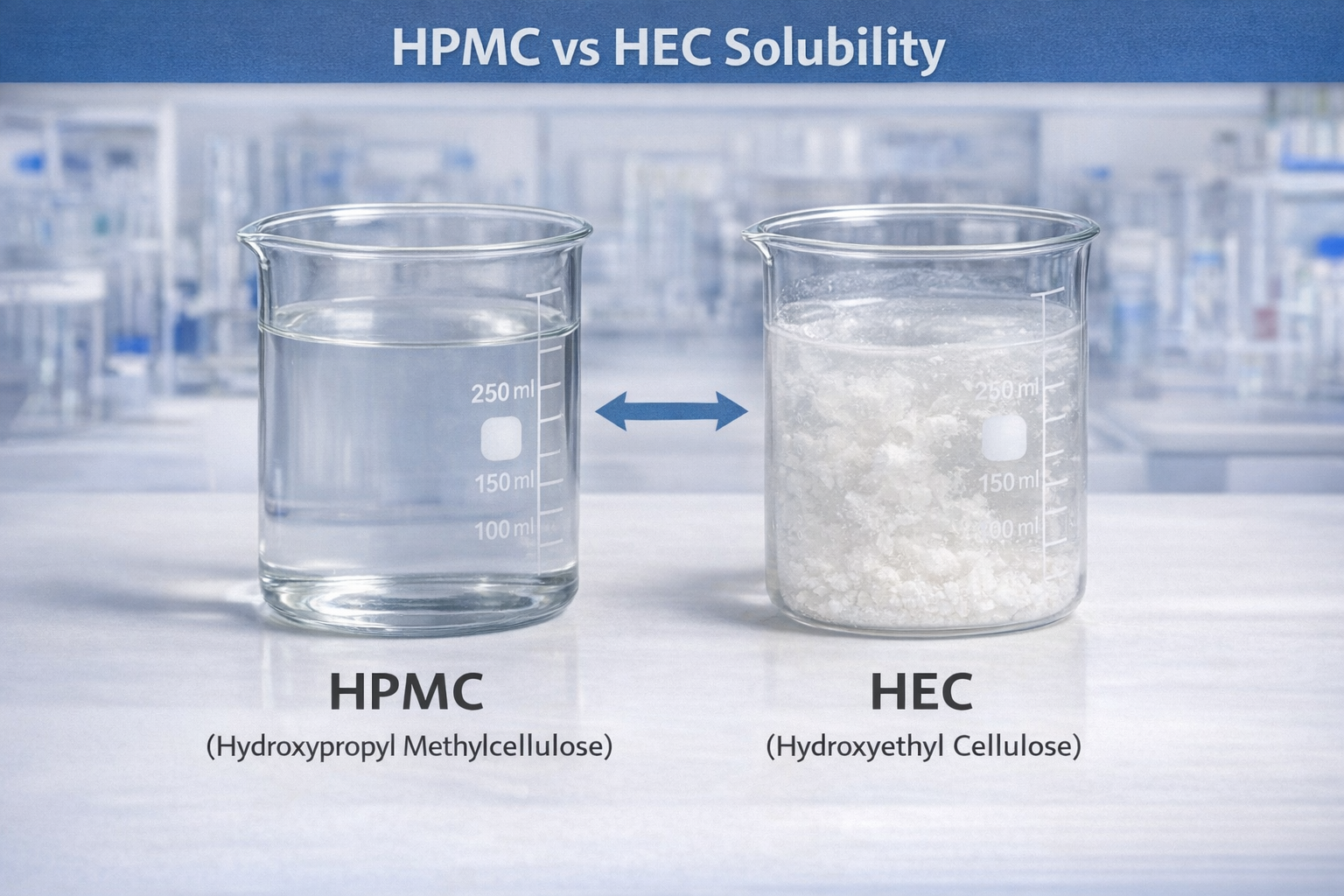
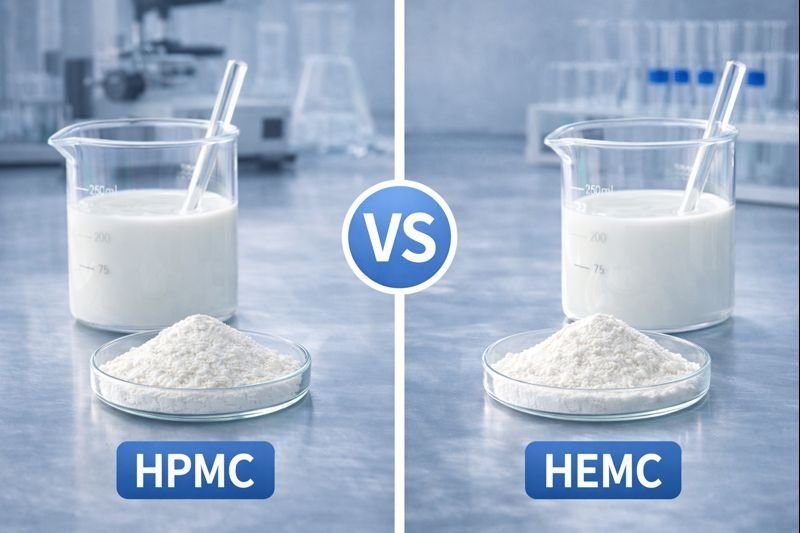
HPMC (hydroxypropyl methylcellulose) provides excellent water retention and workability in paint applications. HEMC (hydroxyethyl methylcellulose) offers faster dissolution and better compatibility with latex emulsions. The choice depends on your specific paint formulation needs, application method, and climate conditions.
Dive deeper Paragraph:
From my extensive work with paint formulators across different markets, I've developed a nuanced understanding of when to recommend each cellulose type. The molecular structure differences between these materials create subtle but important performance variations:
Detailed Comparison: HPMC vs. HEMC in Paint Systems
| Property | HPMC | HEMC | Practical Impact |
|---|---|---|---|
| Water Retention | ★★★★★ | ★★★☆☆ | HPMC extends open time in dry conditions |
| Dissolution Speed | Moderate | Faster | HEMC reduces production cycle time |
| Biostability | Higher | Moderate | HPMC offers better resistance to enzymatic attack |
| Electrolyte Tolerance | Moderate | Higher | HEMC performs better with mineral fillers |
| Cost Efficiency | ★★★☆☆ | ★★★★☆ | HEMC typically offers better value in standard formulations |
I recently helped a customer in UAE transition from standard HPMC to our specialized hot-climate grade after they experienced application issues during summer months. The enhanced water retention provided by our modified HPMC eliminated application problems when temperatures exceeded 40°C, significantly reducing customer complaints during the hottest season.
Substitution Considerations
When reformulating:
- Viscosity grade conversion is not 1:1
- Water demand may change
- Mixing protocols may need adjustment
- Biocide packages should be reviewed
Our technical team provides comprehensive guidance for transitions between cellulose types, including detailed substitution protocols that minimize production disruption.
How do redispersible powders improve wall paint durability?
Wall paints that lack adequate flexibility and adhesion fail prematurely, especially in varying climate conditions. Poor durability damages your reputation and increases warranty claims.
Redispersible powders3 improve paint durability by forming flexible polymer films that enhance adhesion, crack bridging, and impact resistance. These powders redisperse during mixing and coalesce during drying to create a reinforcing network throughout the paint film, significantly extending service life.
Dive deeper Paragraph:
Having supplied RDP to paint manufacturers across diverse climate zones, I've observed how critical these materials are to long-term performance. Our redispersible powders function through several reinforcement mechanisms:
Polymer Film Formation Process
| Stage | Mechanism | Performance Impact | Critical Factors |
|---|---|---|---|
| Mixing | Powder dispersion into discrete particles | Uniform distribution | Proper shear and mixing time |
| Wet film | Stable colloid formation | Application properties | Compatibility with thickeners |
| Coalescence | Film formation as water evaporates | Initial properties | Minimum Film Formation Temperature |
| Crosslinking | Development of final polymer network | Long-term durability | Environmental conditions |
The polymer chemistry determines specific performance attributes. Our portfolio includes:
- Vinyl acetate/ethylene copolymers for general applications
- Vinyl acetate/VeoVa for hydrophobicity and alkali resistance
- Acrylic based for premium flexibility and UV resistance
- Specialized grades for extreme climates
When working with a major paint manufacturer in India developing paints for monsoon-prone regions, we incorporated our hydrophobic RDP grade combined with specific cellulose ethers. The resulting paint showed 300% improvement in water resistance during artificial weathering tests while maintaining excellent breathability.
Synergistic Effects
The true power of RDP comes from its synergistic effects with other components:
- Improves adhesion to multiple substrates
- Enhances impact resistance when combined with fibers
- Works with mineral fillers to optimize cost/performance ratio
- Improves pigment binding for better color retention
Our laboratory can demonstrate these synergistic effects through comparative testing of your specific formulations, helping you develop optimally balanced systems.
What are the best additives for exterior wall paints in hot climates?
Exterior paints in hot climates frequently fail due to UV degradation, thermal expansion, and moisture issues. Standard formulations crack, fade, and peel prematurely in demanding environments.
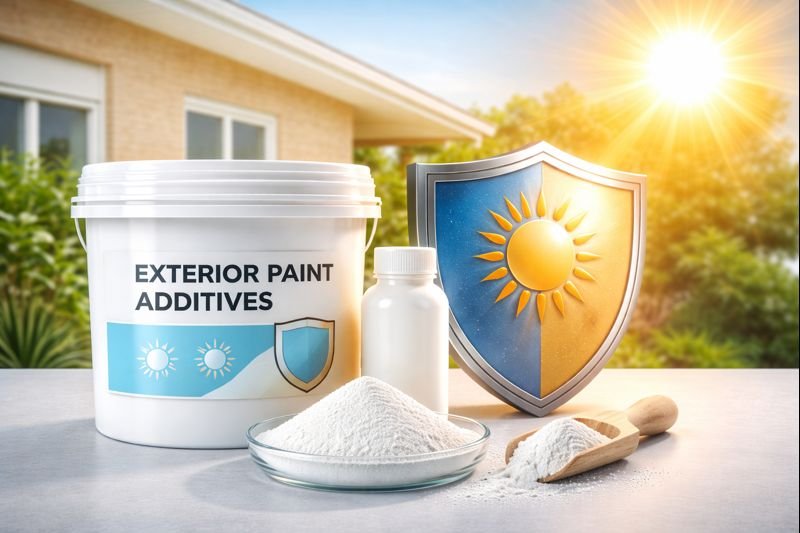
The best additives for exterior paints in hot climates include hydrophobic RDP, HPMC with enhanced water retention, UV stabilizers, and specialized biocides. This combination addresses the key failure modes: preventing moisture penetration, accommodating thermal stress, and resisting UV damage.
Dive deeper Paragraph:
With extensive experience supplying paint additives to countries like Saudi Arabia, UAE, and Iran, I've developed specialized additive packages specifically for extreme heat conditions. Our approach addresses multiple environmental stressors simultaneously:
Hot Climate Performance Matrix
| Challenge | Failure Mode | Solution Component | Application Rate |
|---|---|---|---|
| UV Radiation | Polymer degradation, fading | Hindered amine light stabilizers | 0.5-1.0% |
| Thermal Cycling | Cracking, delamination | Flexible RDP (KH-5040/5060) | 3.0-5.0% |
| Rain/Condensation | Water penetration | Hydrophobic modifiers | 1.0-2.0% |
| Microbiological Growth | Algae/mold growth | Broad-spectrum biocides | 0.3-0.6% |
Our comprehensive testing protocol for hot climate formulations includes:
- Xenon arc weathering with enhanced UV component
- Rapid temperature cycling between -10°C and 80°C
- Hydrothermal shock testing
- Desert exposure testing in UAE facilities
I recently worked with a premium paint manufacturer in Saudi Arabia to reformulate their exterior line after numerous field failures. By implementing our hot climate package, they achieved a 200% improvement in accelerated weathering results and eliminated warranty claims in their most challenging coastal region.
Specialized Technologies for Desert Environments
For truly extreme environments, we recommend additional specialized technologies:
- Infrared reflective pigments to reduce surface temperatures
- Nanoscale silica for enhanced scratch and erosion resistance
- Advanced siloxane chemistry for long-term water repellency
- Anti-dust surface modifiers to maintain appearance
These advanced technologies allow premium paint manufacturers to offer extended warranties even in the harshest Middle Eastern climates.
Conclusion
Quality paint additives are the foundation of superior coating performance. Whether you need eco-friendly options, crack resistance, or solutions for extreme climates, our comprehensive product range and technical expertise can elevate your paint formulations above the competition.