Are you struggling with concrete that cracks too easily, sets too quickly, or lacks workability? Poor quality concrete admixtures can waste your time and money while compromising structural integrity.
The right concrete admixture manufacturer1 should provide products that enhance concrete performance through water reduction, setting time control, and strength improvement. Look for manufacturers with extensive testing facilities, quality certifications, customizable solutions, and reliable technical support for optimal results.
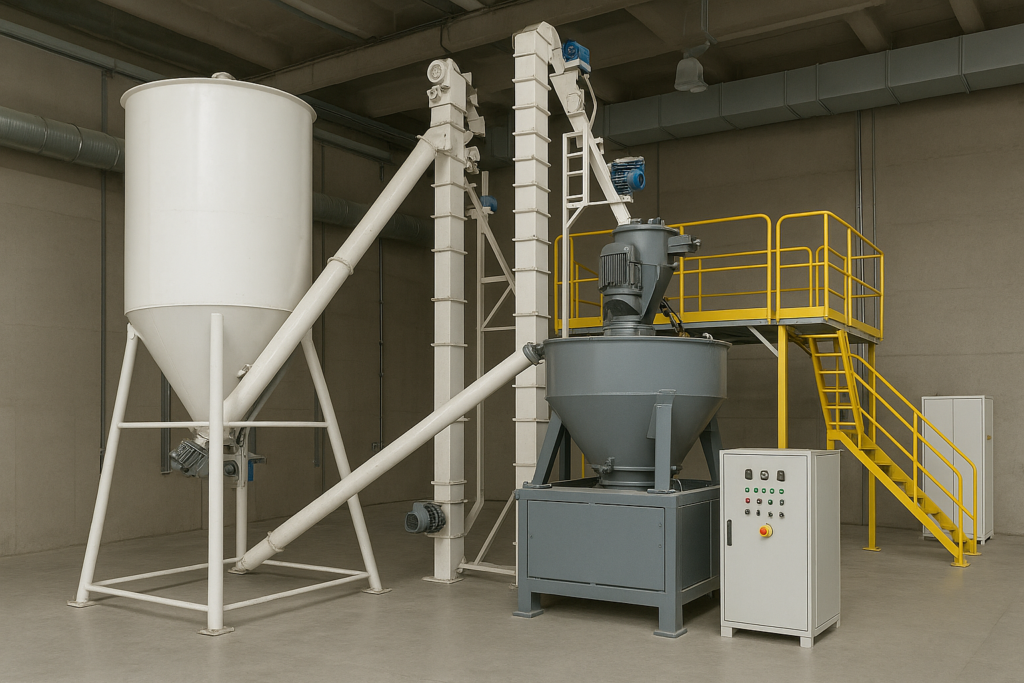
When I first started working with concrete admixtures, I quickly learned that not all manufacturers deliver the same results. The difference between a successful project and a costly failure often comes down to the quality of admixtures used. Let me share what I've learned about selecting the right concrete admixture partner for your construction needs.
What Are Water Reducing Admixtures and Why Do They Matter?
Have you ever mixed concrete only to find it's too stiff to work with or too watery and weak? This common problem frustrates contractors and compromises structural integrity.
Water reducing admixtures decrease water content by 5-30% while maintaining workability, resulting in stronger concrete with fewer cracks. They work by dispersing cement particles more effectively, reducing water requirements while improving flowability and ultimate strength.
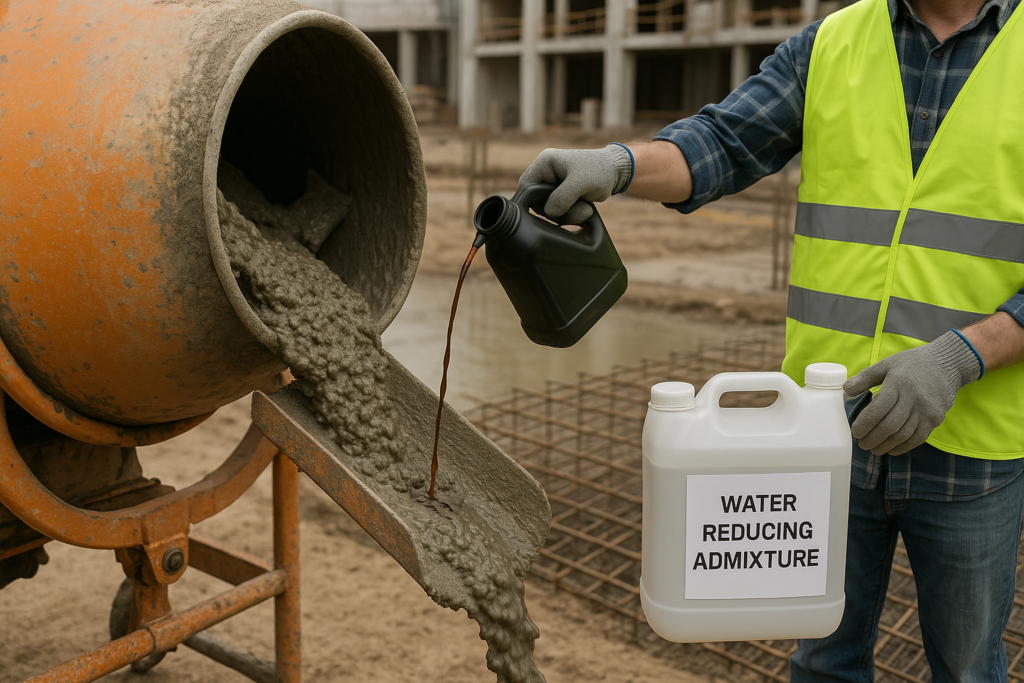
Water reducers are essential components in modern concrete production. I've found they generally fall into three categories: normal water reducers (5-10% reduction), mid-range water reducers (10-15% reduction), and high-range water reducers or superplasticizers (up to 30% reduction).
The science behind water reducers involves surfactant technology that reduces surface tension between cement particles and water. This creates better particle dispersion, making concrete flow more easily with less water. For example, when working on a high-rise project in Dubai, we used superplasticizers to reduce the water-cement ratio from 0.50 to 0.35 while maintaining excellent workability - this resulted in concrete strength increasing from 30 MPa to over 45 MPa.
Types of Water Reducing Admixtures
| Type | Water Reduction | Applications | Benefits |
|---|---|---|---|
| Normal | 5-10% | General construction | Moderate strength increase, improved workability |
| Mid-range | 10-15% | Commercial projects | Better finishing, reduced shrinkage |
| High-range | 15-30% | High-performance structures | Significantly higher strength, self-consolidating concrete |
How Do Retarding Admixtures Extend Concrete Working Time?
Have you ever had concrete harden before you could finish placing and finishing it, especially in hot weather? This common problem can lead to cold joints and weakened structures.
Retarding admixtures delay concrete setting time by 1-3 hours by temporarily inhibiting cement hydration. This extension is crucial for hot weather concreting, complex pours, or when concrete must be transported long distances before placement.
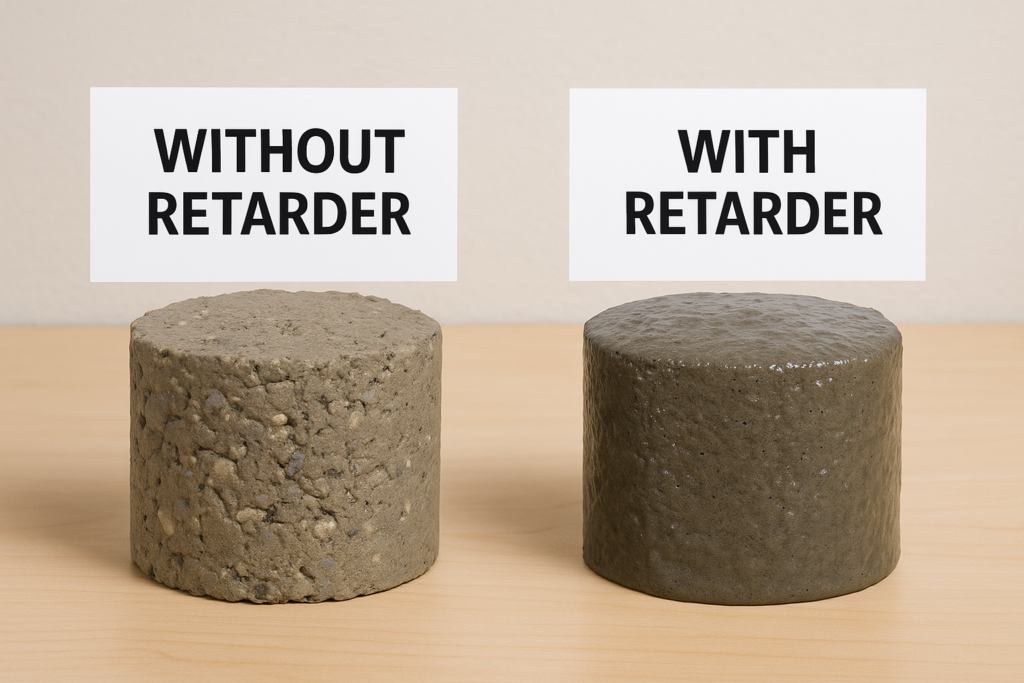
Retarding admixtures have been a game-changer for projects where timing is critical. I remember working on a massive foundation pour in Saudi Arabia where temperatures reached 45°C (113°F). Without retarders, the concrete would have begun setting within 30 minutes, but with properly selected retarding admixtures, our team had over 2 hours of working time.
The chemistry behind retarders involves compounds that form a protective film around cement particles, temporarily preventing water from initiating the hydration reaction. Common chemicals used include lignosulfonates, hydroxycarboxylic acids, and phosphates. The right retarder needs to be carefully selected based on cement chemistry, ambient temperature, and desired delay time.
Some retarders also function as water reducers, providing dual benefits. These are called retarding water reducers or Type D admixtures according to ASTM C494. When using retarders, it's important to know they may slightly reduce early strength (1-3 days) while maintaining or even increasing ultimate strength. This trade-off must be considered in construction scheduling.
Retarder Dosage Guidelines
| Temperature Range | Recommended Dosage | Expected Setting Delay |
|---|---|---|
| 21-27°C (70-80°F) | 0.1-0.2% by cement weight | 1-2 hours |
| 27-32°C (80-90°F) | 0.2-0.3% by cement weight | 2-3 hours |
| Above 32°C (90°F) | 0.3-0.4% by cement weight | 3-4 hours |
When Should You Use Concrete Accelerating Admixtures?
Are cold temperatures delaying your construction schedule? Or do you need structures to bear loads sooner? These common scenarios can increase project costs and duration.
Concrete accelerating admixtures speed up setting and strength development by enhancing cement hydration. They're essential for cold weather concreting (below 5°C/40°F), rapid repair work, precast production, and projects with tight construction schedules.
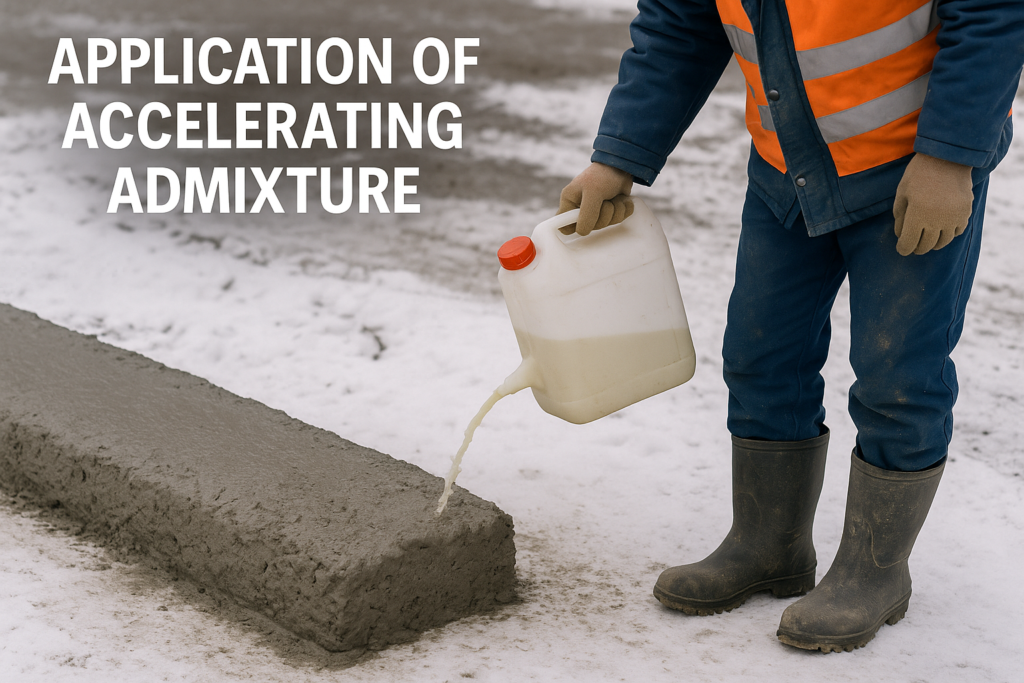
Accelerating admixtures have saved countless projects from weather-related delays. I've used them extensively in northern regions where winter concreting would otherwise be impossible. These admixtures work by accelerating the chemical reactions between cement and water, generating heat faster and reducing setting time.
There are two main types of accelerators: setting accelerators (primarily affecting setting time) and hardening accelerators (primarily affecting strength development). Calcium chloride is the most effective and economical accelerator, capable of reducing setting time by up to 60% and doubling 1-day strength. However, its use is restricted in reinforced concrete due to potential corrosion concerns.
Non-chloride accelerators, though more expensive, are safer alternatives for reinforced concrete. These include calcium nitrate, calcium formate, and triethanolamine. When selecting an accelerator, consider not only performance but also compatibility with other admixtures, reinforcement requirements, and environmental conditions.
Accelerator Performance Comparison
| Accelerator Type | Setting Time Reduction | Early Strength Gain (24h) | Corrosion Risk | Relative Cost |
|---|---|---|---|---|
| Calcium Chloride | 30-60% | 80-100% | High | Low |
| Calcium Nitrate | 20-40% | 30-50% | Low | Medium |
| Calcium Formate | 15-30% | 20-40% | Low | Medium-High |
| Triethanolamine | 10-25% | 15-30% | Very Low | High |
How Does Fiber Reinforcement Strengthen Concrete?
Are you battling concrete cracks, edge deterioration, or poor impact resistance? Traditional reinforcement methods alone often fall short in preventing these common issues.
Fiber reinforcement distributes thousands of small fibers throughout concrete, creating three-dimensional reinforcement that controls cracking, improves impact resistance, and enhances durability. Different fiber types (steel, synthetic, glass, natural) provide specialized benefits for various applications.
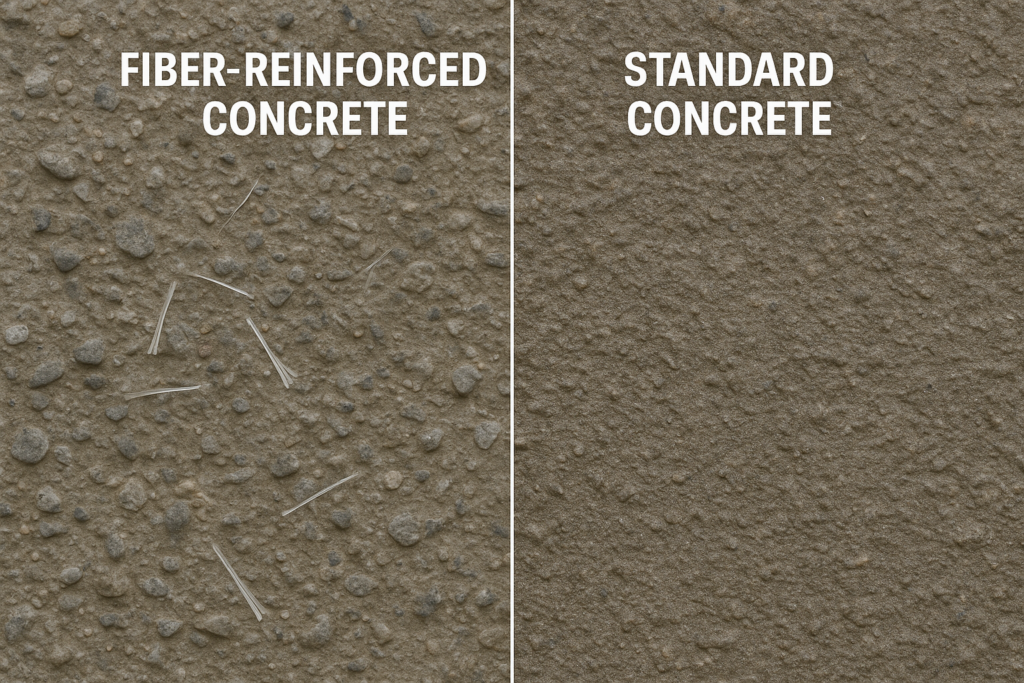
I've witnessed remarkable improvements in concrete performance through proper fiber reinforcement2. On a warehouse floor project, adding polypropylene fibers at just 0.1% by volume reduced crack formation by over 70% compared to non-reinforced sections. The three-dimensional reinforcement provided by fibers works differently from traditional rebar, which only reinforces in specific planes.
Different fiber types serve different purposes. Steel fibers, typically 0.5-2.5 inches long, dramatically increase flexural strength and impact resistance, making them ideal for industrial floors and pavements. Synthetic fibers come in two categories: microfibers (primarily for plastic shrinkage crack control) and macrofibers (for structural enhancement). Natural fibers like sisal or jute offer sustainable alternatives for non-structural applications.
The dosage rates vary significantly based on fiber type and application requirements. Steel fibers might be added at 20-100 lbs/yd³, while synthetic microfibers typically range from 0.5-1.5 lbs/yd³. When specifying fibers, consider not only the type and dosage but also how they'll affect workability and finishing characteristics.
Fiber Selection Guide
| Fiber Type | Primary Benefits | Typical Applications | Dosage Range |
|---|---|---|---|
| Steel | High impact resistance, flexural strength | Industrial floors, bridge decks, precast | 20-100 lbs/yd³ |
| Synthetic Micro | Plastic shrinkage crack control | Slabs, pavements, stucco | 0.5-1.5 lbs/yd³ |
| Synthetic Macro | Structural enhancement, crack control | Thin sections, shotcrete, precast | 3-10 lbs/yd³ |
| Glass | Alkali-resistant reinforcement | Architectural elements, GFRC | 1-5% by weight |
Why Is Concrete Defoamer Admixture Critical for Quality?
Have you noticed excessive air bubbles compromising your concrete's surface finish or strength? Air entrainment from other admixtures can create serious quality issues if not properly controlled.
Concrete defoamers eliminate unwanted air bubbles created during mixing, particularly when using air-entraining water reducers. They improve concrete density, compressive strength, and surface finish quality while maintaining the intended performance of other admixtures.
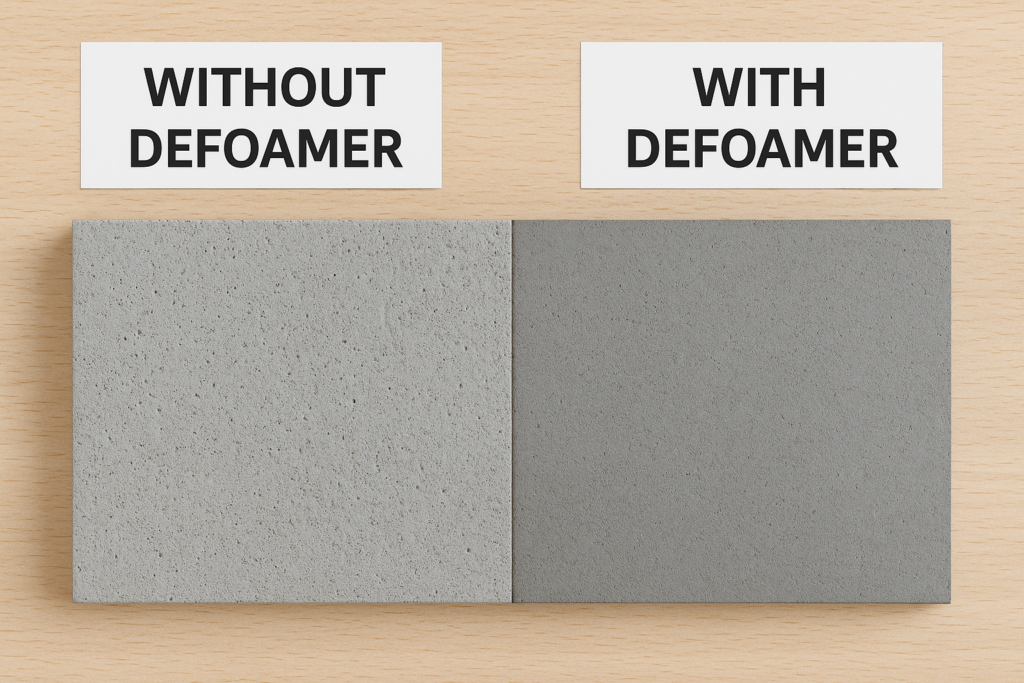
Defoamers have saved many of my projects from quality issues. In one high-end architectural concrete project, surface bubbles were creating an unacceptable finish until we introduced a silicone-based defoamer. The transformation was immediate and impressive, producing the smooth finish the architect demanded.
Concrete defoamers work through two primary mechanisms: they decrease the surface tension that stabilizes air bubbles and they displace the surfactants that cause air entrainment. Common defoamer types include mineral oil-based, silicone-based, and polymer-based formulations, each with specific applications and compatibility considerations.
It's important to note that defoamers must be carefully balanced with any intentional air entrainment needed for freeze-thaw resistance. Too much defoamer can compromise necessary air entrainment, while too little won't solve bubble problems. I typically recommend starting with the manufacturer's minimum recommended dosage and adjusting based on field results.
Common Defoamer Applications
| Application | Challenge | Recommended Defoamer Type | Expected Results |
|---|---|---|---|
| Architectural concrete | Surface bubbles affecting appearance | Silicone-based | Smooth, void-free surfaces |
| High-strength concrete | Strength reduction from unwanted air | Polymer-based | Density increase, 5-15% strength gain |
| Self-consolidating concrete | Stability issues from air | Mineral oil-based | Improved flow without segregation |
| Concrete with multiple admixtures | Admixture interaction creating foam | Compatible blend | Maintained performance of all admixtures |
How Wanhong Provides Concrete Solutions?
Are you tired of suppliers who don't understand your specific concrete challenges or provide inconsistent products? Finding a reliable partner can be frustrating and costly.
Wanhong delivers customized concrete admixture solutions through rigorous quality control, extensive R&D capabilities, and responsive technical support. Our ISO-certified manufacturing3 processes ensure product consistency while our expert team helps optimize formulations for your specific projects.
At Wanhong, we've built our reputation on solving complex concrete challenges. I remember working with a client in the UAE who struggled with rapid setting in extreme heat conditions. After analyzing their specific materials and conditions, our team developed a custom retarder-superplasticizer combination that extended working time by 3 hours while maintaining early strength development.
Our approach begins with understanding your exact requirements - climate conditions, cement chemistry, aggregate properties, performance targets, and construction constraints. We then leverage our extensive testing capabilities to develop and verify solutions before full-scale implementation. Unlike suppliers who offer only standard products, we can adjust formulations to work with your local materials and conditions.
Quality control is central to our operation. Every batch undergoes multiple tests against ISO 9001 and ASTM standards. We maintain complete traceability from raw materials through production to delivery, ensuring consistency across every order. Our six production lines allow us to maintain steady supply even during peak demand periods.
Wanhong Technical Support Process
| Support Phase | Services Provided | Value Delivered |
|---|---|---|
| Pre-Purchase | Material compatibility analysis, Mix design consultation | Optimized product selection, Potential issues identified early |
| Implementation | On-site technical assistance, Dosage optimization | Smooth transition to new admixtures, Immediate troubleshooting |
| Ongoing | Regular performance reviews4, Formula refinement | Continuous improvement, Adaptation to changing conditions |
What Concrete Admixtures Packaging and Sizes Are Available?
Are you juggling various project sizes but finding admixture packaging doesn't align with your needs? Storage limitations and waste from improper sizing create unnecessary costs and headaches.
Concrete admixtures come in multiple packaging options including bulk tankers (20,000+ liters), IBC totes (1000 liters), drums (200 liters), and pails (20 liters). The right packaging depends on project size, storage facilities, dosing equipment, and usage rate.
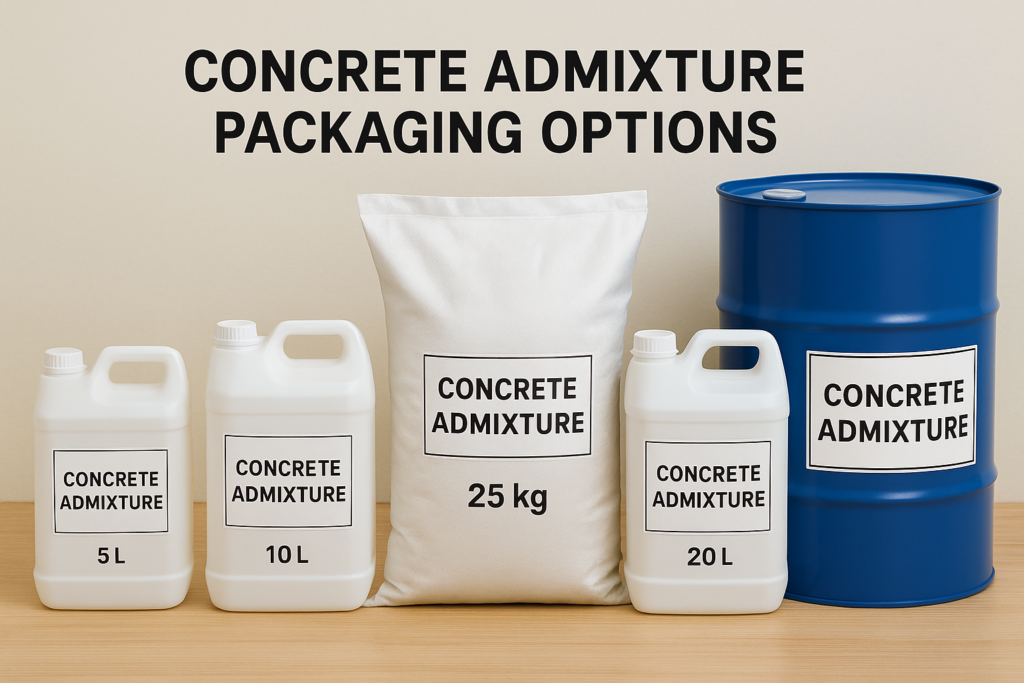
Selecting appropriate packaging has significant operational and financial implications. I've worked with clients who initially ordered in drums but were spending excessive time on handling and experiencing product waste. By switching to bulk delivery with proper storage tanks, they reduced costs by 15% and eliminated handling issues.
For large projects or permanent facilities, bulk storage systems offer the lowest cost per unit and minimize packaging waste. These systems typically include storage tanks, pumps, and metering equipment for precise dosing. IBC totes provide a middle-ground solution for medium-sized operations or temporary sites without permanent storage capabilities.
Smaller packages like drums and pails make sense for smaller projects, testing purposes, or specialty admixtures used in lower volumes. When evaluating packaging options, consider not just the immediate price per unit but also handling costs, storage requirements, shelf life, and dosing accuracy. We can help determine the most efficient packaging strategy based on your specific operation.
Packaging Selection Factors
| Factor | Bulk Delivery | IBC Totes | Drums | Pails |
|---|---|---|---|---|
| Project Size | Large (>500m³ concrete/week) | Medium (100-500m³/week) | Small-Medium (20-100m³/week) | Small (<20m³/week) |
| Required Infrastructure | Storage tanks, pumps, meters | Forklift, space for totes | Manual handling equipment | Minimal |
| Cost Efficiency | Highest | High | Medium | Low |
| Flexibility | Low | Medium | High | Highest |
What Other Related Products Complement Concrete Admixtures?
Are you dealing with construction challenges that standard admixtures alone can't solve? Complex projects often require integrated solutions beyond basic concrete additives.
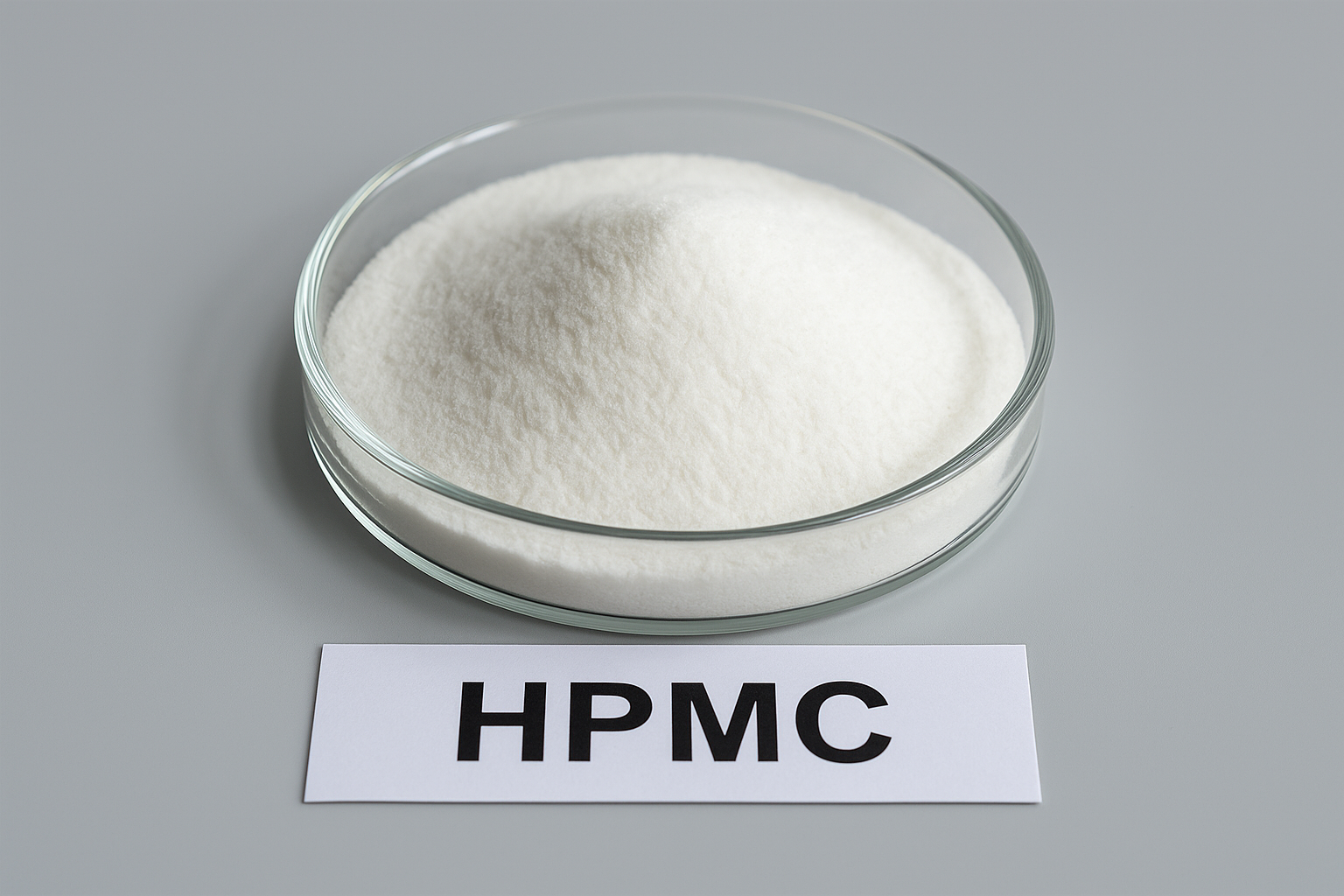
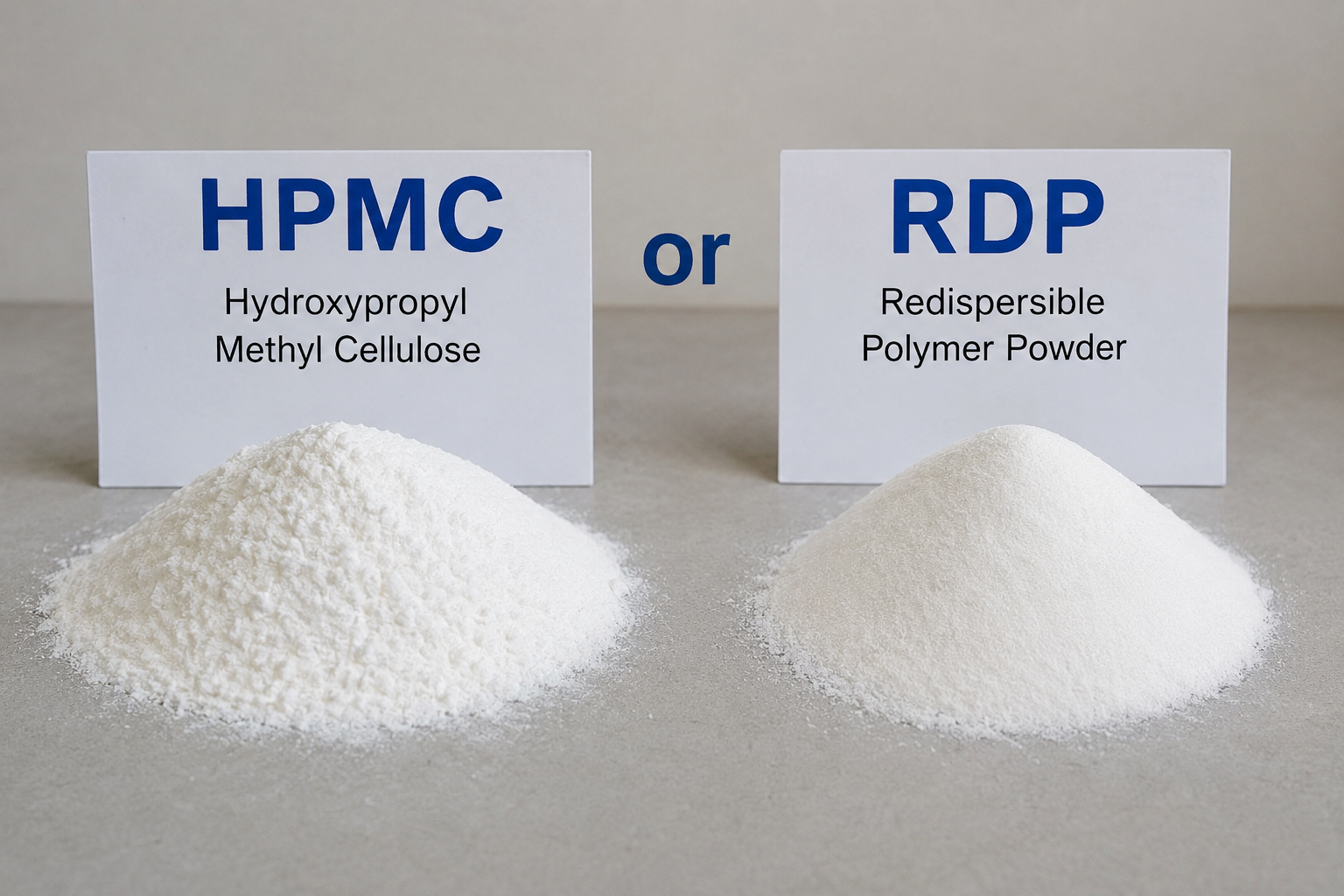
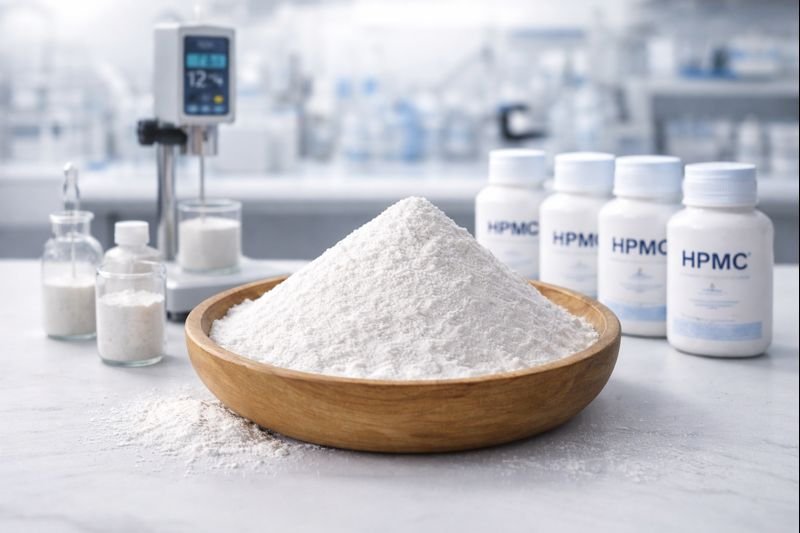
Complementary products that work with concrete admixtures include hydroxypropyl methylcellulose (HPMC)5 for enhanced workability, redispersible latex powder6 for adhesion, and polypropylene fibers7 for crack resistance. These products address specialized needs in mortar, grout, and specialty concrete applications.
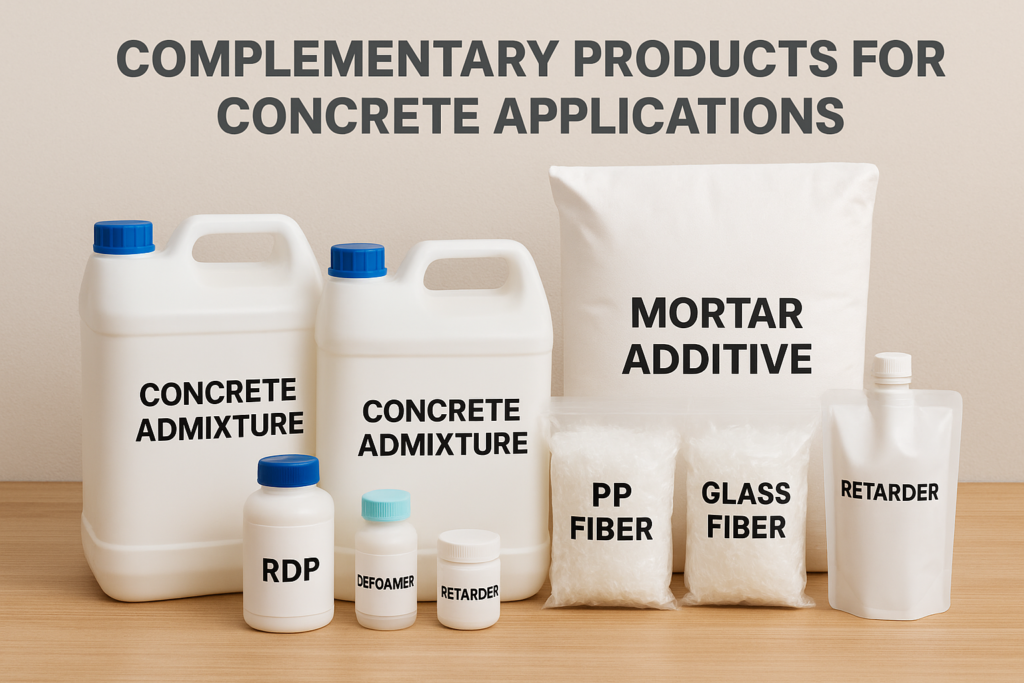
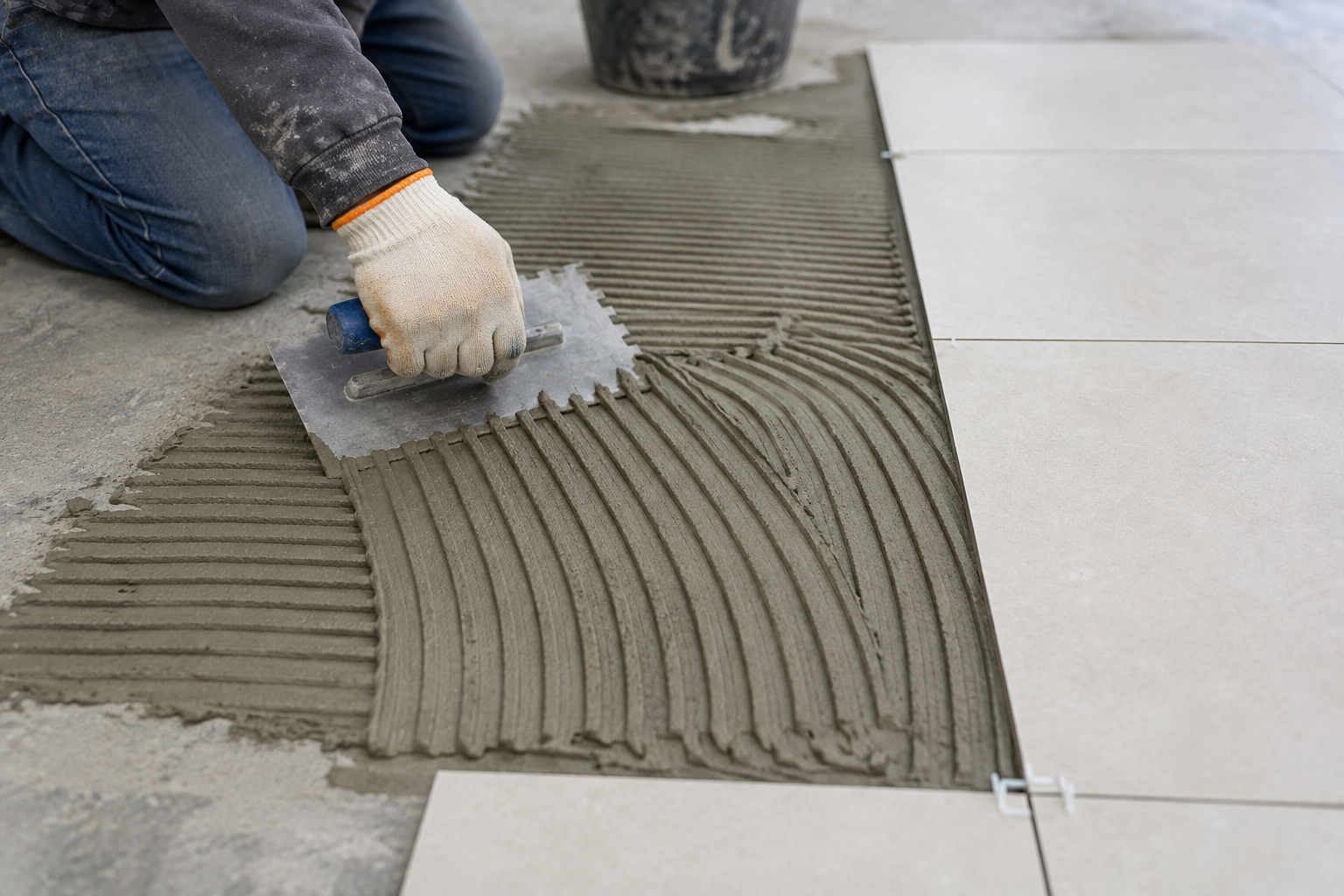
In my years working with construction materials, I've found that integrated systems often deliver the best results. For instance, when working on a thin-set tile project, combining our water-reducing admixture with HPMC created the perfect balance of workability and sag resistance, something neither product could achieve alone.
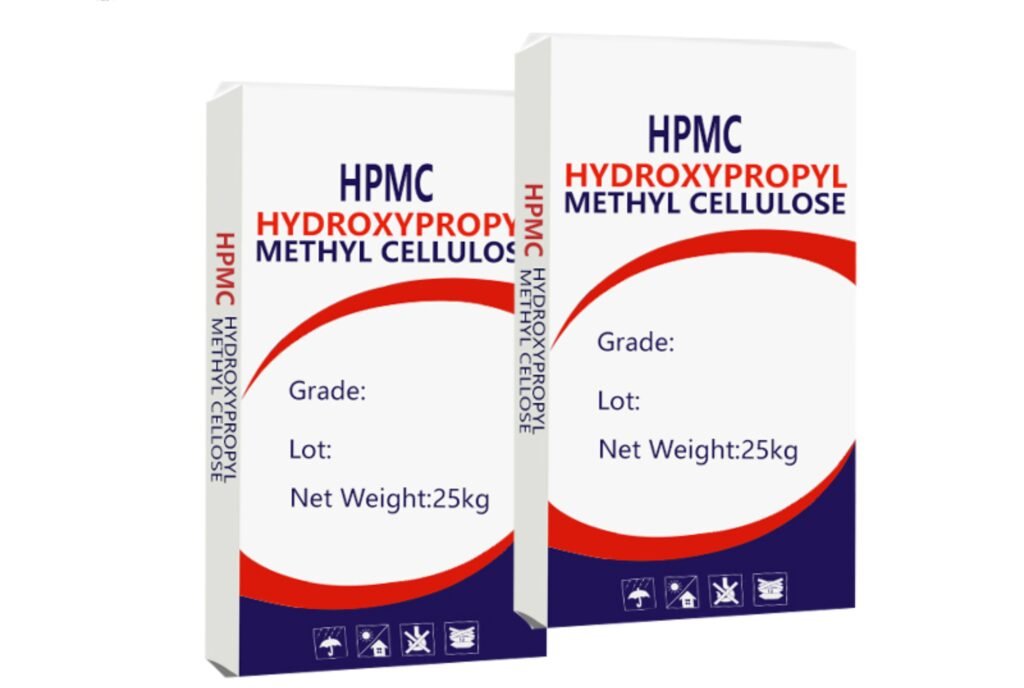
Hydroxypropyl methylcellulose (HPMC) serves as a critical component in cement-based tile adhesives, renders, and self-leveling compounds8. It improves water retention, prevents premature drying, and enhances workability. Our Kehao brand HPMC is specifically formulated for construction applications with precisely controlled viscosity and modification levels.
Redispersible latex powder transforms ordinary cement mixes into high-performance composites with improved flexibility, adhesion, and water resistance. This makes it essential for external thermal insulation composite systems (ETICS), repair mortars, and waterproofing membranes. When combined with appropriate water reducers, it creates systems that can adhere even to challenging substrates like smooth concrete or polystyrene insulation.
System Solutions for Common Applications
| Application | Primary Admixture | Complementary Products | Performance Benefits |
|---|---|---|---|
| Tile Adhesives | Water Reducer | HPMC, Redispersible Powder | Extended open time, Sag resistance, Superior adhesion |
| Self-Leveling Compounds | Superplasticizer | HPMC, Defoamer | Smooth flow, Quick setting, Perfect level surface |
| Repair Mortars | Accelerator | Redispersible Powder, Fibers | Early strength, Crack resistance, Excellent bond |
| External Insulation Systems | Water Reducer | Redispersible Powder, HPMC | Weather resistance, Flexibility, Long-term durability |
Our technical team specializes in developing these integrated systems tailored to specific applications. By considering how different components interact, we create solutions that often outperform standard approaches. For example, our combination system for repair mortars achieves 40% higher bond strength than traditional formulations by optimizing the interaction between accelerating admixtures and redispersible powders.
Frequently Asked Questions About Concrete Admixtures
Are concrete admixtures safe for the environment?
Do you worry about the environmental impact of your construction materials? This common concern affects more projects as sustainability becomes a priority.
Modern concrete admixtures are formulated to meet strict environmental standards with low VOC content and biodegradable components. Many products now carry environmental certifications like GreenGuard or help achieve LEED points by reducing cement content through improved concrete efficiency.
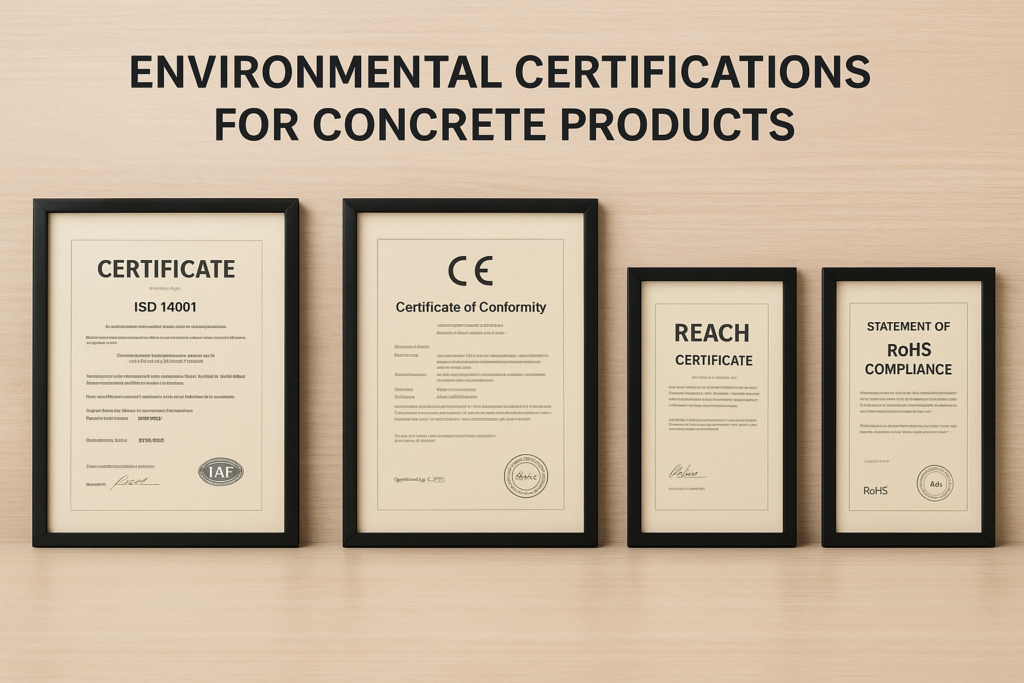
Environmental responsibility is increasingly important in construction. Our Wanhong admixtures undergo rigorous testing for environmental impact, with many formulations specifically designed to minimize ecological footprints. For instance, our high-range water reducers can help reduce concrete's carbon footprint by enabling cement reduction of up to 20% while maintaining performance.
When evaluating admixture environmental impact, consider not just the product itself but its effect on the entire concrete lifecycle. A good superplasticizer might contain synthetic compounds but can dramatically extend structure service life and reduce required concrete volume, creating net positive environmental benefits.
How do I know which admixture is right for my project?
Are you overwhelmed by the variety of concrete admixtures and unsure which will solve your specific problems? This uncertainty can lead to costly mistakes and underperforming concrete.
Selecting the right admixture requires analyzing your specific conditions including climate, cement type, aggregate properties, performance requirements, and construction methods. Professional testing with your actual materials is the most reliable approach to find optimal solutions.
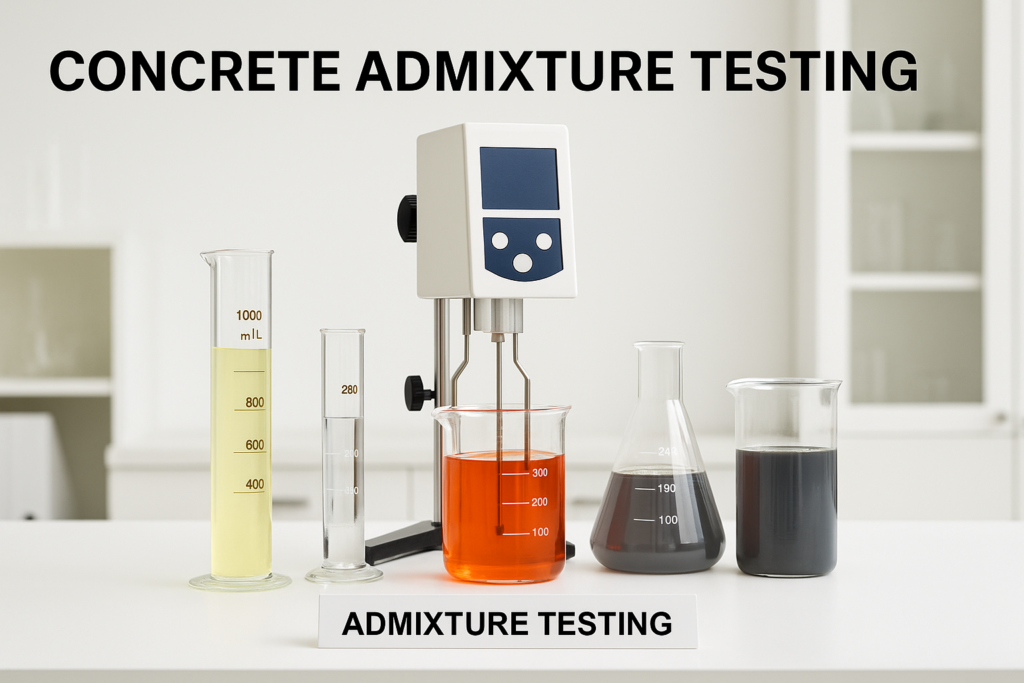
I've seen many projects struggle because admixtures were selected based on general descriptions rather than specific performance with local materials. That's why we always recommend pre-testing with the exact materials you'll use on-site. Our laboratory can conduct comprehensive testing using your cement, aggregates, and water to identify the ideal admixture formulations.
The selection process should consider both immediate construction needs and long-term performance requirements. For example, a high-early strength requirement might suggest an accelerator, but if the structure will face freeze-thaw conditions, proper air entrainment becomes equally important. Our technical team can help balance these sometimes competing requirements to achieve optimal overall performance.
How do admixtures affect concrete cost?
Are rising material costs squeezing your construction budget? Many contractors hesitate to use admixtures due to their upfront cost without considering total project economics.
While admixtures typically add $5-15 per cubic meter to concrete cost, they often reduce overall project expenses through cement reduction, faster construction cycles, improved durability, and reduced labor. The return on investment frequently exceeds 200% when analyzing total project economics.

When evaluating admixture economics, I always encourage clients to look beyond the initial material cost. In a recent high-rise project, adding $9 per cubic meter for a high-range water reducer allowed a 15% cement reduction, saving $12 per cubic meter while improving workability and reducing pump wear. The enhanced early strength also allowed faster formwork removal, accelerating the construction schedule by 20%.
Durability improvements create even more significant long-term economic benefits. Properly designed admixture systems can extend service life by decades, dramatically improving lifecycle costs. For infrastructure projects with 50+ year design lives, this aspect often generates the greatest economic value.
Conclusion
Choosing the right concrete admixture manufacturer means finding a partner who understands your specific challenges and provides tailored solutions. At Wanhong, we combine quality products, technical expertise, and responsive service to help you achieve superior concrete performance in any application.
-
Explore top manufacturers to ensure high-quality concrete admixtures that enhance performance. ↩
-
Explore the advantages of fiber reinforcement for reducing cracks and enhancing durability. ↩
-
Understand the significance of ISO certification in ensuring product quality. ↩
-
Discover how regular performance reviews can enhance your concrete projects. ↩
-
HPMC enhances workability and water retention, making it essential for various construction applications. ↩
-
This additive improves adhesion and flexibility, crucial for high-performance concrete applications. ↩
-
Polypropylene fibers enhance crack resistance, making them valuable for durable concrete solutions. ↩
-
Self-leveling compounds provide smooth surfaces, essential for various flooring applications. ↩