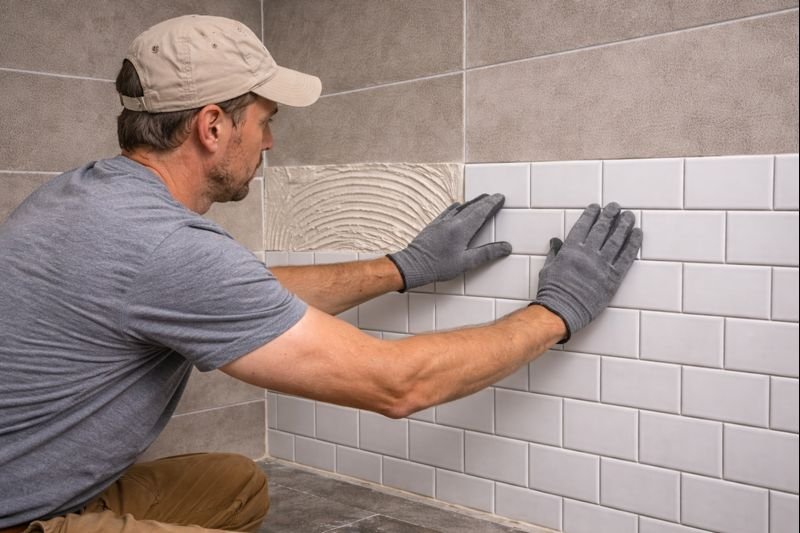
Are you planning a shower renovation? Using Type 1 tile adhesive might seem convenient, but it could lead to dangerous tile failures and costly repairs down the line.
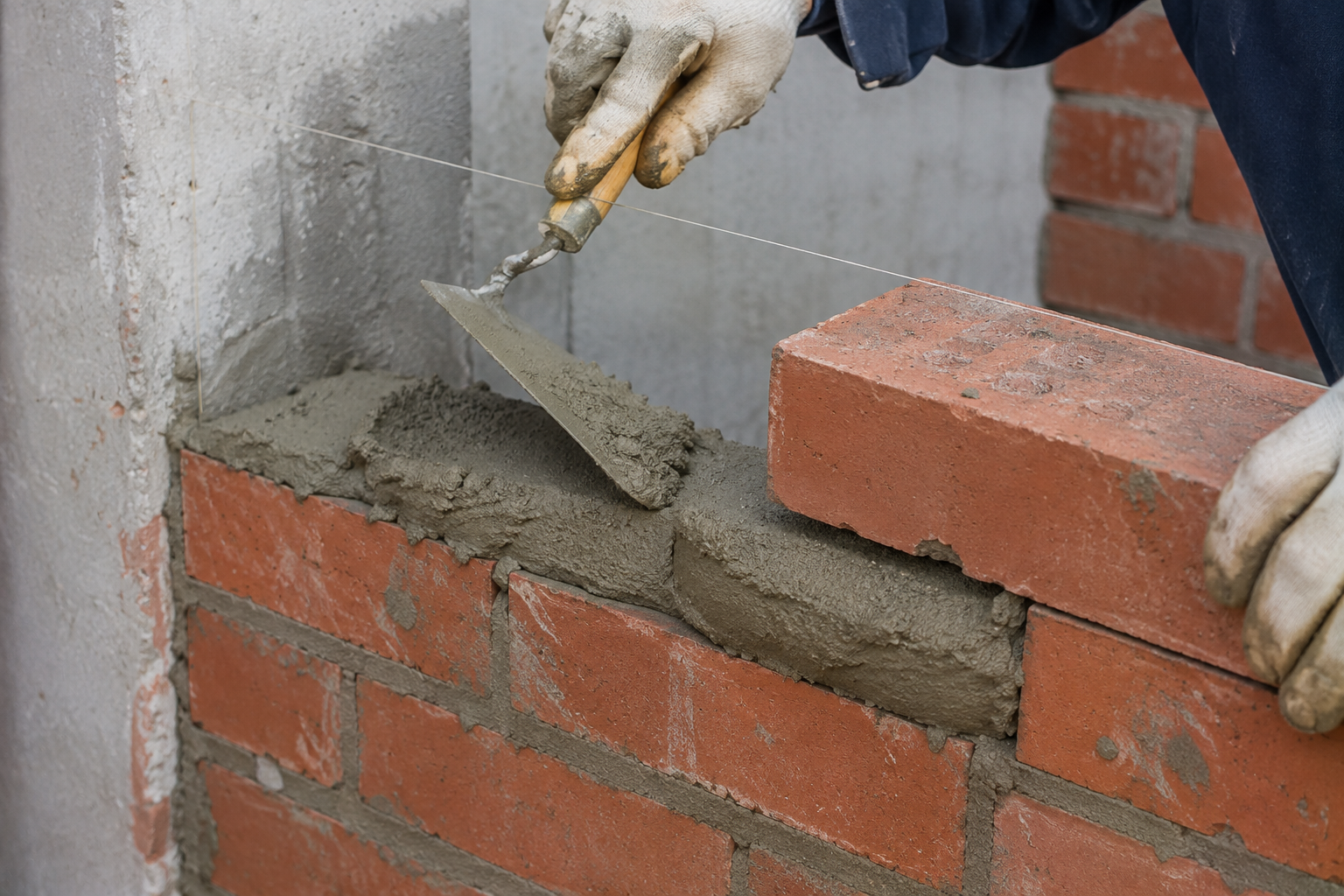
Type 1 tile adhesive1 (mastic) should never be used in showers. It cures through water evaporation and will re-emulsify when exposed to constant moisture, causing tiles to loosen and fall. Only cement-based thinset mortar2 should be used in wet areas like showers.
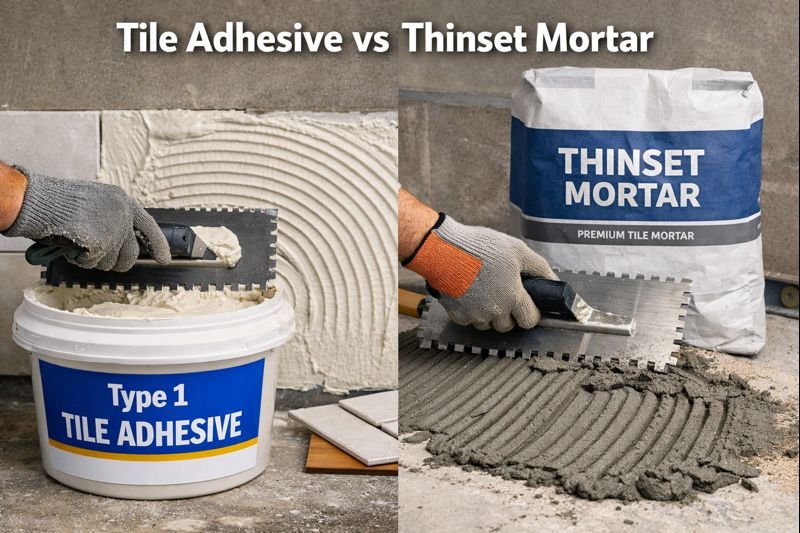
I recently visited a client's home where all their shower tiles were literally falling off the walls. When I investigated, I discovered the previous contractor had used Type 1 adhesive instead of proper thinset mortar. This common mistake is one I see repeatedly in my work, and it always ends with expensive repairs.
What Happens If You Use the Wrong Tile Adhesive?
The wrong adhesive in your shower is like building a house on sand. Your beautiful tile work will inevitably fail, potentially causing injuries and extensive water damage.
Using incorrect tile adhesive in wet areas leads to tile delamination, mold growth, and structural damage. Type 1 adhesive will reabsorb water and turn back into a paste, losing its adhesive properties completely when exposed to constant moisture.
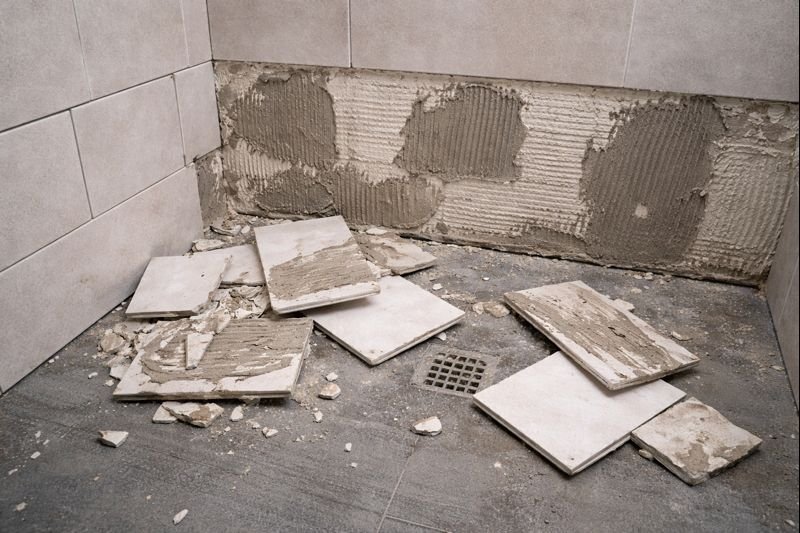
Type 1 adhesive works through water evaporation to cure. When used in showers or wet areas, this process is fundamentally flawed. The adhesive never truly sets permanently when exposed to consistent moisture. This creates a dangerous cycle where your adhesive repeatedly absorbs water and weakens.
The consequences extend far beyond just loose tiles. When water penetrates behind your shower tiles, it can seep into your wall structure. This moisture leads to rotting wood studs, deteriorating drywall, and aggressive mold growth that may spread throughout your bathroom and potentially your entire home. The repair costs multiply exponentially - what started as saving $20 on adhesive can turn into thousands in structural repairs.
I've personally witnessed a renovation where the homeowner had to remove not just the failed shower tiles, but also replace three feet of damaged drywall around the entire bathroom, treat extensive black mold, and even replace portions of the wooden subfloor that had rotted from prolonged moisture exposure.
Is MAPEI Type 1 Waterproof?
Many DIYers see the premium MAPEI brand and assume their Type 1 adhesive must be suitable for all applications. This misunderstanding leads to costly mistakes.
MAPEI Type 1 adhesive3 is not waterproof, despite being water-resistant when fully cured. It will reactivate and soften when exposed to prolonged moisture, making it completely unsuitable for shower installations or any consistently wet areas.
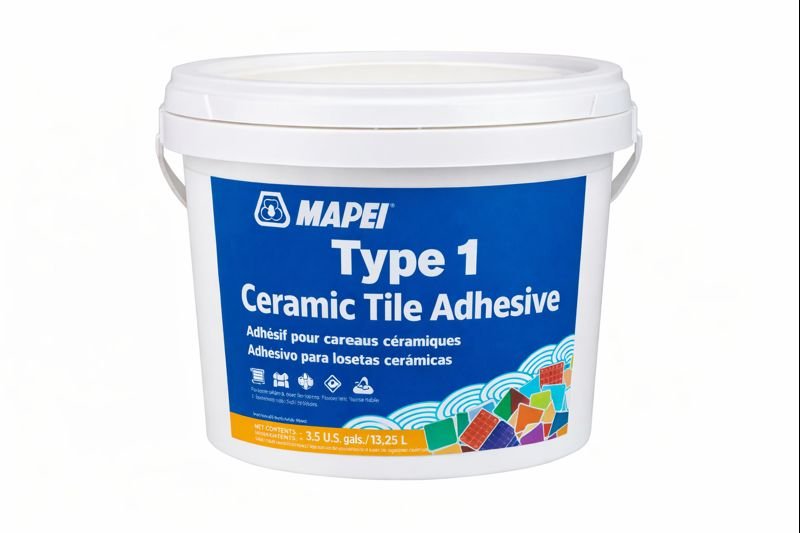
MAPEI produces excellent products, including their Type 1 mastic adhesive, but even premium brands don't change the fundamental chemistry involved. Type 1 adhesives, regardless of manufacturer, contain organic compounds that cure through water evaporation. Once cured, they maintain some water resistance for occasional splashes but will break down when consistently exposed to water.
Understanding product limitations is crucial for successful installations. MAPEI specifically warns against using Type 1 adhesive in showers on their packaging and technical data sheets, though these warnings are sometimes overlooked by eager DIYers. Their product is designed specifically for dry or occasionally damp areas like kitchen backsplashes or bathroom walls away from direct water exposure.
For shower installations, MAPEI offers specialized cement-based thinset mortars that cure through a chemical hydration process. This chemical reaction creates a permanent, waterproof bond that won't break down even with constant water exposure. These products might cost slightly more and require more preparation, but they're engineered specifically for wet environments and will save thousands in potential repairs.
What Is Type 1 Tile Adhesive Used For?
Type 1 adhesive has its place in tile installation, but understanding its proper applications is essential for successful, long-lasting results.
Type 1 tile adhesive is ideal for vertical dry-area installations like kitchen backsplashes, fireplace surrounds, and bathroom walls away from water sources. Its strong initial grab prevents tile slippage during installation, making vertical applications easier.
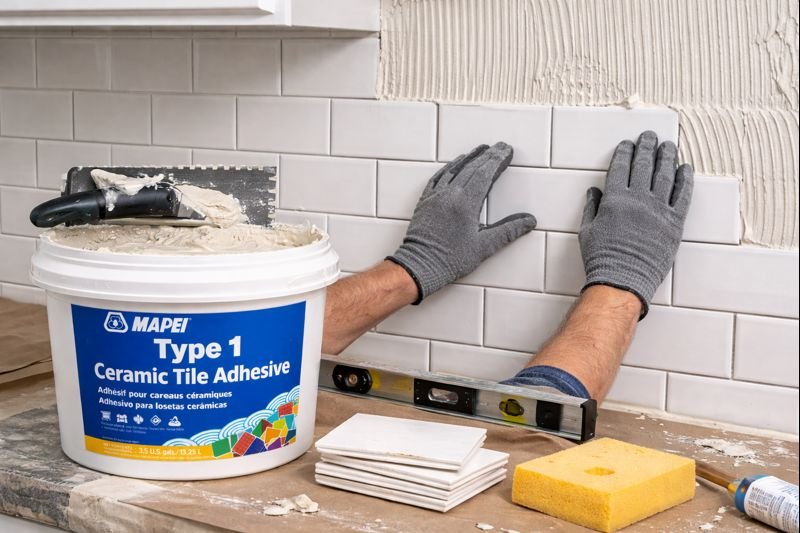
Type 1 adhesive excels in specific applications where its properties provide advantages over thinset mortar. The strong initial grab makes it perfect for vertical installations where preventing tile slippage during setting is important. This "sticky" quality holds tiles firmly in place without sagging, eliminating the need for temporary supports or spacers during installation.
Common appropriate applications include:
| Suitable Applications | Why Type 1 Works Well |
|---|---|
| Kitchen backsplashes | Minimal water exposure, strong vertical hold |
| Bathroom accent walls (away from shower/tub) | Dry environment, decorative application |
| Fireplace surrounds (non-heating surfaces) | No moisture concerns, excellent adhesion to various substrates |
| Decorative wall tiles | Easy application for DIYers, good workability |
The ease of application makes Type 1 popular among DIYers. It comes ready-to-use, spreads easily, and allows longer working time before setting. Type 1 also adheres well to drywall and other common wall substrates without extensive preparation.
However, it's vital to understand that Type 1 is never suitable for:
- Shower walls or floors
- Bathtub surrounds
- Steam rooms
- Outdoor applications
- Floor tiles of any kind
- Swimming pools
For these applications, only cement-based thinset mortar provides the water-resistant, permanent bond required for longevity and safety.
How Long Does Type 1 Tile Adhesive Take to Dry Before Grout?
Understanding the drying time of Type 1 adhesive is crucial for proper installation timing and avoiding premature grouting that could compromise your entire project.
Type 1 tile adhesive1 typically requires 24-48 hours to dry before grouting, depending on temperature, humidity, and substrate porosity. Unlike thinset that chemically cures, Type 1 must completely dry through water evaporation before grout application.
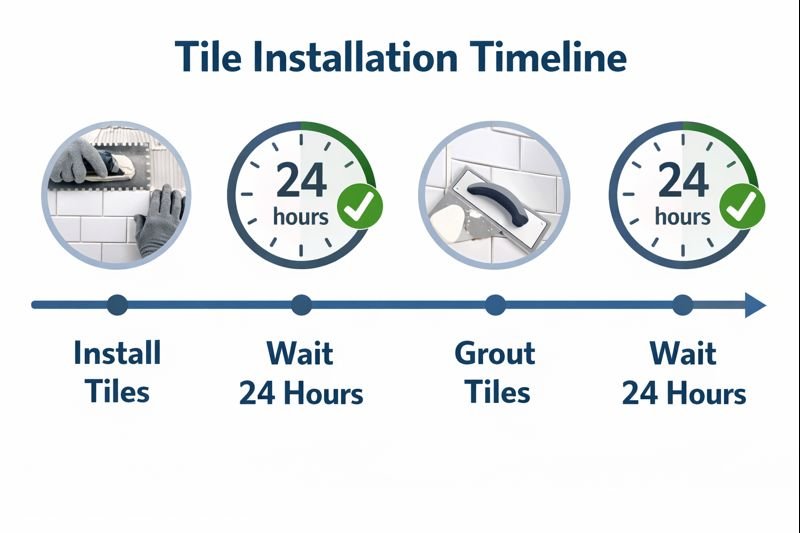
The drying process of Type 1 adhesive is fundamentally different from cement-based thinset mortar. While thinset undergoes a chemical curing process that can happen even in humid conditions, Type 1 relies entirely on water evaporation. This makes its drying time highly variable based on environmental conditions.
Several factors significantly affect drying time:
-
Environmental conditions - Higher humidity and lower temperatures drastically extend drying time, sometimes requiring 72+ hours in poor conditions.
-
Application thickness - Thicker applications take substantially longer to dry. Type 1 should always be applied in thin layers per manufacturer specifications.
-
Tile porosity - Non-porous tiles like glass or porcelain prevent evaporation through the tile face, forcing all drying to occur through the edges, extending drying time.
-
Substrate condition - Using Type 1 on damp substrates or non-porous surfaces severely extends drying time.
Rushing the grouting process before complete adhesive drying causes multiple problems. The trapped moisture can't escape, preventing proper adhesive curing and potentially causing tiles to shift during grouting. Even worse, this trapped moisture eventually migrates into the grout, causing discoloration, weakening, and premature failure.
I always recommend testing several tiles by checking for any movement before grouting. If there's any "give" when pressing firmly on tiles, the adhesive isn't ready. While this waiting period may seem inconvenient, rushing this step can compromise your entire installation.
Conclusion
Never use Type 1 tile adhesive in showers or wet areas. Only cement-based thinset mortar provides the permanent, water-resistant bond needed for wet applications. Using the right adhesive saves thousands in repairs and ensures safety.
FAQ
Can I seal Type 1 adhesive to make it waterproof?
No, sealer can't penetrate behind tiles to protect the adhesive. Water will eventually reach the adhesive through grout joints or tile edges.
Is Type 1 adhesive cheaper than thinset mortar?
Initially yes, but the potential repair costs make it exponentially more expensive in the long run for wet applications.
How can I tell if the wrong adhesive was used in my shower?
Look for loose tiles, discolored or soft grout, mold smell, or water staining on nearby walls/ceilings.
Can I install new tiles directly over a failed Type 1 installation?
No, all Type 1 adhesive must be completely removed and the substrate properly prepared before reinstallation with appropriate materials.
-
Understanding Type 1 tile adhesive is crucial for proper tile installation and avoiding costly mistakes. ↩ ↩
-
Discover why thinset mortar is essential for wet areas and how it ensures a lasting bond. ↩
-
Understanding the limitations of MAPEI Type 1 adhesive can help you avoid costly installation mistakes. ↩